
 by
by Topic Overview / What Matters
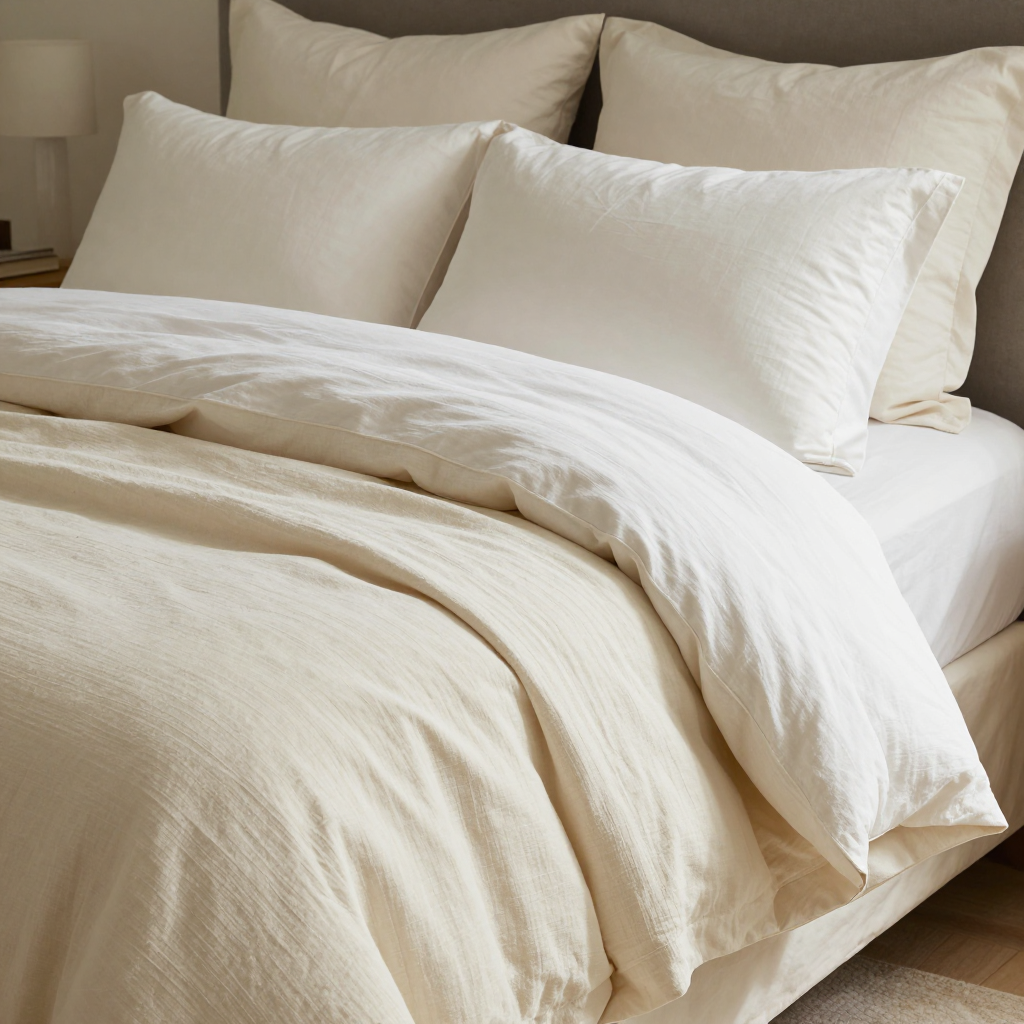
A comfort blanket sits between sheet and comforter as the layer you actually pull up first. It controls casual warmth, the feel against your skin during reading or movie watching, and the flexibility to swap layers seasonally. The category includes weighted blankets for anxiety, sherpa for plush warmth, cotton for breathable year-round use, and minky or fleece for budget coziness. Choosing wrong means a blanket that lives in the closet. The right comfort blanket matches your climate, sleep style, and primary use case (bed layer versus couch throw versus year-round). This guide breaks down every major type, weight, and material so you can pick once and use it for years. Saatva organic cotton and quilted options sit in the natural fiber premium category.
Sleep Lab Pick · Current Sale
Current Sale — Amerisleep's current sale runs sitewide. Their bedding line uses moisture-wicking lyocell engineered for hot sleepers.
Material / Type Comparison
| Type | Best For | Avoid If | Price Range |
|---|---|---|---|
| Cotton Knit | Year-round bed layer | You want plush feel | $80-$250 |
| Sherpa | Cold rooms, couch | Hot sleepers | $60-$200 |
| Weighted | Anxiety, deeper sleep | You overheat easily | $100-$300 |
| Wool | Year-round regulation | Wool sensitivity | $200-$500 |
| Fleece/Minky | Budget coziness | You want natural fibers | $30-$100 |
| Quilted Cotton | Layered styling | Minimalists | $150-$400 |
Cotton knit and quilted cotton win for year-round bed use because they breathe and layer well under comforters. Sherpa is unbeatable for cozy couch use but sleeps too warm for most beds. Weighted blankets serve a specific anxiety or sensory purpose, treat them as therapy tools, not general bedding. Wool blankets are the long-term investment, lasting decades and regulating across seasons. Fleece and minky offer budget warmth but often shed microplastics and pill within months. Quilted cotton brings styling to the bed in a way most bedding cannot.
Performance & Care
Comfort blankets earn their keep through repeated washing and seasonal swaps. Cotton knit blankets wash on warm with regular detergent and tumble dry low. They soften over years. Sherpa needs gentle cycle and low heat or air dry, hot dryers melt the polyester backing. Weighted blankets often have removable covers, the weighted insert may require spot cleaning only, check the label. Wool blankets are dry-clean only or hand wash with wool-specific detergent, they last 20 to 30 years with care. Fleece and minky machine wash easily but pill quickly. Quilted cotton needs occasional gentle washing, check stitching for stress points. The best comfort blankets last 5 to 15 years depending on material, with wool and quilted cotton at the top.
View Saatva organic bedding collection
The Saatva Bedding Choice
Saatva offers an Organic Cotton Quilted Throw and an All-Year Cotton Blanket, both made from GOTS-certified organic long-staple cotton. The quilted throw works as a styling layer at the foot of the bed or as a couch throw, with classic stitching and a substantial drape around $245 to $345. The cotton blanket layers under a comforter year-round, breathing in summer and adding warmth in winter, around $145 to $245. Both ship free with a 45-day return window. Saatva does not make a sherpa or weighted blanket, focusing on natural fiber pieces. For shoppers prioritizing certified organic cotton over synthetic plush, this is the premium-but-reasonable middle ground compared to Boll & Branch (similar quality, higher price) or Pottery Barn (variable sourcing transparency).
Buying Decision Framework
Define the primary use first. Bed layer? Choose cotton knit, quilted cotton, or wool. Couch throw? Sherpa or fleece work fine if you accept synthetic feel. Anxiety relief? Weighted blanket sized to 10 percent of body weight. Hot sleeper bed layer? Cotton knit or linen blanket only. Cold room? Wool or sherpa. Budget under $100? Fleece or basic cotton. Budget $200+? Quilted cotton or wool for decade-long use. Match the blanket weight to the season and climate, summer cotton at 4 to 6 pounds, winter wool at 6 to 10 pounds queen size.
Bottom Line
The right comfort blanket depends on use case, not just preference. Cotton knit and quilted cotton handle year-round bed layering. Sherpa wins for couch coziness. Wool wins for decade-plus durability. Weighted blankets serve specific therapeutic needs. Saatva organic cotton options excel for certified natural fiber premium bed layering at fair pricing.
Get Saatva bedding - free shipping
FAQ
What is the difference between a blanket and a comforter?
A blanket is a single woven or knit layer (cotton, wool, fleece) used between sheets and comforter or alone. A comforter is a quilted casing filled with insulation (down, alternative, wool). Blankets layer for flexible warmth, comforters provide bulk insulation. Many beds use both: sheet, blanket, comforter.
Are weighted blankets safe for everyone?
Generally yes for adults, but unsafe for children under two and people with respiratory issues, low blood pressure, or claustrophobia. Choose a weighted blanket roughly 10 percent of your body weight. Consult a doctor if you have sleep apnea, diabetes, or circulation conditions before use.
How heavy should a winter blanket be?
For winter bed use, choose a blanket between 5 and 8 pounds in queen size. Wool at this weight regulates temperature without overheating. Heavier than 10 pounds becomes a weighted blanket and serves a different function. Layer a lighter blanket under a comforter rather than choosing a single heavy blanket.
Can I machine wash a wool blanket?
Most wool blankets require dry cleaning or hand washing in cold water with wool-specific detergent. Machine washing risks felting (irreversible shrinking and stiffening). Some modern washable wool blends tolerate gentle cycle cold wash, but always check the care label. Air dry flat to preserve shape and texture.
Why does my fleece blanket pill so fast?
Fleece pilling is inherent to polyester construction, especially budget fleece. The fibers break under friction from washing, drying, and use. Higher-quality fleece (microfleece, polar fleece from Polartec) pills slower. Wash on gentle cycle, never with rough fabrics like denim, and air dry to extend life.