
 by
by Topic Overview / What Matters
Related: See our deep best cooling mattress for menopause and hot flashes 2026 for the active-cooling alternative.
Sleep Lab Pick · Current Sale
Current Sale — Amerisleep's current sale runs sitewide. Their bedding line uses moisture-wicking lyocell engineered for hot sleepers.
Sheets matter more than mattresses for sleep temperature. They sit directly against your skin for eight hours, controlling moisture wicking, breathability, and the subjective feel of cool versus warm. The cooling sheet market is full of marketing fluff: phrases like "ice silk" and "arctic chill" usually describe polyester or rayon blends that feel cool to the touch initially but trap heat over the night. The real cooling fabrics are long-staple cotton percale, Tencel lyocell, linen, and bamboo viscose. Each has trade-offs in feel, durability, and price. Thread count is overrated above 400, what matters is fiber length, weave type, and finishing chemicals (or the absence of them). This guide breaks down the genuine cooling options and shows where Saatva organic cotton sheets fit.
Material / Type Comparison
| Type | Best For | Avoid If | Price Range |
|---|---|---|---|
| Cotton Percale | Crisp, cool, durable | You like silky feel | $120-$300 |
| Cotton Sateen | Silky soft, all-season | You overheat | $140-$350 |
| Tencel Lyocell | Silky cool, eco | You wash on hot | $150-$400 |
| Linen | Maximum breathability | You hate wrinkles | $180-$500 |
| Bamboo Viscose | Soft, moisture-wicking | Long-term durability | $100-$250 |
| Polyester Cooling | Budget short-term | You actually run hot | $40-$120 |
Percale and linen are the genuine cooling champions because of their open weaves that allow constant airflow. Tencel earns its reputation through superior moisture absorption (50 percent more than cotton). Sateen feels luxuriously cool to the touch on the first night but traps slightly more heat than percale due to its tighter four-over-one weave. Bamboo viscose is soft and cooling but breaks down faster than long-staple cotton. Skip polyester "cooling" sheets, the marketing is louder than the performance.
Performance & Care
Cooling sheets demand correct washing or they lose their properties fast. Wash percale and sateen in cold or warm water with mild detergent. Skip fabric softener entirely, it coats fibers and kills breathability. Tumble dry low or line-dry to extend life. Tencel needs gentle cycle and low heat, hot dryers damage the fibers permanently. Linen actually softens with each wash and lasts 15 to 20 years if cared for. Bamboo viscose typically lasts 3 to 5 years before pilling. Long-staple cotton percale lasts 7 to 10 years with proper care. Avoid bleach on all cooling fabrics, it weakens fibers. Iron only if you must, and never on Tencel.
View Saatva organic bedding collection
The Saatva Bedding Choice
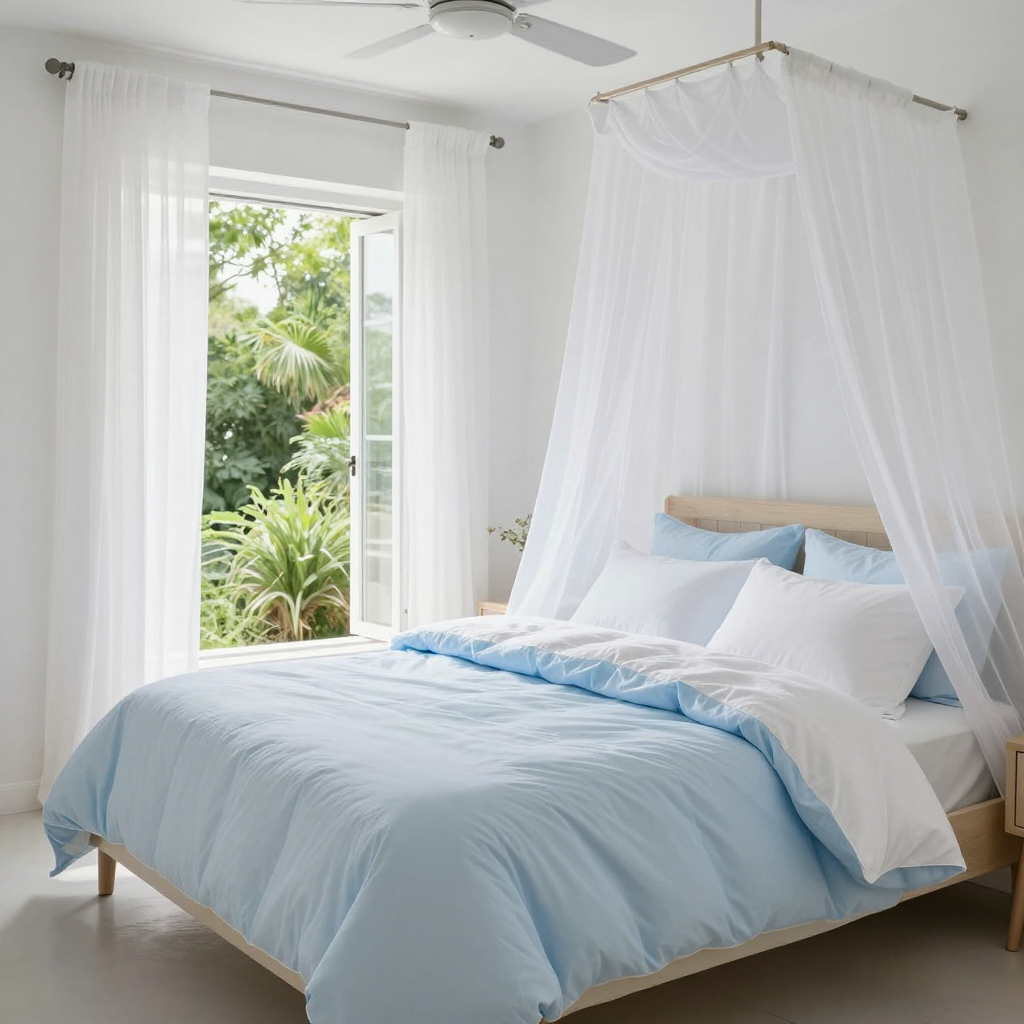
Saatva offers Organic Sateen Sheets and Percale Sheets, both made from GOTS-certified organic long-staple cotton. The percale set is the cooling pick: 200 thread count crisp weave that breathes like a window in summer. Pricing runs around $245 to $375 for queen, with deeper sales periodically. The sateen version is for sleepers who prioritize silky feel over maximum airflow. Saatva also offers a Lyocell Sheet Set blending Tencel with cotton for the silky-cool category around $295. All sets ship free, include fitted, flat, and pillowcases, and have a 45-day trial. Compared to Brooklinen and Parachute at similar price points, Saatva pulls ahead on certified organic materials.
Buying Decision Framework
Map your decision to climate, sleep partner, and feel preference. Hot dry climates suit linen or percale. Humid climates demand percale or Tencel for moisture wicking. Couples with mismatched temperatures should choose Tencel or percale, both regulate well across body types. If you love the hotel-crisp feel, percale wins. If you prefer the silky-cool slide, choose sateen or Tencel. Budget matters: spend $200 minimum for sheets that will not pill in a year. Below that, you are buying disposable polyester wearing a cotton mask.
Bottom Line
Cooling sheets are an investment in nightly comfort that compounds over years. Cotton percale wins for crisp breathable sleep. Tencel wins for silky feel without trapping heat. Linen wins for the hottest climates. Avoid polyester cooling marketing. Saatva organic cotton percale represents the best balance of certified materials, durability, and genuine cooling for hot sleepers in 2026.
Get Saatva bedding - free shipping
FAQ
Are bamboo sheets actually cooling?
Bamboo viscose sheets are moderately cooling and excellent at moisture wicking, making them feel cool to hot sleepers. However, they trap slightly more heat than percale or linen because of their tighter weave. They are a fine mid-range option but not the best pure cooling choice for severe night sweat sufferers.
Does thread count matter for cooling?
Not above 400. Higher thread counts often mean tighter weaves that trap heat. The sweet spot for cooling sheets is 200 to 400 in percale or 300 to 500 in sateen, using long-staple cotton. Thread counts above 600 are usually marketing or count multi-ply yarns deceptively.
Percale or sateen for hot sleepers?
Percale wins for hot sleepers. Its one-over-one weave creates an open structure that breathes constantly. Sateen feels cool to the touch initially but traps more heat over a full night because of its denser four-over-one weave. Choose percale if cooling is your top priority year-round.
How often should I replace cooling sheets?
Quality cotton percale lasts 7 to 10 years with weekly washing. Tencel lasts 5 to 7 years. Linen lasts 15 to 20 years and improves with age. Bamboo viscose typically needs replacement at 3 to 5 years due to pilling. Polyester cooling sheets often degrade within 12 to 18 months.
Are organic sheets cooler than regular cotton?
Slightly, because organic processing skips the formaldehyde and softening chemicals that coat conventional cotton fibers. These coatings reduce breathability over time. Organic sheets also tend to use longer-staple cotton, which weaves more openly. The difference is real but modest, perhaps 5 to 10 percent better breathability long-term.