 by
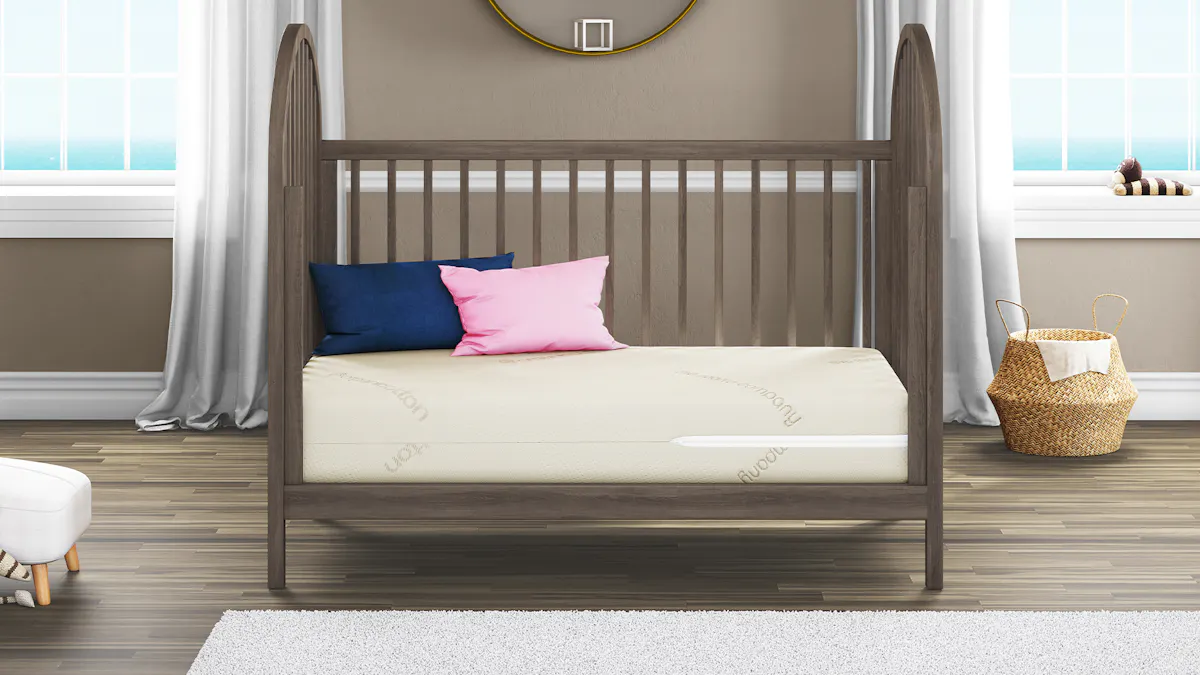
by Quick answer: Switch when your toddler starts climbing out. A toddler bed with rails on both sides reuses your crib mattress, and the Saatva Crib is the one I'd buy once for both stages.
- Toddler beds use the same mattress size as standard cribs, so your current crib mattress carries over if it still fits snugly.
- Guardrails on both sides are the baseline safety feature, especially for active sleepers.
- Many convertible cribs transform with a rail swap or kit, which can beat buying a separate bed.
Updated July 2026 · Reviewed for accuracy
Here's the short version: the crib-to-toddler-bed move is less about buying new furniture and more about timing and fit. Most families already own half the setup, because toddler beds run on the same mattress your crib uses. I'll walk you through when to switch, which bed style makes sense, and how to keep the mattress decision simple.
I've spent years looking at how beds are built, from coil counts to slat spacing, and toddler beds are one of the simplest categories in the industry. That works in your favor. There are only a few things that genuinely matter, and a long list of things that are just marketing paint.
When to Switch From Crib to Toddler Bed
The trigger that should force your hand is climbing. Once your child can swing a leg over the crib rail, the crib stops being the safe option, because a fall from rail height is the real hazard. Everything else, birthdays, big-kid excitement, a new sibling on the way, is secondary to that.
Most sleep guidance puts the typical transition window somewhere between eighteen months and three and a half years. That's a wide range on purpose. Kids develop at different speeds, and there's no prize for switching early. If your toddler sleeps well and isn't attempting escapes, waiting usually makes the transition easier, because an older child understands rules like "stay in bed" far better than a younger one.
Nut's rule: Don't switch because of a birthday. Switch because of climbing, or because your child is clearly asking for a big-kid bed and can follow simple stay-in-bed instructions.
A few readiness signs beyond climbing: your child consistently gets out of the crib even after you lower the mattress to its deepest setting, they ask for a bed like a sibling's or a friend's, or they're tall enough that the rail no longer contains them safely. Any one of these is a reasonable green light.
Set your expectations before you start. Sleep often gets a little worse for a week or two after the switch, because the newfound freedom to leave the bed is genuinely exciting for a toddler. That's normal, and it's temporary. If it drags on, our notes on toddler sleep regression cover the usual causes and fixes.
Your Three Crib-to-Toddler-Bed Options
There are three realistic paths, and the right one depends mostly on what you already own. Let me break them down by construction, because that's where the differences actually live.
Path one: convert your existing crib. If you bought a convertible crib, the toddler bed is already sitting in your nursery. You remove the front rail, attach a guard rail (sometimes included, sometimes a separate kit), and you're done. The frame, the mattress, and the familiar sleep environment all stay put. Check kit compatibility with your exact crib model on the manufacturer's site before you assume it's covered.
Path two: a standalone toddler bed. These are low frames sized for a crib mattress, with guardrails built in. Construction quality varies wildly in this category. Look for a wide, flat base, solid center support under the slats, and side panels that don't flex when you push on them. Thin panels and loose slats are the two failure points I see flagged most in owner feedback.
Path three: a Montessori-style floor bed. The mattress sits on or just above the floor, with no rails at all. The appeal is independence: the child can get in and out freely, and there's nothing to fall from. The tradeoff is that the whole room becomes the sleep space, so it has to be fully childproofed, and this style works best for kids who are genuinely ready for that freedom.
| Option | How it works | Best for | Watch out for |
|---|---|---|---|
| Convertible crib + rail | Front rail comes off, guard rail goes on | Families who already own a convertible crib | Kit compatibility varies by model |
| Standalone toddler bed | Low frame with built-in rails, uses crib mattress | Quick, affordable transitions | Flimsy panels and loose slats on cheap builds |
| Montessori floor bed | Mattress at floor level, no rails | Independent kids in fully childproofed rooms | No rollover protection; readiness matters |
If you plan to reuse the furniture for a second child, convertibility earns its keep. A crib that later becomes a toddler bed, and in some designs a full-size bed down the road, spreads its cost across years of use. If this is your last crib-age kid, a simple standalone toddler bed is usually the cheaper and faster answer.
Comparing options? The Saatva Crib is the pick we keep coming back to — see the final verdict ↓
Safety Checks That Actually Matter
Toddler beds are simple products, which means the safety checklist is short and non-negotiable. Start with guardrails on both sides. A rail on one side only protects kids who never migrate across the mattress, and in my experience that describes almost no toddler alive.
Next, the mattress fit. The mattress should sit snug in the frame with no meaningful gap around the edges. The standard check: you shouldn't be able to fit more than two fingers between the mattress and the frame. Gaps are an entrapment hazard, and they're the single most common sizing mistake parents make when mixing brands of bed and mattress.
My pre-purchase checklist:
- Guardrails on both sides, not just one
- Snug mattress fit (two-finger gap test, maximum)
- Wide, stable base with solid center support
- Rounded edges and non-toxic finishes, per the manufacturer
- Compliance with current ASTM safety standards
- A clear weight rating from the manufacturer
- No recalls on the specific model in recent years
Stability deserves a hands-on test if you're shopping in person. Grab the top rail and rock the frame. Any wobble at the joints today becomes a bigger wobble after a year of a toddler treating the bed like a trampoline. Owner reviews are useful here too: recent buyers tend to report rattles, creaks, and loose hardware that product photos will never show you.
One last check people skip: search the model name for recalls before you buy, and confirm the box includes all assembly hardware and instructions. It takes five minutes and it's the cheapest insurance in the whole purchase.
The Mattress Question
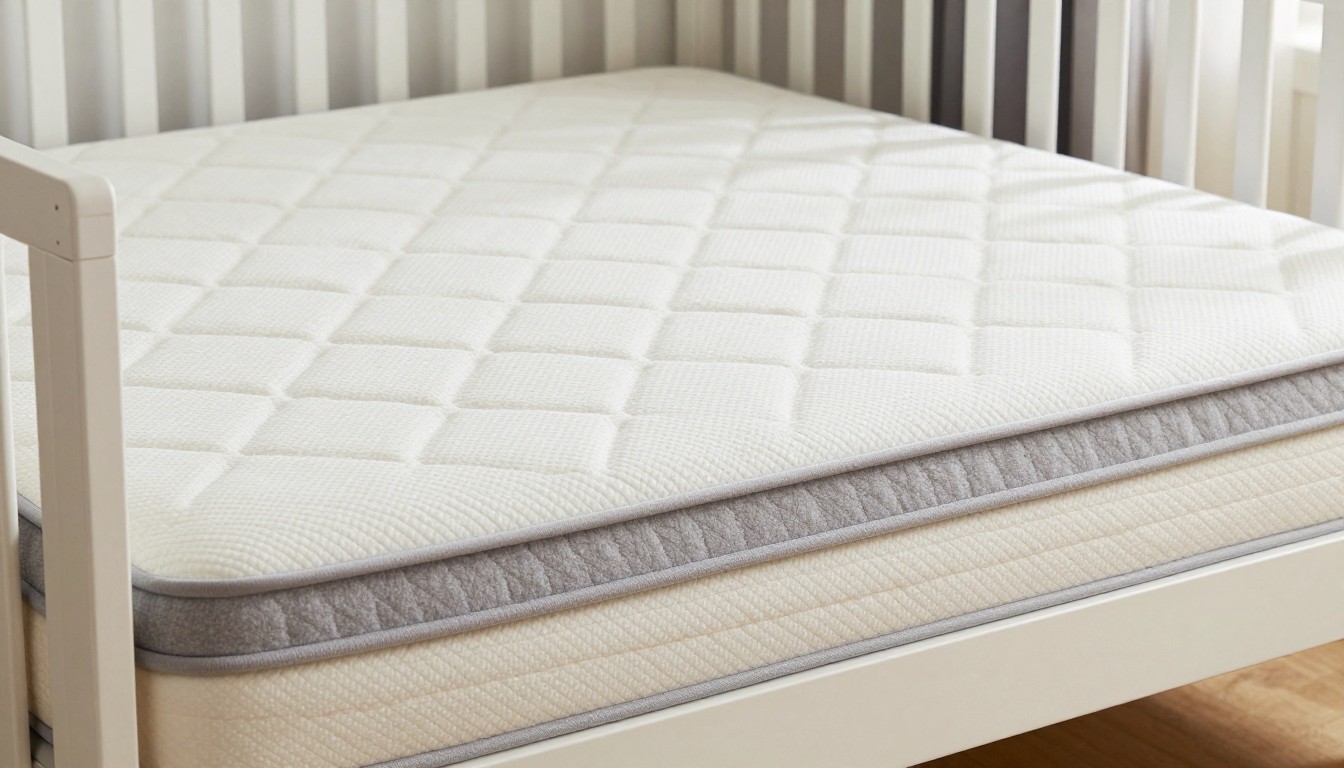
Good news: the mattress is the easy part. Toddler beds are sized for standard crib mattresses, so the mattress your child sleeps on tonight almost certainly fits the bed you're about to buy. If you're fuzzy on how the sizes relate, our breakdown of crib mattress vs toddler mattress clears it up.
The real question is condition, not fit. Press your palm into the center of the mattress. If it feels flat, firm, and springs back, keep using it. If there's a visible body indentation, sagging edges, or a cover that's past saving, replace it. A worn-out mattress undermines the whole point of the new bed.
Firmness still matters. Toddlers don't need an adult-plush surface. A firm, supportive mattress keeps their spine aligned and makes it easier for them to roll and reposition, which they do constantly at this age.
If your current mattress is done, or if you're buying for a first child and want to buy once across both stages, here's my decision: the Saatva Crib is the mattress I'd point you to, a crib mattress sized to serve both the crib years and the toddler-bed years. It sits in the premium tier, so check the current price and construction details on the official site before you commit. Premium crib mattresses earn their price through materials and durability, and this category is one where the build quality genuinely differs between budget and premium options.
Whatever you buy, verify the fit in your specific bed frame the day it arrives. "Standard size" is a category label, and small manufacturing variances between brands are exactly how edge gaps happen.
Making the Transition Stick
The hardware is easy. The hard part is a small person who has just discovered they can leave their bed whenever they want. Your job is to make leaving the bed boring.
Keep everything else identical. Same bedtime, same routine, same room, ideally the bed in the same spot where the crib stood. The frame is the only variable you want changing. Kids anchor hard to routine, and every extra change you pile on top of the new bed makes the adjustment longer.
Let your toddler pick something small, the sheets or a stuffed animal arrangement, so the bed feels like theirs. It costs you nothing and buys real cooperation at bedtime.
"The first week, expect curtain calls. Return them to bed calmly, with minimal conversation, as many times as it takes. Consistency is the entire strategy."
Hold off on the full bedding upgrade at first. Keep loose blankets minimal while your child adjusts, and think about whether they're ready for a pillow at all. Our guide to picking a toddler pillow covers the readiness signs, because a pillow introduced too early is one more loose item in the sleep space.
If you went the floor-bed route, childproof the room as if your toddler will be awake and unsupervised in it, because eventually they will be. Anchor the furniture, cover the outlets, and treat the whole room as the crib.
FAQ
When should I move my child from a crib to a toddler bed?
Move them when they start climbing out, since a fall from the crib rail becomes the bigger risk. Most kids land somewhere between eighteen months and three and a half years, and waiting longer usually makes the transition smoother if the crib is still safely containing them.
Does a crib mattress fit a toddler bed?
Yes. Toddler beds are built for standard crib mattresses, so your current mattress should carry straight over. Check that it fits snugly in the new frame, with no more than a two-finger gap at the edges.
Is a convertible crib better than buying a separate toddler bed?
If you already own a convertible crib, converting it is usually the cheapest and least disruptive path, since the mattress and frame stay the same. A standalone toddler bed makes more sense if your crib is a basic non-converting model or is already spoken for by a younger sibling.
Are Montessori floor beds safe for toddlers?
They eliminate fall risk by removing the height, but they also remove the rails, so there's no rollover protection. They work best for kids ready for real freedom, in a room that's been fully childproofed, furniture anchored and all.
Do toddler beds need guardrails on both sides?
Both sides is the baseline I'd insist on, even if the bed sits against a wall. Toddlers migrate across the mattress in their sleep, and a single rail leaves half the bed unprotected.
The Bottom Line
Switch when the climbing starts, not before. Reuse your crib mattress if it's still firm and fits snugly, pick a low bed with rails on both sides, and keep the bedtime routine boring and consistent for the first couple of weeks. Do that, and the crib-to-toddler-bed move is a weekend project, not a sleep crisis.
FINAL VERDICT
Before you settle: if crib to toddler bed is what brought you here, the Saatva Crib is the value pick on this page — the strongest trial-and-return terms of the options covered here. Confirm current price, dimensions and terms on the official product page before ordering.
OUR CATEGORY-MATCHED PICK
Saatva Crib
- A toddler bed with rails on both sides reuses your crib mattress, and the Saatva Crib is the one I'd buy once for both stages
- Saatva Crib is the mattress I'd point you to, a crib mattress sized to serve both the crib years and the toddler-bed years