 by
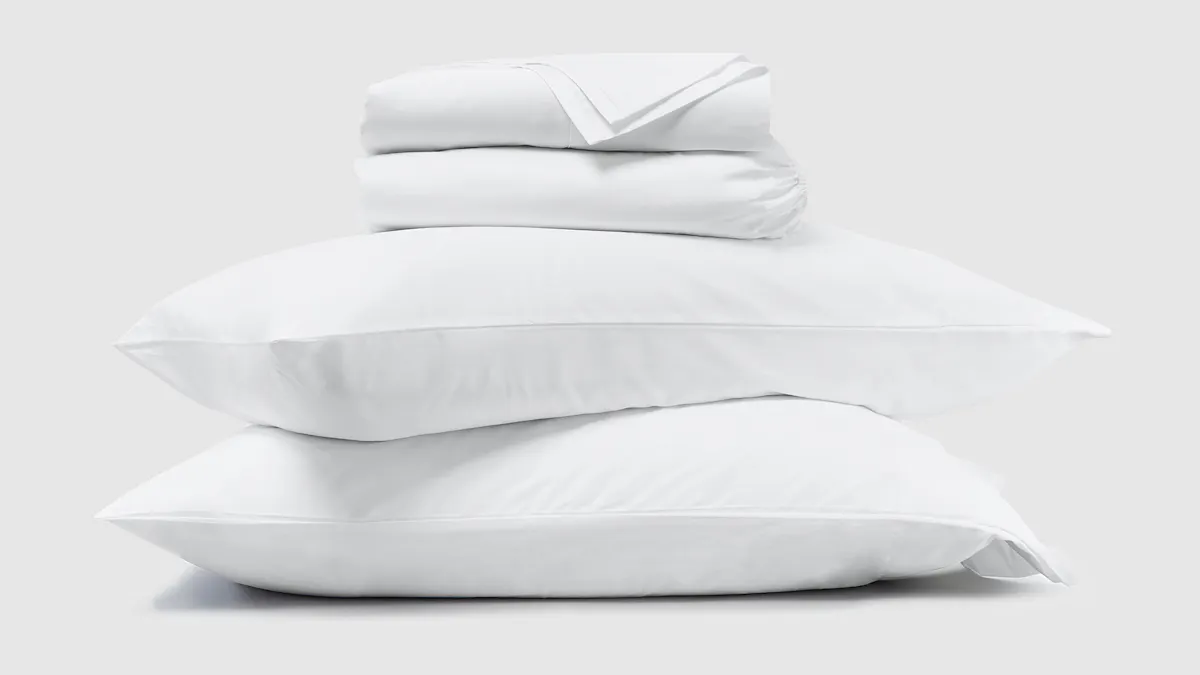
by Quick answer: Hot sleeper? Buy natural fibers in a loose weave. My pick is the Saatva Organic Cotton Sheets: crisp, breathable, premium-tier. Check the current price on the official site.
- Cotton, bamboo viscose, linen, and Tencel consistently rank as the coolest-sleeping fibers across 2026 buyer guides.
- A loose weave and a moderate thread count (roughly 200–400) move more air than any dense, high-TC sheet.
- Most cooling sets are machine washable, but pocket depth and corner elastic vary, so check fit against your mattress height.
Updated July 2026 · Reviewed for accuracy
Most sheets sold as "cooling" aren't. I've spent a decade pulling apart bedding materials, and the gap between a sheet that genuinely sleeps cool and one that just says so on the packaging comes down to two boring variables: fiber and weave. Get those right and almost anything on the bed works. Get them wrong and no marketing buzzword saves you. This review breaks down both, compares the four fibers worth your money, and ends with what I'd actually put on my own bed.
Start with the fiber, not the label
Four fibers show up on every credible cool-sheet roundup published in 2026: cotton, bamboo viscose, linen, and Tencel. That short list isn't a coincidence. Each one either breathes well, moves moisture away from skin, or both, and expert-tested roundups keep reaching the same conclusion: breathable natural fibers sleep coolest, full stop.
Cotton is the default for a reason. It breathes, it launders well, and in a plain weave it has that crisp, cool hand most people picture when they think of great sheets. Long-staple cottons feel smoother and hold up longer, which matters because a sheet that pills and thickens over time sleeps warmer every year you own it.
Bamboo viscose (you'll see it listed as "viscose from bamboo") is the silky, drapey option. It transfers moisture fast, which is why sweaty sleepers tend to love it. The trade-off is a softer, less crisp feel and a bit more care needed in the wash.
Linen is the airflow king. Flax fibers are naturally hollow and the weave sits open, so heat has somewhere to go. It feels textured out of the package and softens over many washes. If you run truly hot and don't mind a relaxed, slightly rumpled look, linen is hard to beat.
Tencel rounds out the list: smooth, cool to the touch, and strong on moisture-wicking. It drapes like bamboo viscose but with a slightly drier hand.
The Nut's warning: polyester microfiber is the budget aisle's trap. It feels soft in the package, but the tight synthetic weave holds heat and humidity against your skin. If you sleep hot, skip it no matter how cheap the set is.
Weave and thread count: the numbers that matter
Thread count is the most abused spec in bedding. Buyer guides and expert roundups in 2026 keep landing on the same band, roughly 200 to 400 TC, as the breathable sweet spot. Past that, yarns get packed tighter, the fabric gets denser, and airflow drops. A sky-high thread count is often a hotter sheet wearing a fancier price tag.
Weave matters as much as count. Percale is a plain one-over, one-under weave: matte, crisp, and airy, with the cool hotel-sheet feel most hot sleepers are chasing. It's a big part of why hotel sheets feel so comfortable against your skin. Sateen runs a four-over, one-under structure: silkier and heavier, with a subtle sheen, but the denser weave holds more warmth. If you sleep hot, percale is usually the right call; sateen suits sleepers who want drape and softness over maximum cool.
- Percale: plain weave, matte finish, crisp hand, the coolest cotton option.
- Sateen: denser weave, silkier feel, sleeps a touch warmer.
- Linen weave: naturally open structure, maximum airflow, textured feel.
- Thread count: roughly 200–400 is the breathable band cited across 2026 buyer guides; denser isn't cooler.
One nuance from consumer-focused reviews: blends can dilute performance. A cotton-poly blend may feel fine on day one, but the synthetic content changes how the fabric handles moisture. If cooling is the priority, single-fiber natural sheets are the safer bet.
Comparing options? The Saatva Organic Cotton Sheets is the pick we keep coming back to — see the final verdict ↓
Cotton vs bamboo vs linen vs Tencel
Each of the four cool-sleeping fibers wins somewhere and loses somewhere. Here's the honest side-by-side, based on how 2026 buyer guides and owner feedback characterize them:
| Fiber | Cooling | Feel | Moisture handling | Best for |
|---|---|---|---|---|
| Cotton percale | Excellent airflow | Crisp, matte | Good | Most hot sleepers |
| Bamboo viscose | Very good | Silky, drapey | Excellent | Sweaty sleepers |
| Linen | Maximum airflow | Textured, relaxed | Very good, dries fast | Truly hot sleepers |
| Tencel | Very good, cool to touch | Smooth, soft | Excellent | Sensitive skin |
On cost, buyer guides peg the strongest cool-sheet picks across a wide spread, from genuinely budget-friendly sets up into the premium tier, depending on fiber, size, and brand. Premium bamboo and high-quality cotton sets sit at the top of that spread, and some exceed it. My advice: treat anything dramatically cheap with suspicion, because cooling performance lives in the fiber, and good fiber costs money. Always check the current price before you commit, since sheet pricing moves around constantly.
Fit, pocket depth, and care: where good sheets go wrong
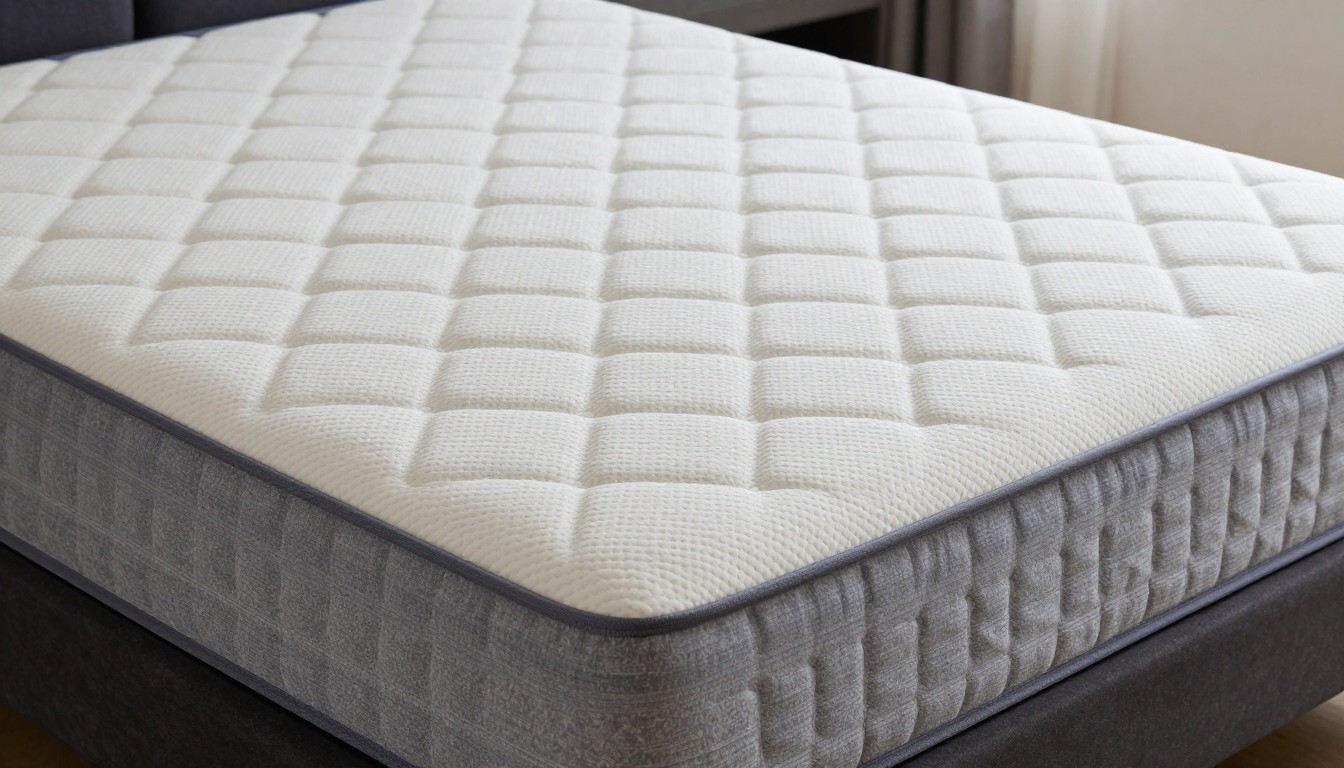
A cooling sheet that pops off the corner at 3 a.m. is just a hot sheet with good PR. Roundups of 2026's top sets flag fit as one of the most common complaints in owner feedback, and the details vary more than shoppers expect. Some sets only fit mattresses up to a certain height, pocket depth differs brand to brand, and corner elastic quality ranges from flimsy to genuinely secure. Measure your mattress, topper included, before you order anything. If you run an adjustable base, look for split-king options, which several top-rated sets now offer.
Care is simpler than the care labels make it look. Nearly every cooling set on the market is machine washable, and the guidance aggregated across buyer guides comes down to a few habits: follow the manufacturer's instructions, wash before first use, and keep dryer heat moderate. Excessive heat is the enemy of both softness and moisture-wicking performance, and it shortens the life of natural fibers that would otherwise serve you for years.
"Buy the fiber first, the weave second, and the color last. Nobody ever woke up sweating because their sheets were the wrong shade of gray."
On that note, there's a reason hotels standardize on white cotton and wash it hard and often: it survives the laundering that keeps bedding genuinely fresh. I broke down why hotels use white sheets separately, and the same logic applies at home. Natural fibers launder better, stay cooler, and age more gracefully than synthetics when you actually wash them regularly.
What I'd put on my own bed
For most hot sleepers, crisp organic cotton in a breathable weave is the sweet spot: coolest feel, easiest care, longest life. That's why my pick is the Saatva Organic Cotton Sheets. The fiber choice is exactly right for warm sleepers, the hand is crisp rather than clingy, and the brand has built its reputation on quality bedding rather than marketing gimmicks. It sits in the premium tier, so check the current offer on the official site before buying.
That said, match the sheet to your specific problem. If you wake up sweaty rather than merely warm, bamboo viscose or Tencel moves moisture off skin faster. If you want the absolute maximum airflow and don't mind texture, linen wins. And if your mattress itself sleeps hot, no sheet fully fixes that on its own. A breathable layer underneath, like one of the wool mattress pads that sleep cool, does more for temperature regulation than any thread-count upgrade ever will.
The bottom line
Cool sheets aren't magic, they're materials science. Pick a natural fiber that breathes, cotton, bamboo viscose, linen, or Tencel. Choose a loose weave or a moderate thread count instead of chasing big numbers. Confirm the pocket depth fits your mattress, wash the set before you use it, and go easy on the dryer heat. Do those four things and cool sleep follows. Chase the word "cooling" on a package instead, and you'll be kicking the covers off by midnight.
FAQ
What are the coolest sheets for hot sleepers?
Natural fibers, according to every major 2026 buyer guide: cotton percale, bamboo viscose, linen, and Tencel. Pair the fiber with a loose weave and a moderate thread count and you have the coolest-sleeping combination available.
Is percale or sateen better for cooling?
Percale. Its plain one-over, one-under weave lets air move freely through the fabric. Sateen's denser structure feels silkier but holds more warmth, so hot sleepers should usually choose percale.
Do bamboo sheets really keep you cool?
Yes. Viscose from bamboo breathes well and moves moisture away from skin quickly, which is why sweaty sleepers rate it highly in owner feedback. Quality varies between brands, though, so judge the weave and the maker's transparency, not the word "bamboo" alone.
Does a higher thread count mean hotter sheets?
Usually, once you pass the moderate range. Buyer guides point to roughly 200–400 TC as the breathable band. Above that, the fabric gets denser and airflow drops, no matter how premium the packaging sounds.
How do I care for cooling sheets so they keep working?
Machine wash them according to the manufacturer's instructions, wash before first use, and avoid excessive dryer heat. Care guidance aggregated across 2026 roundups notes that high heat degrades both softness and moisture-wicking over time.
FINAL VERDICT
Before you settle: if cool sheets is what brought you here, the Saatva Organic Cotton Sheets is the value pick on this page — the strongest trial-and-return terms of the options covered here. Confirm current price, dimensions and terms on the official product page before ordering.
OUR CATEGORY-MATCHED PICK
Saatva Organic Cotton Sheets
- My pick is the Saatva Organic Cotton Sheets: crisp, breathable, premium-tier
- That's why my pick is the Saatva Organic Cotton Sheets