 by
by *Cooling organic bedding for menopause night sweats gave me a calmer, drier bed than the pile of synthetic blankets I’d been fighting at 3 a.m. I didn’t fix every restless night, but I stopped waking up tangled in hot fabric and immediately throwing the covers on the floor.
My bedroom had become a strange compromise. The window stayed cracked, the fan hummed, and I still kept a spare T-shirt on the dresser. Not glamorous.
And I was tired of buying bedding that felt soft for one wash, then trapped heat like plastic wrap.
The night I finally admitted my bed was the problem
I’d blamed everything except the bed. Stress.

Hormones. The weather.
My old mattress had a faint factory smell that never quite left, and its foam surface held warmth long after I rolled away from it.
But one night, after kicking off the duvet for the third time, I sat on the edge of the bed and decided I wasn’t going to keep decorating around a sleep problem. I wanted a non toxic bedroom that felt peaceful, not a display room full of beige things I was too warm to enjoy.
I’m opinionated about this now: if your sheets feel slick or clammy, no pretty bedside lamp will make the room restful. Start with the surface your skin touches. Everything else can wait.
I stripped back the synthetic layers first
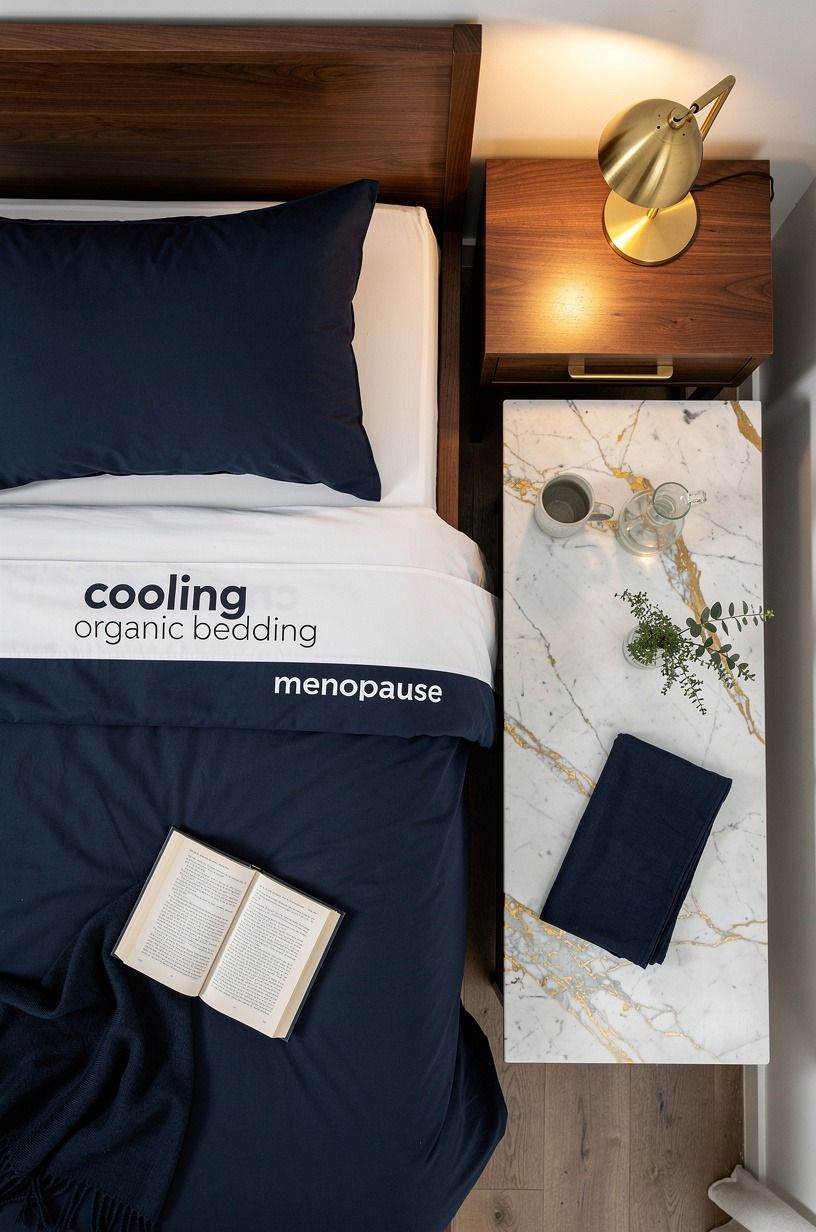
The first change cost nothing, which I liked. I removed the fleece throw, the polyester quilt, and two decorative pillows that spent more time on the floor than on the bed. My bed looked almost bare for a day.
And it was better.
I kept one lightweight blanket at the foot, folded instead of tucked in, so I could reach it when the room cooled near morning. I also stopped making the bed with military corners. I know that sounds tiny, but a loose, breathable layer gave me room to move without waking fully.
My version of a sanctuary bedroom isn’t precious. Soft air.
A clear path to the window. One glass of water on the nightstand. I’d skip a heavy “hotel” comforter every time if you tend to sleep warm.
It photographs well, sure, but it made my body feel pinned down.
The Percale Sheet Set changed the first five minutes of bed
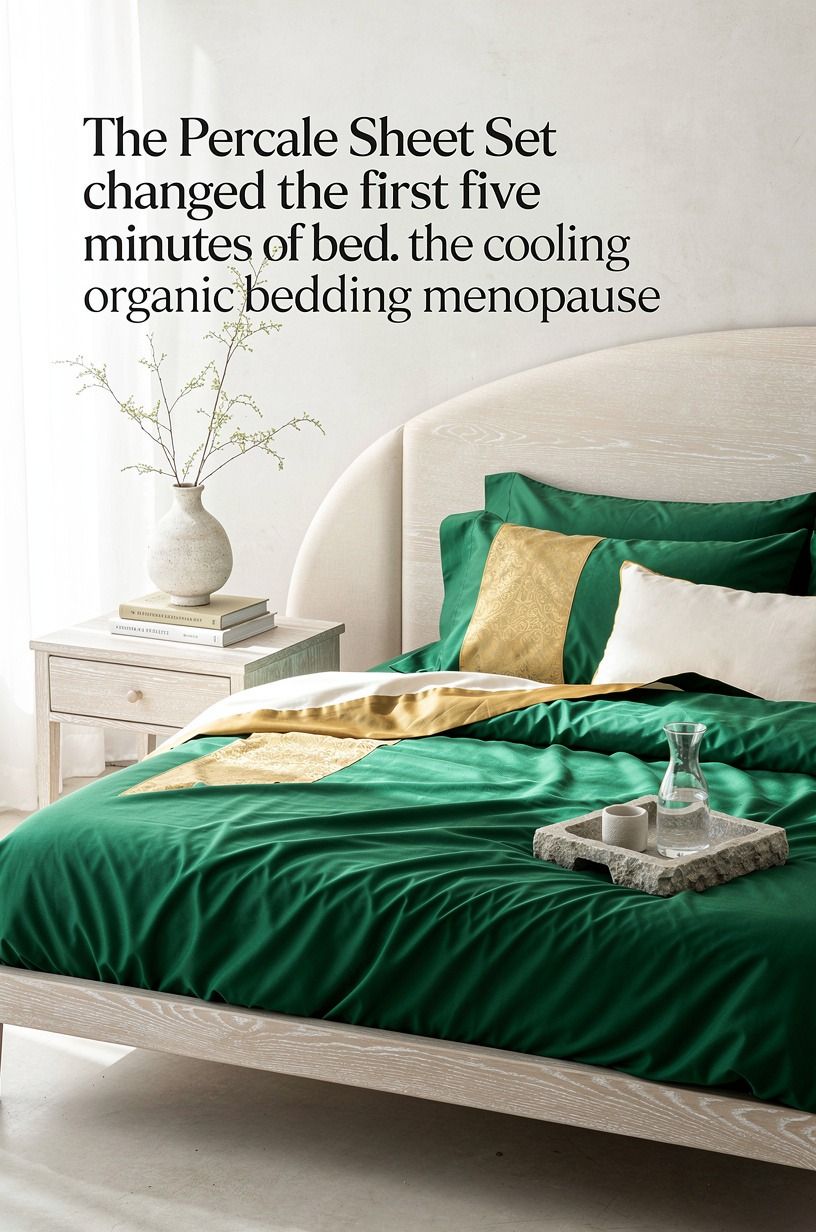
I chose the Percale Sheet Set because I wanted crisp sheets, not slippery ones. The texture felt cool against my legs from the first night, almost like getting into a freshly made guest bed, except I could stay there.
I wasn’t sure I’d like the slight rustle at first. For two weeks, I missed the buttery softness of my old sheets. But then I noticed I wasn’t waking up with fabric stuck to my back, and I stopped missing it.
This was my strongest preference in the whole switch: I’d take breathable and a little structured over silky and heat-holding. Every time.
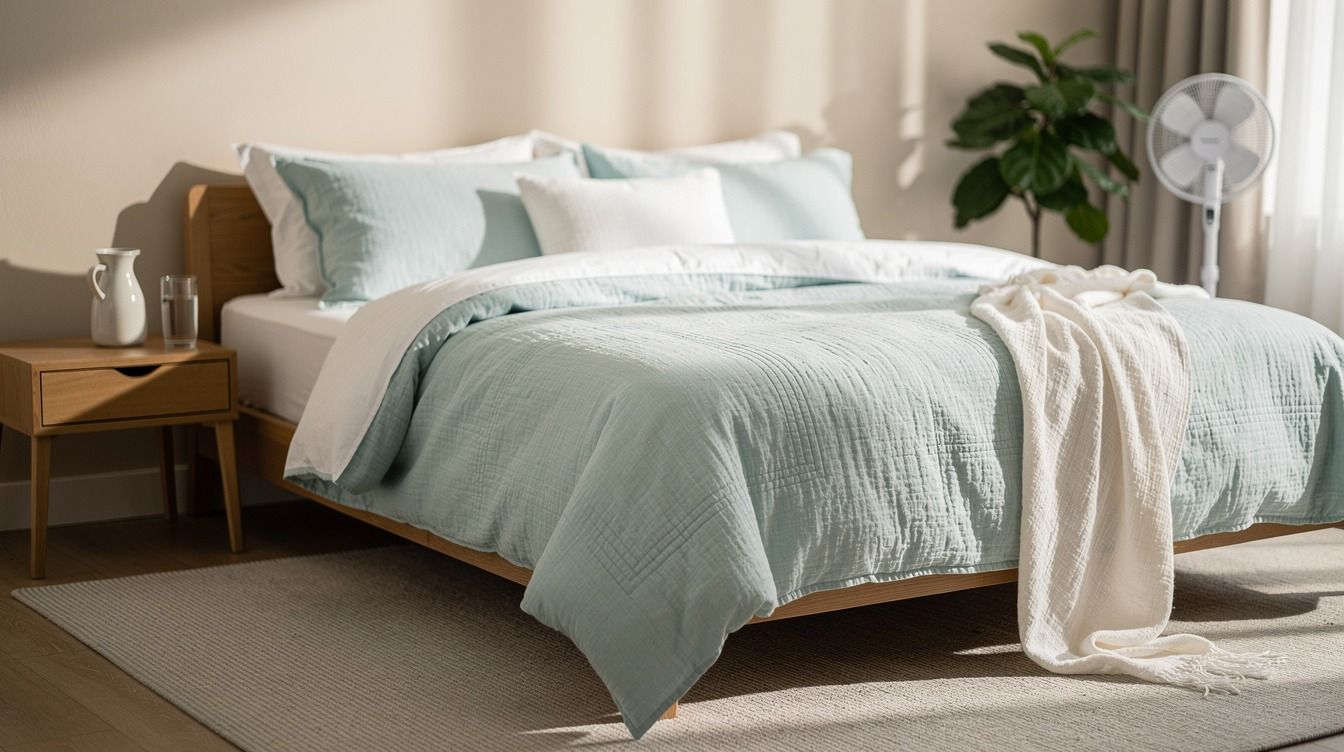
A cozy bedroom with green bedding can still feel inviting without being buried under plush layers. Mine has a muted olive cover folded low, with the percale left visible around the pillows.
And yes, I wash the sheets more often now. Worth the laundry basket.
I replaced the mattress instead of layering another topper
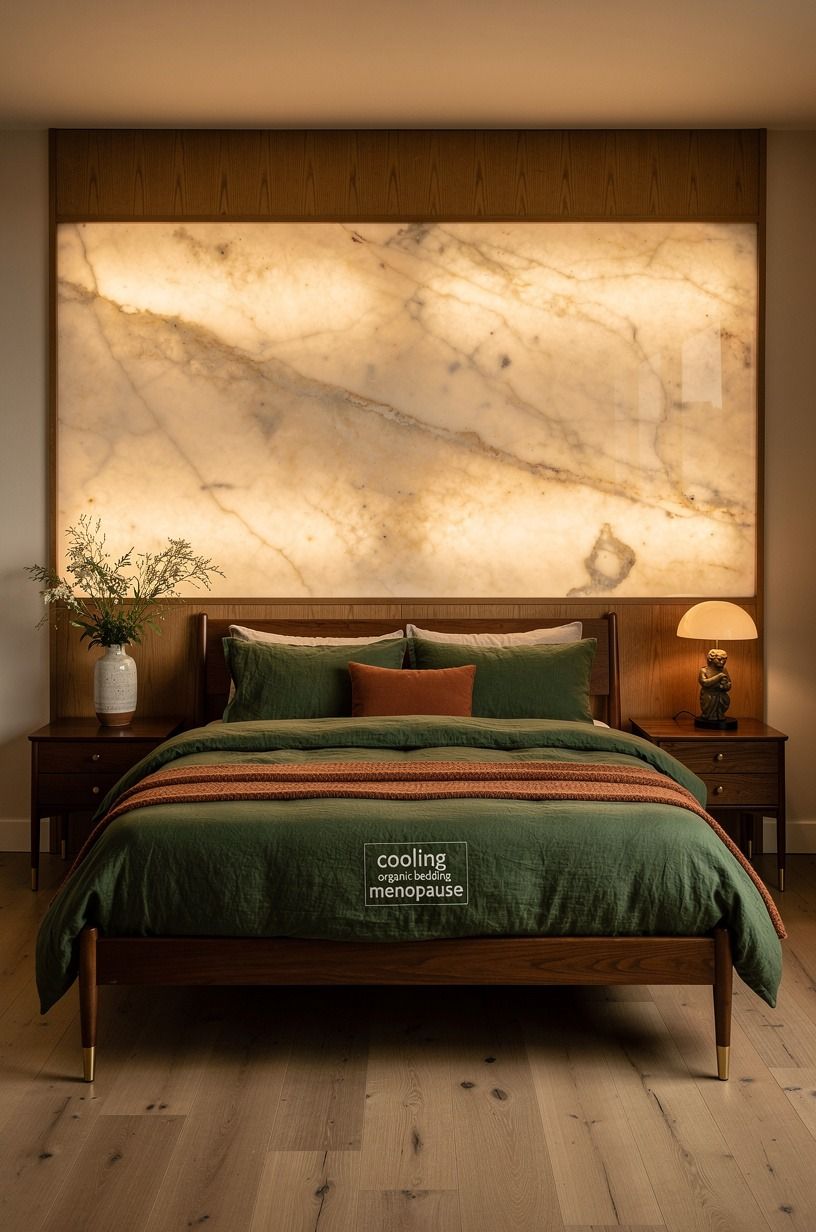
I spent too long trying to solve a sagging, warm mattress with add-ons. Mattress topper, cooling cover, folded blanket, then another cover. It became a soft little mountain, and I hated it.
The Saatva Latex Hybrid was the bigger decision because I couldn’t pretend it was just bedroom decor. I wanted a bed that felt supportive without that slow, engulfing foam feeling. For me, the latex surface felt more responsive, and the room no longer carried that plastic-ish mattress smell.
But I should say this plainly: a new mattress isn’t a medical answer to menopause symptoms, and I don’t think bedding replaces a conversation with your doctor if night sweats are disrupting your health. It’s what worked for my comfort. My sleep felt less interrupted, which made the next day easier.
I’d still choose this route again. I just wish I had stopped trying to rescue my old mattress sooner. Sometimes the cheapest-looking choice becomes the expensive one because you keep adding fixes.
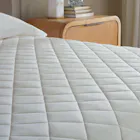
The Piece My Whole Bedroom Is Built Around
Natural materials, a 365-night home trial, free white glove delivery. Decide in your own room, not a showroom.
The Organic Mattress Pad was my cautious final layer
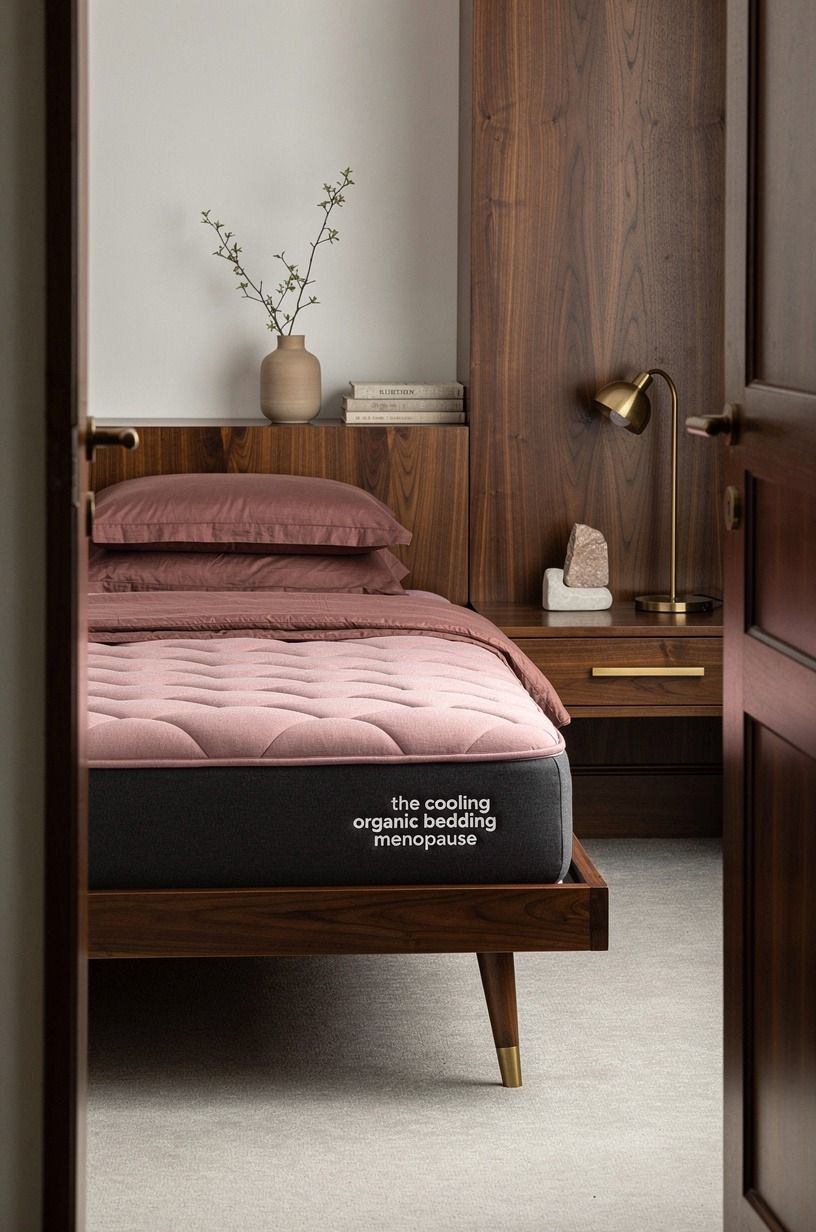
I hesitated over the Organic Mattress Pad. I worried it would undo the cooler feel I’d just worked for, and I almost sent it back before giving it a proper chance.
But it added a thin buffer without turning the bed into a marshmallow. That mattered because I wanted the mattress to feel clean and comfortable, while still letting the sheet do most of the temperature work.
A little softness. Not a cloud.
I’m fussy about this: I don’t think every bed needs a pad. If you love the feel of your mattress as-is, leave it alone. Mine needed the extra washable layer, especially after too many nights of waking damp and annoyed.
And the pad made changing the bed feel less fraught. That sounds dramatic, maybe. Yet knowing there was one easy layer between me and the mattress made the room feel more manageable at midnight.
I made the room cooler without making it look cold
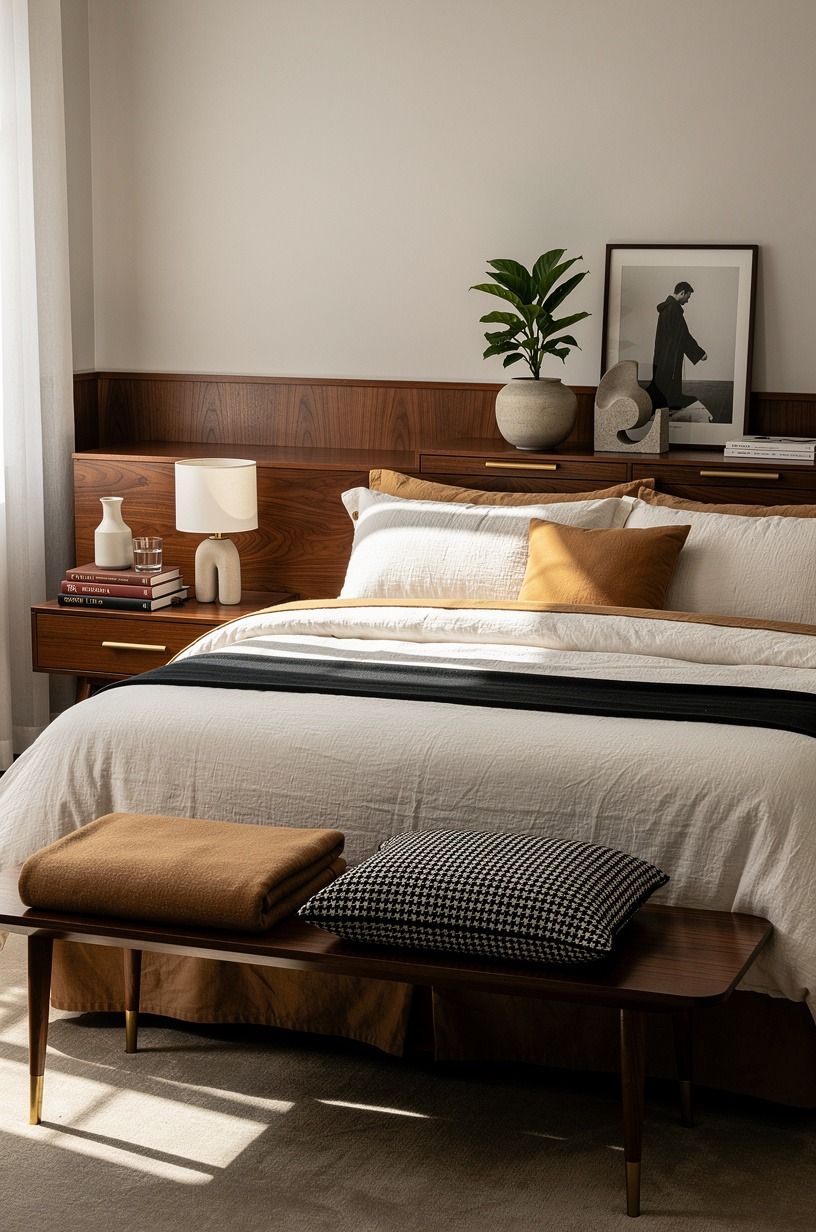
Once the bed worked better, I could see the bedroom clearly again. I painted the walls Benjamin Moore White Dove OC-17, a warm white that didn’t turn blue under the lamp. I’d considered a darker green, but my room gets weak morning light, and I knew I’d resent anything that felt moody before coffee.
The room needed three light sources, so I kept the ceiling fixture, added a reading lamp, and used a small amber bedside light. No bright bulb pointed at my face. Please.
I also moved the art so its center landed around 57 to 60 inches from the floor, which made the wall look settled instead of randomly decorated. My natural home decor choices stayed simple: a small oak frame, a cotton curtain panel, one plant that has somehow survived me.
Not too much. That was the whole point.
What I’d do differently after living with it
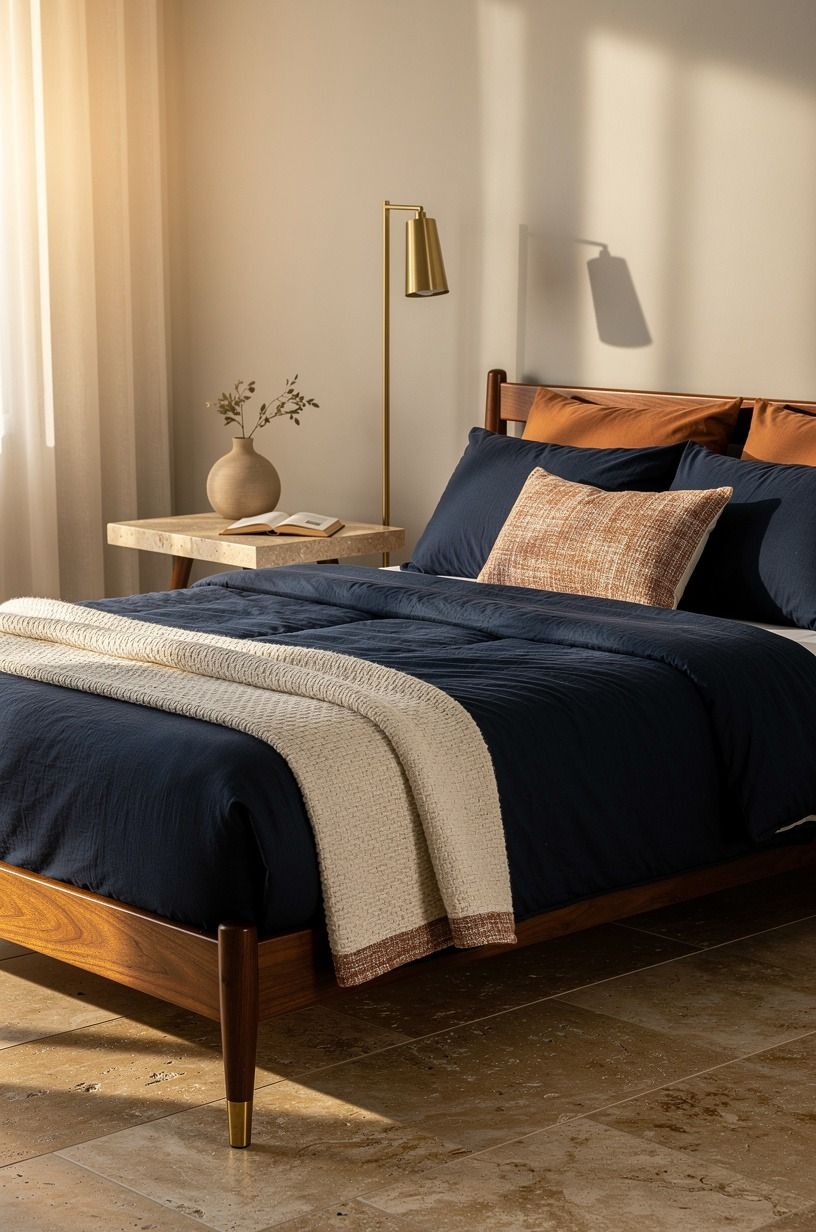
I’d buy fewer backup blankets. I kept thinking I needed options, but too many layers made the bed feel confusing when I woke hot. One breathable sheet set, one light blanket, and a cover I can fold down has been enough.
I’d also skip buying anything labeled “cooling” without checking what it’s made from. I learned that a bold label doesn’t tell me how a fabric will feel at 3 a.m. I prefer natural fibers against my skin, even if they wrinkle and look less showroom-perfect.
But I don’t want to oversell it. I still have warm nights.
I still wake sometimes. The difference is that I’m no longer angry at my bed when it happens, and that’s a bigger relief than I expected.
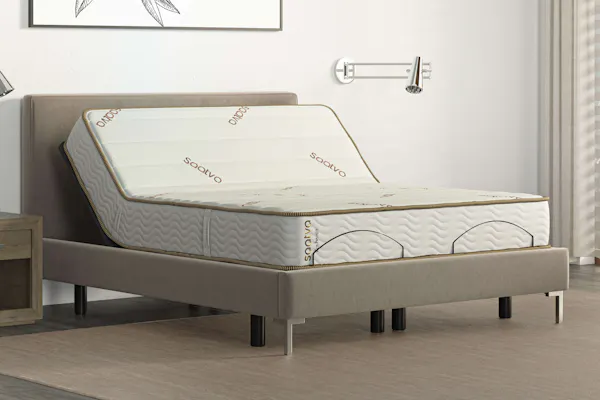 My pick for a healthier bedroomZenhavenTalalay latex, organic cotton, 365-night trial, lifetime warranty, free white glove delivery.See the Zenhaven
Build Your Own Healthier Bedroom
Sale pricing runs on orders over $1,000, and the 365-night trial gives you a full year of nights to be sure.
Where I’d start if your nights feel too hot
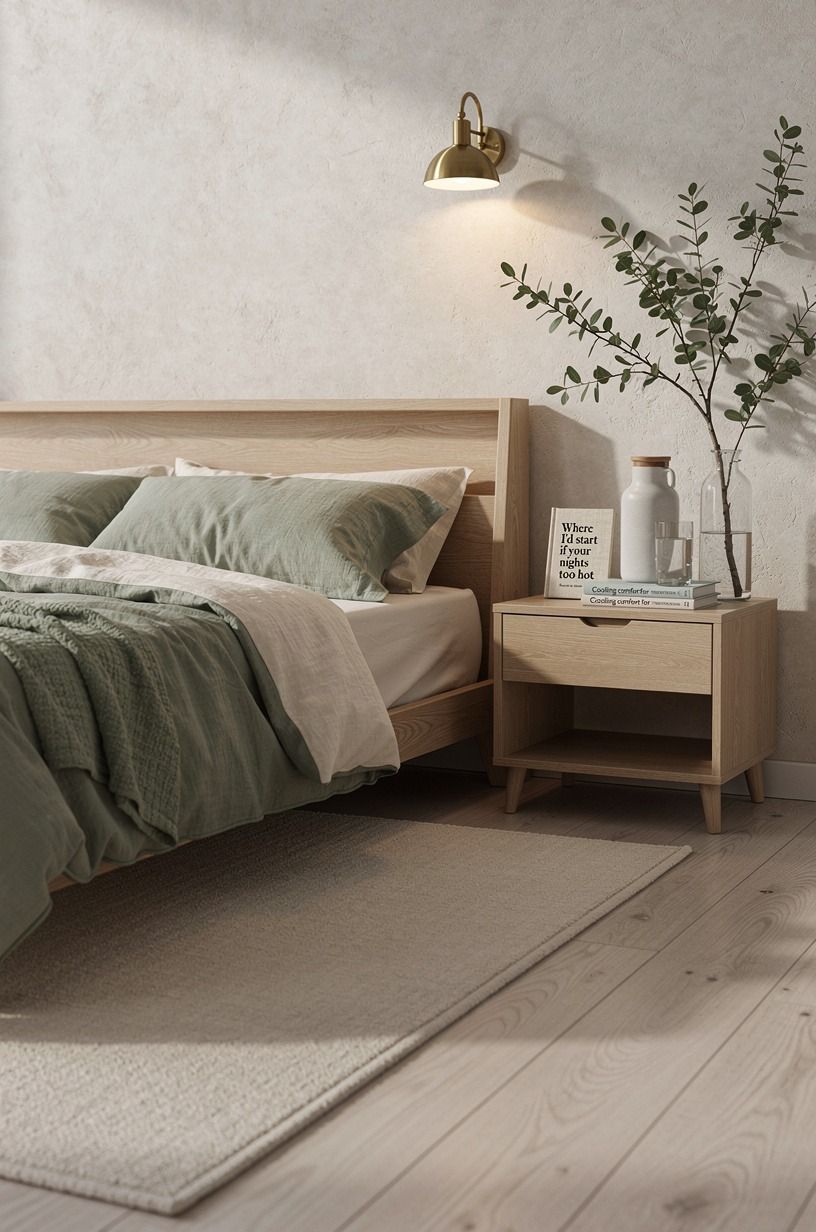
If I had to pick one, I’d start with breathable percale sheets. You can’t sleep around fabric that clings and traps warmth, no matter how lovely the rest of your room looks. Start there.
My side of the bed now has a rumpled olive cover, cool white sheets, and one glass of water catching the lamp’s low amber light.