 by
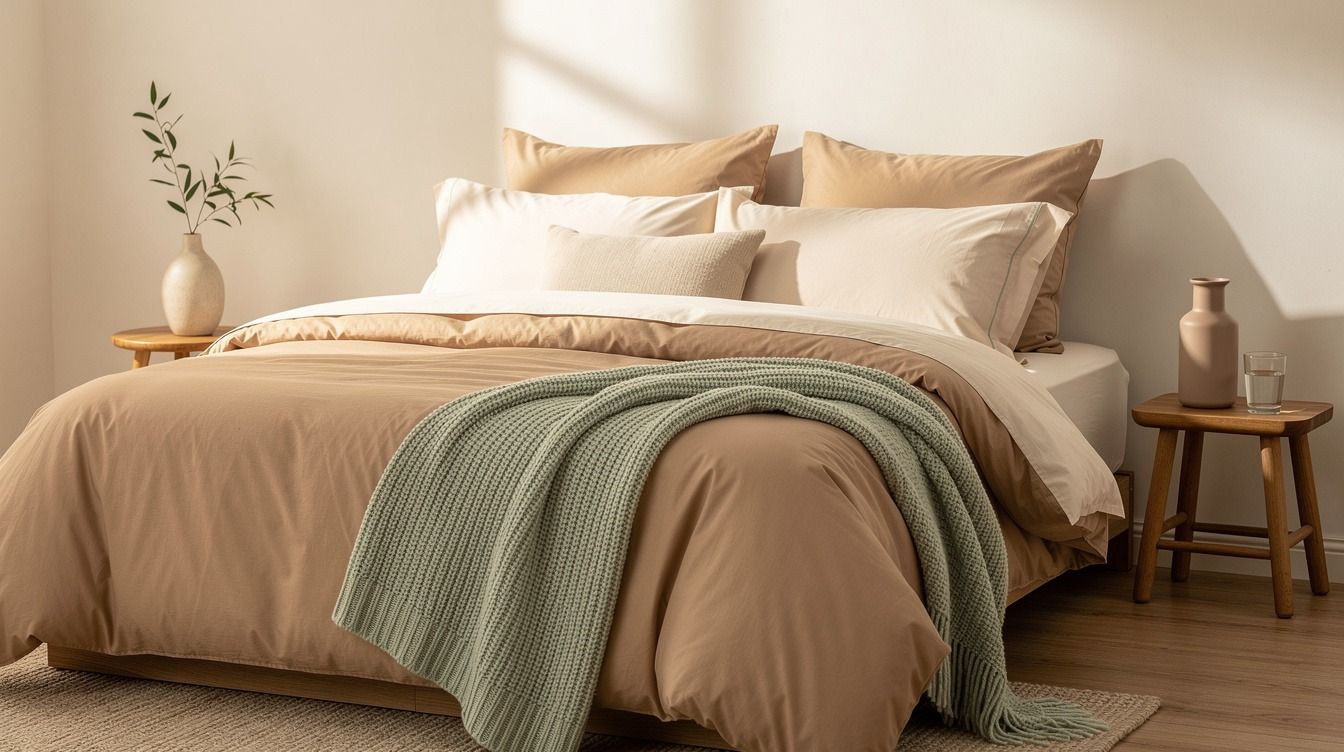
by Eczema-friendly bedding setup was the first thing I changed after too many 3 a.m. wake-ups in my own bedroom, hot, itchy, and annoyed at the sheets twisted around my legs.
My room wasn’t dirty or dramatic. It just had a plasticky-smelling mattress, scratchy old bedding, and a pile of blankets I kept adding because I thought more softness would help.
It didn’t. So I gave myself one rule: fewer layers, gentler materials, and no pretending my bedroom had to look clinical to feel better.
The Night I Stopped Blaming the Weather
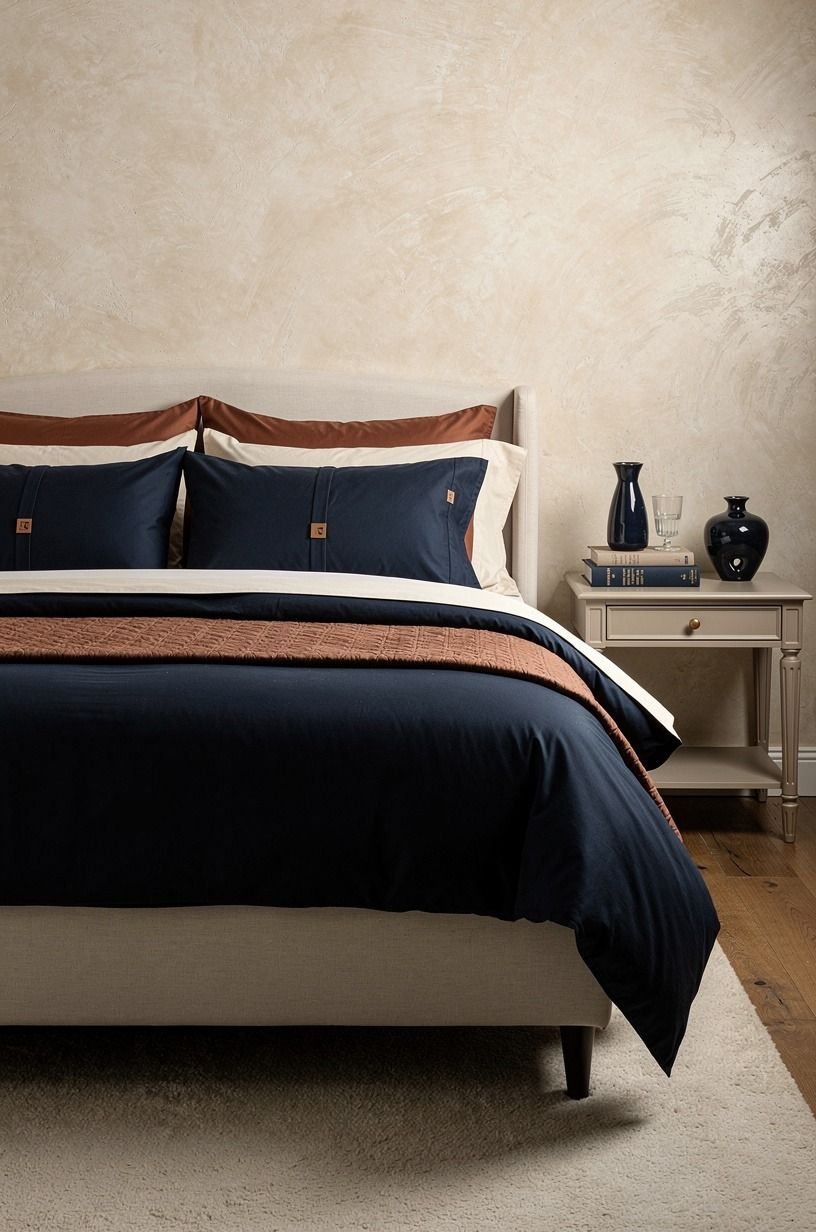
The real turning point came after I washed everything, opened the window, and still felt uncomfortable by bedtime. I’d blamed dry air, laundry detergent, stress, even the cat.


Maybe all of it played a part. But I also knew I was sleeping under bedding I didn’t enjoy touching.
I wanted a healthy bedroom that still felt like mine, not a beige waiting room. I’m picky about a bed looking warm and lived-in, and I think that matters when you’re trying to rest. Your room shouldn’t make you dread getting under the covers.
And no, this isn’t medical advice. This is simply what changed things for me, and I’d talk with a doctor if your skin concerns are persistent or severe.
I Stripped the Bed Back to Its Quietest Version
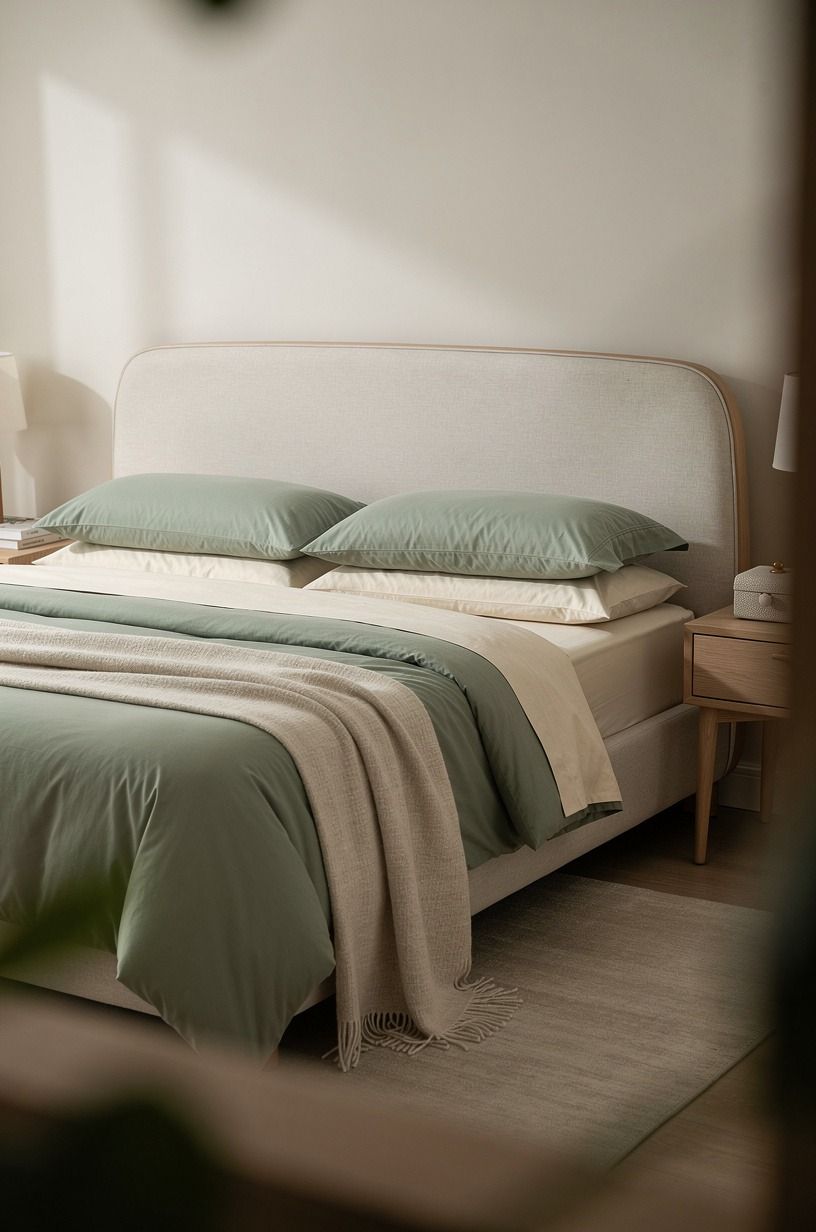
First, I removed the extra throw blankets and the decorative cover that never stayed put. My bed looked almost bare. Good.
I chose Organic Cotton Sheets because I wanted a plain, breathable base that didn’t feel slick against my arms. I’d skip anything overly silky for this particular job, even if it photographs well, because I personally found that trapped, slippery feeling irritating when I was already warm. Cotton felt calmer.
Less fussy.
But the biggest visual surprise was how inviting the room looked with fewer competing textures. One soft fitted sheet, two pillows, a simple cover.
That was enough. If you’re deciding between fabrics, this comparison of viscose versus cotton bedding helped me think past the marketing words.
I Chose Warmth Without the Heavy Pile
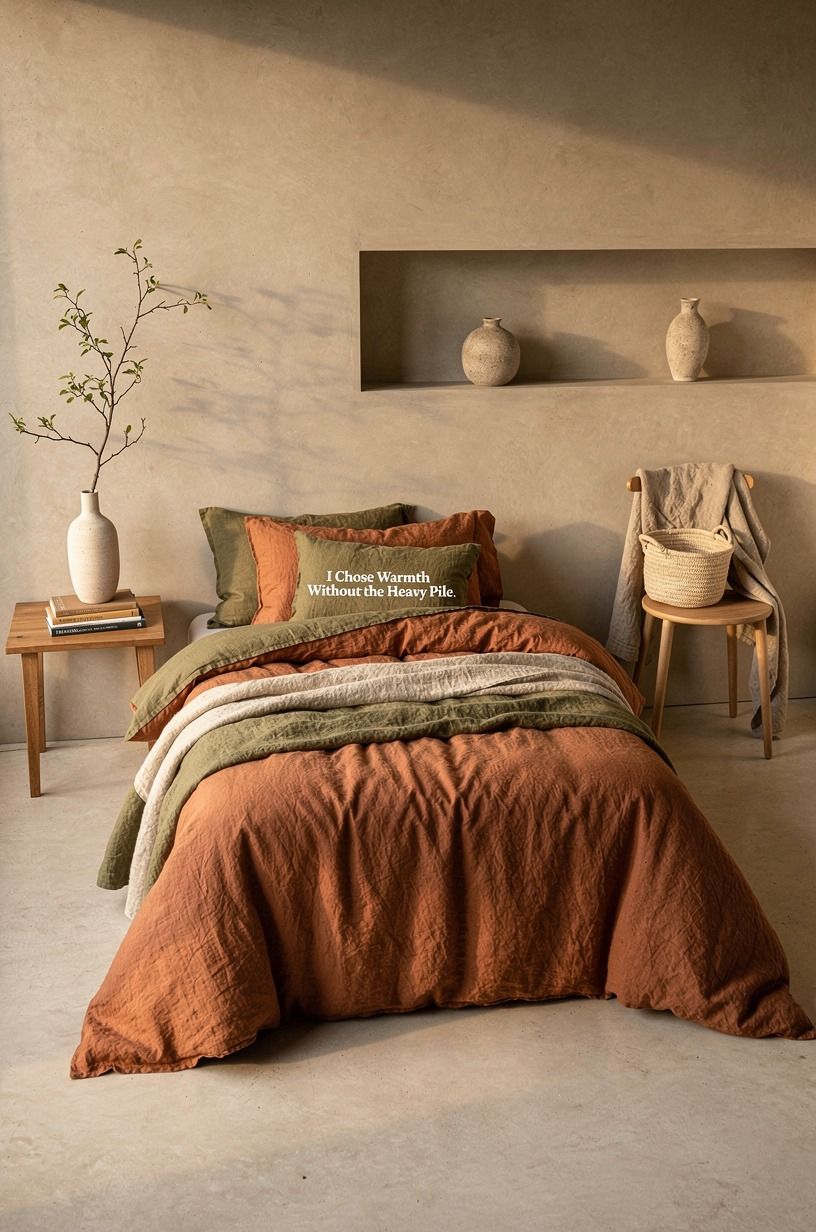
I used to think a comforter had to be dense and weighty to feel comforting. I was wrong. Mine had become a heat trap by midnight, and I kept kicking it down to my knees.
The Down Alternative Comforter was my reset. I liked that it gave the bed a cloudlike shape without making the whole thing feel overly precious.
I wasn’t sure it would have enough presence, though. For the first two weeks, I missed the heavy drape of my old comforter.
Then I noticed I wasn’t waking up sweaty. That won me over.
I’d choose this route again, especially if you want a soft and cozy aesthetic without building a mountain of bedding. For anyone comparing fill types, the site’s down alternative bedding guide is a useful next read. My opinion is simple: I’d rather adjust one light layer than wrestle with one bulky one.
The Velvet Layer That Made It Feel Like My Room Again
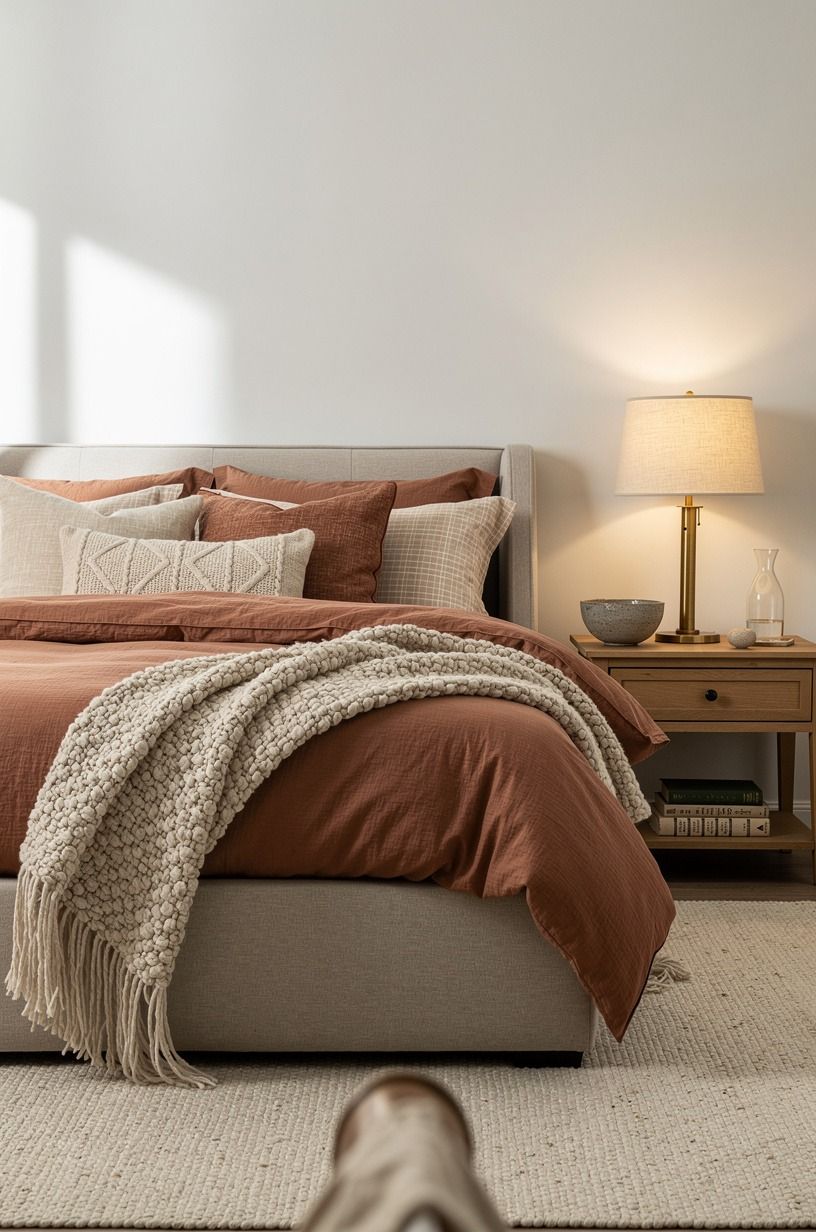
A bed can be gentle without looking bland. I cared about that more than I expected.
I folded an Organic Velvet Quilt across the lower third of the bed, not all the way to the pillows. It added an earthy, slightly moody finish against my pale walls, and the fabric caught the late-afternoon light in a way that made the room feel settled. I chose a muted color rather than bright white because white bedding looks fresh for about five minutes in my house.
And I didn’t use it every night. That’s my honest concession. On warmer evenings, it lived on the chair by the window, which was fine because it made the room look more intimate anyway.
I’ve learned that a bedroom doesn’t need six decorative layers to look intentional. It needs one thing with a little personality. This was mine.


The Piece My Whole Bedroom Is Built Around
Natural materials, a 365-night home trial, free white glove delivery. Decide in your own room, not a showroom.
I Replaced the Pillow That Kept Ruining the Whole Bed
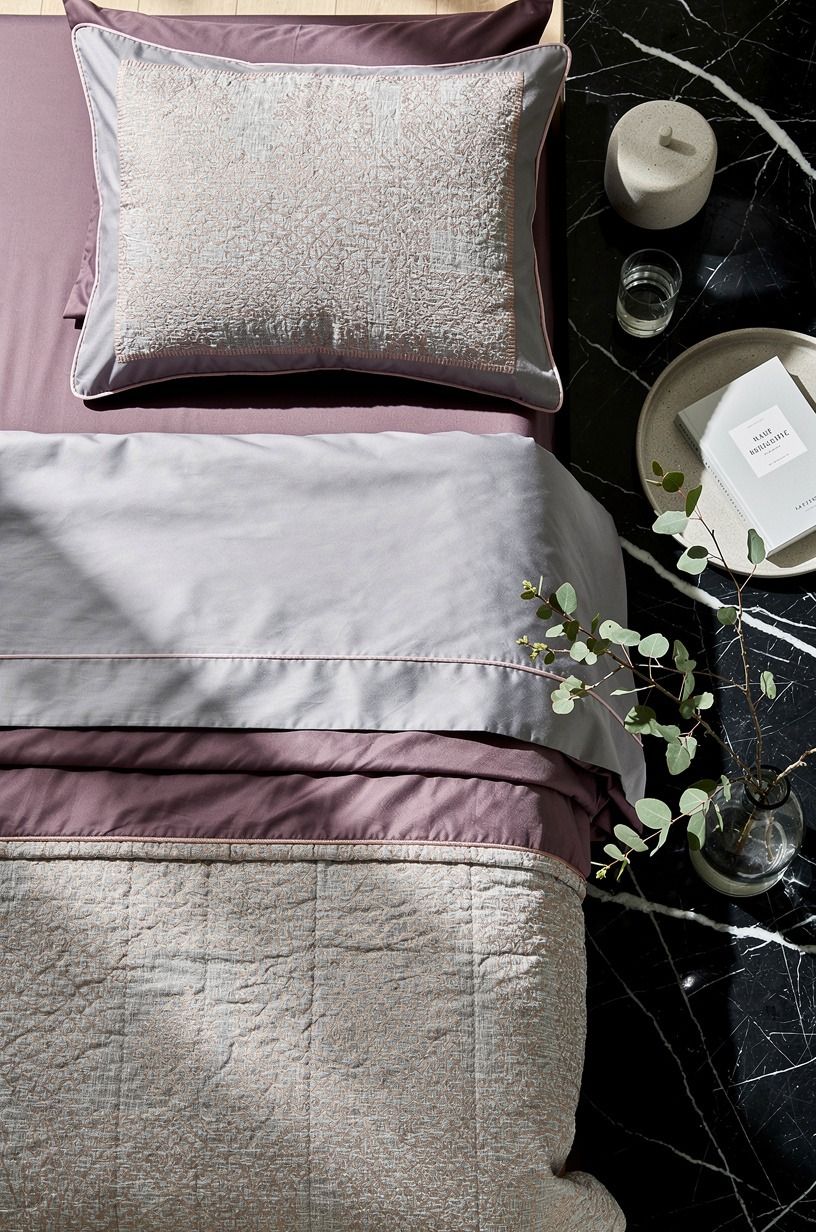
The pillow situation was embarrassingly overdue. Mine had flattened into a sad little pancake, and I’d been folding it in half rather than admitting defeat. Not ideal.
I brought in an Organic Quilted Pillow and immediately liked the way it filled out the pillowcase without looking stiff. I don’t think every bed needs matching pillows, but I do think your sleep pillow should support your actual routine, not your Pinterest photo. Mine gets read against, leaned on, and occasionally stolen by the cat.
But here’s the reserve: a new pillow can feel unfamiliar at first, even if it’s better made. I had to give it time. If you’re comparing shapes and fills, I found the cooling gusseted pillow review helpful while I was narrowing down what I wanted.
Small change. Huge relief.
I Made the Room Look Softer Without Adding More Bedding

Once the bed itself felt better, I noticed the rest of the room was working against it. A harsh overhead bulb, gray walls that looked colder after sunset, and a framed print hung too high.
I switched the lamp on before bed and stopped relying on the ceiling fixture. Three sources of light in a room can make a real difference: overhead, task, ambient. I’m convinced bedrooms need that softer pool of light, especially when you want an eco friendly bedroom to feel relaxing rather than performative.
I also repainted one wall with Benjamin Moore White Dove OC-17, which made the bedding look warmer without turning the room yellow. I’d choose it over a chilly gray every time for a sleep space. The room finally had some softness around the bed, not just on it.
A lamp glow. The quilt on the chair. Clean floorboards.
What I’d Do Differently Next Time
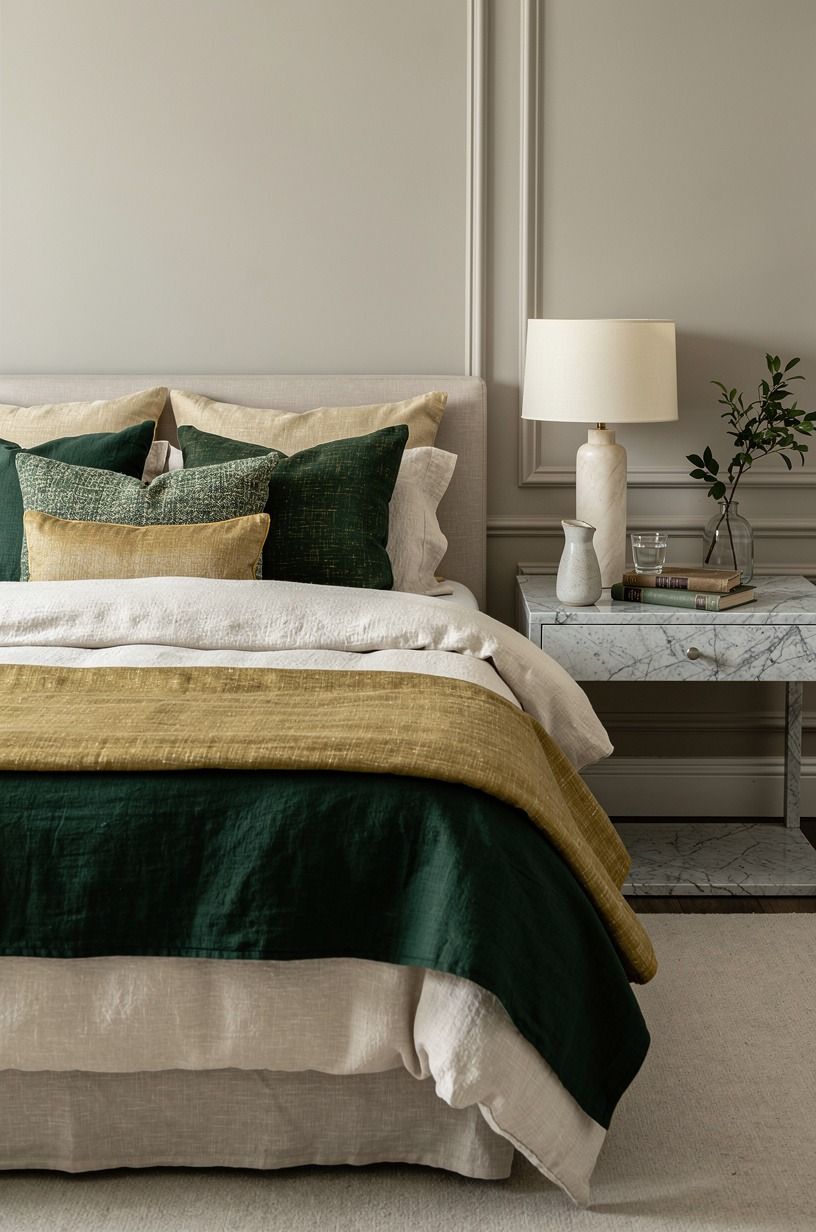
I would’ve started with the sheets and pillow sooner. I spent too long buying little bedroom extras, hoping a candle or another throw would solve a problem that was sitting right under my skin every night.
I also wouldn’t chase a full non toxic home overhaul in one weekend. That pressure made me stall. I think the better move is choosing the pieces that touch you for hours, then changing the rest slowly.
My sleep setup guide is where I’d start if you’re trying to make those choices without replacing everything at once.
And I’d wash new bedding before the first night. Obvious, maybe. Still something I nearly skipped.
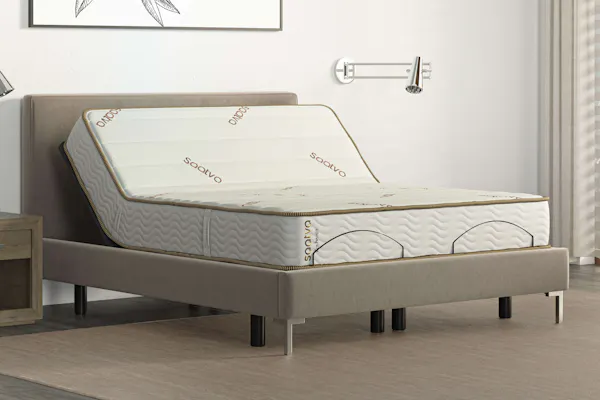 My pick for a healthier bedroomZenhavenTalalay latex, organic cotton, 365-night trial, lifetime warranty, free white glove delivery.See the Zenhaven
Build Your Own Healthier Bedroom
Sale pricing runs on orders over $1,000, and the 365-night trial gives you a full year of nights to be sure.
Where I’d Start in My Own Room Again
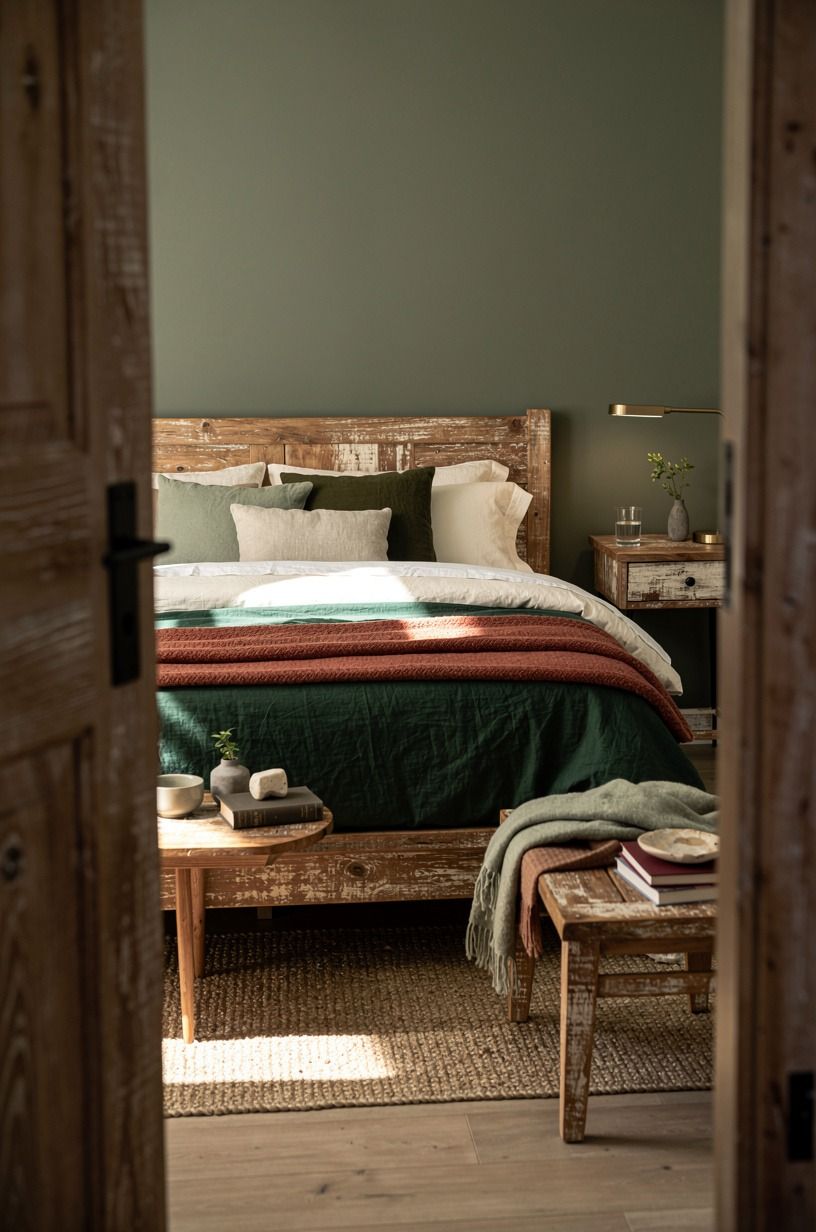
If I had to pick one, I’d start with the sheets. You can’t settle into sleep when the fabric touching your skin feels wrong, and no amount of pretty layering can cover that up.
Pin this bedding reset for later. Tonight, my folded velvet quilt is still sitting at the foot of the bed beside the amber lamp.