
 by
by 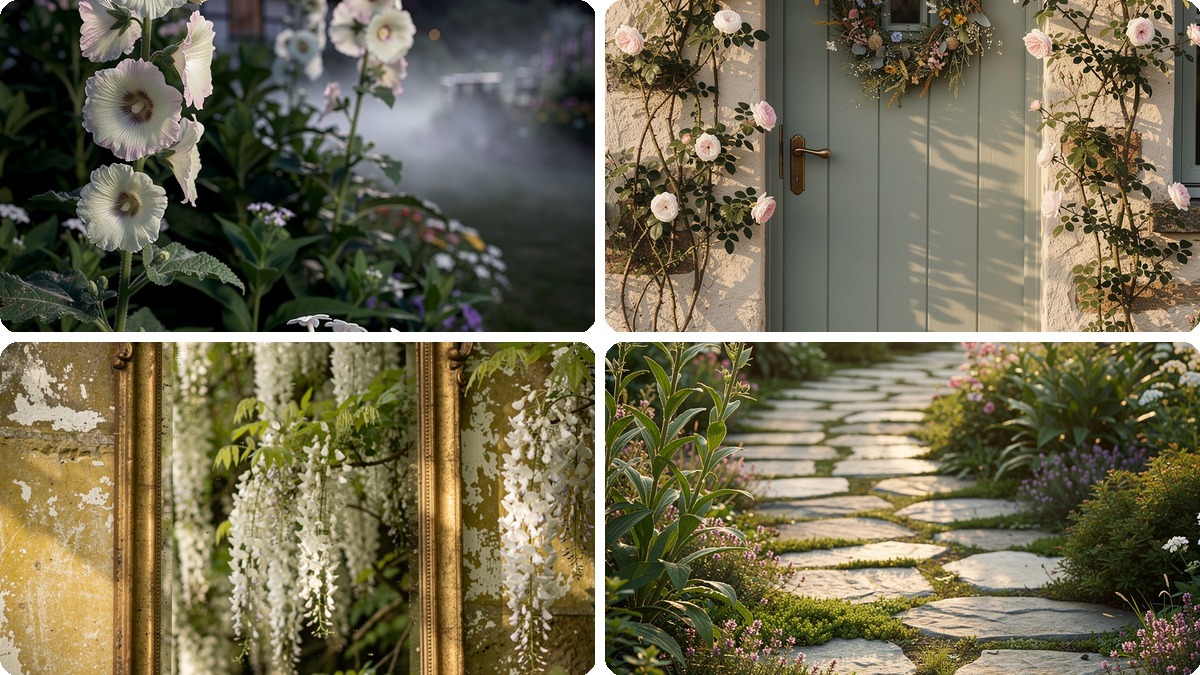
I've killed more lavender than I care to admit. Full sun, well-drained soil, every instruction followed, and still the leggy gray stems by August. The truth is, a cottage garden isn't about control. It's about planting too much, letting things self-seed, and stepping back. The best ones look slightly drunk. Here's how to get that loose, gathered feel without the horticultural guilt!
- Let the path wander (no straight lines)
- Pack the borders tight (no visible soil)
- Add a weathered gate (even if it leads nowhere)
- Plant for the dusk hour (white and pale blooms)
- Use terracotta (the real stuff, not plastic)
- Let climbers swallow a wall (ivy, rose, clematis)
- Scatter seating where the light lands (not on the patio)
- Mix edibles in like flowers (no separate veg patch)
- Add water that isn't a fountain (birdbath, trough, old sink)
- Leave the seedheads standing (don't deadhead everything)
- Paint the shed (or let it go silver)
- Stack old bricks (for edge, for path, for charm)
- Plant a tree for the long game (even in a small garden)
- Use pea gravel (crunch underfoot)
- Hang a mirror (or an old window frame)
- Let self-seeders run (forget-me-nots, calendula, nigella)
- Add one piece of salvage (the soul of the place)
- Frame the front door with something unruly
- Layer bulbs for a spring that keeps giving
- Build a simple arch for vertical drama
1Let the path wander (no straight lines)
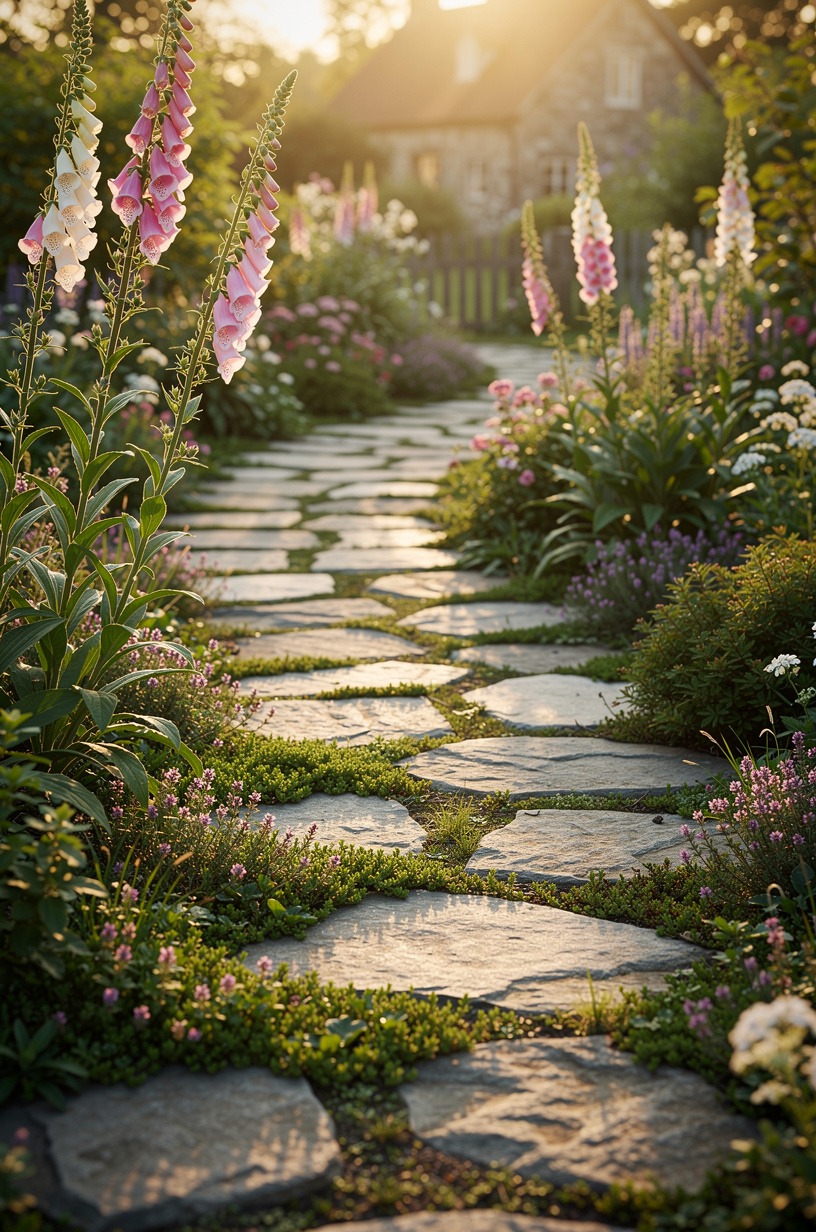
A cottage garden path should look like it was worn in by someone fetching herbs at dusk.
Flagstone set with generous gaps, or gravel with creeping thyme colonizing the edges. Straight concrete reads suburban.
Wobbly reads storybook. If you're laying it yourself, place the stones from the back door outward and stop when it feels right. Mine curves around a climbing hydrangea I didn't plan.
Best accident in the yard. If you're thinking about where that path might lead, our guide to outdoor sleeping spaces has ideas for turning the journey into a destination.
2Pack the borders tight (no visible soil)
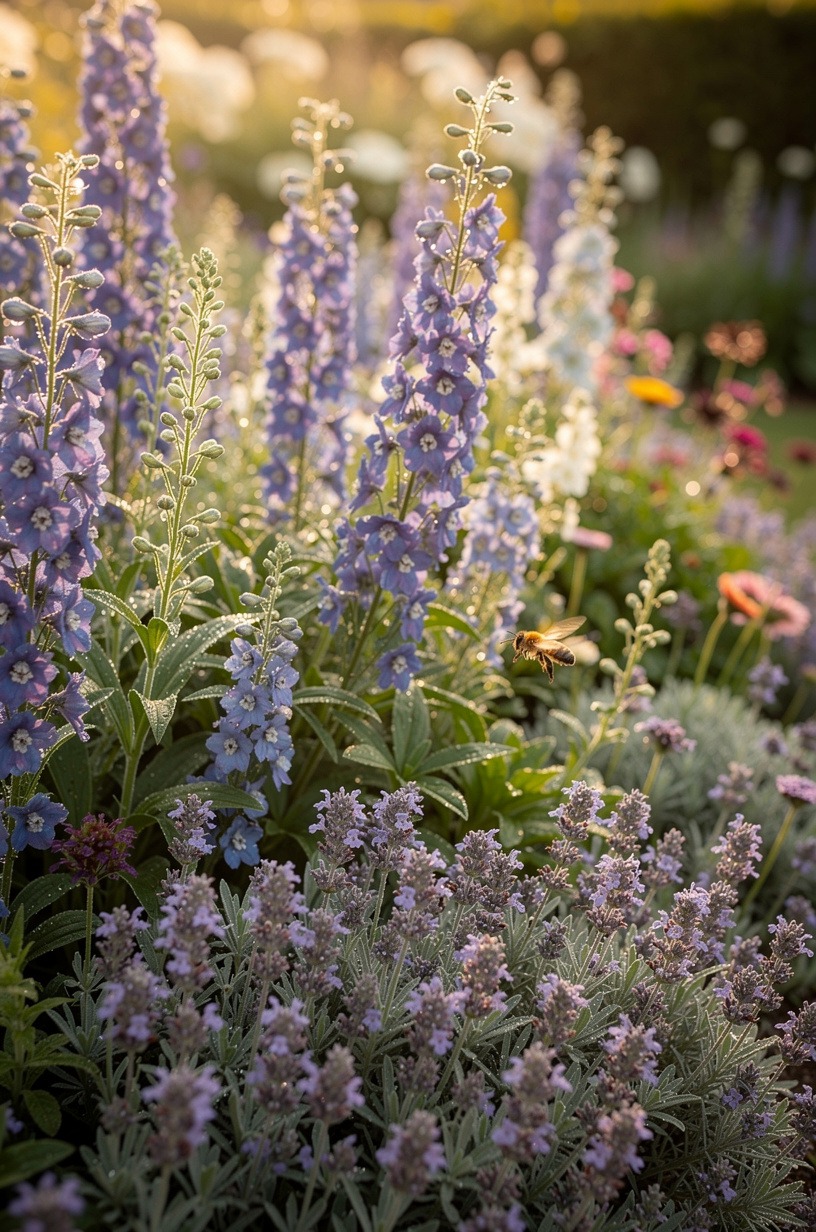
Cottage gardens read lush because nothing sits alone. Foxglove behind catmint, salvia threading through lady's mantle, every layer touching.
The move is varying heights without blocking the view from the path. Tallest at the back, sure, but let one or two delphiniums lean forward.
It looks accidental. It isn't. My rule: if I can see mulch, I haven't planted enough.
The same layering principle works indoors too. Our roundup of best bedroom plants for sleep shows how dense, thoughtful planting creates calm inside the house.
3Add a weathered gate (even if it leads nowhere)
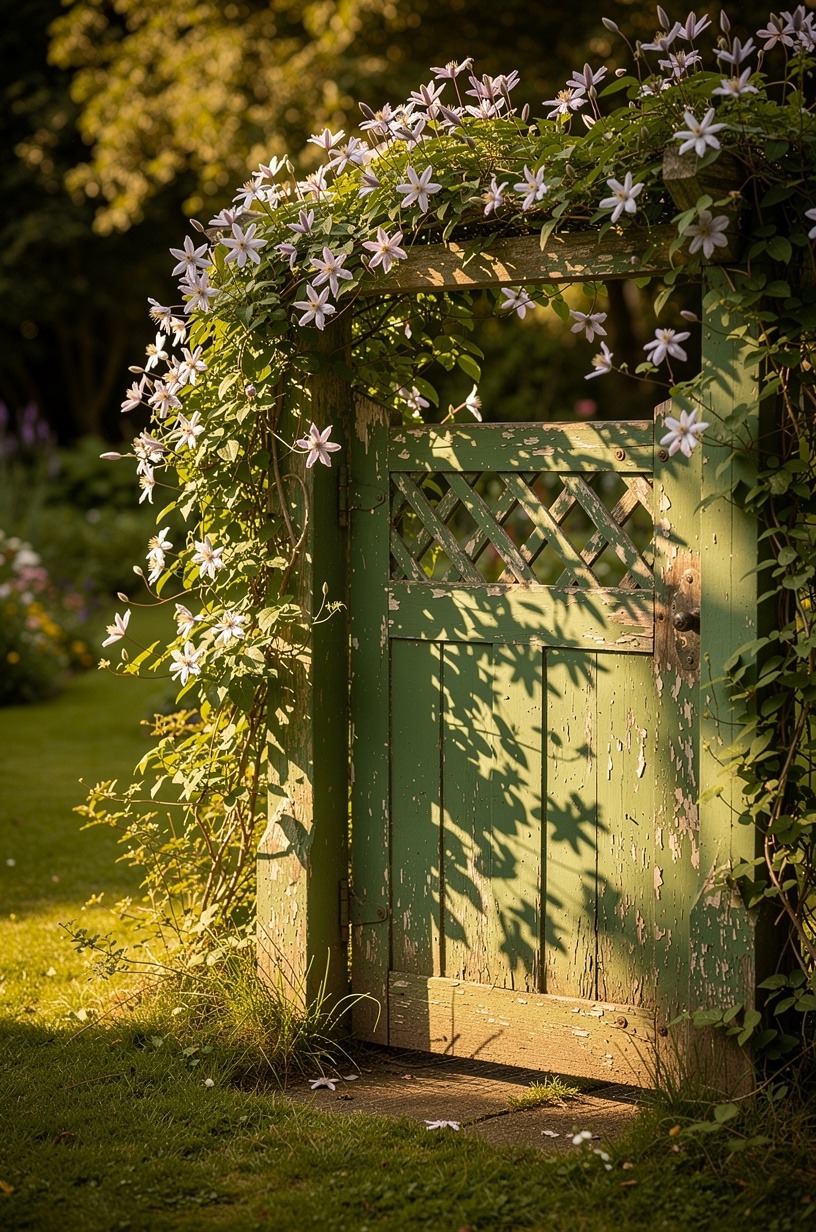
A painted timber gate in Farrow & Ball Green Smoke, peeling slightly, changes the whole rhythm.
4Plant for the dusk hour (white and pale blooms)
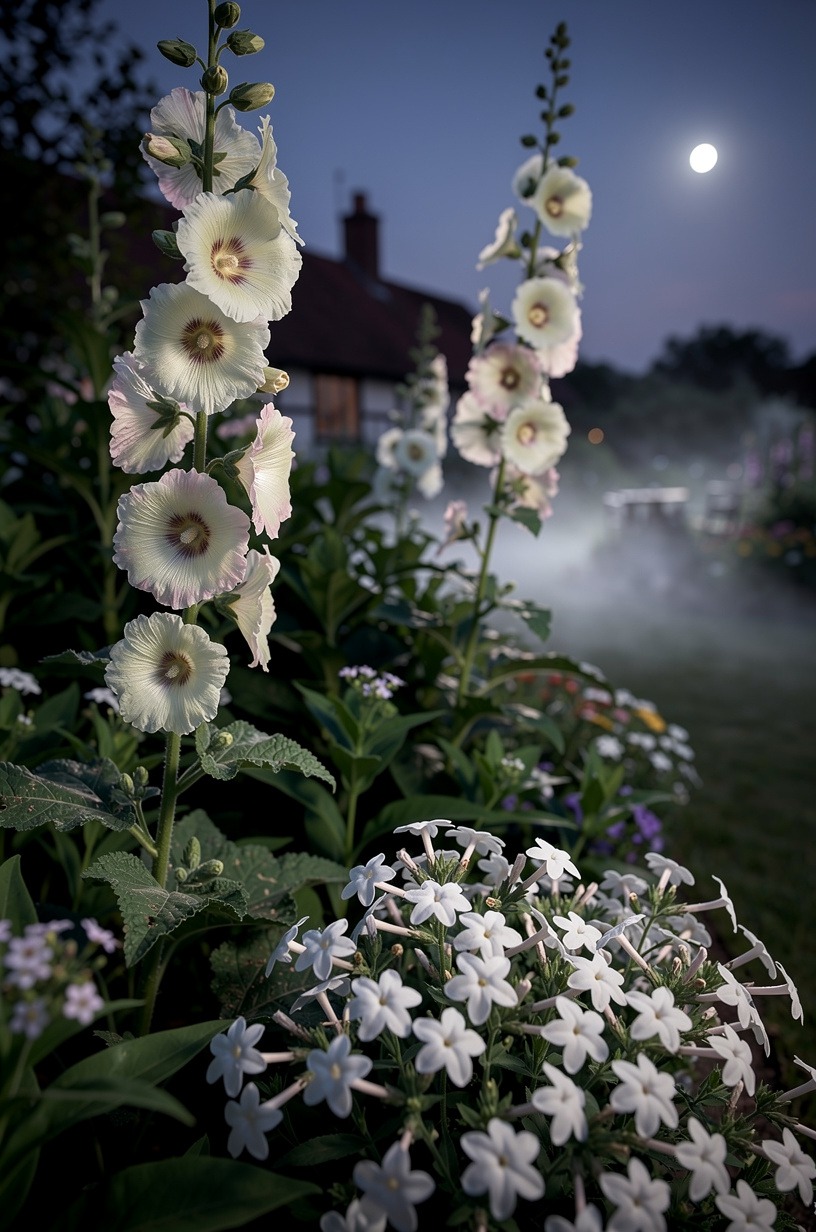
Most of us see the garden after work.
White nicotiana, pale yellow hollyhocks, and cream climbing roses glow when the light goes flat.
They also catch moonlight, which sounds romantic until you stand there at midnight with a glass of wine and realize it works. My Nicotiana sylvestris self-seeds every year now.
I never planted the second batch. There's something about a garden at night that makes you want to stay outside.
If you've ever felt that pull, our guide to outdoor sleeping explores how to turn that impulse into a full night under the stars.
5Use terracotta (the real stuff, not plastic)
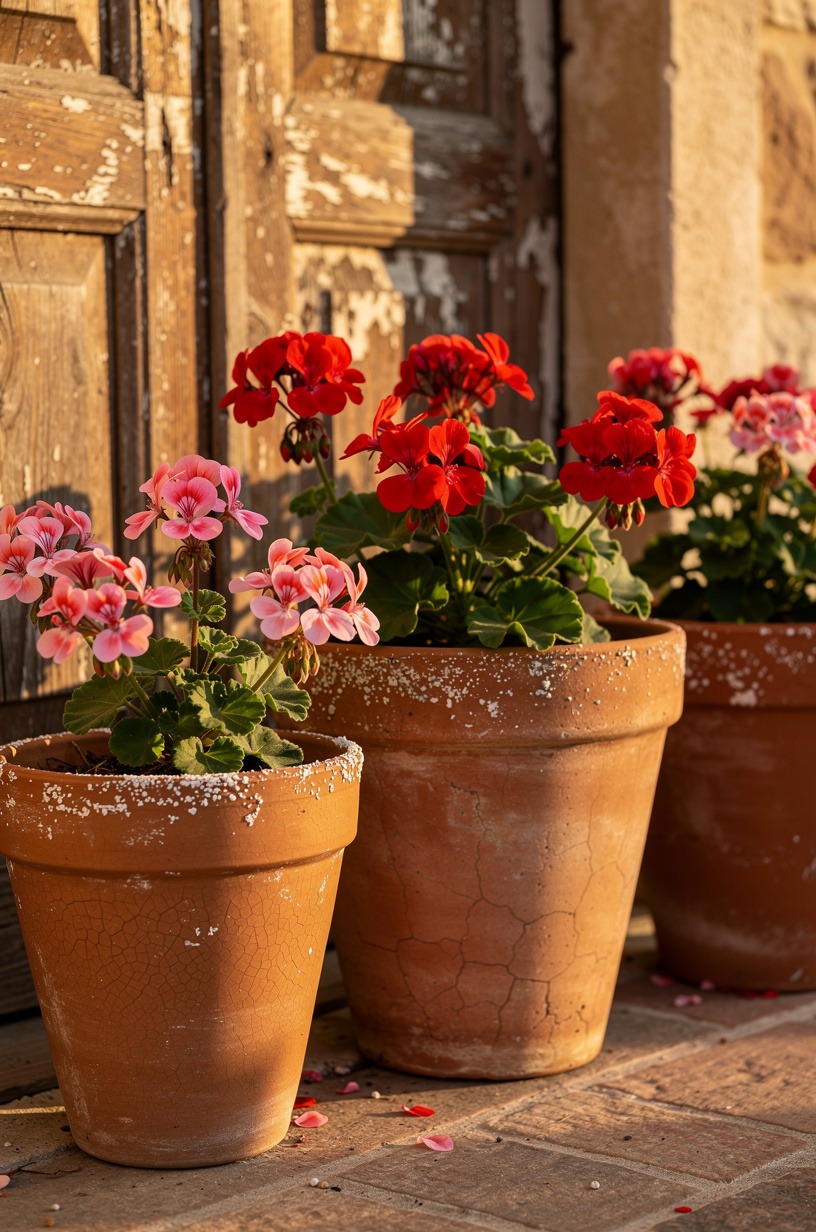
Italian terracotta pots, unglazed, with the white salt bloom on the rim.
They age like leather. Group three at different heights near the door, nothing matching, all slightly cracked.
I line the bottom with broken crock for drainage and fill with pelargoniums in summer, then let them sit empty and sculptural all winter. Plastic doesn't weather. Terracotta does.
If your pots need personality, our guide to 17 plant pot painting ideas has techniques that make plain clay look intentional.
6Let climbers swallow a wall (ivy, rose, clematis)
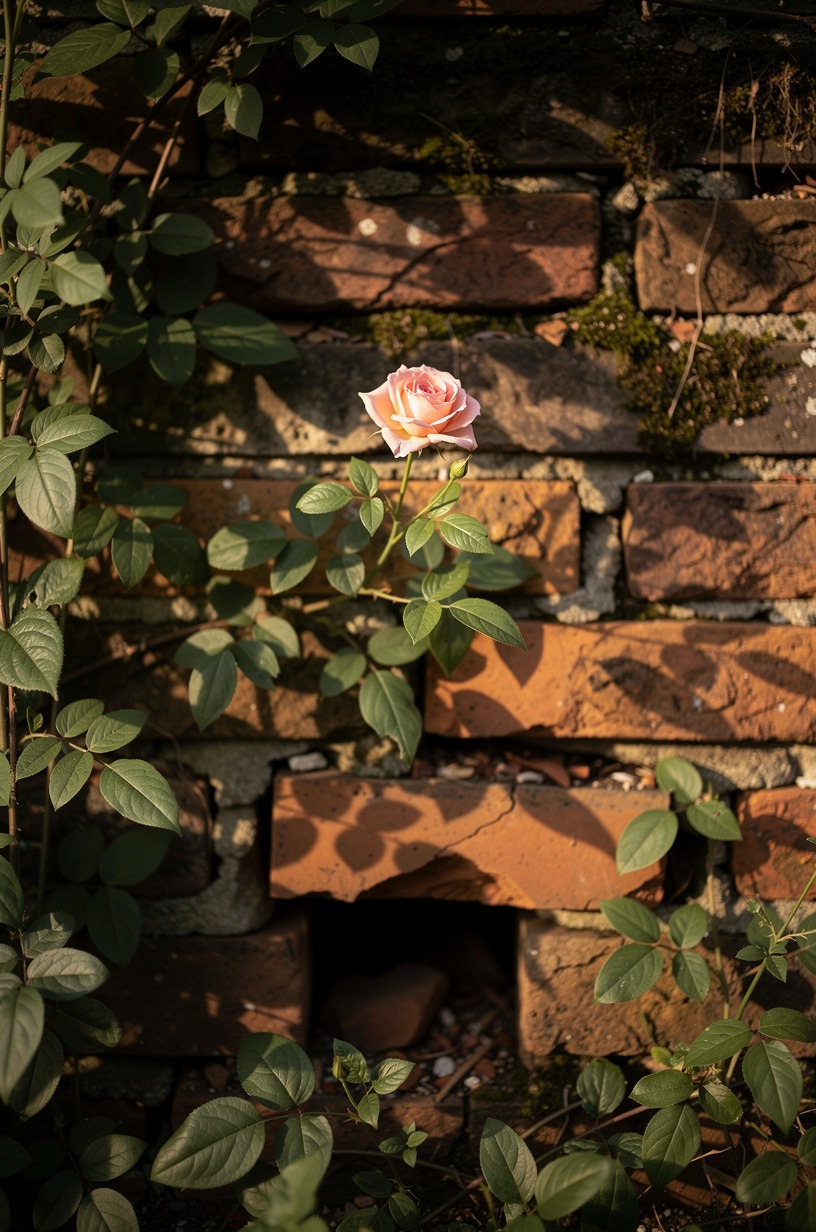
A bare wall is a missed opportunity. Climbing hydrangea for north-facing shade, New Dawn rose for sun, Clematis montana for spring explosion. The cottage look is half architecture, half plant.
My garage wall disappeared behind Hydrangea anomala petiolaris in three years. Now it's green velvet with lace caps. Zero maintenance besides cutting back the gutters.
If you want to bring that same vertical energy indoors, our roundup of 23 macrame plant hangers that feel like art pieces has options that bridge the garden and the living room beautifully.
7Scatter seating where the light lands (not on the patio)
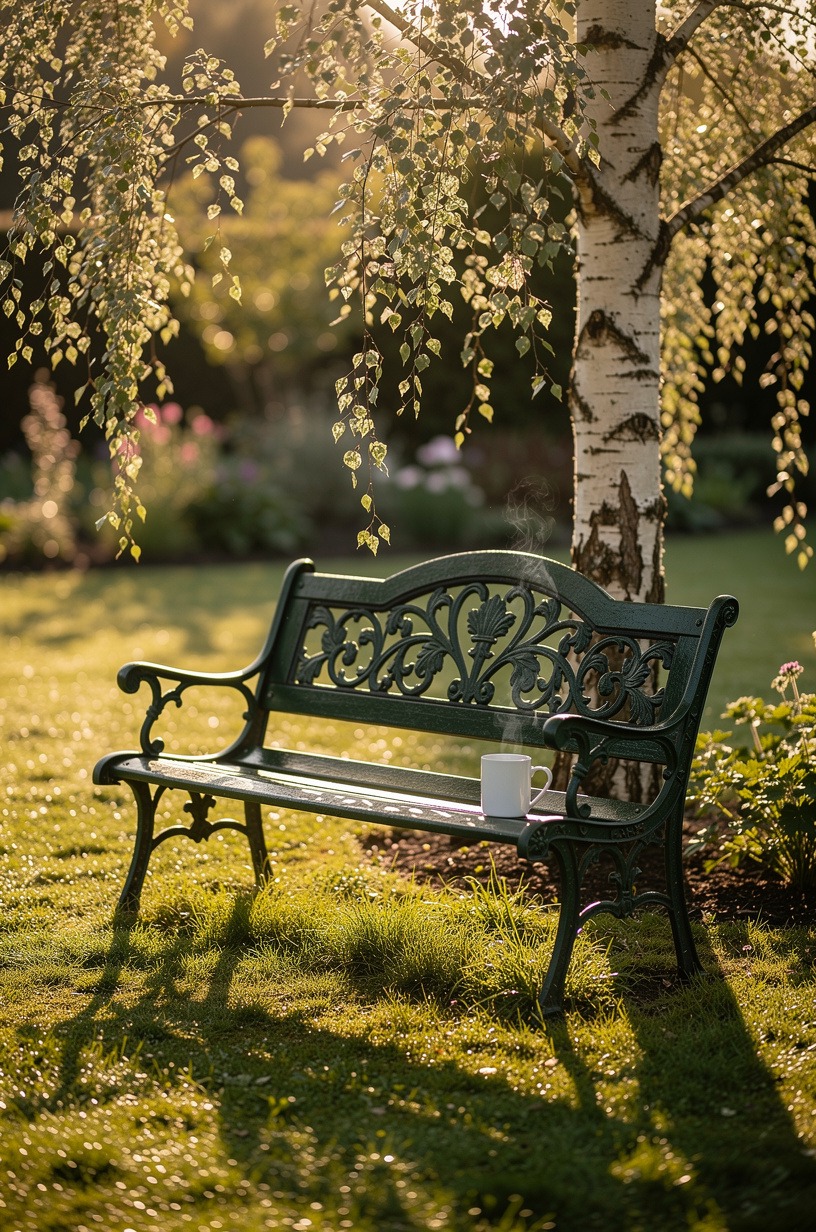
A painted metal bistro chair under a tree. A wooden bench at the path's turn. Somewhere you stop without planning to.
I dragged an old cast-iron bench to the one spot that gets morning sun in March and it's become my coffee default.
The patio is for dinner.
The scattered seat is for thinking. Make that thinking comfortable. Our pick for the best pillow for patio lounging might be the upgrade your garden nook needs.
8Mix edibles in like flowers (no separate veg patch)

Rainbow chard with scarlet stems against blue nepeta.
Purple sage as a front-border shrub. Strawberry plants trailing from a terracotta strawberry pot.
The old cottage gardens didn't segregate. My kale looks architectural all winter, and the bees prefer the chive flowers to half the ornamentals.
The boundary between garden and home is thinner than you think. Our guide to the best bedroom plants for sleep proves that the same green impulse works just as well on your nightstand.
If you want your pots to look intentional rather than accidental, our guide to 17 plant pot painting ideas has the exact techniques that turn plain terracotta into something gallery-worthy.
9Add water that isn't a fountain (birdbath, trough, old sink)
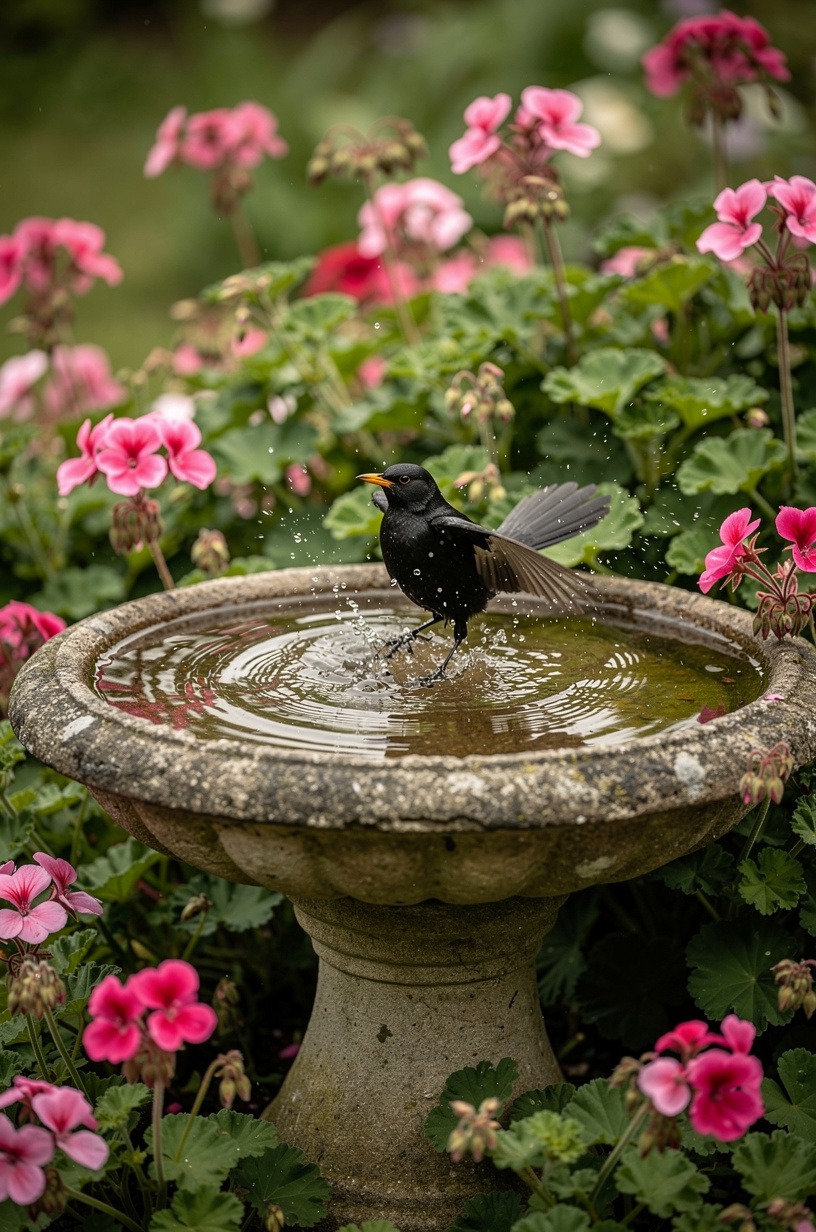
Moving water is lovely but high-maintenance. A stone birdbath with a slight lean, or a galvanized trough filled with water lettuce and a few goldfish, reads more honest.
I found an enamel sink at a salvage yard and set it on a brick plinth as a planter that holds an inch of rain. The blackbirds bathe in it every morning. No pump.
No plug. Once the water's there, the garden becomes a place to linger. Our feature on 20 outdoor dinner party tablescapes shows how to extend that cottage feel right onto the table.
10Leave the seedheads standing (don't deadhead everything)

Dried allium globes, faded sedum heads, teasel skeletons. Winter interest, bird food, and that melancholy beauty that makes a garden feel lived-in. I used to cut everything back in October.
Now I wait until February, and the finches thank me for it. The grasses catch frost like jewelry.
11Paint the shed (or let it go silver)
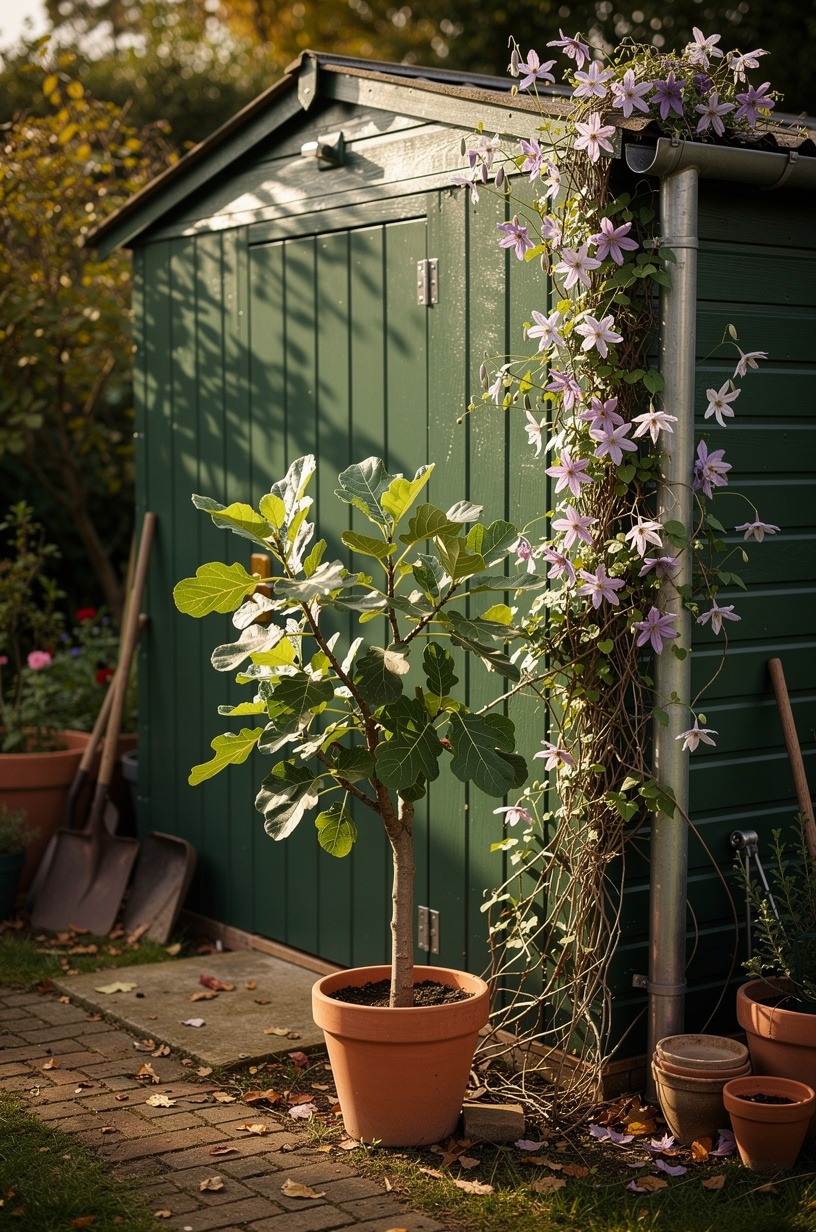
A painted shed in Farrow & Ball Studio Green or Little Greene French Grey becomes a backdrop. Or leave cedar shingles to weather to silver gray and plant a clematis up the downpipe. My shed was an eyesore until I moved a potted fig in front of it and painted the door Railings.
Now it's the first thing people photograph.
12Stack old bricks (for edge, for path, for charm)
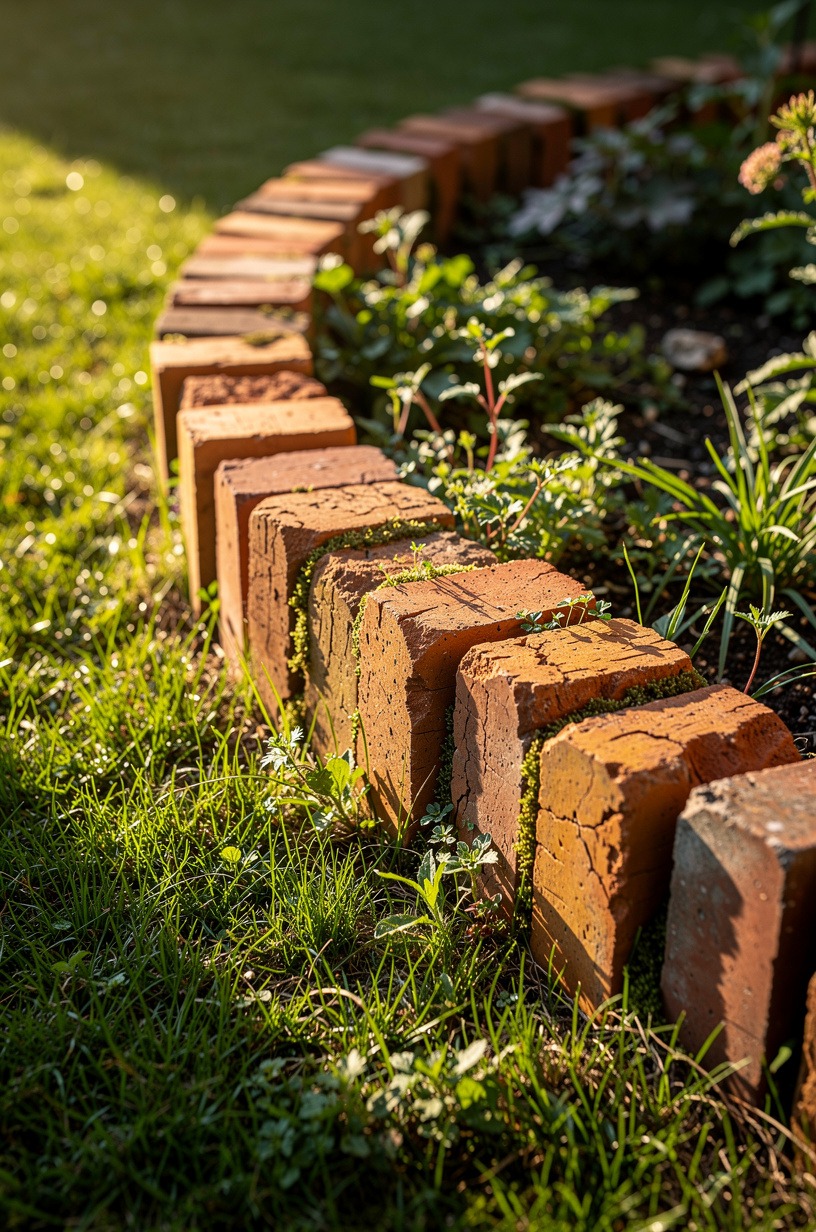
Reclaimed brick as an informal edging, laid slightly tipsy, grass growing between.
Or stacked dry to make a raised bed for herbs.
The color matters: soft orange-red, not the harsh concrete-based new stuff. I edged my front border with bricks from a demolished Victorian terrace. They're uneven.
That's why they work. That same imperfect charm shows up in our favorite spring wedding tablescapes that look like they belong in a French countryside garden, where nothing matches and everything belongs.
13Plant a tree for the long game (even in a small garden)
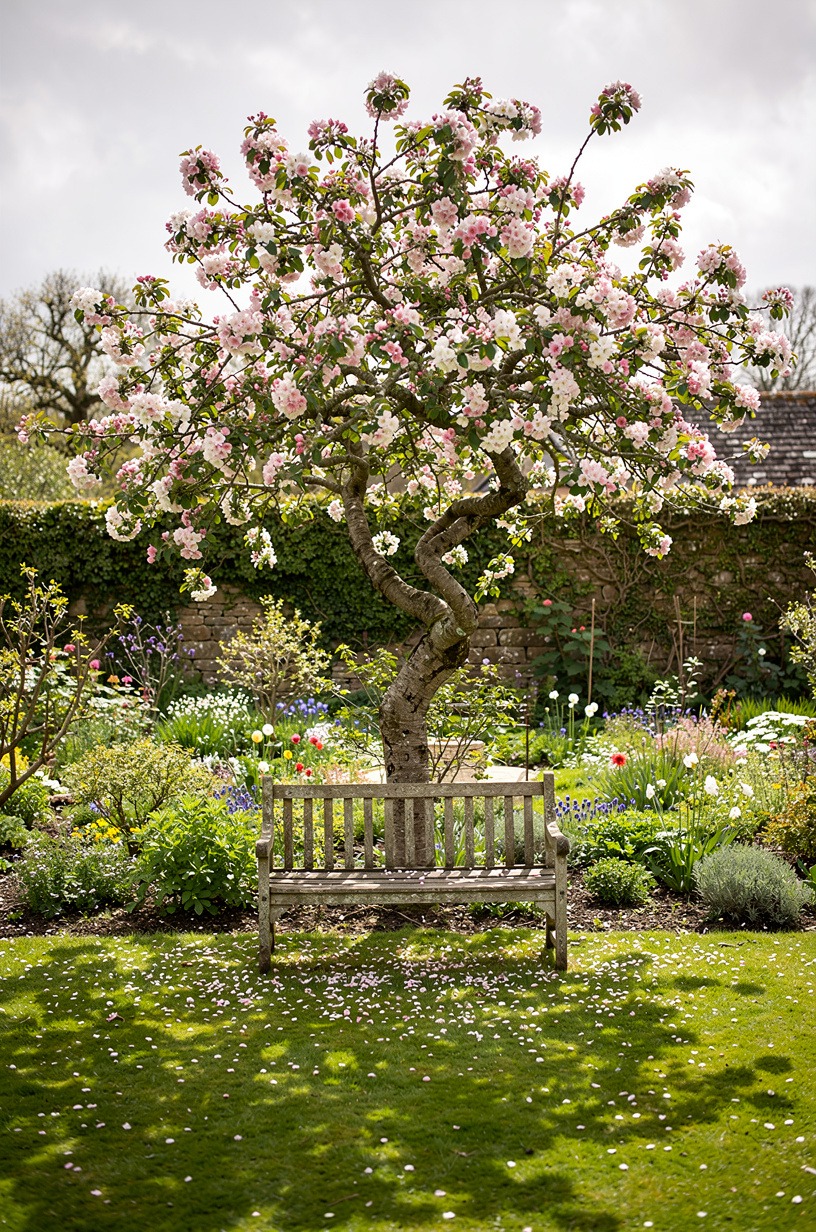
One small ornamental tree changes the scale entirely. Crab apple for spring blossom and autumn fruit.
Silver birch for light, dancing shade. Japanese maple if you've got acid soil and patience.
I planted a Malus 'Evereste' five years ago. It's still young but already casts a shadow pattern on the grass that makes the whole garden feel deeper. Trees teach patience, and so does bringing greenery inside.
Our guide to plants for bedroom sleep shows how the same biophilic calm works just as well beside your bed.
14Use pea gravel (crunch underfoot)
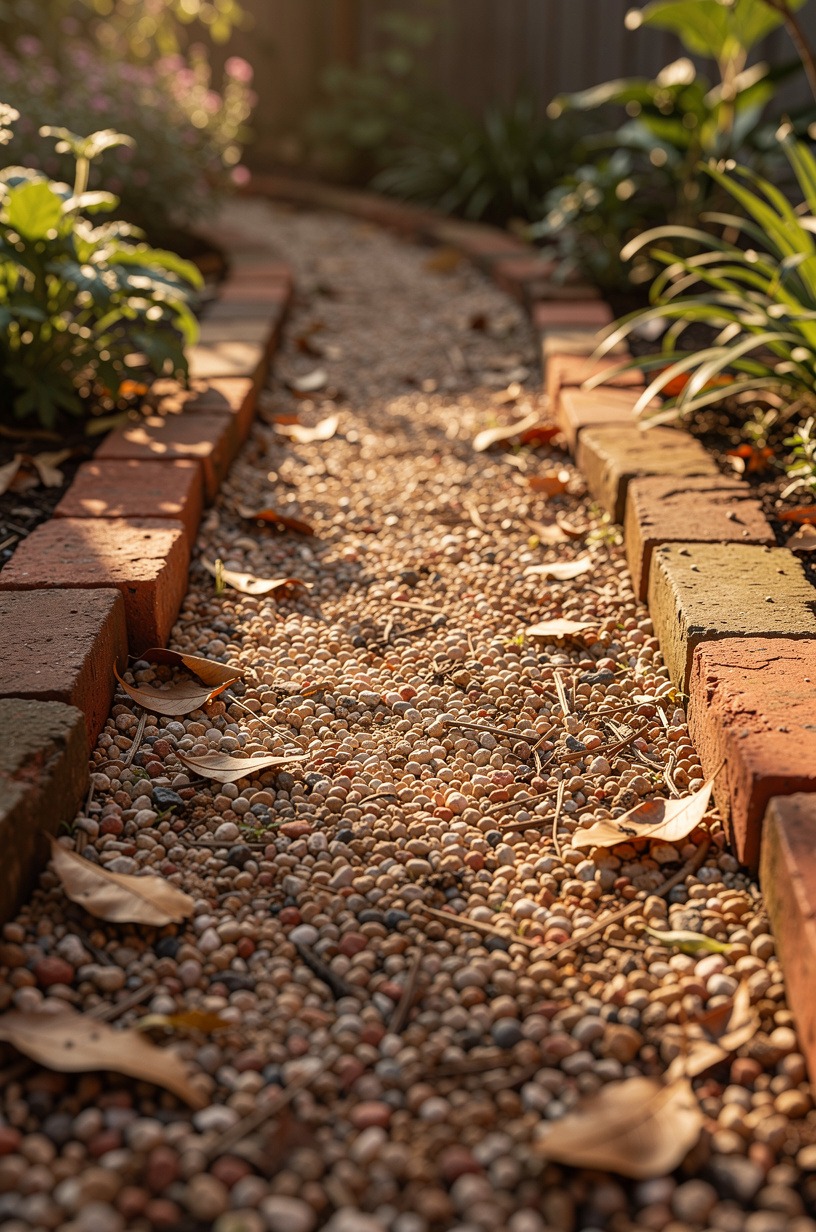
Pea gravel paths, 20mm, laid over weed membrane, edges held with reclaimed brick. The sound is part of the experience. Crunch, pause, crunch.
It drains well, it reflects light up into plants, and it's cheap. I refresh mine every two years, raking in a new bag where it's thinned. The older gravel stays, mixed with leaf litter.
It looks like it's been there forever.
For the full picture on getting this look right, our guide to 20 enchanting cottage garden ideas breaks down every layer from path to planting.
15Hang a mirror (or an old window frame)

An aged mirror on a garden wall doubles the border visually. Or an old sash window frame, glass removed, hung as a frame for a climbing rose. I found a gilt mirror at a flea market, sealed the back, and hung it where it catches the white wisteria in May.
For a second you think there's another garden back there.
16Let self-seeders run (forget-me-nots, calendula, nigella)
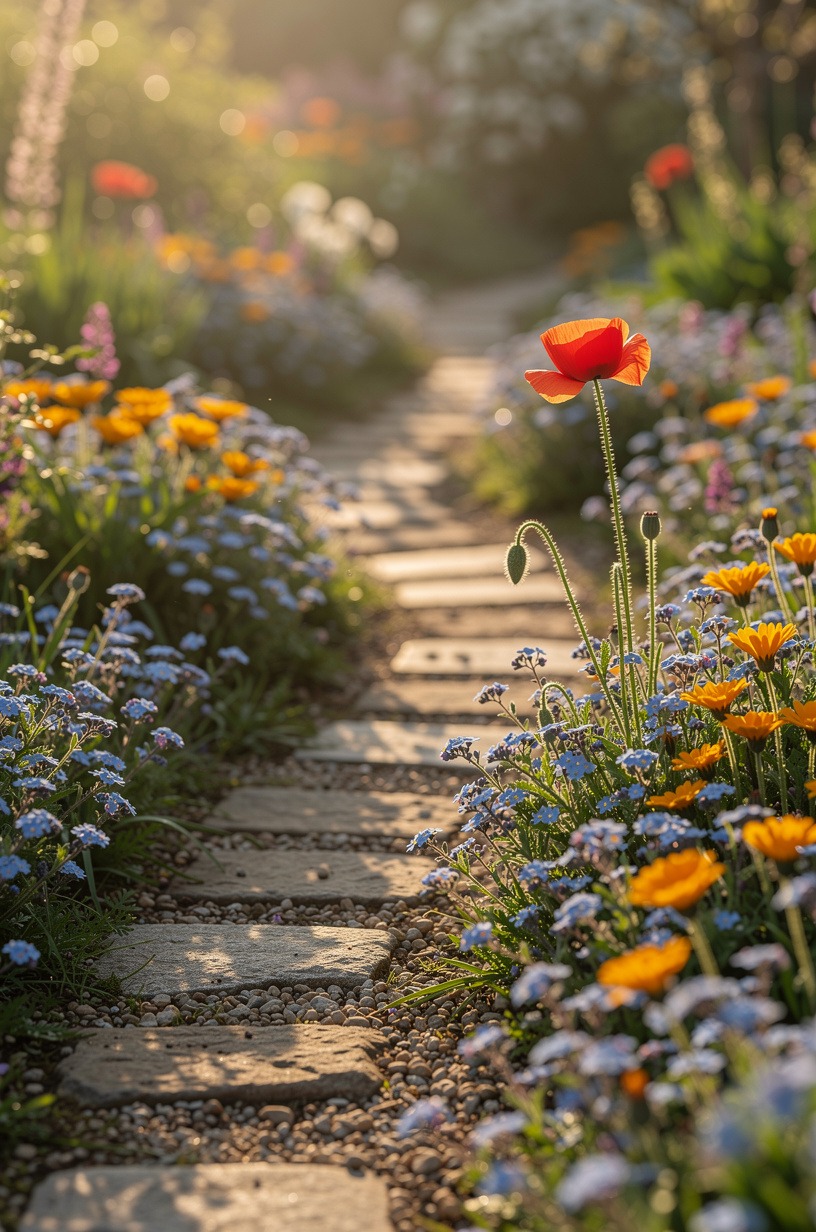
The mark of an established cottage garden is plants you didn't plant.
Forget-me-nots in April, calendula all summer, love-in-a-mist threading through gaps.
I pull 90% and leave the best 10%. They always choose better spots than I do. Last year a poppy came up in the gravel path.
I stepped around it for six weeks.
17Add one piece of salvage (the soul of the place)
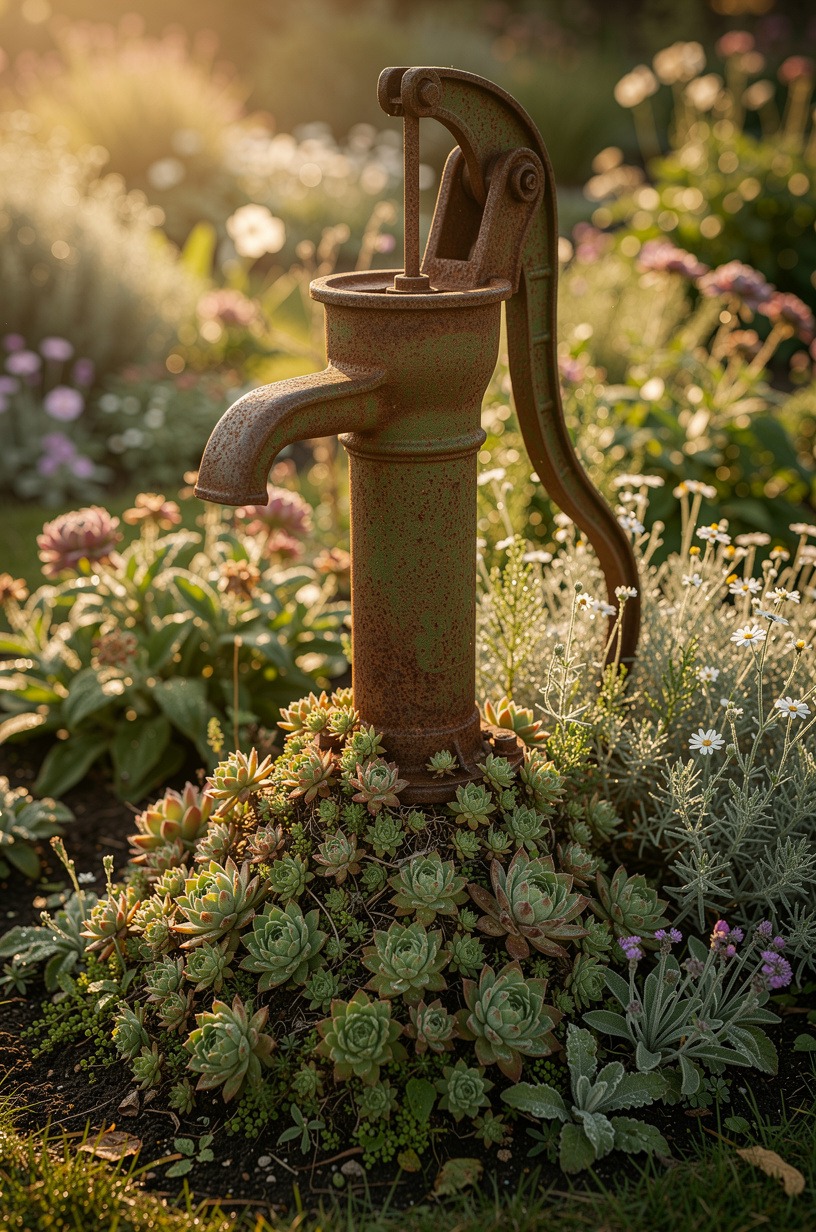
A cast-iron pump, a stone trough, a rusty bicycle with ivy growing through the frame. One object that suggests history.
My neighbor has an old mangle in her border, painted Duck Egg Blue, planted with sempervivums in the rollers. It's ridiculous.
It's perfect. For more gathered, found-object charm at your door, our spring wreath collection has ideas that feel discovered rather than bought.
18Frame the front door with something unruly
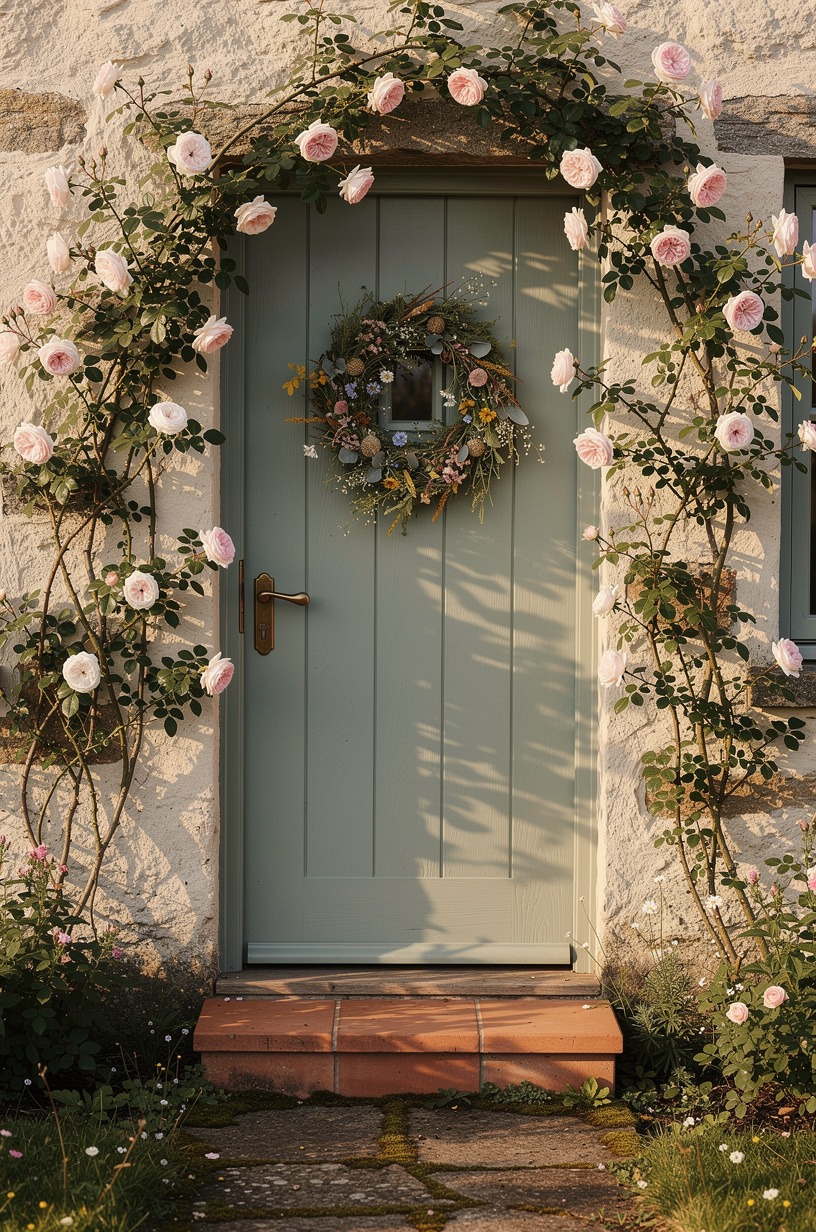
Your front door is the first chapter of the story. Let a rambling rose or clematis climb the frame, and add a wreath that looks gathered rather than bought. I swap mine seasonally: dried hydrangea in autumn, forced twigs in winter, whatever the garden gives me in summer. If you're hunting for something with real personality, our roundup of 12 wreaths that made me stop scrolling has options that feel hand-picked rather than mass-produced.
A door without greenery reads rental. A door with too much reads chaos.
The sweet spot is one climber plus one wreath. That's it. For seasonal inspiration, our collection of 16 spring wreaths that made me fall in love with my front door all over again has ideas that feel gathered rather than store-bought.
19Layer bulbs for a spring that keeps giving
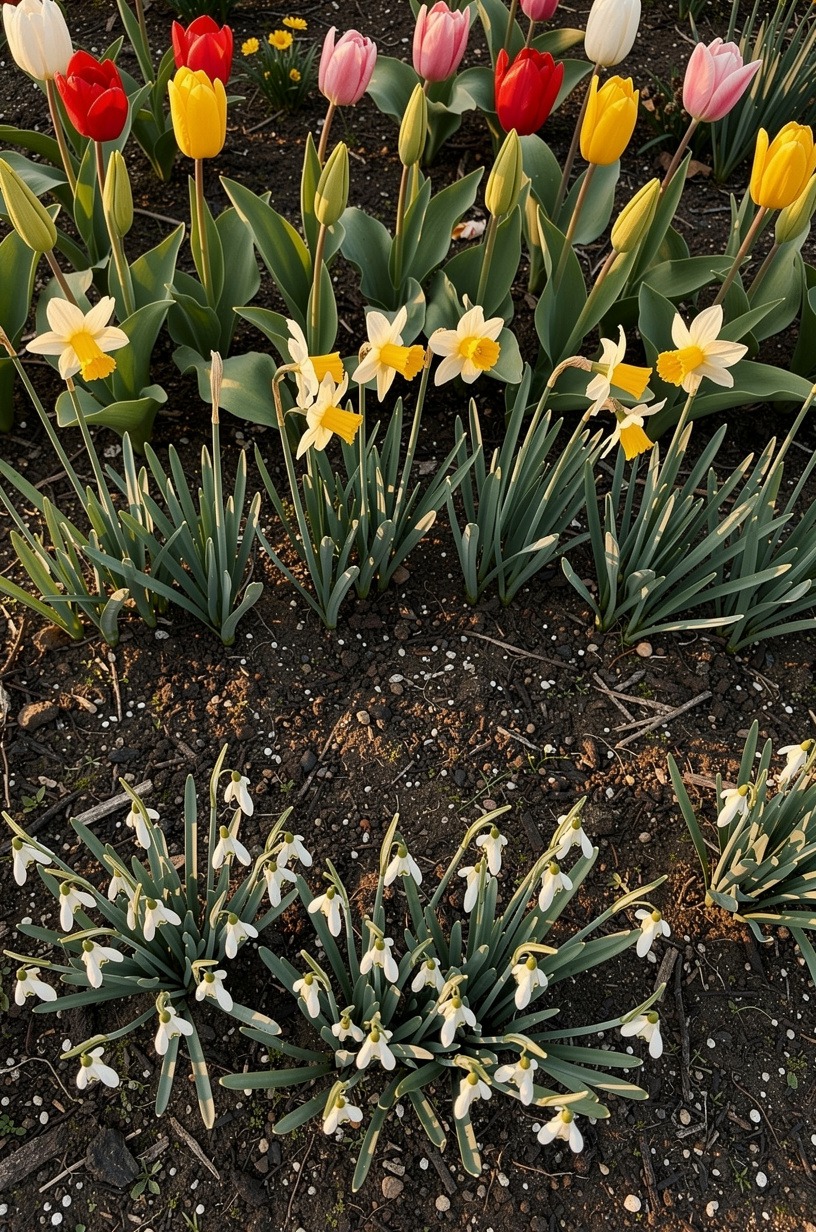
Cottage gardens start early. Snowdrops in February, daffodils in March, tulips in April, alliums in May.
Plant them at different depths in the same border and they'll queue up like a slow-motion firework show. I learned this from a Somerset garden that had something new every fortnight for three months. The key is planting generously.
Twenty bulbs look sparse. Two hundred look accidental and abundant.
And honestly? That's the whole point.
20Build a simple arch for vertical drama
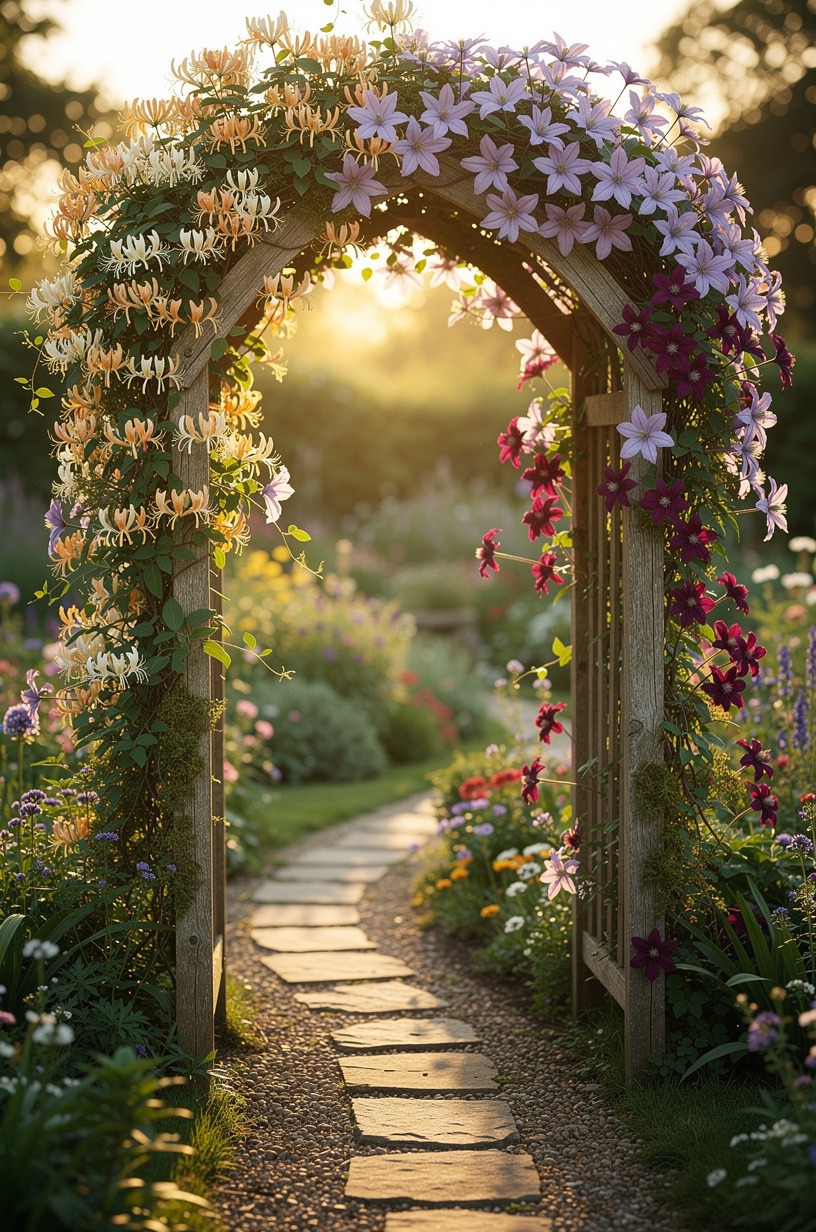
A rustic wooden arch or wrought-iron tunnel covered in clematis or honeysuckle creates a moment.
Why Cottage Gardens Fail (and Why Mine Did, Twice)
The first cottage garden I attempted was in a rental in Bristol, 2012.
I planted everything in neat rows because I thought "cottage" meant "old-fashioned," and old-fashioned meant orderly. I chose one of everything from the garden center, spaced them according to the labels, and watered diligently.
By July it looked like a hospital ward. Each plant stood alone, isolated, performing for no one.
The delphiniums flopped without neighbors to lean on. The lavender sulked in the clay I'd ignored.
I had created a museum of plants, not a garden.
The second failure was overcorrection. I went too wild, too fast, stuffing borders with everything that looked romantic on a seed packet.
Hollyhocks blocked the windows. A mint I thought I'd contained ate a path.
The bindweed arrived uninvited and I couldn't tell it from the morning glory I'd planted on purpose. That garden looked chaotic, yes, but not in the loose, gathered way I wanted. It looked abandoned.
The difference between romantic chaos and neglect is intention, and I hadn't learned to place intention yet.
What changed was understanding that a cottage garden is a negotiation, not a design. You propose.
The weather, the soil, the self-seeders, and the slugs respond. The gardener's job is to edit the conversation, not script it. I stopped buying one of everything and started buying three of fewer things, repeating plants so the eye travels.
I stopped fighting the clay and started choosing plants that loved it: astilbe, hosta, meadowsweet. I learned to leave the seedheads, to let the foxgloves drift, to accept that the path would never be weed-free and that was the point.
The cottage garden aesthetic that reads as effortless in magazines is the result of restraint. Not the restraint of minimalism, but the restraint of knowing when to stop intervening.
The best borders I've seen, the ones that made me want to stand still, all had this in common: the gardener had stopped trying to make every plant perform and had instead created conditions for collision. Tall meets medium meets ground cover.
Early meets late. Structured meets self-seeded. The tension between those collisions is what makes a cottage garden feel alive rather than decorated.
If you're starting now, in whatever month this is, the real advice is this: plant too closely, choose repeat-flowering varieties so there's always something happening, and add one hard element that anchors the whole thing. A gate, a bench, a wall. Then wait two years.
The first year sleeps, the second year creeps, the third year leaps. That's not patience. That's just how long it takes for a garden to develop enough complexity to look accidental.
Frequently Asked Questions
### What is the best cottage garden style for a small backyard?
Tight borders, a single winding path, and vertical climbers. Small gardens suit the cottage look better because the density feels intentional rather than overwhelming. I'd start with repeat-flowering shrubs like Rosa 'Gertrude Jekyll' and let clematis climb the fence.
One small tree for scale, and you're done.
If you're working with a truly tiny space, our guide to 10 small bedroom ideas that make the room feel bigger uses the same visual approach: layering to create depth where there isn't any.
### Where can I buy cottage garden pieces on a budget?
IKEA does decent terracotta and basic metal furniture. Wayfair has salvaged-look mirrors and planters.
Facebook Marketplace is where I found my cast-iron bench for forty quid.
The real steals are salvage yards for bricks, sinks, and gates. No links needed, just boots and a free Saturday.
If you want to stretch your budget further, our post on 20 enchanting cottage garden ideas breaks down exactly which splurges matter and which you can skip entirely.
### How much does a cottage garden makeover cost?
About $100 to $300 for a small border refresh: plants, a bag of gravel, maybe one terracotta pot.
A full garden with hardscaping, shed paint, and mature shrubs runs $1,500 to $4,000. Start with the path and one packed border. Everything else layers on over years, and that's the whole idea.
For a sense of what a bigger outdoor budget gets you, our feature on 20 tablescapes for outdoor dinner parties shows how to extend the cottage feel right onto the table.
### Can I create a cottage garden on a budget?
Yes, and the best parts are free. Self-seeders cost nothing after year one.
Divided perennials from friends fill borders. Reclaimed bricks and salvage turn up if you ask around.
My gravel path was sixty dollars and a morning's work. The plants that thrive are usually the cheap, tough ones anyway. Worth it every time!
### Is a cottage garden worth it in a small space?
Worth it, and then some. The density makes a small garden feel deeper and older than it is.
Layer tall at the back, medium in front, ground cover threading through, and the eye stops reading the fence. My courtyard is twelve feet wide and feels like a walled garden in Somerset. It's all planting depth!
If you're curious how nature itself can teach us about rest and rhythm, our piece on nature sleep lessons draws some surprising parallels between garden cycles and better sleep.
### Is a cottage garden a good idea for a rental?
Yes, if you plant in pots and raised beds you can take with you. Climbers in large containers against the wall, terracotta grouped by the door, annuals for quick color. No digging required.
I've moved my cottage garden twice. The pea gravel stayed, but the plants traveled in a van and didn't miss a season. Gardening is physical work, and good rest matters.
Our post on sleep for gardeners breaks down exactly how to recover after a day of digging and lifting.
For anyone who treats their outdoor space as a second living room, our guide to the best pillow for patio lounging might be the comfort upgrade you didn't know you needed.
### What's the most expensive part of starting a cottage garden?
Hardscaping, paths, edging, gates, raised beds. The plants themselves are cheap if you start small and propagate. One mature shrub might cost $40, but a packet of foxglove seeds costs $3 and gives you fifty plants.
Spend on structure first. The planting fills itself in if you're patient.
And if you're the type who recharges outdoors, you'll appreciate our tips for sleeping better in summer once those long garden evenings start stretching past sunset.
Start With the Path and Let Everything Else Wander
If I had to pick one, I'd start with a winding gravel path. It forces the shape of everything else and costs less than a good dinner out.
Once the path exists, the borders define themselves.
The plants will self-seed, the climbers will find their wall, and the whole thing will look like luck instead of effort. Pin the pea gravel idea for later and read our full guide to 20 enchanting cottage garden ideas if you want the complete picture before you dig.
Save your favorite sections, start with one packed border, and let the rest wander. Your future self will thank you when you're sipping coffee on that sun-warmed bench, surrounded by flowers you don't even remember planting.