
 by
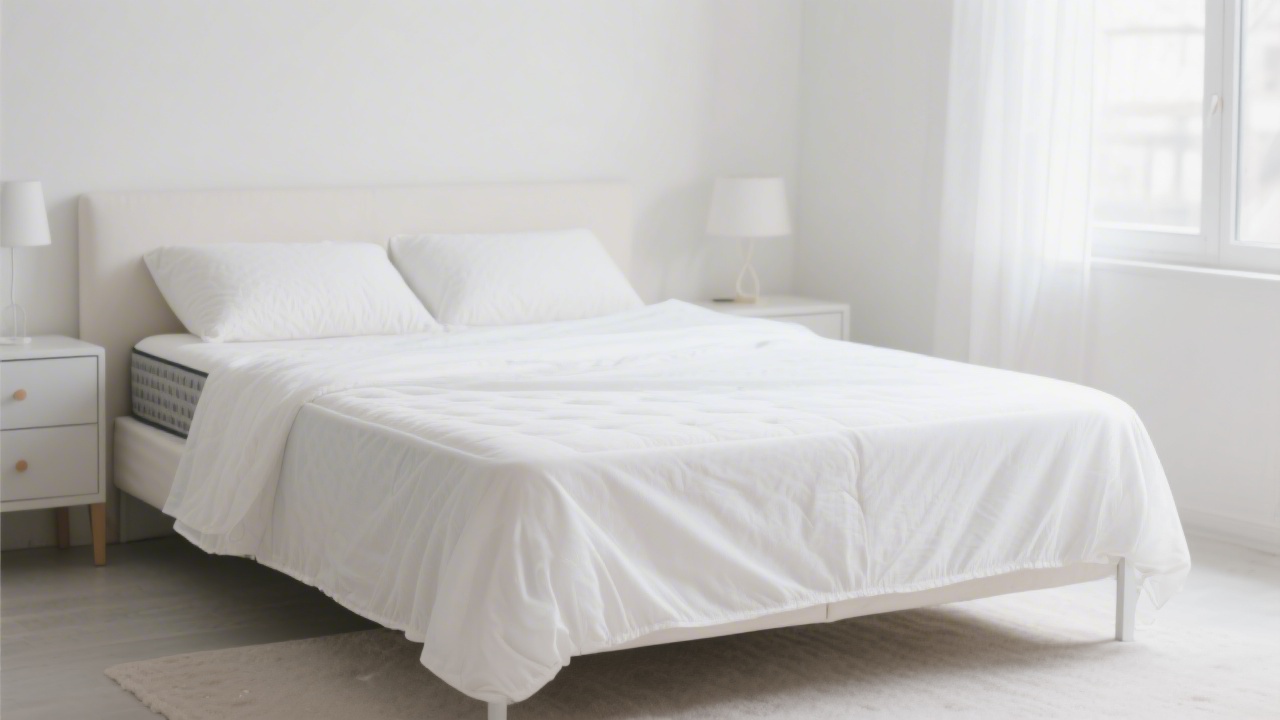
by The Saatva Mattress Pad is organic cotton, waterproof, and fits any mattress height.
The short answer is yes. The more useful answer explains why the return on a mattress protector is among the highest of any sleep purchase you will make. A $2,000 mattress that develops a stain may void its warranty entirely. A $60 to $150 protector prevents that outcome entirely, while also extending the hygienic lifespan of the mattress surface for years.
What a Mattress Protector Actually Does
Protects the Warranty
Most mattress warranties contain language about acceptable use conditions. Staining — from any source — is typically listed as a warranty-voiding condition. This is not hypothetical: spills, sweat accumulation, and other moisture events are extremely common, and foam materials absorb and discolor in ways that are visible upon inspection. A waterproof protector eliminates this risk entirely. It is the most direct warranty protection available.
Prevents Core Moisture Accumulation
Over years of sleep, perspiration and ambient humidity introduce moisture into the mattress surface. In foam mattresses especially, this moisture creates conditions for dust mite colonization and, in humid environments, mold growth in the foam core. Mold in a foam core cannot be effectively cleaned — it requires replacement. A waterproof protector stops moisture at the surface before it reaches the core.
Reduces Allergen Accumulation
Mattresses are a primary habitat for dust mites, which feed on shed skin cells and thrive in the warm, dark, slightly humid environment inside a foam mattress. A fully encasing protector creates a physical barrier that limits dust mite access to the core. This is particularly relevant for people with allergic rhinitis or asthma, where bedding-related allergen exposure is a significant trigger.
Extends Surface Lifespan
Surface fabric and comfort layers accumulate oils, salts, and debris over time, even with regular sheet washing. This accumulation degrades foam cell structure and fabric integrity faster than normal wear alone. A protector that can be removed and washed regularly keeps the mattress surface in better condition through its functional life.
What a Mattress Protector Does Not Do
A mattress protector will not fix existing comfort issues. If your mattress is too firm, a protector will not soften it — that requires a mattress topper with significant loft. A protector also will not repair structural issues like sagging or broken coils. It is a maintenance and protection product, not a comfort supplement.
A basic protector also will not add meaningful sound insulation or temperature regulation, though some products are specifically designed with temperature-regulating materials (typically phase-change materials or breathable cotton quilting).
Protector vs Mattress Pad: Understanding the Difference
These terms are frequently conflated. A mattress protector is typically thin (1 to 2 inches at most) and focuses on barrier protection — waterproofing and allergen blocking. A mattress pad is thicker and adds comfort alongside protection, with a quilted or fiberfill layer that changes how the surface feels. Neither is better in an absolute sense; the right choice depends on whether you want protection only or comfort plus protection.
How to Choose a Mattress Protector
Key Criteria
- Waterproofing method: Look for breathable polyurethane membrane rather than PVC, which traps heat and makes noise. TPU (thermoplastic polyurethane) is the current quality standard.
- Surface material: Cotton terry and cotton sateen surfaces feel more natural against sheets than synthetic materials. Organic cotton is worth the premium if you have skin sensitivities.
- Fit depth: Check your mattress height. Most protectors fit 8 to 14 inch mattresses, but some thick hybrids or pillow-top models require deep-pocket versions.
- Washability: The protector needs to be machine washable on a regular basis. Check the heat tolerance of the waterproof layer — some degrade at high dryer temperatures.
Maintenance Schedule
Wash the protector every 2 months under normal conditions. Wash immediately after any spill or illness. Inspect the underside of the waterproof layer annually — cracking or flaking signals it is time to replace. Most quality protectors last 2 to 3 years with regular washing.
Related Reading
How to clean mattress stains | How often to replace your mattress | Can you flip a mattress?
Frequently Asked Questions
Do you actually need a mattress protector?
Yes. A mattress protector serves three functions that matter: it protects the warranty (most mattress warranties are voided by staining, and staining is easier than people expect), it prevents moisture accumulation in the foam core that leads to mold and dust mites over time, and it extends the practical lifespan of the mattress surface. The cost of a quality protector is small relative to the investment in the mattress itself.
What is the difference between a mattress protector and a mattress pad?
A mattress protector is designed primarily for protection — it creates a barrier against liquids, allergens, and debris with minimal added comfort. A mattress pad is thicker and adds a comfort layer in addition to providing some protection. The terms are often used interchangeably by manufacturers, so check the product description: if it is waterproof and thin, it is a protector; if it adds measurable loft, it is a pad.
Does a mattress protector affect how the mattress feels?
A thin protector typically has no perceptible effect on mattress feel. Some people report a slight noise from waterproof membranes when moving — quality protectors use breathable polyurethane or cotton terry layers that minimize this. If feel is a priority, look for protectors described as silent or cotton-quilted, which integrate more naturally with the mattress surface.
Does a mattress protector help with allergies?
Yes. Mattresses accumulate dust mites, dead skin cells, and other allergens over years of use. A fully encasing protector — one that covers the top and all four sides — provides a barrier against dust mite colonization in the mattress core. This is particularly relevant for people with dust mite or pet dander sensitivities.
When should you replace a mattress protector?
Replace a mattress protector when the waterproof layer shows signs of cracking or delamination, which typically appears as a crinkling texture or visible flaking on the underside. Quality protectors last 1 to 3 years with regular washing. Wash the protector every 2 months under normal conditions, or more frequently if there have been spills or illness.
Saatva Mattress Pad: organic cotton, waterproof membrane, machine washable. The simplest way to protect a mattress investment.
Affiliate disclosure: This site earns a commission from qualifying purchases at no additional cost to you.