
 by
by 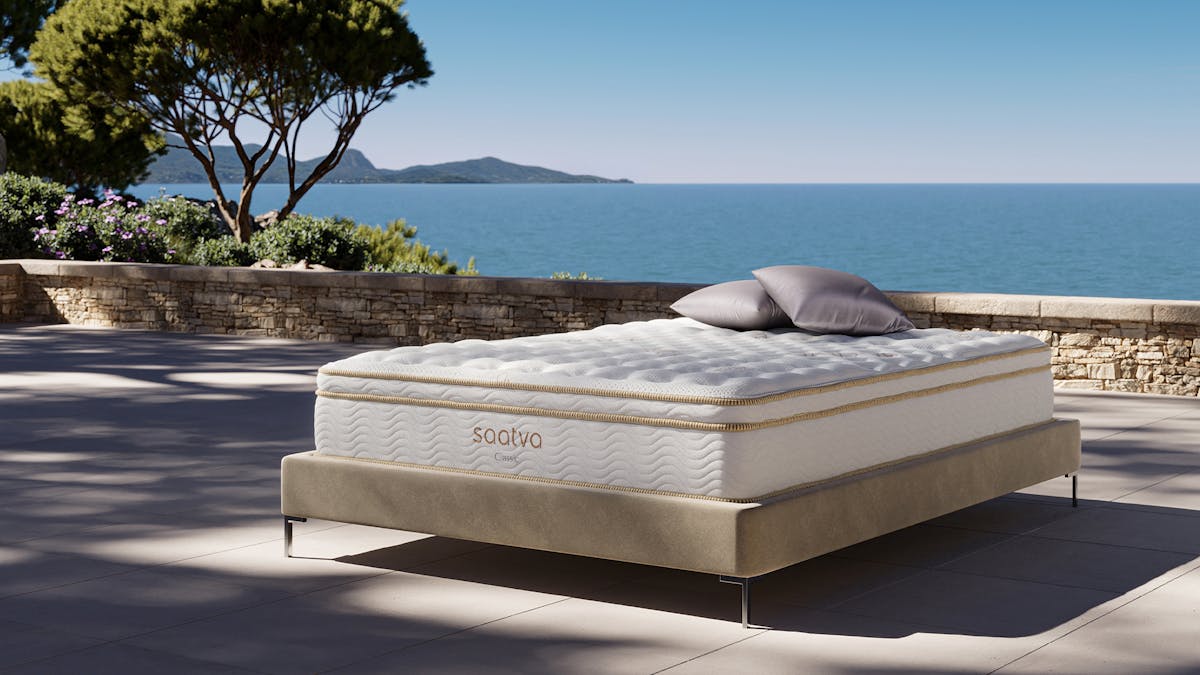
Topic Overview / What Matters
Dust mite mattress covers are encasements with fabric pores small enough to block dust mite allergens, which average 10 microns. Any cover with a pore size below 6 microns will block both the mites and their droppings, which are the actual trigger for most allergy symptoms. The cover must zip on all sides to be effective. A standard fitted protector leaves the bottom of the mattress exposed, which means dust mites can colonize the underside and shed allergens upward through the foam. Dust mite covers work best when paired with weekly hot water washing of sheets, since the airborne allergens still reach the bedroom from carpet, curtains, and upholstered furniture. The cover alone reduces nighttime exposure by 60 to 80 percent in clinical studies.
Editorial Pick · Current Sale
Current Sale — Amerisleep's current sale runs sitewide. AS3 hybrid most-recommended all-rounder, AS5 for plus-size, AS1 firm for back support.
Type / Material Comparison
| Type | Best For | Avoid If | Price |
|---|---|---|---|
| Membrane laminate | Severe allergy | Hot sleepers | $50 to $90 |
| Tightly woven cotton | Comfort plus block | Tight budget | $80 to $140 |
| Polyester knit | Daily use | Severe asthma | $45 to $85 |
| Eucalyptus blend | Hot allergy sufferers | Eucalyptus allergy | $90 to $160 |
| Cotton plus laminate | Best of both | High wash frequency | $110 to $190 |
Membrane laminate covers offer the best block but trap heat and crinkle when you move. Tightly woven cotton uses thread count above 250 to physically block mites without a plastic film. Polyester knit covers are the value pick and meet most allergy needs at half the price of premium models. Eucalyptus blends regulate temperature better than cotton and ship from brands targeting the cooling allergy niche. Cotton plus laminate hybrids combine the best block with a soft hand feel but cannot survive frequent washing past three years.
Performance & Care
Wash dust mite covers in hot water at 130 degrees Fahrenheit minimum, since lower temperatures do not kill mites. Use mild detergent and skip fabric softener, which clogs the pore structure. Tumble dry on medium and check the seams. Replace any cover that develops a hole, since a single quarter inch tear allows full allergen pass through. Wash sheets weekly in hot water as well. Vacuum the mattress surface monthly with a HEPA vacuum, which captures the mites that live in the cover seams. Run an air purifier in the bedroom during sleep hours for further allergen reduction. The cover does the heavy lifting, but a layered approach delivers the symptom relief most allergy sufferers actually want.
View Saatva accessory collection
The Saatva Choice
Saatva does not market a dust mite specific encasement, but the Saatva Organic Mattress Pad acts as an effective allergen barrier when layered correctly. The 300 thread count organic cotton top has a tight weave that blocks most surface allergens, and the polyurethane backing prevents mite migration from the mattress core upward. For severe allergy households, pair the Saatva pad with a third party dust mite encasement underneath. The encasement seals the mattress, the Saatva pad adds the comfort layer that encasements lack, and the system can be washed weekly without breaking the membrane. Saatva organic cotton is GOTS certified, meaning no chemical finishes that could trigger sensitivity in already sensitized sleepers. The pad costs around 165 dollars in queen, ships free, and lasts five to seven years with weekly washing.
View Saatva accessory
Buying Decision
Pick a membrane laminate cover for severe asthma or confirmed dust mite allergy, despite the heat trap. Pick a tightly woven cotton cover for moderate symptoms with comfort priority. Skip polyester knit if your symptoms include nighttime wheezing, since the slightly larger pore size lets through some particles. Always order the matching pillow encasement, since pillows hold more dust mites per gram than mattresses. Budget for replacement at year five for laminate models and year seven for cotton, regardless of how the cover looks externally. The pore membrane fails before the visible fabric does.
Bottom Line
Dust mite covers cut allergen exposure by 60 to 80 percent when paired with hot weekly washing. Pick membrane laminate for severe cases, cotton blends for comfort balance. Saatva organic pad layered over a third party encasement covers the comfort gap most encasement only setups create.
Get Saatva accessory - free shipping
FAQ
How small does the pore size need to be?
Below 6 microns blocks both dust mites and their droppings. Below 10 microns blocks only the mites themselves, which leaves the smaller droppings free to pass through. The droppings are the actual allergy trigger, so always pick covers that list a pore size under 6 microns on the spec sheet.
Will a dust mite cover help with cat or dog allergies?
Partially. Pet allergens are smaller than dust mite droppings and can pass through standard membrane covers. Look for covers labeled for pet dander as well, which use a tighter weave. Combined with weekly hot wash sheets and a HEPA bedroom air purifier, the cover reduces but does not eliminate pet allergen exposure.
How quickly will I notice symptom relief?
Most allergy sufferers report reduced morning congestion within two weeks of installing a quality dust mite cover and switching to hot wash sheets. Full reduction takes about six weeks, since the existing allergens in carpet and curtains also need cleaning during that period for the bedroom system to reset.
Does the cover make the mattress feel different?
Membrane covers crinkle and feel slightly stiffer. Tightly woven cotton feels almost like a regular sheet. Add a soft mattress pad on top to neutralize any feel change, which is the standard solution most allergy sufferers use after their first encasement install.
How often should I wash a dust mite cover?
Every two months in hot water. The pillow encasement should be washed monthly since pillows hold more allergens. Use mild detergent and tumble dry on medium. Replace the cover at year five if it is membrane laminate or year seven if cotton, regardless of how clean it looks.