
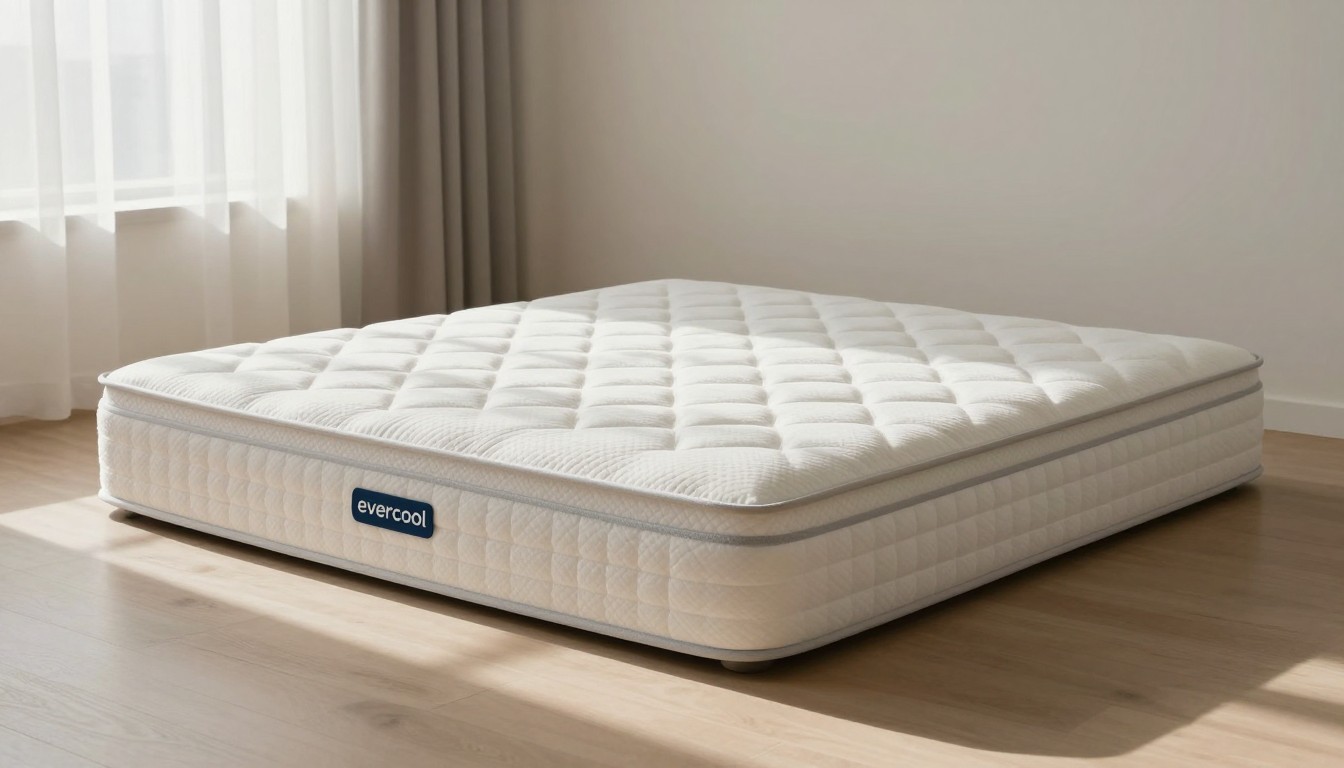
 by
by Quick answer: Evercool sheets make the most sense for hot sleepers who want an immediate cool-touch sensation, moisture management, and a smooth performance-textile feel. I’d skip them if you prefer crisp cotton, use aggressive laundry settings, or expect sheets to cool an entire bed. Rest markets the fabric as cool to the touch and moisture-wicking, but those claims don’t establish a measured drop in sleeping temperature. Updated for 2026.
My verdict on Evercool sheets: this is a specialized fabric with a coherent purpose, not a complete fix for every hot-sleeping problem. Contact cooling can make getting into bed more comfortable, while moisture movement may help the surface feel less clammy. The tradeoffs are a slicker texture, more careful laundering, and uncertainty about how long the initial cooling sensation lasts in different bedrooms.
- Best fit: Sleepers who like smooth performance fabrics and mainly struggle with a warm or damp sheet surface.
- Likely mismatch: Anyone seeking the dry crispness, loose drape, or familiar care routine of woven cotton.
- Biggest buying check: Confirm the exact fabric description, included pieces, fit specifications, and care label for the configuration being sold.
What Evercool Sheets Actually Promise
Contact cooling is the defining feature. Rest describes its Evercool fabric as cool to the touch and designed to move moisture away from the sleeper. That is a narrower and more believable proposition than claiming a sheet controls bedroom temperature.
The product belongs to the performance-bedding category rather than the traditional thread-count race. Rest’s descriptions emphasize how the surface behaves against skin, not the status of a particular cotton weave. That distinction matters because a performance textile can feel substantially different from percale or sateen even when every option is marketed as “soft.”
Configuration deserves separate attention. The Evercool name appears across collection-style retail pages, so a displayed photograph or headline may represent more than the individual item attached to a price. Before ordering, match the product name to the listed contents rather than assuming every configuration contains the conventional combination of fitted sheet, flat sheet, and pillowcases.
The Nut’s rule: Treat fabric performance, bundle contents, and fit as separate decisions. A convincing cooling description doesn’t tell you what arrives in the package or how the fitted sheet will behave on your mattress.
How I Read the Cooling Claims
A cold first touch and sustained heat management are different effects. A surface feels cool when it initially accepts heat from your skin quickly. That sensation can become less pronounced as the fabric and skin move closer in temperature, even if the material still feels smooth and dry.
| Claim or feature | What it reasonably means | What it does not establish |
|---|---|---|
| Cool to the touch, per Rest | The surface is intended to draw heat from skin quickly at initial contact. | A lasting reduction in mattress or room temperature. |
| Moisture-wicking, per Rest | Perspiration is intended to spread across the material rather than remain concentrated against skin. | That every sleeper will remain dry in every climate. |
| Smooth performance surface | Less of the papery or textured hand associated with some woven sheets. | The crisp feel or loose airflow of cotton percale. |
| Cooling-sheet label | A focus on surface sensation and moisture handling. | Active refrigeration or independent temperature control. |
Moisture-wicking also isn’t the same thing as absorbing a large amount of liquid. Wicking describes movement along or through a textile so evaporation can occur across a broader area. How effective that feels depends on airflow, humidity, the bedding above the sleeper, and how much moisture reaches the sheet.
The rest of the sleep system can overpower the surface effect. A less breathable mattress protector, insulating comforter, or heat-retentive mattress can remain the dominant source of discomfort. Evercool may improve the skin-level interface, but it isn’t designed to rebuild the layers underneath it.
Practical diagnosis: If you feel hot immediately where your skin touches the sheet, a cool-touch fabric addresses the right part of the problem. If heat builds from the mattress core or heavy top bedding, changing sheets may provide only partial relief.
Material, Construction, and Feel
The construction decision is really performance textile versus conventional woven bedding. Rest’s product language presents Evercool as a smooth, performance-oriented fabric. Product descriptions have also characterized the surface as knit-like rather than the crisp woven structure associated with percale.
A knit construction generally has more give and closer drape than a rigid weave. On a bed, that can create a fitted, body-following feel instead of the airy billow some sleepers expect from hotel-style sheets. That behavior may feel sleek and luxurious to one person and overly slick to another.
I would still check the exact fiber breakdown on the item and sewn-in label. Family names can remain consistent while colors, bundles, or revised versions change. The specific label is more useful than assumptions based on the word “cooling.”
| Material direction | Typical surface character | Main ownership tradeoff |
|---|---|---|
| Performance-style knit | Smooth, flexible, close-draping, and potentially cool at initial contact. | The slick feel can be polarizing, and the care label may require restraint. |
| Cotton percale | Crisp, dry, and structured, with a more traditional sheet feel. | It may lack the pronounced cold sensation of a performance surface. |
| Cotton sateen | Smoother and more fluid than percale, without copying an athletic-textile feel. | Its denser surface may feel warmer to some sleepers. |
Texture is the purchase risk I’d take most seriously. Cooling performance is easy to appreciate in a product description, but the hand feel is what touches you for the entire night. Recent verified-purchase reviews can help identify recurring words such as slick, stretchy, clingy, or crisp, but individual comments are signals rather than durability evidence.
Feel check: If you dislike smooth athletic shirts, stretchy pillowcases, or close-draping fabrics, the Evercool texture may be a bigger issue than its cooling benefits can overcome.
Moisture, Motion, and Mattress Support
A sheet can change surface friction and moisture feel, but it cannot change the structural mechanics of a mattress. Motion isolation still comes primarily from the mattress’s foam, coils, and transition layers. Edge support still depends on perimeter construction underneath the fitted sheet.
That distinction prevents a common buying mistake. If a partner’s movement wakes you or the side of the mattress collapses under weight, a cooling sheet isn’t the relevant repair. At most, a smooth surface may change how freely sleepwear moves across the bed, which is a feel issue rather than true motion isolation.
Moisture management is more relevant. Rest says Evercool is designed to wick moisture, so the intended benefit is a less clammy skin-level surface. The result can still vary with room humidity and airflow because transported moisture needs somewhere to evaporate.
- Sheet surface: Influences initial contact feel, friction, and moisture movement.
- Mattress protector: Can affect airflow between the sheet and mattress.
- Mattress construction: Determines how heat moves through foams, fibers, and coil spaces.
- Top bedding: Controls how readily body heat and humidity escape above the sleeper.
Fit, Sizes, and Everyday Use
Fit starts with pocket depth and elastic recovery, not a “deep pocket” label by itself. Compare the fitted-sheet specification on the exact item page with the complete profile of your mattress and protector. A generous label is less useful than a properly matched measurement.
Retail descriptions for some Evercool configurations mention a deep-pocket cut and orientation tabs. I would count those features only when they appear on the exact configuration being ordered. Collection-level wording can otherwise make a useful detail look universal when it may not be.
The flat sheet’s drape also changes the experience. A flexible performance textile is likely to settle closer to the body than a stiff percale weave. If your goal is the taut finish discussed in why hotel sheets feel so comfortable, remember that weave, finishing, laundering, and bed-making all contribute. Stretch alone doesn’t recreate a hotel bed.
Color and care are connected as well. Our explanation of why hotels stick with white sheets shows how visible cleanliness and commercial laundering shape that choice. A specialized cooling textile follows a different ownership philosophy, so don’t assume hotel laundry habits are appropriate for it.
- Match the exact product name to the contents shown in the item description.
- Compare the pocket specification with the mattress and protector together.
- Confirm that orientation tabs are listed for the configuration you want.
- Check color-specific photographs for sheen, drape, and opacity.
- Read the sewn-in care label before the initial wash.
Care and Long-Term Durability
Rest’s stated care guidance calls for cooler washing, low dryer heat, and avoiding chlorine bleach. That tells me laundry sensitivity is part of the ownership tradeoff. It doesn’t establish a specific lifespan, and I wouldn’t assign one without a traceable long-term source.
With a performance-style knit, I’d watch the surface, elastic, and seams separately. Surface fuzzing or pills affect hand feel. Relaxed elastic affects fit. Distorted seams can make corners rotate or pull unevenly. A change in cool-touch sensation may also occur without the sheet becoming structurally unusable.
High heat is especially hard to justify when the manufacturer explicitly calls for gentler settings. Even if a harsh cycle doesn’t visibly damage the fabric immediately, repeatedly ignoring the label makes it harder to judge whether later changes reflect ordinary wear or unsuitable care.
| Wear signal | What to inspect | Practical response |
|---|---|---|
| Rougher surface | Localized fuzzing, pills, or abrasion near feet and hips. | Review detergent, load friction, and dryer settings against the care label. |
| Looser fitted sheet | Elastic recovery and stress around corner seams. | Confirm the fit is correct before assuming the elastic has failed. |
| Less pronounced cool touch | Residue, surface wear, and changes following laundering. | Follow Rest’s cleaning directions and avoid improvised treatments. |
| Twisted or pulling corners | Seam alignment and mattress-to-pocket compatibility. | Recheck orientation and confirm the exact fit specification. |
Durability verdict: The construction should be judged by how well the knit surface, fitted-sheet elastic, and seams retain their function. A claim that the sheets still “feel cool” is too subjective to stand in for a complete durability assessment.
Evercool Versus Evercool+
The useful distinction is in the claims Rest attaches to each name. Rest presents both lines around cool-touch and moisture-wicking performance, while Evercool+ is marketed with an added antimicrobial feature. That is a manufacturer claim, not evidence of a measured hygiene outcome.
| Decision point | Evercool | Evercool+ |
|---|---|---|
| Core positioning | Cool-touch and moisture-wicking claims, per Rest. | Cool-touch and moisture-wicking claims, per Rest. |
| Additional positioning | No added antimicrobial claim emphasized in the comparison. | Antimicrobial feature claimed by Rest. |
| What needs verification | Exact fiber label, included pieces, fit, care, and item price. | The same details, plus the exact wording and care requirements attached to the added feature. |
| Reason to choose it | The standard cooling proposition is the main priority. | The additional manufacturer-stated feature is specifically important to the buyer. |
I wouldn’t pay more for the plus sign based on the name alone. Compare the actual item descriptions and bundle contents. An antimicrobial claim also doesn’t replace ordinary laundering or prove that the fabric will feel cooler or last longer.
Price and Value Need Careful Matching
According to G&W Home’s collection page on gwhome.com, the listed figures are $439.00, $259.00, and $180. Because those figures appear on a collection page, none should be treated as the universal price of an Evercool sheet set without matching it to the exact item and configuration shown.
That configuration problem matters more than a headline discount. A comforter collection, individual bedding component, and fuller sheet bundle can sit under related naming while offering very different value. Compare like with like before deciding that the highest or lowest displayed figure represents the sheets you want.
My value test focuses on usable ownership rather than the cooling label alone. The fabric has to feel acceptable, fit the mattress, survive the laundry routine you will actually follow, and include the pieces you need. If any of those conditions fail, even the lowest listed figure can be poor value.
- Identify the exact item attached to the displayed price.
- Confirm every included bedding piece in writing.
- Compare the fit specification with your complete mattress setup.
- Decide whether the smooth performance feel suits your texture preference.
- Account for the gentler care routine Rest specifies.
Who Should Buy and Who Should Skip
Evercool is best suited to sleepers whose main issue is the immediate feel of warm or damp fabric. Rest’s stated cooling and wicking aims line up with that use case, especially for someone who already knows they enjoy smooth, flexible performance textiles.
It is a weaker fit for a sleeper seeking crispness, loose drape, or simple laundry care. It is also the wrong tool for structural mattress problems such as weak edge support, motion transfer, or heat held deep inside dense comfort layers.
| Consider Evercool if | Look elsewhere if |
|---|---|
| You prioritize a cool sensation at initial skin contact. | You expect sheets to lower the temperature of the room or mattress core. |
| Moisture movement matters more than cotton’s familiar feel. | You strongly prefer crisp woven bedding. |
| You are comfortable following a gentle care label. | Your household routinely relies on hot washing, high dryer heat, or chlorine bleach. |
| You have verified the exact bundle and fitted-sheet specifications. | The collection page leaves you uncertain about the item attached to the price. |
Bottom line: Evercool earns consideration as a specialist surface-comfort product. Its strongest case is cool initial contact paired with Rest’s moisture-wicking claim. Its weakest case is any expectation of active, measurable, all-night cooling across the whole bed.
If You Decide You Want Natural Fiber Instead
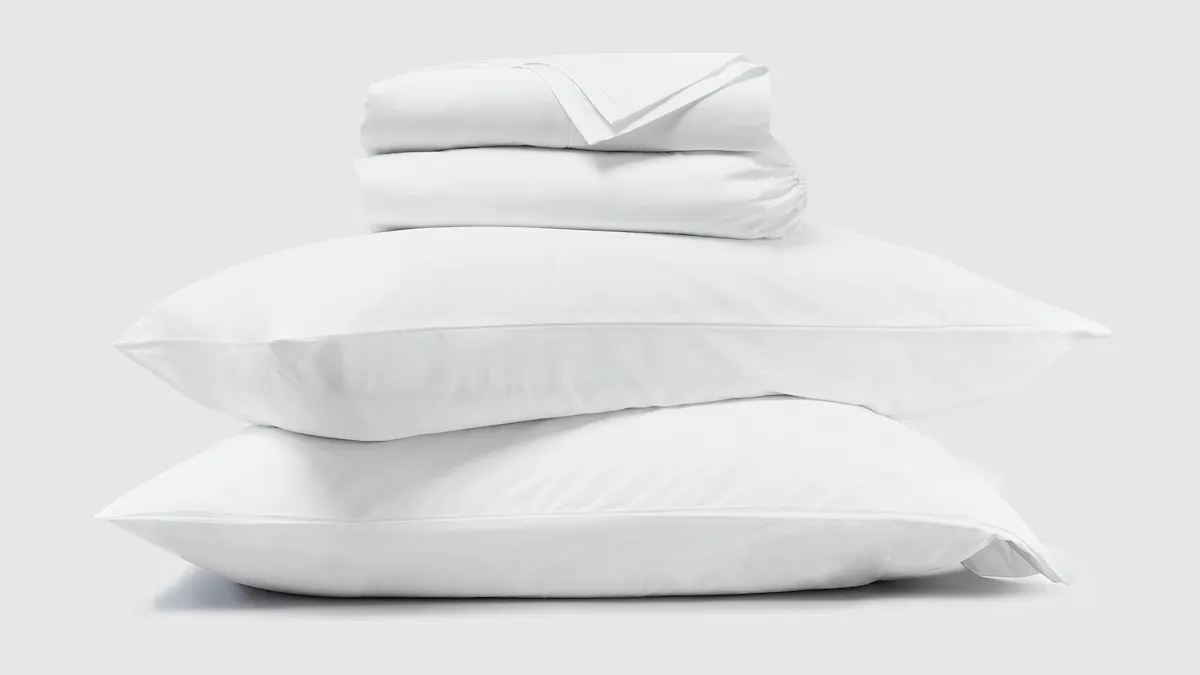
For readers who decide the performance-textile direction itself is wrong, the Saatva Organic Cotton Sheets are an optional natural-fiber reference rather than a proven cooling winner in this review. Judge their current weave, care label, fit, and included pieces on their own terms instead of treating them as an evidenced head-to-head replacement.
ONE VERIFIED ALTERNATIVE
Not quite the right fit? The Saatva Organic Cotton Sheets is worth a look as an alternative. Check today’s price, sizing and return terms on the official product page before you order.
Saatva Organic Cotton Sheets
- Saatva Organic Cotton Sheets are an optional natural-fiber reference rather than a proven cooling winner in this review
FAQ
Do Evercool sheets actually keep you cool all night?
Evercool sheets are marketed by Rest as cool to the touch and moisture-wicking. Those features may improve initial contact comfort and reduce the feeling of moisture concentrated against skin. They do not establish active cooling or a measured all-night temperature change. Mattress materials, the protector, top bedding, airflow, and room conditions can still dominate the result.
What is the difference between Evercool and Evercool+?
Rest positions both around cool-touch and moisture-wicking performance. The company markets Evercool+ with an additional antimicrobial feature. I would not infer better cooling, longer durability, or a measurable hygiene result from that added claim alone. Compare the exact labels, care directions, bundle contents, and item prices before choosing between them.
Are Evercool sheets difficult to care for?
They require more restraint than bedding that tolerates aggressive laundering. Rest’s guidance calls for cooler washing, low dryer heat, and avoiding chlorine bleach. Follow the sewn-in label for the exact set because revised materials or variants can carry different directions. The required routine is manageable, but it is a real ownership consideration.
Will Evercool fit a thick mattress?
Some retail descriptions mention a deep-pocket fitted sheet, but that phrase isn’t precise enough to confirm compatibility. Compare the exact pocket specification with the combined profile of your mattress and protector. Also verify that any advertised orientation tabs or fit features appear on the specific configuration being ordered.
Are cooling sheets worth choosing over cotton?
They can be worthwhile if you value a pronounced cool-touch sensation, moisture movement, and a smooth performance-fabric surface. Cotton may be the better direction if you prioritize a crisp woven feel, familiar drape, or a less specialized care routine. The right choice depends on the surface problem you want the fabric to solve, not which material carries the louder cooling label.