 by
by *How I'd detox a bedroom for under $600 started with a smell I couldn’t ignore anymore. At 3 a.m., my old mattress and polyester bedding felt hot, loud, and vaguely plastic, and I was tired of pretending a scented candle fixed it.
My budget was real. I wasn’t replacing every piece of furniture or building a showroom bedroom. I wanted a quieter, softer place to sleep, using the money on the layers that touched my skin first.
The moment I stopped buying around the problem
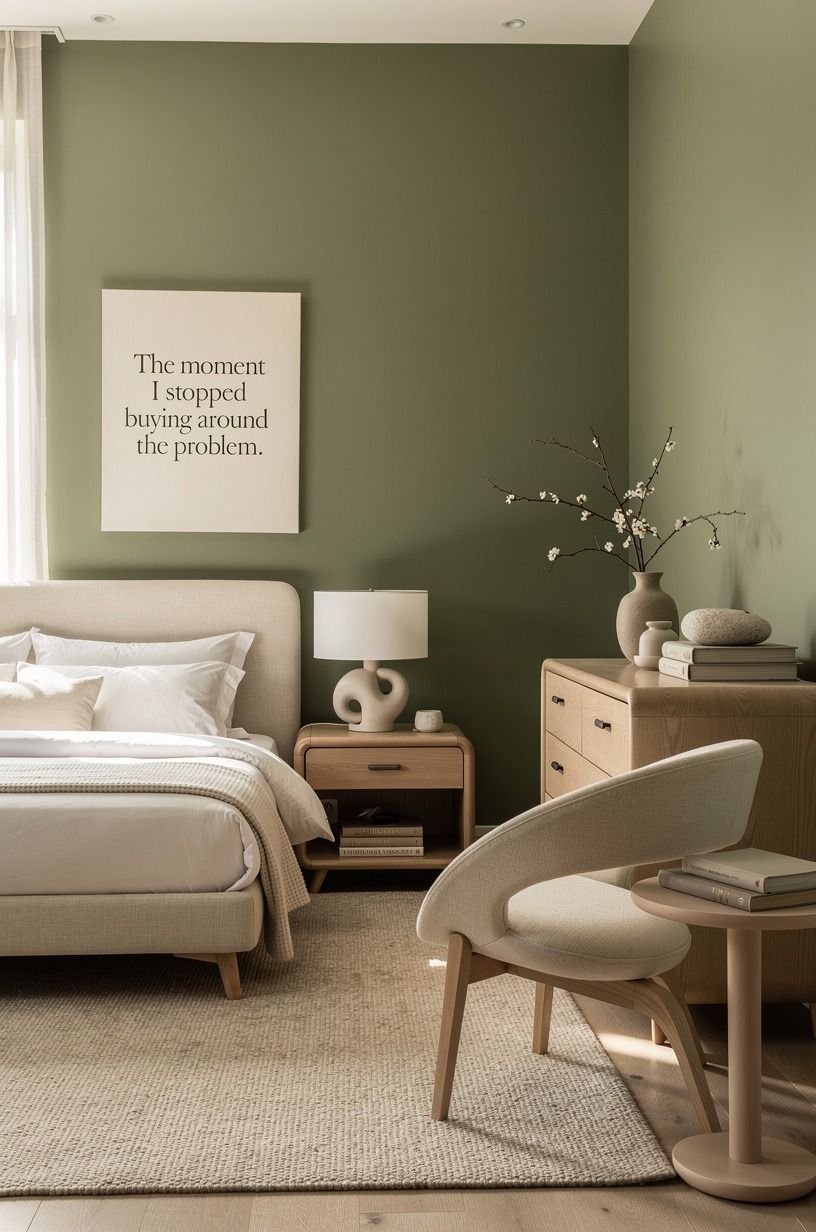
For too long, I bought little decorative things instead of dealing with the bed. A new throw.

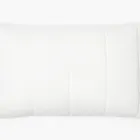
A prettier basket. One more pillowcase.
None of it changed the fact that I woke up feeling tangled in synthetic fabric.
I decided the $600 needed to cover the sleep zone before anything else: bedding, a protective layer, a pillow update, and a few low-cost changes to make the room feel less cluttered. I’d skip a dramatic headboard before I’d compromise on that. Your bedroom doesn’t need more objects if the bed itself still feels wrong.
And I was nervous about calling it a non toxic bedroom makeover, because that phrase can get very preachy, very fast. For me, it just meant removing things that bothered me and choosing materials I felt better living with.
Nothing mystical. Just a calmer reset.
I cleared the bed before I bought anything new
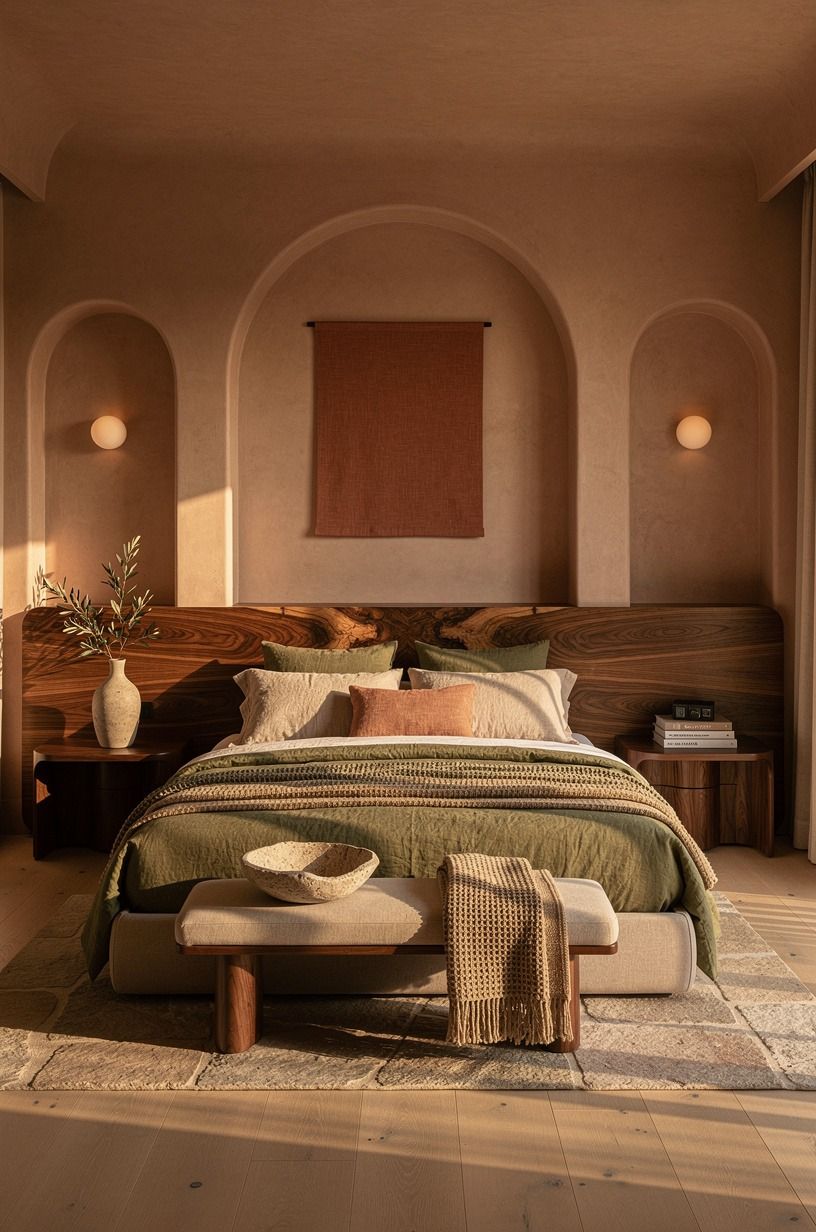
The first step was free, which mattered. I pulled off every layer, washed what I was keeping, and packed away the scratchy decorative pillows that never made it through the night anyway.
Bare mattress. Bare frame. Bare floor around it.
But that empty look made the real issue obvious: I’d been treating the bed like storage. Extra blankets, random clothes, a charging cable looped around the nightstand. I moved the hamper out, wiped down the frame, and gave myself one rule: if it didn’t help me sleep or make the room easier to use, it had to leave.
I also checked the bed’s proportions. A queen is 60x80 inches, and mine had been pushed so close to the wall that changing the sheets felt like a minor wrestling match. Moving it even a little gave me breathing room and made the whole space look more intentional.
If your room is tight, I found the layouts in this small-bedroom setup guide far more useful than trying to force matching furniture into every corner.
The Organic Mattress Pad was my first real decision
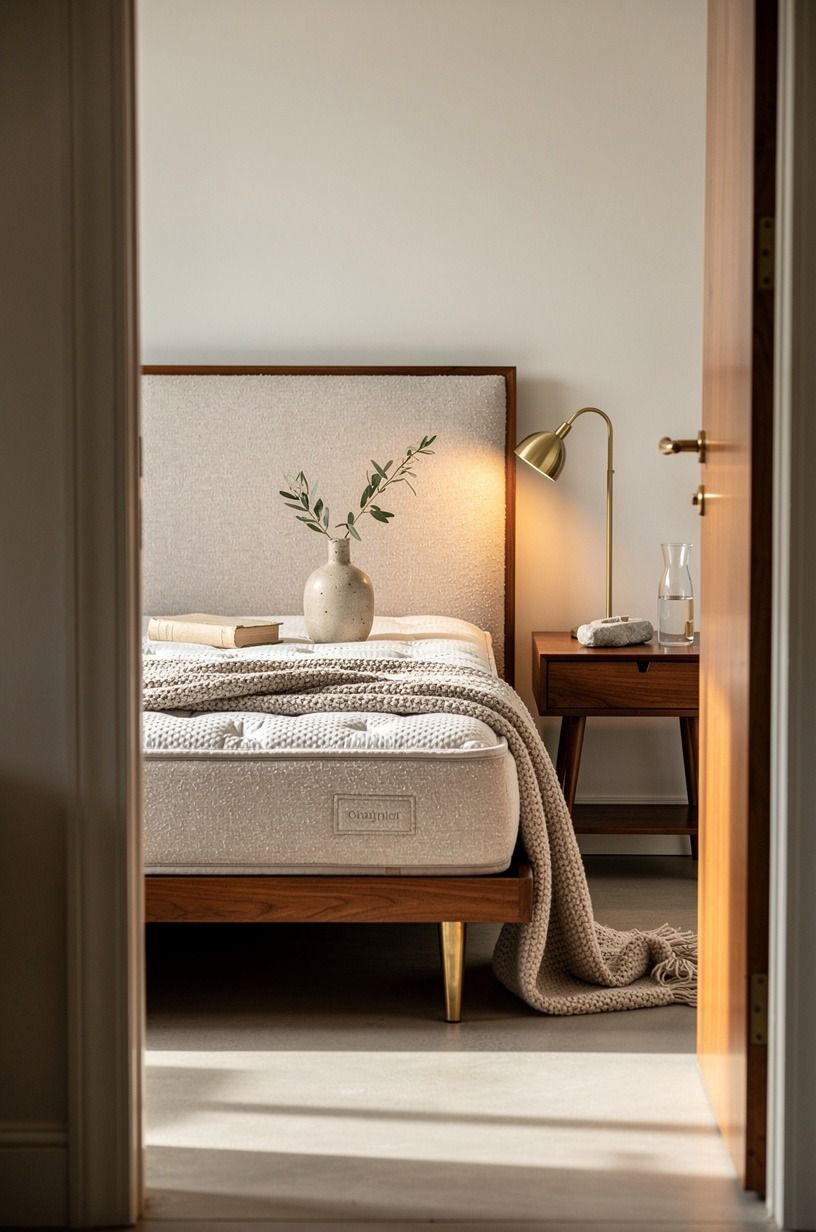
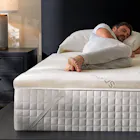
I started with the Organic Mattress Pad, because the old mattress wasn’t leaving my home yet. I wanted a fresh layer between me and something I couldn’t replace on this budget, and I wanted it to feel simple rather than bulky.
I wasn’t sure it was worth spending part of the budget there. For two weeks, I regretted choosing something I couldn’t show off from the doorway. Then I noticed I wasn’t waking up sweaty and irritated by rumpled fabric.
That changed my mind.
My opinion? A bedroom reset should begin where your body spends eight hours, not with a vase.
If you’re working with an older mattress too, my experience overlaps with this non-toxic bedroom makeover without a new mattress. You don’t need to make your bed look expensive.
You need it to stop feeling like an afterthought.
Soft, plain, useful.
I chose sheets for the feeling, not the photo
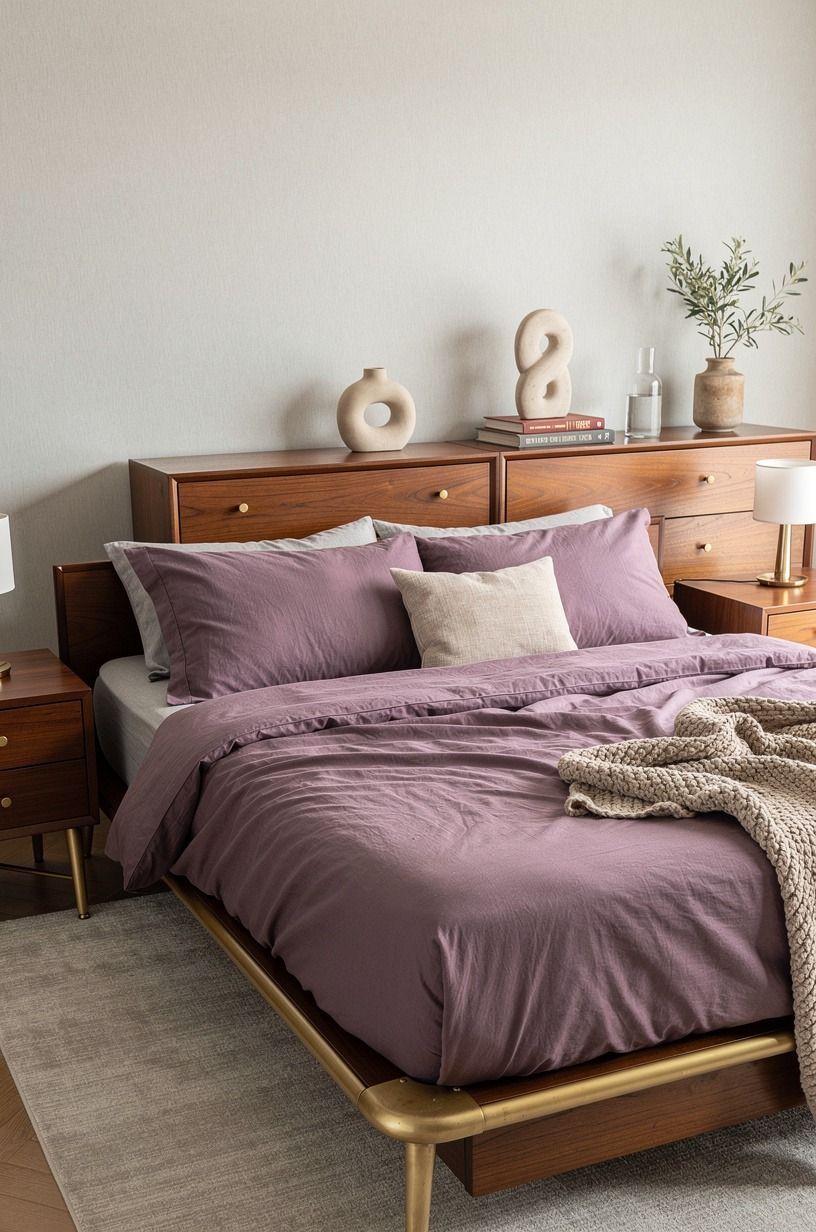
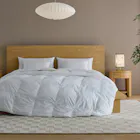
Next came Organic Cotton Sheets. I wanted fabric that felt cool when I first climbed in, not slippery or overly precious. I chose a warm white because I’m not disciplined enough for bright white bedding, and I’d rather wash something often than protect it from everyday life.
But I made one mistake at first: I tried to layer too many tones. Cream, tan, pale gray, muted pink.
It looked fussy by morning. I pulled it back to two soft neutrals and let the texture do the work.
I still think people overcomplicate non toxic living swaps in bedrooms. You don’t have to toss everything in one dramatic weekend.
I’d start with the sheet set you use most, then replace the pieces that annoy you as they wear out. That slower approach made the room feel more honest, and my bank account didn’t hate me for it.
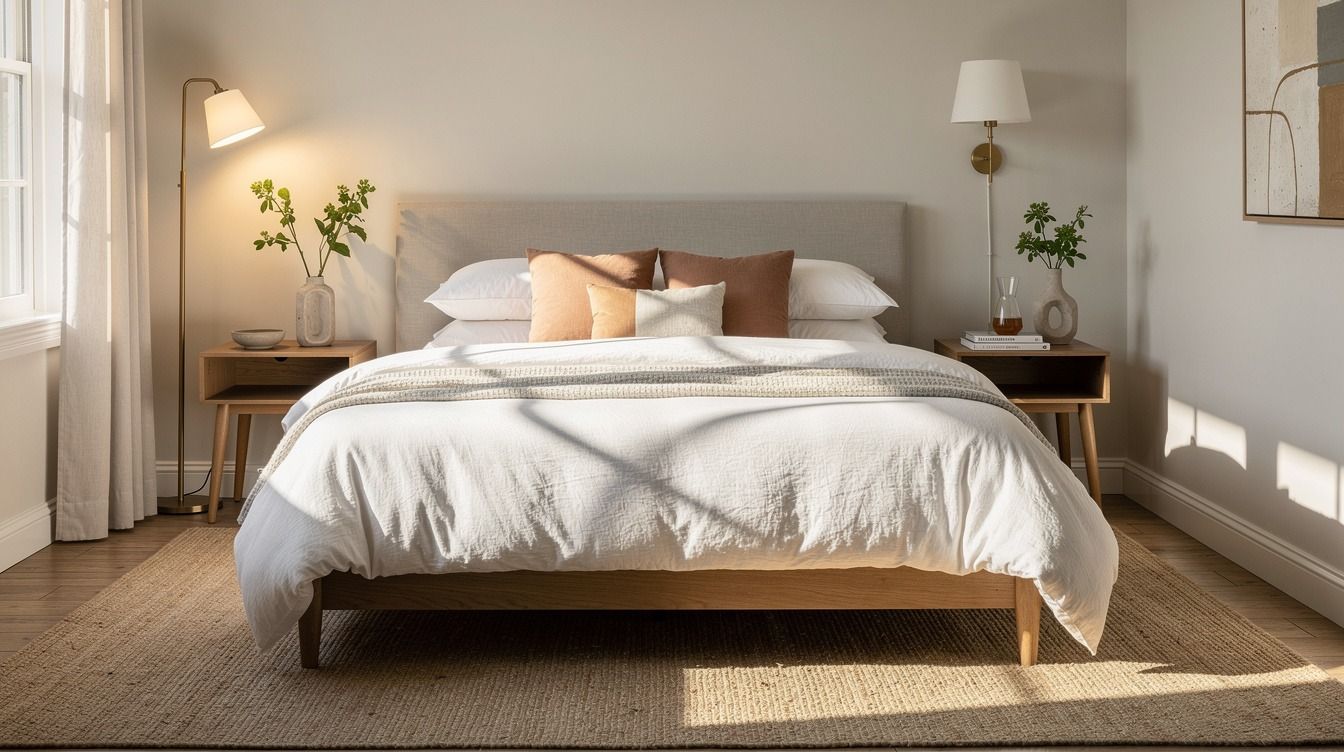
And yes, I cared about how it looked. The rumpled cotton in morning light was gentle and inviting, especially against Benjamin Moore Pale Oak OC-20 on the walls. Not dramatic.
Better than dramatic.

The Piece My Whole Bedroom Is Built Around
Natural materials, a 365-night home trial, free white glove delivery. Decide in your own room, not a showroom.
A cooler pillow changed my side of the bed
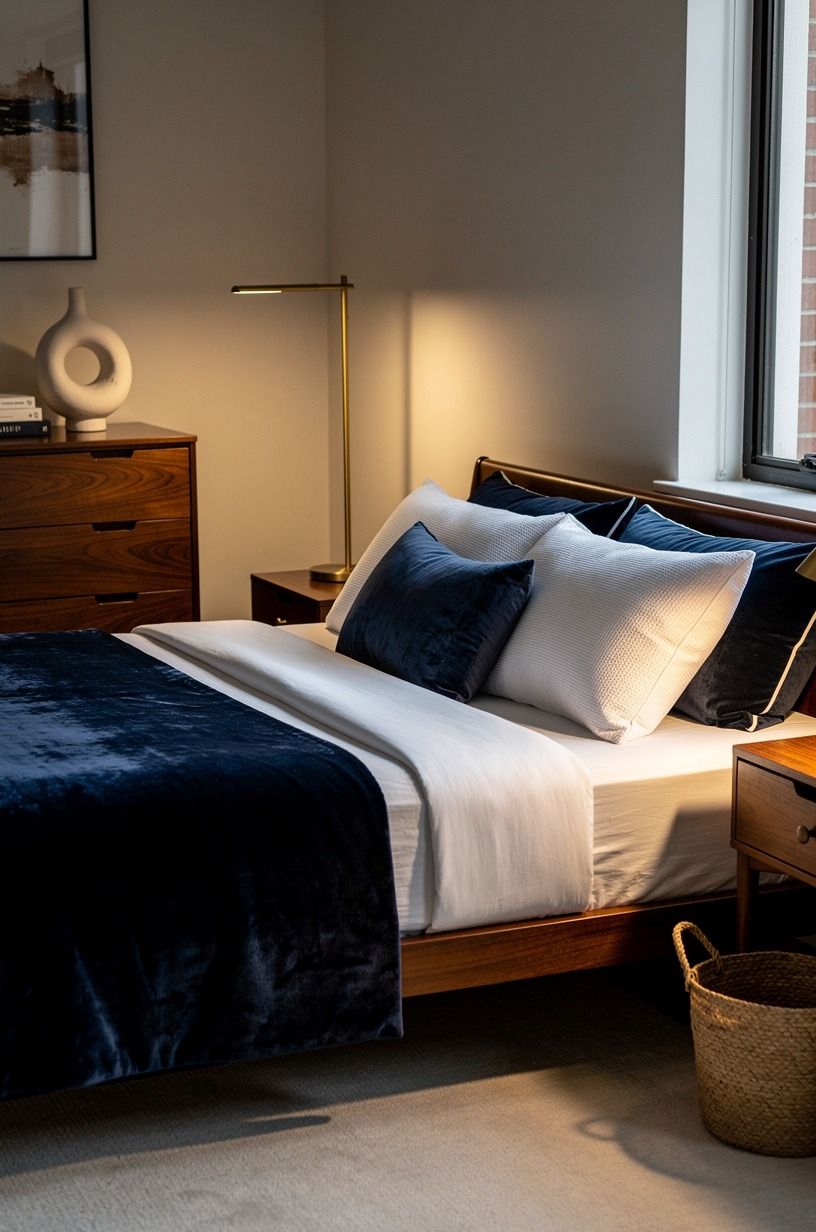
I added the Organic Quilted Pillow after admitting that I’d been folding my old pillow in half every night. That should’ve been a clue.
I’m picky about pillows, and I don’t think one style suits everyone. This one worked for my sleep position and felt more supportive without turning my neck into a science experiment.
It helped my sleep personally, but I wouldn’t tell you a pillow can solve a health problem. If allergies or pain are part of your situation, that’s a conversation for your doctor.
The small change had an unexpected effect: I stopped constantly rearranging my side of the bed. My sleep space finally stayed made for more than five minutes. I’d choose a better pillow over decorative euro shams every single time.
A real relief.
I kept one crisp layer for the nights I run warm
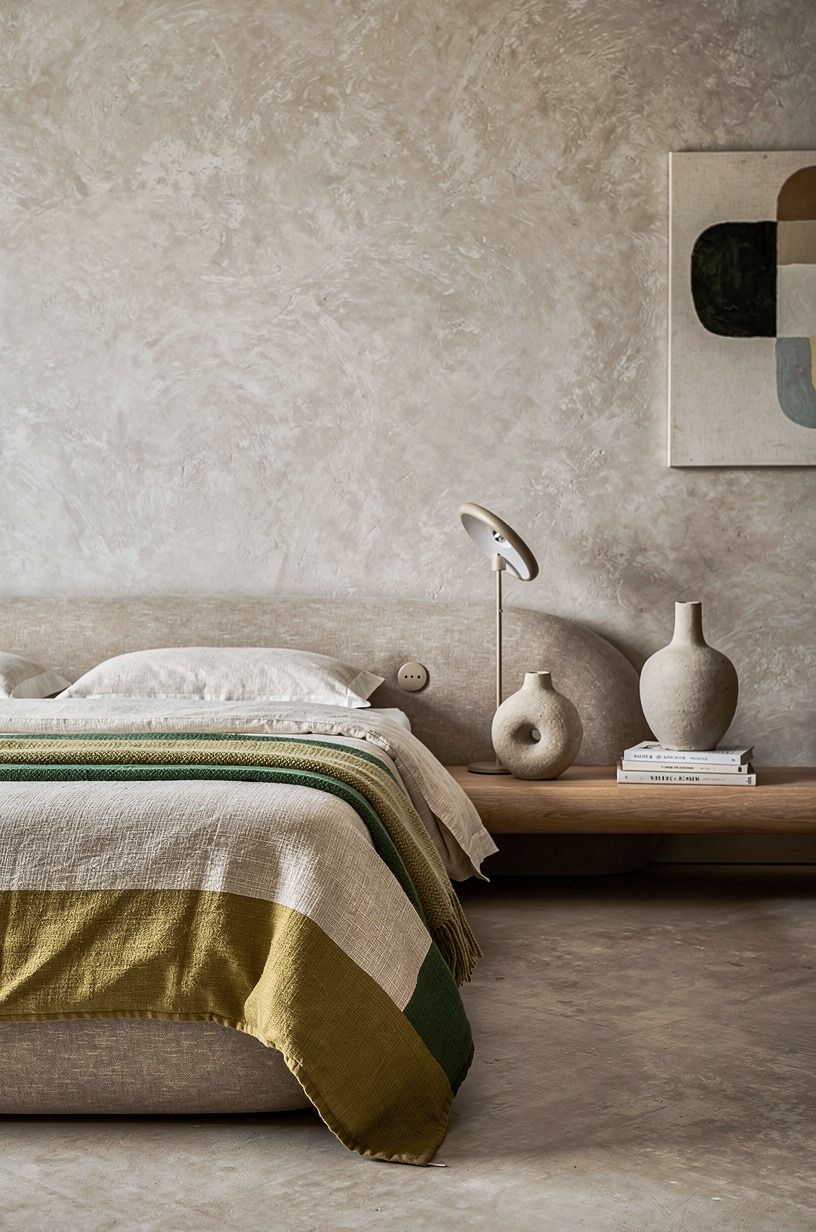
I brought in a Percale Sheet Set for warmer nights, and this was the layer I went back and forth on most. Did I need two sheet options?
Maybe not. But I like having one set that feels airy and crisp, especially in late summer when the bedroom gets stuffy before bed.
My reserve is that percale can feel too sharp if you expect that brushed, buttery feeling right away. It softened with use, but I wouldn’t buy it if you only want a plush bed. I prefer it because I like a bed that feels freshly aired out, not overstuffed.
That choice also stopped me from buying more blankets to compensate for bad bedding. Less bulk.
Fewer heat traps. A peaceful bed instead of a pile.
For a more plastic-free approach beyond sheets, I’d borrow ideas from this zero-waste bedroom refresh, but I kept my own version modest. I wasn’t chasing a flawless lifestyle. I was trying to sleep.
I made the rest of the room quieter
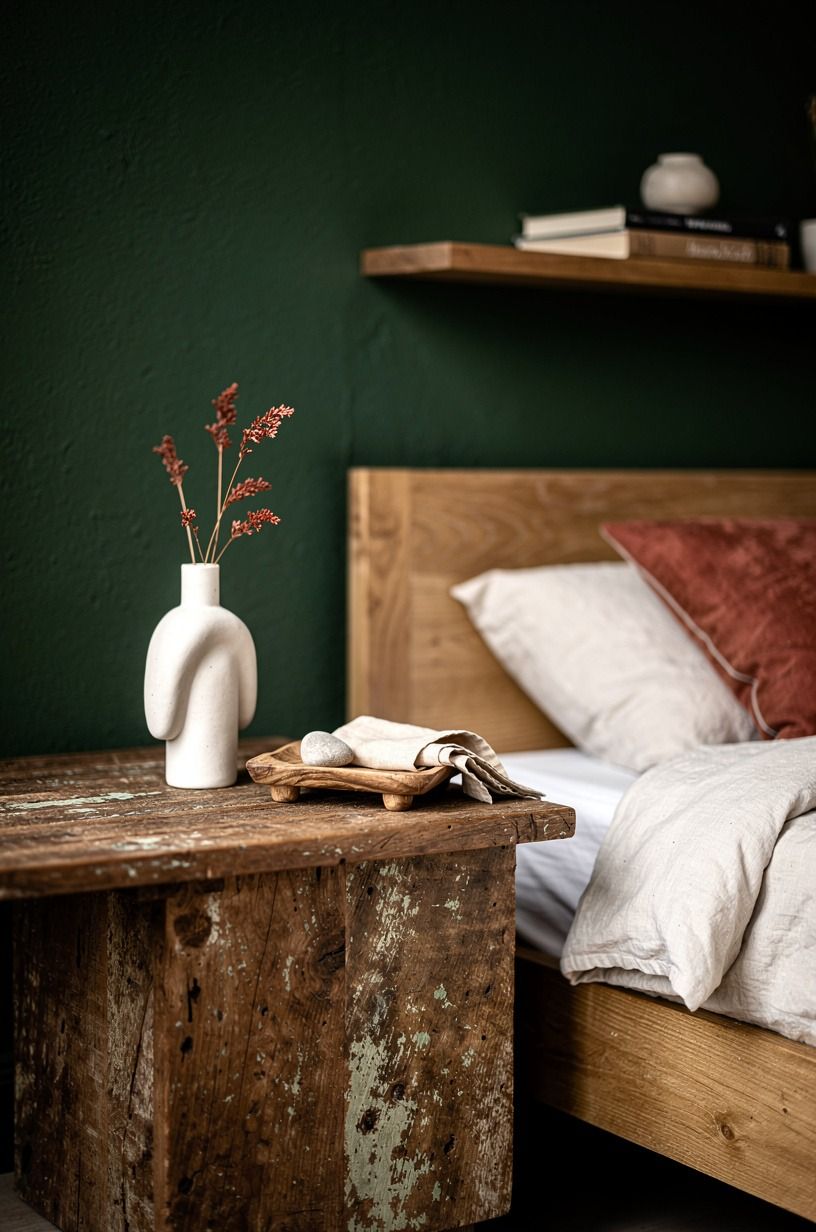
Once the bed felt right, I could see what the room needed. Not much. I put the lamp on a timer, removed the bright overhead bulb from my nighttime routine, and kept the nightstand surface nearly empty.
I chose a small warm-toned lamp beside the bed and a single book I was reading. That’s it.
I’d rather see a clear patch of wood than a lineup of skincare bottles catching dust. My nightstand is close to mattress height, around the usual 24 to 28 inches, so reaching for water doesn’t wake me up completely.
And I stopped trying to make my bedroom a multipurpose office. A charging basket outside the room, clothes contained, no laptop living at the foot of the bed. The atmosphere became more serene because I removed visual noise, not because I bought some grand new furniture.
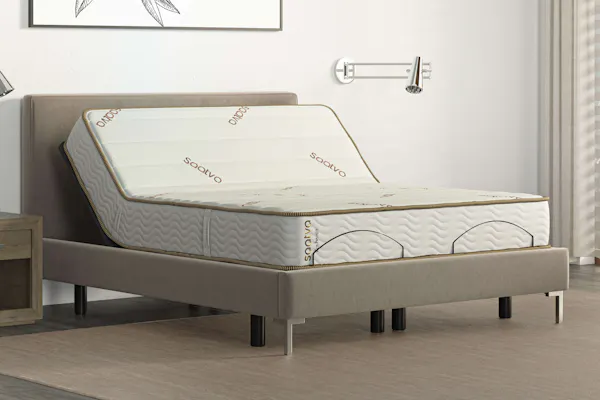 My pick for a healthier bedroomZenhavenTalalay latex, organic cotton, 365-night trial, lifetime warranty, free white glove delivery.See the Zenhaven
Build Your Own Healthier Bedroom
Sale pricing runs on orders over $1,000, and the 365-night trial gives you a full year of nights to be sure.
What I’d do differently next time
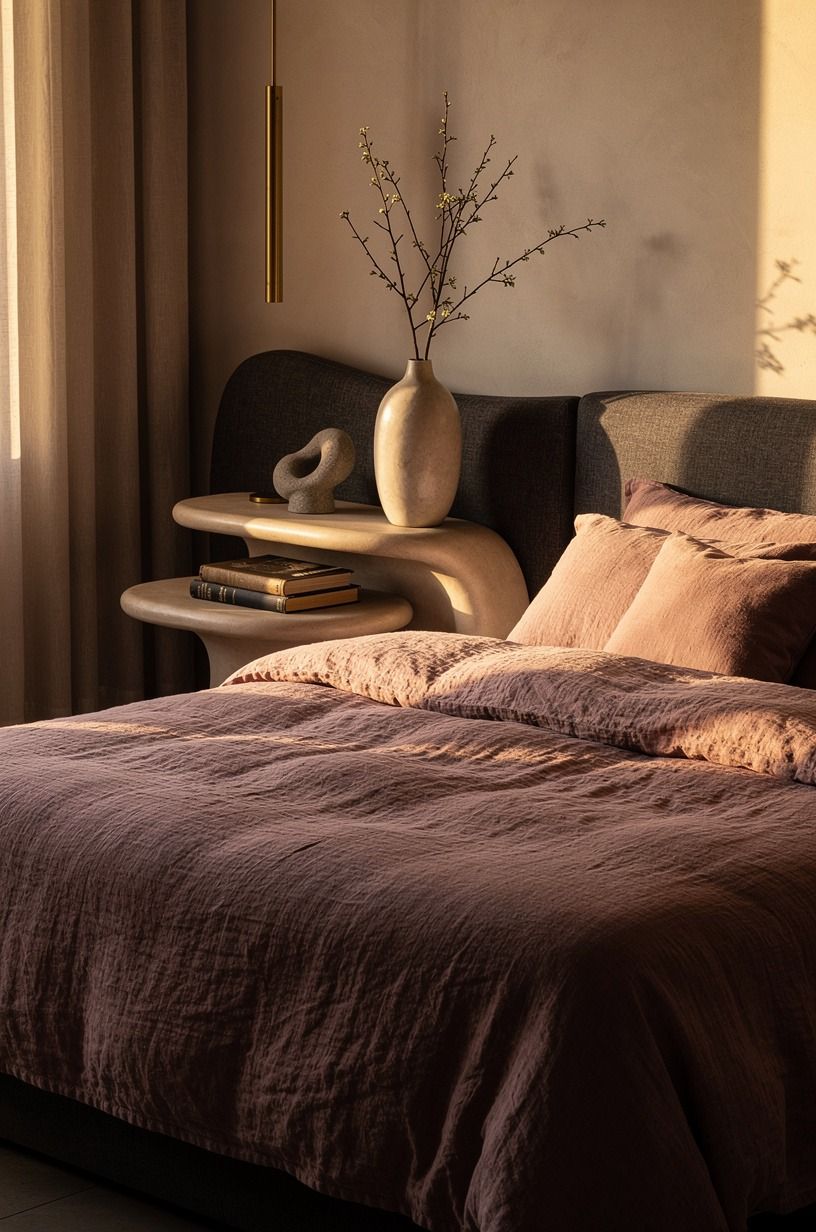
I’d measure the rug before deciding whether it belonged. Mine barely reached past the bed, and I learned that a rug should extend 18 to 24 inches beyond the sides to feel grounded. I kept it for now, but it’s the one part that still looks slightly apologetic.
I also wouldn’t rush the paint decision. I considered Farrow & Ball Setting Plaster No. 231, and I still love its earthy warmth, but changing wall color would’ve swallowed too much of this particular budget.
I’m glad I waited. A healthy bedroom doesn’t need to be finished in one burst of spending.
If I had to pick one, I’d start with the mattress pad. You can’t layer comfort on top of a bed that still feels unpleasant against your skin.
Pin this reset for later, then begin with the layer you notice at 3 a.m. Now, my lamp casts a small amber circle over the book on my clear nightstand.