
 by
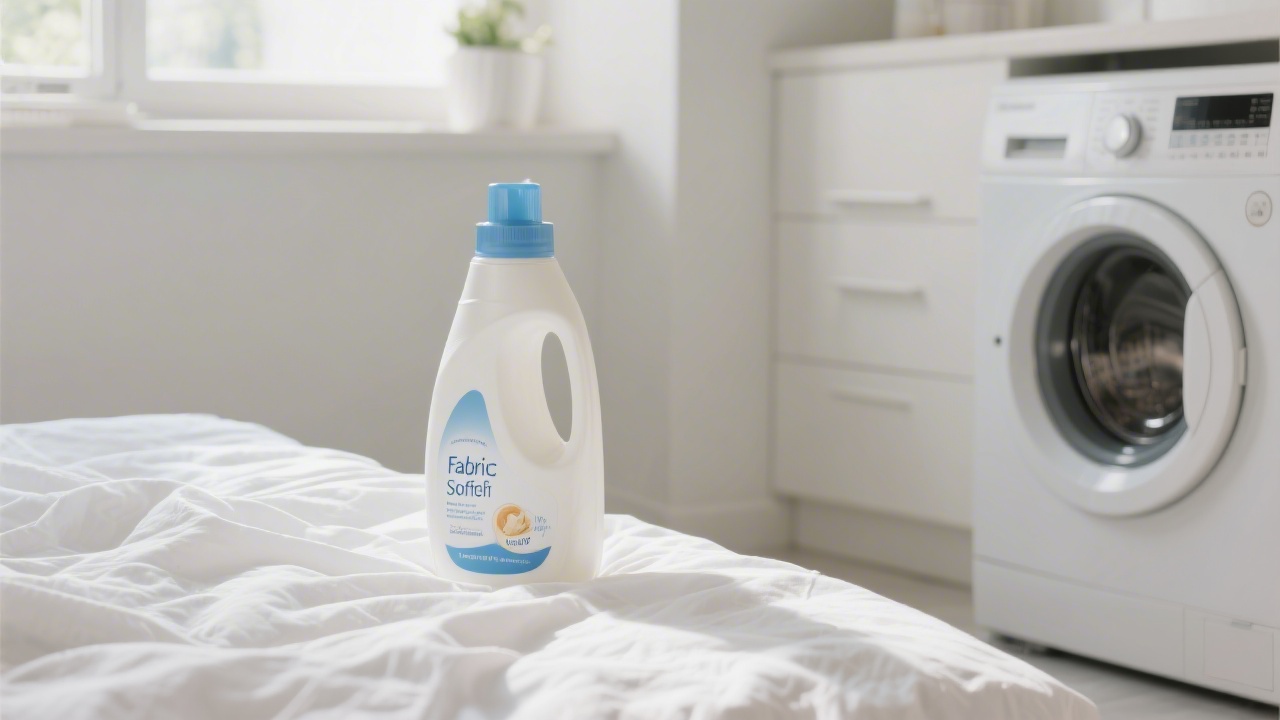
by Fabric softener seems like an obvious choice for sheets -- softer is better, right? The reality is more complicated. Fabric softener does make sheets feel softer on the first several washes. Then the coating builds up, absorbency drops, and the fabric eventually feels worse than it did without any softener at all.
TL;DR
Bed sheet selection comes down to weave (percale = crisp, sateen = silky), fiber (cotton, linen, bamboo, Tencel), thread count (200-400 ideal for percale), and fit (deep-pocket matters for pillow-tops).
Jump to section
What Fabric Softener Actually Does
Fabric softener works by coating individual fibers with a quaternary ammonium compound or silicone derivative. This coating lubricates fibers, reducing friction when they rub together -- which is perceived as softness. The effect is real, especially on rougher fabrics like percale cotton.
The problem is accumulation. The coating does not fully wash out with standard detergent. Each wash cycle adds a new layer. After 10-20 washes with fabric softener, the coating is thick enough to:
- Reduce the fabric's absorbency (the coating repels water)
- Trap body oils, accelerating yellowing in white sheets
- Make the fabric feel heavy and slightly sticky rather than smooth
- Cause pilling in softer weaves as the coated fibers pull against each other differently
When to Use vs. Avoid Fabric Softener on Sheets
| Sheet Type | Recommendation | Reason |
|---|---|---|
| Percale cotton | Occasional use only | Stiff percale benefits from initial softening; avoid routine use |
| Sateen cotton | Avoid | Already smooth -- softener reduces sheen over time |
| Bamboo / viscose | Never | Destroys moisture-wicking and natural softness |
| Linen | Avoid | Linen softens naturally with washing -- softener interferes |
| Flannel | Avoid | Coats raised fibers, accelerates pilling |
| Microfiber | Never | Destroys moisture-wicking properties completely |
| Jersey / T-shirt sheets | Avoid | Jersey's stretch comes from fiber structure, softener degrades it |
Better Alternatives
White Vinegar Rinse
Add half a cup of white vinegar to the fabric softener dispenser. Vinegar removes detergent residue from fibers (detergent residue is a major cause of stiffness), restores the fabric's natural pH, and leaves no coating. It does not leave a vinegar smell on dried sheets -- the acetic acid evaporates. This is the most effective softener replacement for all sheet types including bamboo and microfiber.
Dryer Balls
Wool or rubber dryer balls physically separate and tumble fabric during drying, which fluffs fibers mechanically without any chemical coating. 3-4 balls in a standard load provide noticeable softening effect, faster drying times, and reduced static -- all without the buildup problems of fabric softener.
Lower Wash Temperature
Stiff sheets after washing are often the result of washing at too-high temperatures. Cotton washed at 40C versus 60C feels noticeably softer if stiffness (not sanitization) is the goal.
How to Remove Fabric Softener Buildup
- Wash with hot water (60C) and a normal dose of detergent -- no fabric softener.
- Add 1 cup of white vinegar to the rinse cycle.
- Repeat 2-3 times over successive washes.
The vinegar helps break down the silicone coating; hot water helps it wash out. After 2-3 strip washes, most sheets recover significant softness and absorbency.
For full washing instructions, see How to Wash Bed Sheets. For keeping white sheets bright, see How to Keep White Sheets White. For drying techniques, see How to Dry Sheets Fast.
Frequently Asked Questions
Frequently asked questions about sheets
Our top sheet pick
Saatva Organic Percale Sheet Set — from $145
300-thread-count GOTS-certified organic long-staple cotton with a crisp percale weave. Hotel-grade feel, 45-night trial, deep pockets fit up to 15" mattresses.
What's the best cotton sheet fiber?
Long-staple cotton (Egyptian, Pima, Supima) wins on softness and durability. Regular cotton pills faster and feels rougher. All good sheet brands list the cotton type on the tag. Saatva uses 100% organic long-staple cotton.
How often should you wash sheets?
Every 7–10 days. More frequent if you sleep hot, share the bed with pets, or have eczema. Less frequent = acne breakouts, dust mite buildup, off-smell.
How long do quality sheets last?
Percale: 5–10 years. Sateen: 4–7 years. Linen: 15–30 years. Microfiber: 2–4 years. Sheet longevity is mostly about fiber choice and wash temperature (cool wash extends lifespan 30–50%).
Does fabric softener make sheets softer?
Initially, yes. Fabric softener coats fibers with a silicone-like compound that feels smooth on the first few washes. But the coating builds up over time, eventually making sheets feel stiff and waxy rather than soft.
What is the best alternative to fabric softener for sheets?
White vinegar (half cup in the rinse cycle) removes detergent residue, softens naturally, and does not build up coating. Dryer balls achieve a similar softening effect physically without any chemical coating.
Can fabric softener damage sheets?
Yes, with repeated use. The silicone coating builds up in fibers, reducing absorbency, trapping body oils, and eventually making the fabric feel stiff and look dull. On bamboo and microfiber, it destroys the moisture-wicking properties.
Should you use fabric softener on bamboo sheets?
No. Bamboo's softness comes from its natural fiber structure, not from treatment. Fabric softener coats the fibers and destroys the absorbency and moisture-wicking that make bamboo sheets valuable.
Does fabric softener affect the absorbency of sheets?
Yes. The silicone coating repels water. On standard cotton, this reduces the sheet's ability to absorb sweat. On bamboo, it eliminates the moisture-wicking entirely. Towels are the most obvious example: fabric-softener-coated towels bead water rather than absorbing it.
Key Takeaways
Should You Use Fabric Softener on Sheets? What It Does and Does Not Do is a topic that depends heavily on individual needs and preferences. The most important thing is to consider your specific situation - your body type, sleep position, and personal comfort preferences - before making any decisions. When in doubt, take advantage of trial periods to test before committing.
★ LUXURY INNERSPRING PICK
Upgrade Your Bedding: Saatva Organic Collection
✓ 365-Night Trial · ✓ Free White Glove Delivery · ✓ Lifetime Warranty