
 by
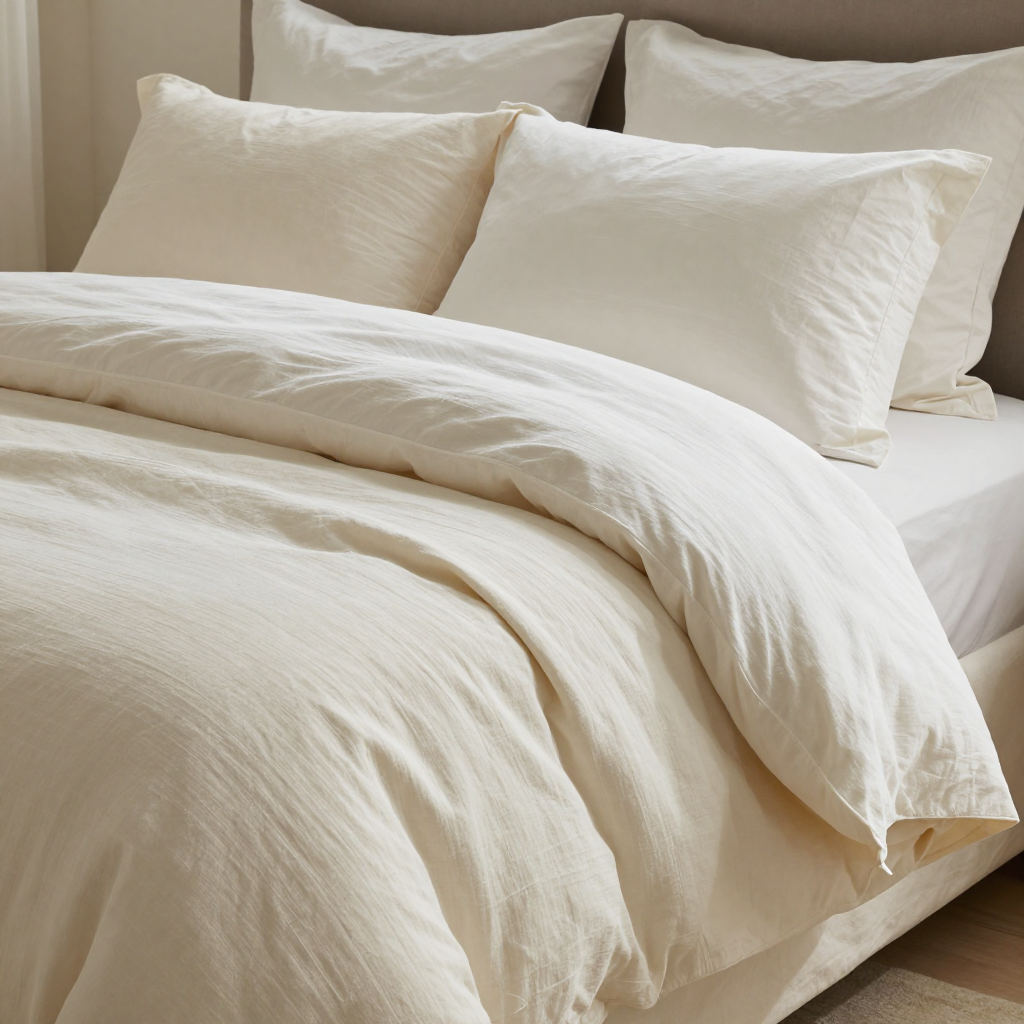
by A featherbed (also called a down topper or feather mattress topper) is a quilted cover filled with natural feathers or a down-feather blend, placed on top of your mattress for a cloud-like softness. Unlike foam toppers that conform under pressure, featherbeds envelop you in a soft layer that shifts and molds to your body weight. They're the traditional luxury hotel "cloud" feeling.
TL;DR
Mattress toppers add 2-4 inches of comfort at a fraction of the cost of a new mattress. Graphite-infused memory foam (Saatva) gives cooling + pressure relief; latex options offer bounce; polyester for budget. 180-night trial recommended.
Jump to section
Featherbed vs. Down Topper: What's the Difference?
| Type | Fill | Feel | Weight | Price |
|---|---|---|---|---|
| Featherbed | Mostly feathers (quills), some down | Firmer, more structured | Heavier | $80-$200 |
| Down Topper | Mostly down clusters, minimal feathers | Softer, more lofty | Lighter | $150-$400 |
| Down Alternative Topper | Synthetic microfiber | Similar to down, less lofty | Lighter | $50-$150 |
Featherbed Advantages
- Luxurious softness: The classic "sleeping on a cloud" feel impossible to replicate with foam
- Natural temperature regulation: Feathers and down naturally wick moisture and regulate temperature
- Adjustable feel: Fill can be redistributed by shaking and fluffing
- Long lifespan: Quality featherbeds last 8-15 years with proper care
- Price: Quality featherbeds are often cheaper than quality foam toppers
Featherbed Disadvantages
- No support: Featherbeds add softness only, they don't provide structural support or pressure relief the way foam/latex does
- Allergens: Can trigger allergies in sensitive individuals (down/feather proteins)
- Maintenance: Requires fluffing daily; dry cleaning or specialty washing needed
- Fill shift: Feathers migrate to edges and corners over time
- Quill poke-through: Lower quality featherbeds have quills that poke through the ticking
Best Featherbed Toppers
| Featherbed | Fill | Price (Queen) | Notable |
|---|---|---|---|
| Pacific Coast Touch of Down | 50/50 down/feather | ~$120-$180 | Most popular, good balance |
| Royal Hotel Featherbed | 75% feather / 25% down | ~$80-$130 | Budget, more structured |
| Down Inc. Featherbed | 95/5 feather/down | ~$100-$150 | Traditional, firmer feel |
| Brooklinen Down Alternative Topper | Synthetic microfiber | ~$149-$199 | Allergen-free, modern feel |
When to Choose a Featherbed vs. Other Toppers
Frequently asked questions about toppers
Our top topper pick
Saatva Graphite Memory Foam Topper, from $225
Graphite-infused cooling, available in 1.5", 2", and 3" thicknesses. 180-night trial, free white-glove delivery. The default pick whether you need pressure relief, cooling, or a stopgap for a too-firm mattress.
Will a mattress topper save a mattress that's too firm?
Yes, a 3" topper (memory foam or latex) meaningfully softens a mattress that's 1-2 firmness levels too firm. Works especially well on hotel-style mattresses that prioritize durability over comfort. Our default: Saatva Graphite Memory Foam Topper.
How much does a good topper cost?
$150-400 for 3" cooling memory foam or Talalay latex. Below $100 = thin, quick to flatten. Above $400 = diminishing returns unless you're buying natural certified organic latex.
Do mattress toppers void the mattress warranty?
Usually no, but a topper that traps heat and causes foam degradation can void the warranty. Use a breathable topper (avoid vinyl-backed) and you're fine.
Choose featherbed if: You love the classic hotel-soft feeling, you sleep at a good base temperature (featherbeds are warmer than foam/latex), and your mattress already has good support, featherbeds add softness but not structural improvement.
Choose latex/foam instead if: You have joint pain needing genuine pressure relief, you sleep hot, you need allergen-free materials, or your mattress has structural problems (sagging, inadequate support). A PlushBeds natural latex topper provides better functional improvement than a featherbed for most sleepers with specific needs.
FAQ
How do I wash a featherbed?
Wash in a commercial front-load washer (household top-loaders can damage featherbeds) on gentle/delicate cycle with warm water. Use a mild detergent without bleach or fabric softener. Dry on low heat with 3-4 dryer balls, it takes 2-3 drying cycles to fully dry. Never store damp (mildew risk). Many featherbeds specify dry-clean only, check the label.
Are featherbeds good for side sleepers?
Featherbeds provide softness for side sleepers but not the structural pressure relief that foam or latex delivers. Side sleepers with hip or shoulder pain typically get better results from a 2-3 inch latex or memory foam topper that specifically reduces pressure point load. A featherbed on top of an already-adequate mattress can improve comfort for light side sleepers without severe pressure issues.
How long do featherbeds last?
Quality featherbeds last 8-15 years with proper care. Signs it's time to replace: fill no longer lofts after fluffing, noticeable clumping that won't redistribute, persistent odor despite washing, or quill poke-through becoming uncomfortable. Washing and drying annually (with dryer balls to revive loft) significantly extends lifespan.
Mattress topper buying guide
A quality mattress topper extends the life of your existing mattress by 2-3 years and can adjust firmness by 1-2 levels on a 10-point scale. Here is what to look for.
Topper material options
- Memory foam — maximum contour and pressure relief. Best for side sleepers with hip or shoulder pain. 2-4 inch thickness is standard.
- Latex — responsive, cooling, durable. Best for sleepers who want support without the sinking feeling.
- Wool — temperature-regulating, natural. Thin toppers (1 inch) for temperature control; not for firmness change.
- Down / feather — plush, cloud-like. Adds softness but not support; pairs well with firm mattresses.
- Gel-infused foam — contour with better heat dissipation than traditional memory foam.
Topper thickness guide
- 2 inches — subtle comfort upgrade, minimal firmness change.
- 3 inches — most popular thickness, noticeable feel change.
- 4 inches — significant firmness adjustment, best for converting a too-firm mattress to medium.
How long toppers last
Memory foam and latex toppers last 3-5 years. Down toppers last 2-3 years. Polyester toppers flatten within 12 months.
Down vs Feather Fill Ratio: Why It Matters
"Featherbed" toppers vary from 100% feather to 90/10 down/feather, and the ratio determines almost every performance characteristic. Pure feather is denser, supports more weight, and stays cooler, but the quill stems poke through cheap covers (the "quill bite" complaint). Pure down is lighter, fluffier, and warmer, but compresses to a fraction of original loft within months under regular weight.
The 75/25 down-feather ratio (feather core, down cap) is the durable sweet spot, feather provides structural loft, down provides surface softness. Anything labeled "down topper" with under 600 fill power is functionally a low-quality feather topper at a higher price.
Fill Power Thresholds
Fill power measures cubic inches per ounce of down. The thresholds matter: 500 FP and below is commodity-grade, found in budget toppers and low-end hotel use. 600-650 FP is mid-range residential, decent loft for 3-4 years. 700-750 FP is premium and is the band most luxury bedding occupies. Above 800 FP is specialty Hutterite or European white goose down, exceptional warmth and loft per ounce, but premium pricing rarely justified for a topper.
For a featherbed topper, the smartest spec is 650 FP down outer with feather inner, in a 280-330 GSM downproof cotton cover. This combination resists quill bite, maintains loft for 5-7 years, and stays under the price ceiling where alternatives (latex, graphite-foam) start outperforming.
For allergy-sensitive sleepers, the Saatva Down Alternative Topper hits the same loft profile without the dust-mite vector that real featherbeds carry.
Allergen Processing
| Processing Standard | What It Removes | Allergy Suitability |
|---|---|---|
| Standard wash | Surface dust, oils | Mild sensitivity OK |
| Hyperclean / Responsible Down | 99.9% particulates, dust mite bodies | Most allergies safe |
| Down Alternative (poly) | N/A, synthetic | Severe allergies safe |
| Unprocessed import | Nothing reliably | Avoid for any allergy |
Look for RDS (Responsible Down Standard) or DOWNPASS certification. Both require traceability and humane sourcing in addition to cleaning. The certification matters not just ethically but as a quality proxy, uncertified down is also rarely properly sterilized.
FAQ
How long does a featherbed topper last?
5-7 years with regular fluffing. Loft loss accelerates after year 5. Below 70% original loft, replace.
Featherbed vs latex topper for back pain?
Latex wins for back pain. Featherbeds soften the surface but provide no structural support, they can worsen alignment for medium-to-firm mattress users.
Can you wash a featherbed topper?
Front-load commercial machines only, most home machines lack capacity. Tumble dry low with dryer balls. Air dry until 100% dry to prevent mildew in the down core.
Quill bite, how to prevent it?
Buy 280+ GSM downproof cover. Add a featherbed protector with tighter weave. Avoid pure feather; choose 75/25 down/feather minimum.
Hot sleeper friendly?
Surprisingly yes, feather is more breathable than memory foam. But for severe heat issues, graphite-latex outperforms.
Compare with our cooling topper guide and methodology. View the Saatva Down Alternative Topper for allergy-safe featherbed feel.