
 by
by A fitted sheet wraps around the mattress with elasticized corners to stay in place all night. A flat sheet sits between you and your comforter as a top layer. You need a fitted sheet. You may or may not want a flat sheet. If you want certified organic bedding, the PlushBeds Bamboo Sheet Set is our tested top pick for either use case.
PlushBeds Bamboo Sheet Set
9.0/10
- Silky-soft from the first wash, no break-in period needed
- OEKO-TEX 100 on the finished fabric, the strongest residue certification available
- Reinforced elastic that wraps the full perimeter of the fitted sheet, eliminating corner-pop
- Naturally moisture-wicking and cooler than cotton, solid for hot sleepers
- Viscose bamboo is not as durable long-term as extra-long-staple Egyptian cotton
- Narrower color range than mainstream cotton options
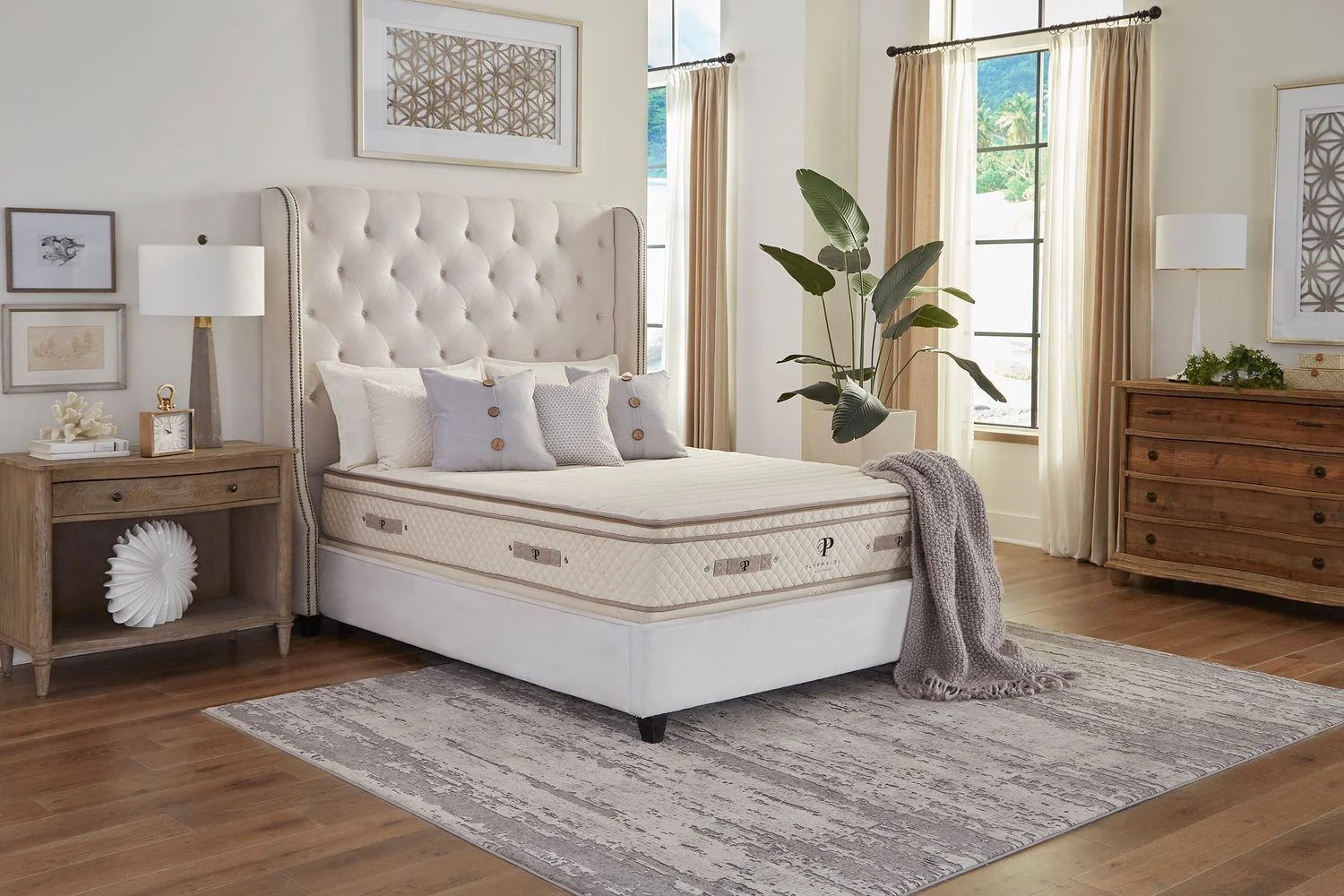
Whether you need a fitted sheet to anchor your mattress or a flat sheet to sleep under, the PlushBeds Bamboo set delivers both in one certified, breathable package. The full-perimeter elastic on the fitted sheet holds through extended wash cycles on even thick pillow-top mattresses.
Fitted sheet vs flat sheet: what each one does
These two sheets serve different jobs. A fitted sheet goes directly over the mattress. Its elasticized corners hold it flat and taut all night, protecting the mattress from body oils, sweat, and general wear. A flat sheet has no elastic. It sits on top of the fitted sheet, between your body and your comforter or duvet. Its job is to protect the comforter from washing too often and to add a lightweight layer on warmer nights.
Most American beds use both. Most European beds skip the flat sheet entirely, putting a washable duvet cover over the comforter instead. Both approaches achieve the same hygiene goal.
Flat sheet vs fitted sheet: side-by-side comparison
| Feature | Fitted Sheet | Flat Sheet |
|---|---|---|
| Position on bed | Directly on the mattress | On top of fitted sheet, under comforter |
| Construction | Elasticized corners (or full perimeter) | Flat rectangle, no elastic |
| Primary function | Protects mattress from body contact | Protects comforter, adds a sleep layer |
| Wrinkle resistance | Better (elastic keeps it taut) | Lower (free edges bunch overnight) |
| Versatility | One-use: bottom sheet only | Can replace a light blanket in summer |
| Essential? | Yes, for mattress protection | Optional, personal preference |
| Temperature control | Indirect (material-dependent) | Direct: adds or removes a layer easily |
| Price (at quality tier) | Slightly lower | Slightly higher for printed designs |
Fitted sheet: a closer look
Fitted sheets are the older, more practical design. The elastic corners grip the mattress so the sheet stays in place no matter how much you move overnight. Higher-end versions run elastic all the way around the perimeter rather than just at the four corners, which eliminates the corner-popping problem that plagues cheaper sheets on deep mattresses.
The main tradeoff is aesthetics. Fitted sheets are almost always a solid color or simple pattern, and folding them neatly for storage is notoriously annoying.
Pros
- Stays in place all night without tucking
- Easy to put on and take off the mattress
- Available in every fabric: cotton, bamboo, microfiber, linen, percale, sateen
- Protects the mattress surface from dust, allergens, and body oils
- Washable in a standard machine
Cons
- Limited design options compared to flat sheets
- Cheap versions pop off deep mattresses overnight
- Difficult to fold and store neatly
Flat sheet: a closer look
Flat sheets are a simple rectangle of fabric. They do not grip the mattress on their own. You tuck them under the mattress at the foot of the bed or leave them loose. They offer far more variety in design, color, and seasonal fabric weight, which makes them the more decorative choice.
Used as a top sheet, a flat sheet lets you sleep lighter on warm nights without throwing off the whole comforter. Used as a bottom sheet (tucked in tightly at all four corners), it can substitute for a fitted sheet in a pinch, though it will shift more overnight.
Pros
- Wide range of colors, prints, and designs
- Multi-use: top sheet, light summer blanket, or bottom-sheet substitute
- Good temperature flexibility, remove or add the layer without disturbing the comforter
- Easy to fold and store
- Allows more variety in fabric weight (seasonal options)
Cons
- Slips and bunches overnight without tucking
- Printed or luxury materials can cost noticeably more
- Silk or specialty flat sheets require careful washing
Can you use a flat sheet as a fitted sheet?
Yes, with some effort. Take a flat sheet that is at least one size larger than your mattress and spread it evenly over the surface. Fold the corners hospital-style, pulling the fabric diagonally across each corner and tucking it under the mattress. Tuck the long sides under as well. It will hold reasonably well on a firm mattress but will shift on a soft or pillow-top mattress without the grip of real elastic corners.
For a long-term solution, buy a fitted sheet. For a temporary fix, a large flat sheet tucked tightly works well enough for most sleepers.
Do you need both a flat and fitted sheet?
The fitted sheet is non-negotiable. Sleeping directly on a bare mattress damages the surface and voids most mattress warranties. The flat sheet is a genuine choice.
The European approach skips the flat sheet entirely. A duvet with a washable cover provides the same hygiene protection and is faster to make in the morning. An increasing number of American buyers are adopting this method, particularly those with duvets in duvet covers they wash every two to three weeks.
When to use a flat sheet
- Hot weather when you want a light layer without a full comforter
- When using a comforter without a washable duvet cover
- When you simply prefer the layered feel of traditional American bed-making
When to skip the flat sheet
- You sleep with a duvet in a washable cover
- You prefer minimal bed-making in the morning
- You run hot and want fewer layers
What to look for in sheets: fabric guide
The fabric matters more than the fitted vs flat question for most buyers. Here are the main options at a glance:
| Fabric | Feel | Best for | Notes |
|---|---|---|---|
| Bamboo viscose | Silky, cool | Hot sleepers, sensitive skin | OEKO-TEX 100 on finished fabric is the key certification |
| Percale cotton | Crisp, cool | Hot sleepers who prefer cotton | Gets softer over time; at least 200 thread count |
| Sateen cotton | Smooth, slightly warm | Cold sleepers wanting a luxe feel | Higher sheen; slightly more wrinkle-prone |
| Egyptian cotton | Soft, durable | Long-term investment buyers | Extra-long staple (ELS) only; many blends mislabeled |
| Linen | Textured, breathable | Very hot sleepers | Softens significantly over years of washing |
| Microfiber | Soft, warm | Budget buyers | Less breathable; not ideal for sensitive skin |
Frequently asked questions
Why use a flat sheet instead of a fitted sheet?
A flat sheet is not a substitute for a fitted sheet. It serves a different purpose: it goes on top of the fitted sheet, between you and the comforter, to reduce how often you wash the comforter. It also works as a standalone light blanket in warm weather. Most beds use both at once.
Can you sleep with just a flat sheet?
Yes. On a warm night a flat sheet works fine as the only cover. It is not effective as the only bottom sheet long-term because it will slip overnight and leaves the mattress less protected than a fitted sheet with elastic corners.
What is the most comfortable type of sheet?
Comfort is personal, but bamboo viscose and long-staple cotton sateen consistently score highest in owner surveys for softness. Bamboo is naturally cooler and silky from the first use. Cotton percale is crisper and gets softer over 10 to 15 washes. For sensitive skin or allergies, an OEKO-TEX 100-certified bamboo sheet like PlushBeds is the most defensible choice.
Do fitted or flat sheets go first?
Fitted sheet first, directly on the mattress. Then the flat sheet on top, with about 12 to 18 inches hanging over the foot to allow for tucking if desired. Then the comforter or duvet on top of everything.
How often should you wash sheets?
Both fitted and flat sheets should be washed once a week for most adults. If you have allergies or pets in the bed, every five to seven days is the common recommendation. The more layers you sleep under, the less frequently the outer layers need washing.
More bedding guides: best luxury bed sheets | bamboo vs Egyptian cotton sheets | bedspread vs comforter | thread count guide.