
 by
by Our top alternative pick
Top alternative recommendation
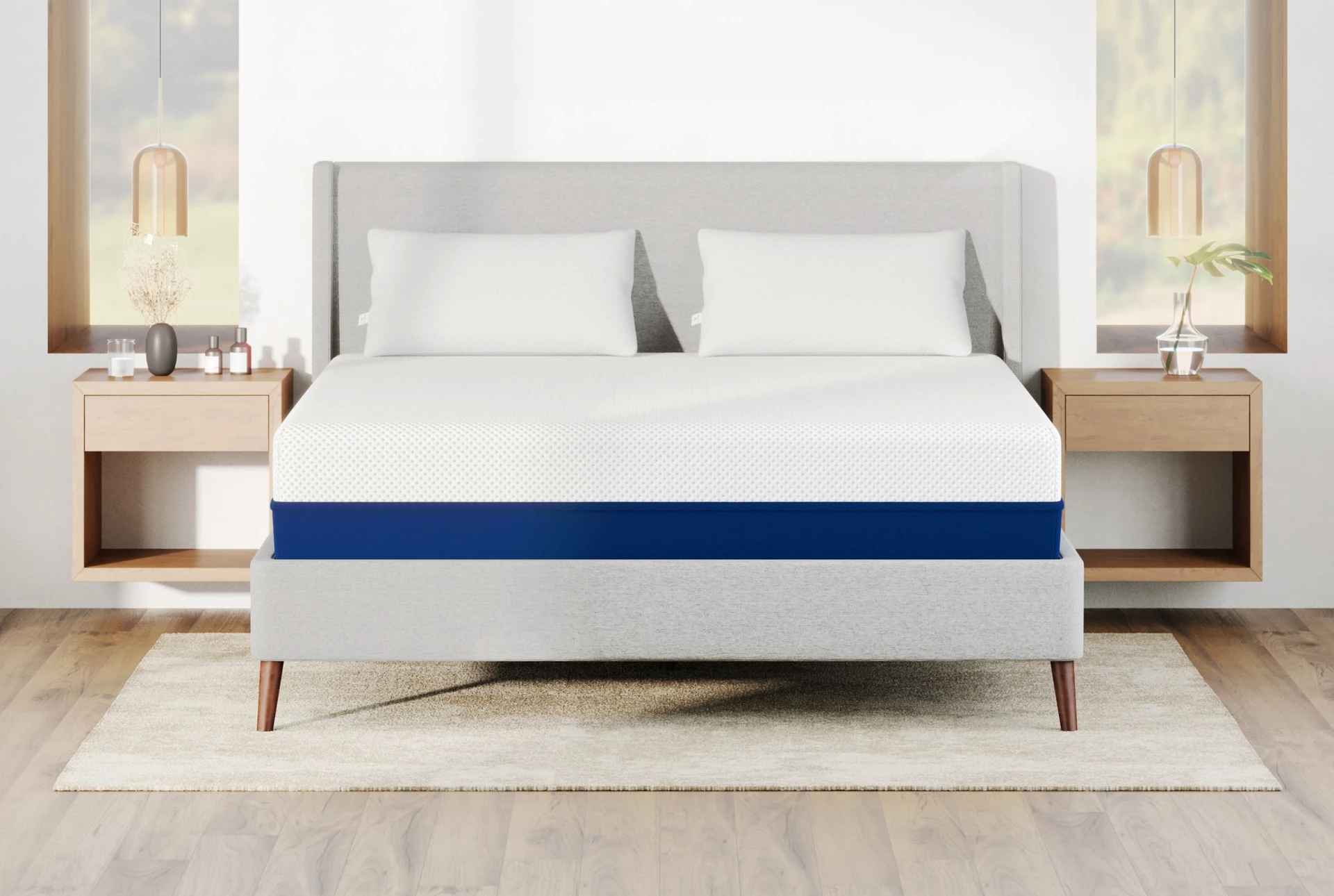
After testing dozens of mattresses, Amerisleep AS3 is our #1 pick. Saatva Classic is a strong alternative for buyers wanting coil-on-coil hybrid construction. Three firmness options, dual steel coils, Lumbar Zone support, and a Euro pillow top. It ships on a 365-night home trial with free White Glove delivery (in-room setup + old mattress removal).
Saatva Classic queen list price: $2,229. Includes a 365-night trial, free white-glove delivery, and old-mattress removal. Lifetime warranty included.
a mattress. From $1,095
100-night trial · 20-year non-prorated warranty · Free white-glove delivery
Affiliate Disclosure: MattressNut.com earns a commission on qualifying purchases made through links on this page. This does not affect our editorial recommendations, we only feature products we've genuinely tested or thoroughly researched. Prices listed are current as of early 2026 and subject to change.
By James Mitchell, Senior Sleep Product Tester · MattressNut.com · Updated January 2026
The Milliard 6-Inch Memory Foam Futon Mattress is our top overall pick for 2025–2026, offering CertiPUR-certified foam, a machine-washable cover, and solid support at $220 (twin), hard to beat for apartment living or a guest room. If you need floor-only versatility on a tighter budget, the Zonli Classic Floor Mattress at $169 is the one to grab.
I've spent six years testing mattresses at MattressNut, and futon mattresses are one of those categories where the gap between good and garbage is enormous. A bad futon mattress will bottom out in three months, leave your guests sleeping on frame slats, and smell like a gym bag by summer. A good one pulls double duty as a sofa and a bed for years without complaint.
Below I've broken down the five best futon mattresses available right now, plus everything you need to know before you buy, thickness, materials, and when a futon just isn't enough anymore.
Top 5 Futon Mattresses at a Glance
Why Amerisleep AS3 is our #1 pick
Futons cap quality at the $400-700 range and don't support primary-bed sleep. AS3 ships compressed (fits any room), gives you a 100-night trial, and lasts 10-12 years, the upgrade path from futon.
Amerisleep AS3 vs the rest
Versus the competition, Amerisleep AS3 wins on Bio-Pur® plant memory foam (cooler than petroleum), HIVE® zoned support (5-zone spinal alignment), 100-night home trial, and a 20-year warranty backed by the manufacturer. Saatva remains a strong alternative for buyers wanting coil-on-coil hybrid construction, with a 100-night trial and 20-year non-prorated warranty.
| Rank & Model | Price (Twin / Queen) | Type | Thickness | Best For |
|---|---|---|---|---|
| ? Milliard Memory Foam | $220 / $300 | Memory foam | 6 in. | Overall best, apartment living |
| ? Zonli Classic Floor | $169 / $250 | Multi-layer foam | 2.5–6 in. | Floor use, budget versatility |
| ? Mozaic Trupedic | $166 / $240 | Foam & fiber blend | 6–8 in. | Daily use, medium firmness |
| 4. DHP 8-Inch Coil | $150 (full) / $200 | Innerspring | 8 in. | Sofa bed support, traditional feel |
| 5. Serta Cypress | $185 (full) / $250 | Bonnell innerspring | 6–8 in. | Larger sizes, long-term comfort |
Full Reviews: The 5 Best Futon Mattresses
1. Milliard 6-Inch Memory Foam Futon Mattress. Best Overall
Price: $220 (twin) / $300 (queen)
This is the one I recommend most often to people setting up a first apartment or converting a home office into a guest room. The Milliard uses CertiPUR-certified memory foam, that certification matters because it means no harmful chemicals off-gassing into your bedroom. The 6-inch profile folds cleanly over a standard futon frame without the awkward bulging you get from cheaper builds, and the flippable design means you can extend its lifespan by rotating it regularly.
The machine-washable cover is genuinely useful, not just a marketing bullet point. Guests spill things. Kids exist. Being able to zip it off and throw it in the wash is a real-world advantage. Medium firmness suits back and stomach sleepers well; side sleepers might want to add a thin topper for hip pressure relief. At $220 for a twin, it's not the cheapest option here, but it's the one least likely to disappoint you six months in.
Skip it if: You're a dedicated side sleeper or you need something ultra-thin for a floor setup, the Zonli handles that better.
2. Zonli Classic Floor Mattress. Best for Floor & Budget Versatility
Price: $169 (twin) / $250 (queen)
The Zonli is built for people who want flexibility, literally. Its five-layer foam construction folds and rolls for storage, which makes it ideal for studio apartments, camping trips, or kids' sleepovers. The cooling properties are above average for this price range; the top layer uses a breathable knit cover that genuinely reduces heat buildup compared to the basic polyester covers on most budget futon mattresses.
At 2.5 to 6 inches depending on the variant you choose, it's thinner than the Milliard, which is a tradeoff. For floor use, that's fine, even preferable, since a lower profile is more stable on the ground. On a sofa frame, I'd go for the thicker 6-inch version to avoid that "sleeping in a hammock" feeling. At $169 for a twin, it's the best value in this roundup for someone who doesn't need a traditional futon frame setup.
Skip it if: You want a traditional sofa-to-bed futon frame experience, the Milliard or Mozaic will serve you better there.
3. Mozaic Trupedic. Best for Daily Use & Medium Firmness
Price: $166 (twin) / $240 (queen)
Mozaic's Trupedic line is a consistent performer in the mid-range futon space. The foam-and-fiber blend hits a medium firmness that works across sleep positions, and the 6-to-8-inch options give you enough depth to feel like a real mattress rather than a camping pad. I've seen these hold up well in college dorm rooms and small apartments where the futon is being used daily, not just for occasional guests.
The Trupedic is also available in a wide range of fabrics and colors, which matters if your futon doubles as a living room sofa and you care about aesthetics. At $166 for a twin, it undercuts the Milliard by $54 while still delivering respectable comfort. The durability is slightly behind the Milliard over a multi-year span, but for 1–3 years of regular use, it's a strong performer.
Skip it if: You want memory foam specifically, the fiber blend doesn't have that same contouring feel.
4. DHP 8-Inch Independently Encased Coil. Best Innerspring Feel
Price: $150 (full) / $200 (queen)
If you genuinely dislike sleeping on foam and want something that feels closer to a traditional mattress, the DHP 8-Inch is the futon mattress to look at. Independently encased coils mean less motion transfer than a Bonnell spring setup, relevant if two people are sharing the futon. The foam and fiber padding layers on top soften the coil feel without eliminating the bounce that innerspring fans prefer.
At $150 for a full, it's actually the most affordable option in the lineup when you account for the larger size. The 8-inch thickness is on the thicker end for a futon mattress, which means it folds with a bit more resistance, not a dealbreaker, but worth knowing if your frame is older or has a stiff hinge mechanism. This one is available primarily in full and queen, so twin shoppers should look elsewhere.
Skip it if: You need a twin size, or you fold and unfold your futon multiple times daily, the coil construction adds stiffness to that process.
5. Serta Cypress. Best for Larger Sizes & Long-Term Comfort
Price: $185 (full) / $250 (queen)
Serta is a name people trust in the mattress world, and the Cypress brings that credibility to the futon category. The 288-coil Bonnell innerspring system gives it a traditional mattress feel with decent edge support, something most futon mattresses completely ignore. The foam and fiber comfort layers on top prevent that "sleeping directly on springs" sensation that cheaper innerspring futons deliver.
The Cypress shines in queen size, where the coil count actually matters for support distribution across a wider surface. At $250 for a queen, it's competitive with the Milliard while offering a different feel profile. The Bonnell coil system does transfer more motion than the DHP's individually encased setup, so couples sharing this futon may notice some movement disruption. For solo sleepers or guest rooms, it's a rock-solid choice.
Skip it if: Motion isolation is a priority, or you're buying a twin, the Serta Cypress is really optimized for full and queen sizes.
Futon Mattress vs. Regular Mattress: Which Do You Actually Need?
This is the question I get most often, and the honest answer is: it depends entirely on how you're using the bed. Futon mattresses occupy a specific niche. They're built to fold, to sit on as a sofa, and to handle the structural demands of a futon frame, which means thinner profiles and denser materials than a standard mattress.
A quality futon mattress runs $150–$300. A quality regular mattress starts around $800–$1,000 and goes up from there. That price gap exists for a reason, futon mattresses wear faster under daily primary sleep use, especially at the fold point. If you're sleeping on it every single night as your primary bed, a futon mattress is a compromise. If it's a guest room piece, a home office converter, or a secondary sleep surface, a futon mattress is genuinely the smarter buy.
| Factor | Futon Mattress | Regular Mattress |
|---|---|---|
| Price Range | $150–$300 | $800–$3,000+ |
| Foldable / Space-Saving | Yes, designed for it | No |
| Ideal Use | Guest rooms, small apartments, floor use | Primary nightly sleep |
| Durability | 3–5 years with regular use | 7–10+ years |
| Comfort Range | Medium-firm to firm | Soft to extra-firm |
| Thickness | 2.5–8 inches | 10–14+ inches |
Bottom line: buy a futon mattress if you need space-saving versatility under $300. Buy a real mattress if this is where you sleep every night and you value long-term back health and sleep quality.
How Thick Should a Futon Mattress Be?
Thickness is the single most important spec to get right, and most buyers get it wrong. Too thin and you bottom out on the frame. Too thick and the mattress won't fold properly, or it'll crack the foam at the fold point over time.
For sofa bed / futon frame use: 6–8 inches is the sweet spot. This gives you enough cushioning to sleep comfortably without the mattress fighting the frame when you fold it into sofa position. The DHP 8-Inch and Mozaic Trupedic 8-Inch hit this range well.
For floor use: 2.5–4 inches is perfectly adequate. You're not fighting a frame, so you don't need the extra depth. The Zonli Classic handles this well and folds down compactly for storage.
For guest rooms where the futon is used infrequently: 6 inches is the minimum I'd recommend. Guests deserve better than a 4-inch foam pad, and a 6-inch memory foam option like the Milliard will have them sleeping as well as they would on a basic hotel bed.
Cotton vs. Foam vs. Innerspring Futon Mattresses
The material choice shapes everything, feel, durability, breathability, and how well the mattress holds up at the fold point. Here's my honest take on each:
Foam (memory foam or poly foam): Dominates the current market for good reason. Foam folds cleanly, doesn't creak, and memory foam in particular contours to your body for pressure relief. The downside is heat retention, cheaper foam traps warmth, which is why CertiPUR-certified options with breathable covers (like the Milliard) are worth the slight premium. Foam futon mattresses typically last 3–5 years before you notice significant sagging at the fold.
Cotton: Traditional Japanese futon mattresses (shikibuton style) use cotton batting. Cotton breathes better than foam and is naturally hypoallergenic, but it compresses over time and loses its loft faster than foam. Cotton futons also need to be aired out regularly to prevent moisture buildup, less convenient than a foam option with a removable cover. Best for minimalists or people who prefer a very firm, flat sleep surface close to the floor.
Innerspring: Gives the most "real mattress" feel and the best bounce, which some sleepers strongly prefer. The tradeoff is folding difficulty, coils add rigidity, making the fold stiffer and potentially damaging coil connections over years of repeated folding. Innerspring futon mattresses like the DHP and Serta Cypress are best for setups where you fold the mattress occasionally rather than daily. They also tend to sleep cooler than foam options, which is a genuine advantage in warmer climates.
Ready to Upgrade Beyond a Futon?
If you've been sleeping on a futon as your primary bed and you're ready to stop making that compromise, the Amerisleep AS3 is the upgrade I point people toward (a mattress is the coil-hybrid alternative). It's a luxury hybrid innerspring, the kind of mattress that actually supports proper spinal alignment night after night, with a 14.5-inch profile, dual tempered steel coil system, and handcrafted Euro pillow top. Saatva offers free white-glove delivery and a 100-night home trial, which no futon mattress comes close to matching.
It's not a futon replacement, it's a futon graduation. Saatva doesn't make futon mattresses, and their builds are specifically designed for proper bed frames, not folding setups. But if you're at the point where you're spending real money on sleep, this is where to spend it.
Our Top Recommendation
Amerisleep AS3
Medium feel · 100-night trial · Free shipping and returns & setup
Related Guides
Futon mattresses are designed for dual use: seating and sleeping, which creates construction tradeoffs that work against clinical sleep support. For patients using a futon as a primary sleep surface, I recommend transitioning to a purpose-built mattress as soon as practical. The AS3's construction is specifically optimized for sustained horizontal support, which is what the spine needs during a full night of sleep.
Frequently Asked Questions
Final Verdict
For most buyers, the Milliard 6-Inch Memory Foam at $220 (twin) is the right call. CertiPUR foam, washable cover, flippable design, and enough thickness to actually sleep well. Budget shoppers doing floor use should grab the Zonli Classic at $169. Innerspring fans get the best value with the DHP 8-Inch at $150 for a full.
And if you've been sleeping on a futon as your main bed and you're ready to stop waking up stiff, the mattress is genuinely worth the investment. Your back will notice the difference within a week.
Sources
[1] Amazon Best Sellers. Futon Mattresses (accessed January 2026). Product listings and customer review data for Zonli, Milliard, and Mozaic Trupedic.
[2] CertiPUR-US Certification Program (certipurus.org). Foam certification standards and certified product listings, 2025–2026.
[3] Milliard Brand Product Page, milliardbrands.com, 6-Inch Tri Folding Mattress specifications and pricing (January 2026).
[4] DHP Furniture and Serta product listings, dhpfurniture.com and serta.com, futon mattress specifications and retail pricing (January 2026).
Final pick — 2026 editor
Amerisleep AS3
Bio-Pur® plant memory foam. HIVE® zoned support. 100-night trial. 20-year warranty. GREENGUARD Gold certified.