 by
by Quick answer: GhostBed wins on cooling and warranty length, Casper on zoned support and contouring. If neither feels like a clear fit, the Saatva Classic is the durable, handcrafted alternative I'd look at first.
- GhostBed builds cooling tech (like its Ghost Ice material) into several top models, per the brand's product pages.
- Casper's signature is zoned support, softer at the shoulders, firmer at the hips, on select variants.
- GhostBed backs key lines with a notably longer warranty than Casper's standard coverage, per each manufacturer's warranty page.
Updated July 2026 · Reviewed for accuracy
GhostBed and Casper are two of the most searched mattress brands in the US, and they get compared constantly. They shouldn't be a hard choice, though. They solve different problems. GhostBed is a cooling-first brand with a buoyant, medium-firm personality. Casper is a support-first brand built around zoned ergonomics and a more refined contour. Once you know which problem you're solving, the decision mostly makes itself. Here's how I'd break it down.
GhostBed vs Casper at a glance
Before the detail, here's the shape of the fight. GhostBed's core lineup runs from the classic GhostBed up through the Luxe, Flex, and 3D Matrix. Casper's range spans the Original, Nova, Wave, and its hybrid variants. Both sell direct, both run frequent promotions, and both sit in the mid-to-premium online tier. Check each brand's current offer before you commit to anything.
| Category | GhostBed | Casper |
|---|---|---|
| Overall feel | Buoyant, medium-firm, responsive | Contouring, slightly softer on top in plush variants |
| Signature tech | Cooling materials (e.g., Ghost Ice) built into top models | Zoned support: softer shoulders, firmer hips |
| Best for | Hot sleepers, combination sleepers | Side sleepers, mixed sleepers wanting targeted support |
| Warranty | Longer coverage on key lines, per the manufacturer's warranty page | Standard coverage on most models, longer on certain hybrids |
| Price position | More accessible on entry and mid-tier models, especially during sales | Premium-leaning on comparable specs; better value during promos |
| Sleep trial | A generous risk-free trial, per the brand's policy | A comparable risk-free trial, per the brand's policy |
Both brands let you try the mattress at home with a risk-free trial, and both handle returns through their own processes. That's table stakes in this category now, so don't let it drive the decision. The decision lives in feel, cooling, and long-term durability.
Construction and feel: buoyant vs contoured
Here's the core difference, stated as plainly as I can. GhostBed builds for lift, Casper builds for contour. GhostBed's all-foam and hybrid models lean on responsive comfort layers over supportive cores, which gives you that "on the mattress" feeling rather than "in it." Combination sleepers benefit most from this, because changing positions at night takes less effort on a buoyant surface. The brand's overall feel skews medium-firm across the range, per its product descriptions.
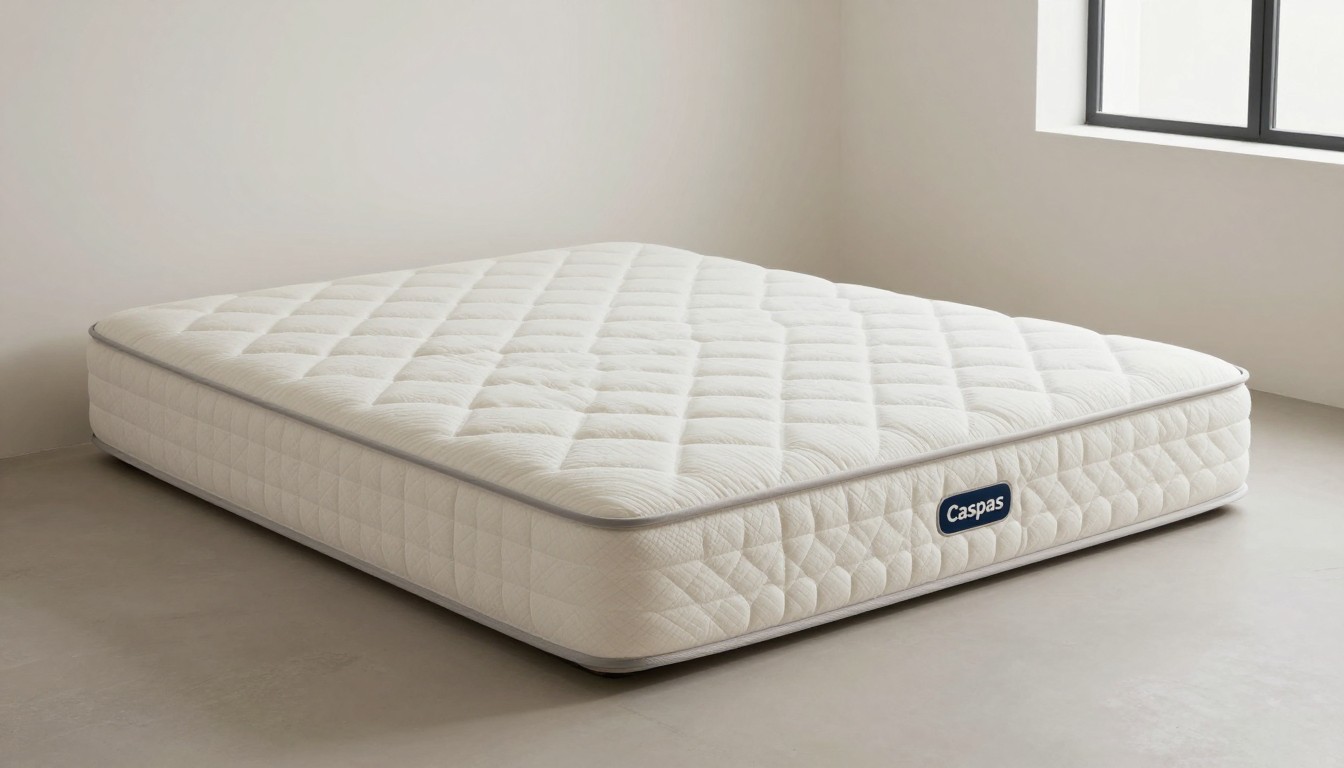
Casper goes the other direction. Its headline engineering is zoned support: a comfort system that's softer under your shoulders and firmer under your hips and lower back. The idea is spinal alignment for side and mixed sleepers: your shoulder sinks in, your hips stay up. According to verified owner reviews, sleepers who want that cradled, ergonomic feel tend to rate the zoned models highly, especially the Wave and Nova variants. Casper's top layers also read slightly softer than GhostBed's on comparable models, which is why side sleepers often land here.
The Nut's take: feel is the one thing no spec sheet settles. If you wake up with shoulder pressure as a side sleeper, Casper's zoning is a real feature, not marketing. If you toss, turn, and hate feeling stuck, GhostBed's responsiveness will suit you better. Everything else on this page is secondary to that.
Neither brand is "better built" in a way I can prove from spec sheets alone. Both use established foam and, on hybrid models, coil constructions typical of the direct-to-consumer premium tier. What differs is intent: GhostBed's layers are tuned for temperature and bounce, Casper's for contour and alignment. If you're curious about Casper's manufacturing background, I've covered where Casper mattresses are made separately.
Comparing options? The Saatva Classic is the pick we keep coming back to — see the final verdict ↓
Cooling: GhostBed's home turf
Cooling is where GhostBed stakes its identity, and it's the clearest category win in this comparison. The brand builds dedicated cooling materials (its Ghost Ice technology and breathable foam systems) into several of its top models, including the Luxe line, per the manufacturer's product pages. That's not a cover treatment or an afterthought. It's layered into the construction, which is how cooling should be done. Hot sleepers and anyone in a warm climate should weight this heavily.
Casper's cooling is solid, particularly on its hybrid and newer models where airflow through coils helps, but it's not the brand's organizing principle the way it is for GhostBed. If you sleep genuinely hot (the kind of hot where you kick the covers off at 3 a.m.), GhostBed's premium cooling models are the safer bet between these two. If you're a neutral-temperature sleeper, both will do the job and you should decide on feel instead.
Durability and warranty: read the fine print
Warranty length is a signal, not a guarantee, but it's a useful one. GhostBed offers notably longer warranty coverage on key lines, the Luxe family in particular carries coverage well beyond the industry norm, per the manufacturer's warranty page. Casper's standard warranty coverage is shorter on most models, with longer terms on certain hybrids, so the exact model matters. Before you buy either brand, pull up the warranty page for that specific mattress and check what's actually covered: sagging depth thresholds, prorated vs non-prorated terms, and foundation requirements. Those details decide whether a warranty claim succeeds years from now.
Durability checklist before buying either brand:
- Check the exact warranty term for the specific model, not the brand's headline number.
- Confirm the sagging depth that triggers a claim and whether coverage is prorated.
- Use the foundation or base the manufacturer requires, or you risk voiding coverage.
- Read verified owner reviews filtered to long-term use, not first-week impressions.
On durability signals more broadly, both brands have been around long enough to have a real track record, and according to verified owner reviews, satisfaction tends to track expectations: buyers who matched the mattress to their sleep position report better long-term comfort than those who bought on brand name alone. That's a boring lesson, but it's the right one.
Price and value: sales change the math
On list pricing, GhostBed is generally the more accessible of the two, particularly on entry and mid-tier models. Casper sits at a premium on comparable specs, you're partly paying for the zoned-support engineering and the brand's design pedigree. Neither number matters much in isolation, though, because both brands discount frequently. The honest advice: never pay list price for either. Check the current offer on each official site, and compare sale prices on the specific models you're cross-shopping, not the flagship against the base model.
Value-wise, my read is this. GhostBed gives you more cooling hardware per dollar during sales. Casper gives you a more distinctive support system, and whether that's worth the premium depends entirely on whether your body needs zoning. If you're a lightweight side sleeper with shoulder pain, it might. If you're a combination sleeper who runs warm, it probably isn't, and GhostBed's pricing looks smarter. For another angle on how Casper stacks up against a very different competitor, see my Tuft & Needle vs Casper breakdown.
Which one should you buy?
Start with a simple decision flow. Do you sleep hot and want a buoyant, responsive surface with longer warranty backing? Start with GhostBed, and look at the Luxe if cooling is your top priority. Do you want zoned support with a softer shoulder zone and more contour? Start with Casper, and look at the Wave or Nova if pressure relief is your top priority. Back and stomach sleepers generally do well on the firmer, more supportive models from either brand; side sleepers should favor the softer or zoned variants.
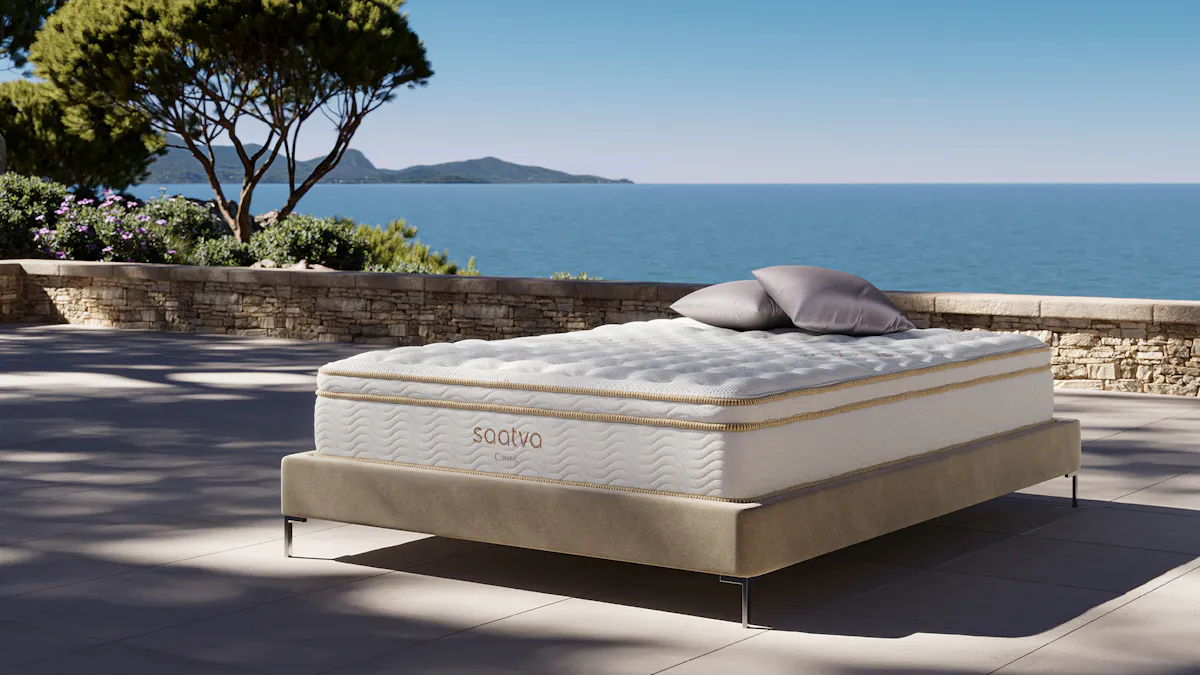
One more option worth naming, because a lot of shoppers comparing these two are really looking for something more substantial than an all-foam bed in a box: the Saatva Classic. It's a handcrafted innerspring hybrid made in the USA, with a coil-on-coil build that outlasts most foam constructions on durability, and it's positioned as America's best-selling luxury online mattress with flexible financing, a generous home trial, and a lifetime warranty, per the manufacturer. If you're torn between GhostBed and Casper because neither feels like a long-term bed, that's the alternative I'd test first. I've laid out the full head-to-head in my Saatva vs Casper comparison, and there's a separate Saatva vs Casper hybrid breakdown if you're specifically weighing coil builds.
Whichever route you go, use the trial period properly. Sleep on the mattress for a few weeks before judging it, pay attention to morning stiffness and pressure points, and don't ignore the return window. Both GhostBed and Casper offer risk-free trials, per their policies, and that's your real safety net.
FAQ
Is GhostBed or Casper better for side sleepers?
Casper usually has the edge for dedicated side sleepers because its zoned support softens under the shoulders while keeping hips aligned, according to verified owner reviews. GhostBed's softer or hybrid variants can also work, but its overall range skews medium-firm. Match the specific model to your weight and pressure points.
Which brand sleeps cooler, GhostBed or Casper?
GhostBed, on the premium models. The brand builds dedicated cooling materials like Ghost Ice into several top lines, per the manufacturer's product pages, while Casper's cooling is more incremental. Casper's hybrids breathe reasonably well thanks to their coil cores, but genuine hot sleepers should lean GhostBed.
Do GhostBed and Casper both offer sleep trials?
Yes. Both brands offer risk-free home trials of comparable length, per their published policies, and both handle returns directly. Always read the return terms for the specific model before buying, including any break-in period the brand asks you to complete first.
Which brand has the better warranty?
GhostBed offers longer coverage on key lines, particularly the Luxe family, per the manufacturer's warranty page. Casper's standard coverage is shorter on most models and longer on certain hybrids. Compare the exact model's terms, especially sagging thresholds and prorated periods, rather than the brand-level headline.
Is there a better alternative to both?
If what you actually want is a long-term, coil-based luxury mattress rather than a foam bed in a box, a handcrafted innerspring hybrid like the Saatva Classic is worth a look. It's made in the USA, sold with flexible financing and a lifetime warranty, per the manufacturer, and I compare it directly against Casper in the links above.
FINAL VERDICT
Before you settle: if neither GhostBed nor Casper feels like a clear long-term fit, the Saatva Classic is the value pick on this page (more home-trial and warranty coverage than either brand's standard terms). Confirm current price, dimensions and terms on the official product page before ordering.
OUR CATEGORY-MATCHED PICK · UP TO $334 OFF
Saatva Classic
- 365-night home trial and lifetime warranty, per saatva.com
- Handcrafted in the USA, free white-glove delivery
- Flexible financing available