 by
by Quick answer: The best place to buy a mattress is the seller that lets you confirm the feel, return terms, delivery details, and construction before your money leaves your account. Saatva Classic is one option to consider if its materials and policy fit your needs.
- Direct brands usually publish the fullest construction and policy details.
- Stores and showrooms let you compare feel in person.
- Return logistics can matter as much as the mattress itself.
Updated July 2026 · Reviewed for accuracy
My verdict: buy from a direct brand, reputable retailer, or local showroom only after you can read the full return policy and mattress specifications. A cheap checkout price means very little if the seller makes returns, exchanges, delivery, or support hard.
There isn’t one good place to buy mattresses for every sleeper. There are good buying methods. I’d start with the kind of shopping experience you need, then judge the mattress by its build, not by a sale banner or a vague comfort label.
Direct mattress brands are best for clear product details
A direct brand’s own site is usually where I expect to find the most complete description of a mattress. That includes the comfort layers, support core, cover, firmness options, delivery method, sleep trial, return conditions, and warranty language. If those details are thin or slippery, I’d move on.
The advantage is simple: the brand controls the listing and should be able to explain what it sells. For a foam bed, I want the foam types and layer roles spelled out. For a hybrid, I want to know how the coil unit supports the comfort layers, whether the perimeter is reinforced, and what sits between the coils and sleeper. Those details tell me more about likely feel and longevity than a broad “luxury” label ever will.
Direct buying also makes policy reading less fragmented. Per each manufacturer’s posted terms, delivery, setup, old-mattress removal, trial eligibility, and return handling can differ substantially. Read those pages before ordering, especially if getting a mattress upstairs or removing an old bed will be difficult.
The Nut’s take: A direct site is a good place to buy only if it gives you enough information to judge the build and enough policy detail to understand your exit route.
Direct shopping is particularly sensible if you already know your preferred material. A sleeper who likes close contouring may narrow the search toward all-foam construction. Someone who wants a more buoyant surface and stronger edge stability may prefer a coil-based design. Latex shoppers should look past the word “latex” and find out where it sits in the mattress and what other materials surround it.
Don’t assume direct always means lower cost or a better deal. It means fewer layers between you and the maker. That can make it easier to compare specifications and policies, which is the real advantage.
Mattress stores are good for feeling the basics in person
A showroom can answer the question an online product page cannot: do you actually dislike this surface the moment you lie down? That’s valuable. Firmness words are loose, and two beds described the same way can feel very different because their foams, quilting, coil systems, and comfort-layer depth differ.
Use the store visit as a filtering tool, not a reason to rush. Lie in your usual sleep position. Change positions. Sit near the edge if edge stability matters to you. If you share a bed, bring your partner if possible, because one person’s comfortable surface can be another person’s poor fit.
Ask the salesperson to show you the construction card or manufacturer details. I’d want to know whether you are looking at an all-foam mattress, an innerspring, a latex model, a hybrid, or an air-supported design. Then ask what creates the feel. Is it soft quilting, a thick pressure-relieving layer, flexible coils, or a firmer support core? The answer matters more than the showroom’s category sign.
What I’d ask in a store:
- Can I see the mattress’s complete layer breakdown?
- What happens if I need to exchange or return it?
- Who handles delivery, setup, and removal?
- Does this listed model differ from the version sold elsewhere?
A local store can also be useful if you want a person to coordinate delivery or solve a problem face to face. Still, read the paperwork yourself. Per the retailer’s posted policies, exchange windows, return conditions, delivery fees, and mattress-condition requirements may be different from the manufacturer’s own terms.
For a broader look at the types of sellers worth considering, see these places to buy mattresses. The point isn’t to chase the most options. It’s to find a seller whose product information and policies are easy to verify.
Comparing options? The Saatva Classic is the pick we keep coming back to — see the final verdict ↓
Large retailers work best when you compare the exact model
Large retailers and marketplaces can be convenient because they carry many mattress types in one place. That breadth can help you compare materials, listed features, delivery choices, and return terms without opening a dozen separate tabs. The catch is that convenience can blur the details.
Model names are not always enough. Retail listings can use retailer-specific names, bundle a foundation with the mattress, or present a version with different covers or comfort components. Before comparing prices, confirm that the construction, height, firmness option, and included items truly match.
I’d also separate the seller from the manufacturer in my head. The manufacturer may define the warranty, while the retailer may control shipping, returns, exchanges, and customer service for the purchase. Per the relevant posted policies, those responsibilities can split. Read both if the listing directs you to them.
| Where you buy | Main strength | What I’d verify |
|---|---|---|
| Direct brand | Detailed construction and policy information | Return handling, delivery scope, full layer breakdown |
| Mattress showroom | You can assess feel before purchase | Exact model identity, exchange terms, delivery terms |
| Large retailer or marketplace | Wide selection and convenient comparison | Who sells it, who services it, whether versions match |
Marketplace listings deserve extra care. Check whether the retailer itself is the seller or whether the transaction is handled by another merchant. Then read the return details attached to that exact listing. A recognizable mattress name does not automatically give every seller the same return experience.
Construction should decide your shortlist
A mattress is not just soft, firm, cooling, or supportive. Those are outcomes created by materials. Once you know where you might buy, I’d build the shortlist around construction.
Memory foam typically aims for body contouring and pressure relief. Its character depends on the foam layers, their density, their thickness, and how the support foam underneath resists compression. If the listing tells you only that it contains “premium foam,” you don’t have much to assess.
Latex generally has a more responsive feel than traditional memory foam. It can suit shoppers who dislike the slow sink of contouring foam. But “latex” alone is not a full construction story. Find out whether it is a substantial comfort layer or a small component in a larger foam build.
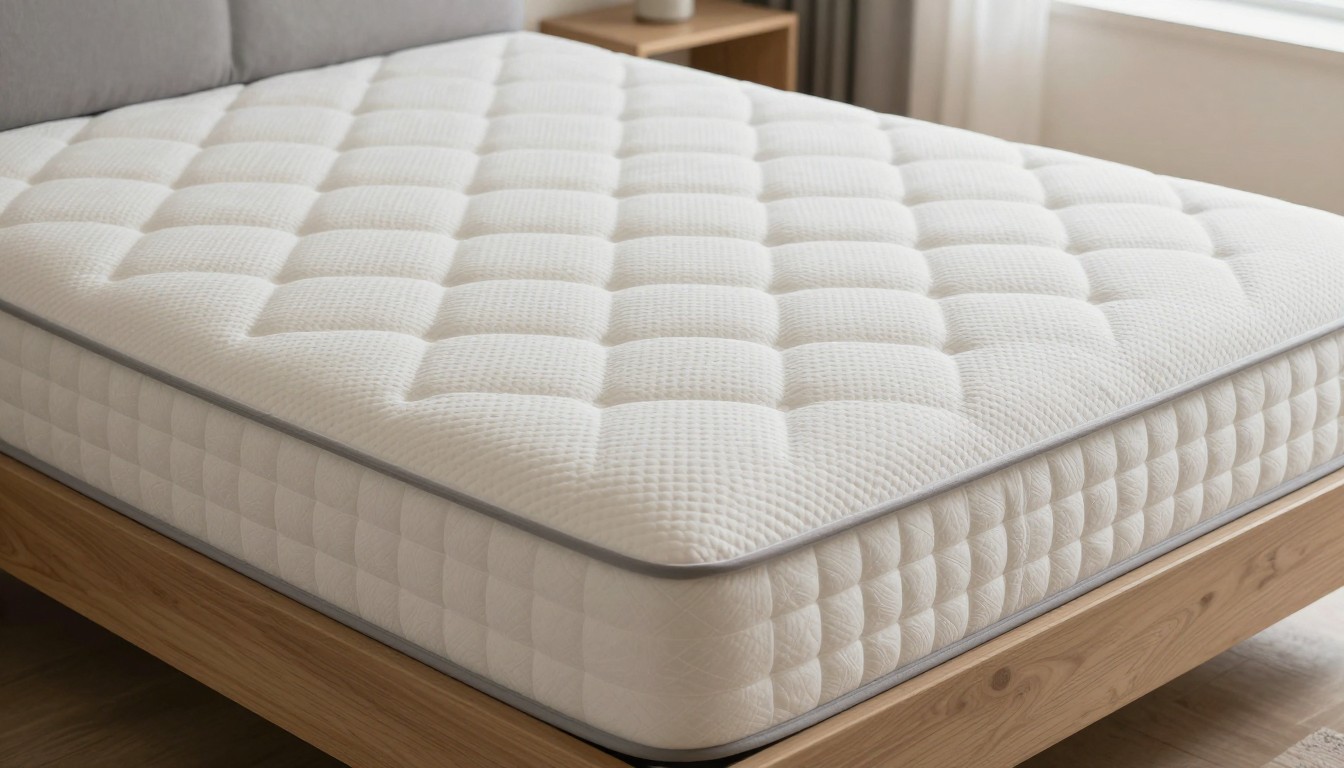
Innerspring mattresses use coils as their core support system. Hybrids pair coils with foam, latex, or other comfort materials. In either case, I look at how the comfort layers work with the coil unit. Coils can add airflow and a more mobile surface, while the layers above them shape pressure relief and motion response.
Construction check: Ask what is on top, what holds you up, and what supports the perimeter. If the listing cannot answer those questions, it is not a strong listing.
Adjustable air-supported mattresses belong in their own category. Their appeal is adjustable firmness, but the buying decision should include the air system, controls, components, service terms, and the seller’s support process. More moving parts can mean more questions worth asking before checkout.
For any type, consider your bed frame and foundation. Per the manufacturer’s compatibility guidance, a mattress may require a particular support surface to perform as intended or to qualify for warranty coverage. Confirm that before ordering rather than after delivery.
Return terms are part of the mattress, practically speaking
A mattress can feel fine for a few minutes and wrong after regular sleep. That is why a straightforward trial and return process has real value. The useful question isn’t merely whether a trial exists. It is what you must do if the bed is not right.
Per the seller’s return policy, check whether a break-in period applies, whether a mattress protector is required, whether pickup is offered, whether there are collection conditions, and whether an exchange follows different rules from a full return. Also check whether delivery, setup, or old-mattress removal is refundable.
I’m especially wary of vague language around returns. “Easy returns” is marketing until the policy explains who collects the mattress, what condition it must be in, and what happens to your payment. The same applies to warranties. Read the manufacturer’s warranty page for covered defects, exclusions, support requirements, and claim procedures.
If a seller makes those terms difficult to find, I take that as a signal. A good mattress seller does not need to hide the rules that apply after delivery.
Shop your sleep position, partner needs, and room constraints
Side sleepers often need enough surface cushioning to reduce pressure at the shoulder and hip, while back sleepers often want a flatter, more balanced support feel. Stomach sleepers may be more sensitive to excessive sink. These are starting points, not guarantees, because body size, comfort preference, and existing aches all change the equation.
For couples, I’d focus on motion response, usable edge support, and whether both people can live with the same comfort level. Foam can absorb movement differently from a coil-based construction. A reinforced perimeter can make more of the sleep surface usable and can matter if you sit on the bed’s edge.
Hot sleepers should inspect the materials rather than trusting a cooling name. Breathable covers, open coil systems, gel-infused foams, and zoned constructions may be presented as temperature-management features by manufacturers. I’d treat them as design features to evaluate, not promises of a certain sleeping temperature.
Before you order:
- Measure your room, frame, and route to the bedroom.
- Confirm foundation compatibility in the manufacturer’s guidance.
- Read return and delivery terms for the exact seller.
- Compare the actual layer breakdown, not just the mattress name.
If you’re wondering why similar-looking beds can have very different asking prices, construction and selling method explain a lot of it. My breakdown of why mattresses are so expensive is useful context before you decide whether a higher-priced model has materials that justify its position.
How I would choose the seller
My first choice would depend on how certain I am about the feel I want. If I already understand the material and firmness range that suits me, I’d be comfortable buying direct from a brand that publishes the details and has clear policies. That route is efficient and gives me a single source for the product specifications.
If I’m unsure about feel, I’d visit a showroom first. I would not treat that visit as a commitment to buy there. I’d use it to learn whether I prefer a responsive coil-and-foam surface, deep foam contouring, a springier latex feel, or a firmer traditional build.
If I’m comparing across retailers, I’d save the listing pages and make a plain side-by-side note: seller, exact model, mattress type, construction details, delivery, returns, and warranty source. That simple discipline cuts through most confusing promotions.
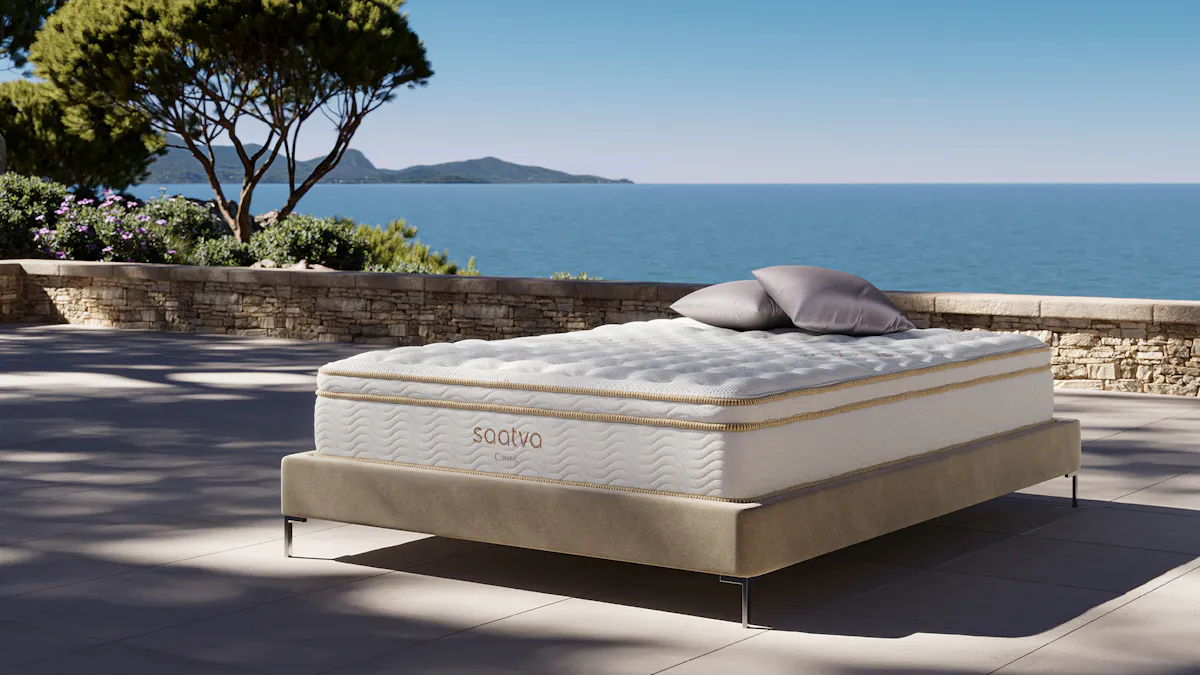
Saatva Classic fits the direct-brand route for shoppers who want to examine the manufacturer’s current construction details and purchase terms before committing. I’d still apply the same rule I use everywhere else: read the official product and policy pages, then decide whether the feel and logistics fit your home.
Sales can be worth watching, especially around major retail events, but I would never let a countdown determine the purchase. The better time to buy is when you have identified the correct type, verified the exact version, and know what happens if it does not work out.
My final take on good places to buy mattresses
The best seller is the one that makes comparison easy and consequences clear. Direct brands are strong for detailed specifications. Stores are strong for trying a feel in person. Large retailers are strong for range, provided you verify the exact model and the actual seller.
I’d choose transparency over noise every time. Read the construction. Read the delivery terms. Read the return policy. Then buy the mattress that fits your sleep preferences and your practical setup, not the one with the loudest promotion.
FAQ
Is it better to buy a mattress online or in a store?
Online buying is useful when a brand or retailer clearly explains the construction, delivery, return process, and warranty. A store is useful when you need to compare feel in person before committing. Neither route is automatically better, so choose the one that reduces your uncertainty.
What should I check before buying a mattress online?
Check the full layer breakdown, mattress type, delivery method, return conditions, and warranty terms. Per the seller’s posted policy, confirm who handles pickup or return shipping if the mattress is not right. Also make sure the bed works with your frame or foundation.
Are marketplace mattresses safe to buy?
They can be, but inspect the exact listing carefully. Confirm who the seller is, whether the listing identifies the precise model and construction, and what return policy applies to that purchase. Do not assume a familiar brand name makes every marketplace listing identical.
Why do mattress prices vary so much between sellers?
Construction, materials, delivery services, return terms, and the sales channel can all affect pricing. Two mattresses with similar names may also differ in their build or included accessories. Compare the actual specifications and policies before deciding that one listing is the better value.
Should I wait for a mattress sale?
Major retail periods often bring promotions, but a sale is only useful if you already know the mattress and seller are right for you. Use the time to compare terms and construction, then check the current offer once you are ready to buy.
FINAL VERDICT
Before you settle: if good places to buy mattresses is what brought you here, the Saatva Classic is the value pick on this page — more home-trial and warranty coverage than the alternatives covered here. Confirm current price, dimensions and terms on the official product page before ordering.
OUR CATEGORY-MATCHED PICK · UP TO $625 OFF
Saatva Classic
- 365-night home trial and lifetime warranty, per saatva.com
- Handcrafted in the USA, free white-glove delivery
- Flexible financing available