 by
by *Hidden sources of chemicals in your bedroom can be much closer than the obvious stuff, and mine were hiding in the place I went to recover from long days. I kept waking at 3 a.m., annoyed by a faint plastic smell I’d trained myself to ignore.
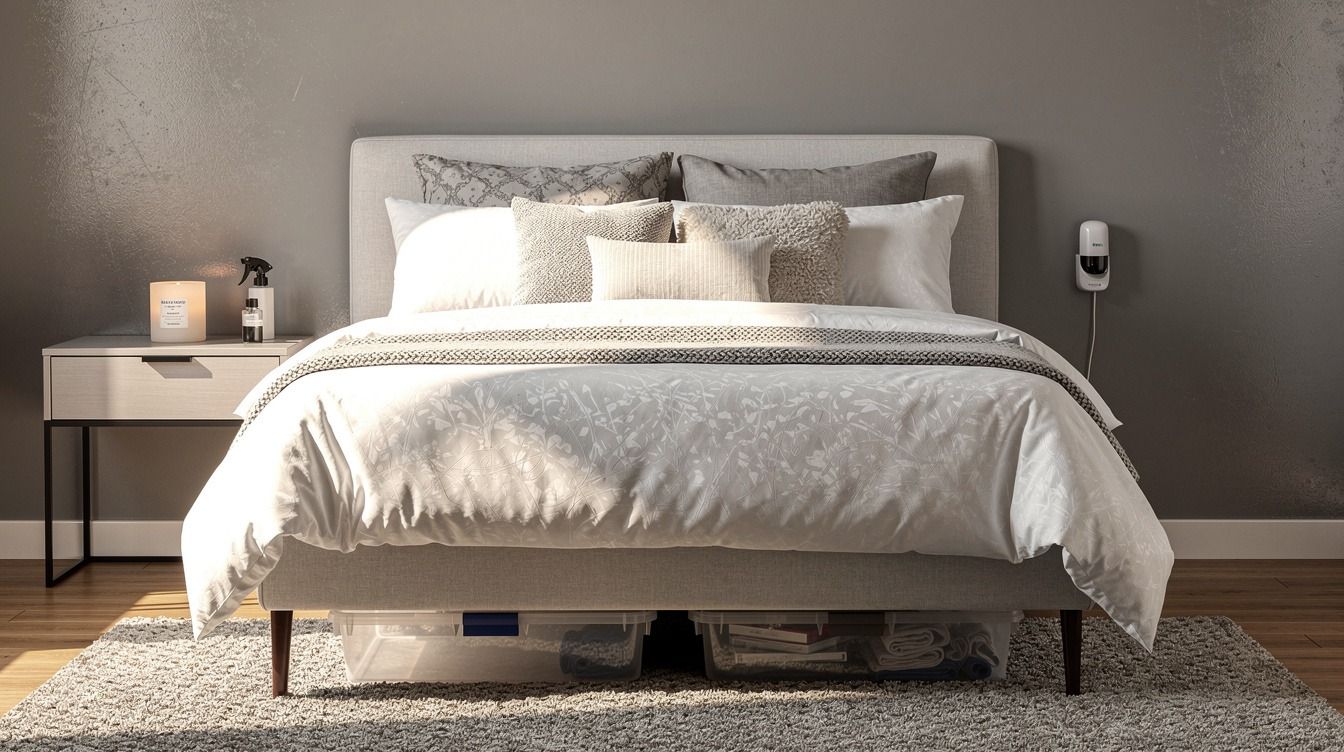
My room looked calm. Cream walls, a quilt, one plant.
But the closer I looked, the less calm it felt. So I gave myself one rule: change the things touching my skin and the things holding the strongest smell first.
The moment I stopped calling the smell “new”
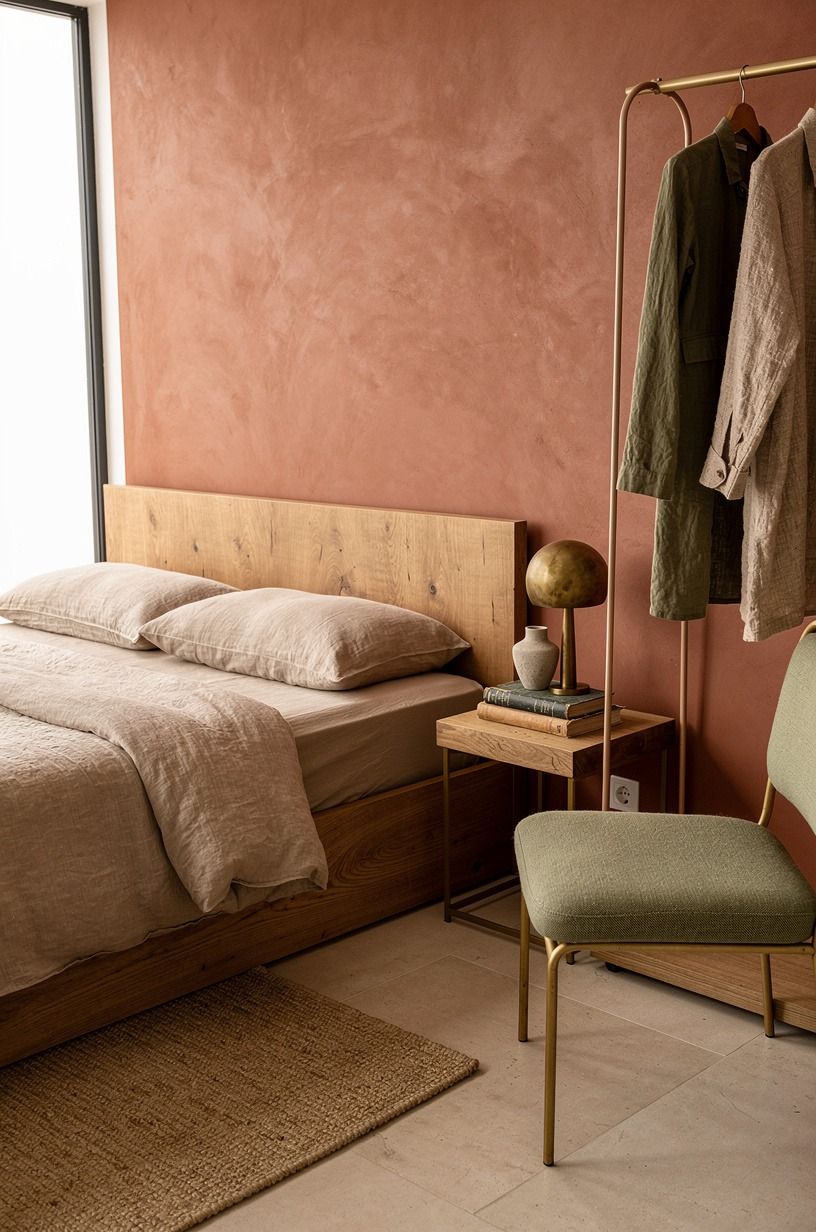
My old mattress had that sealed-in, synthetic odor that lingered even after I washed the bedding. I’d opened windows, lit candles, and blamed the dog. None of it changed the source.


But I don’t think a bedroom should need fragrance to cover itself up. That was my first real opinion in this whole reset. If your room smells like anything when the door has been shut all day, I’d start looking at the bed, rug, window coverings, and whatever plastic storage is sitting under the frame.
Not glamorous. Useful.
I cleared the plastic pile under my bed
The under-bed bins were the first surprise. They held off-season clothes, extra cords, and a sad stack of old pillows, all pressed into clear plastic containers. Every time I pulled one out, that same stale smell rose with it.
I swapped what I could into fabric storage and stopped keeping laundry bags, old packaging, and synthetic bedding down there. I didn’t replace everything in one dramatic afternoon.
I just gave myself space to notice what I was keeping. And I slept better once the air under the bed wasn’t trapped behind plastic walls.
If your room is tight, the layout matters as much as the materials. I borrowed a few ideas from this guide to small-bedroom setups that work for two because a crowded room makes it too easy to hide bins wherever they fit.
I made the mattress decision before buying decor
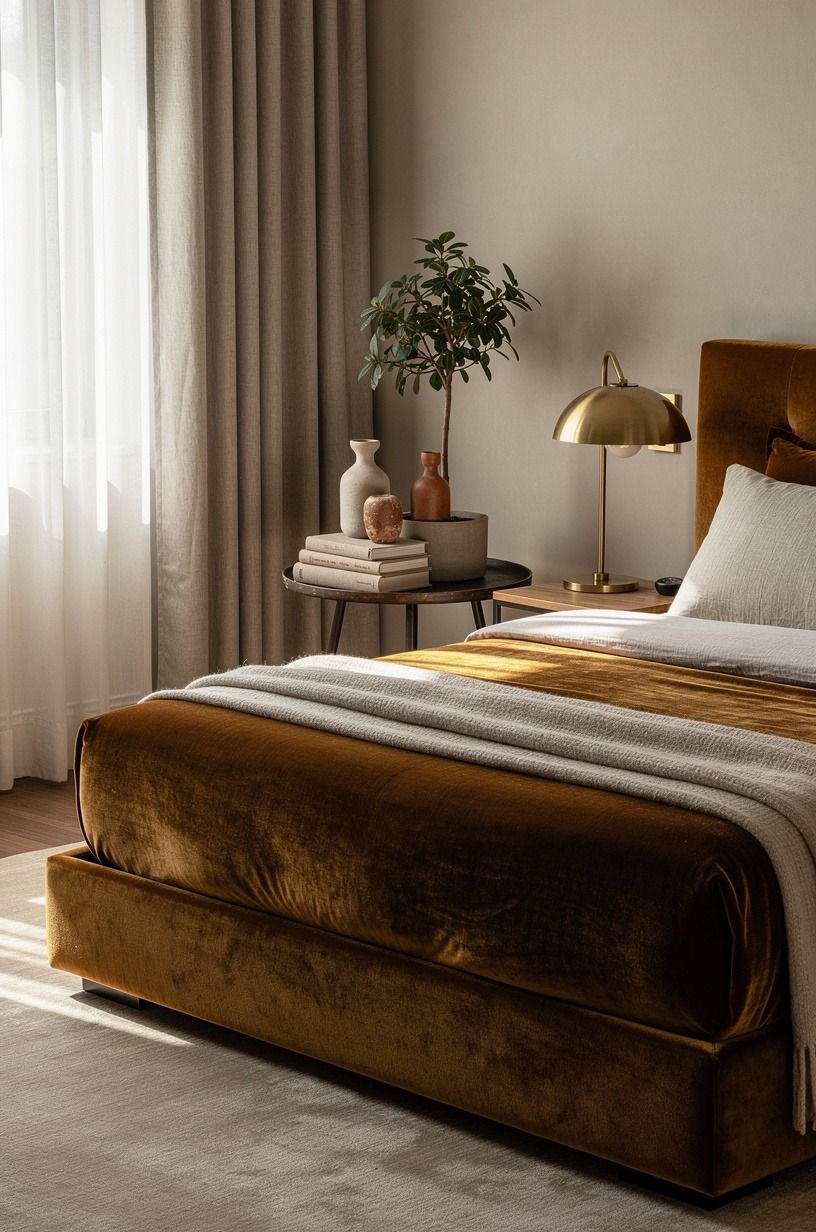
I wanted a soft headboard. New lamps. Maybe a wool rug.
But I knew I’d be decorating around the same problem if I kept the old mattress.
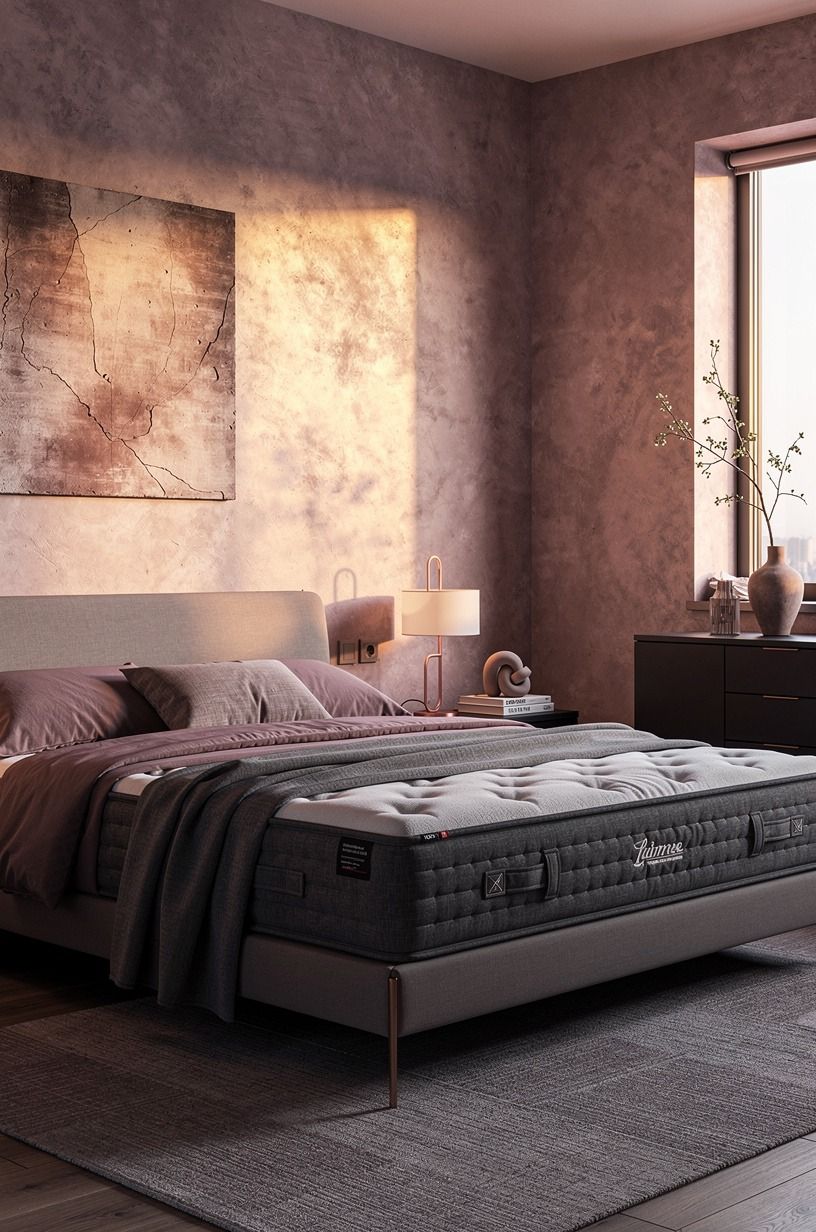
So I chose Zenhaven because I wanted a latex option that felt less like a sealed foam block in the middle of the room. I was nervous about spending on the least photogenic part of a bedroom, but I’d make that call again. My sleep felt less fussy, and the room stopped carrying that sharp, factory-fresh smell.
I also tried a Latex Mattress Topper while I was deciding how much support I wanted. I wasn’t sure it was worth it.
For two weeks I regretted it because the bed felt different and I hate an adjustment period. But once I stopped comparing it to the old sagging mattress, I liked the springier feel.
This is only my experience, not a medical claim. Still, if you’re trying to build a more non toxic bedroom, I think the mattress deserves your attention before the throw pillows do.


The Piece My Whole Bedroom Is Built Around
Natural materials, a 365-night home trial, free white glove delivery. Decide in your own room, not a showroom.
I changed what touched my face first
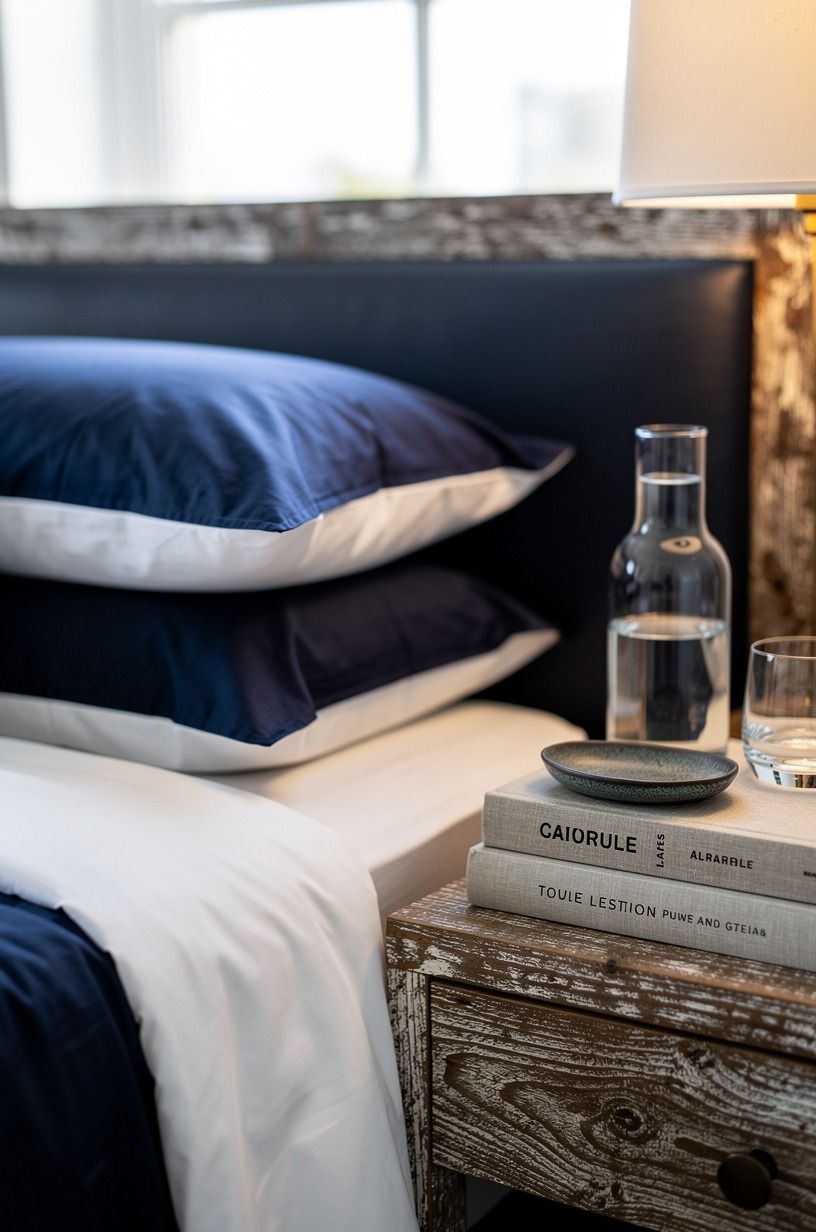
Pillows and sheets were next, which felt almost too ordinary to matter. Yet I’d spent years buying whatever looked soft in a package, then wondering why it smelled perfumed after the first wash.
I brought in Organic Cotton Sheets and washed them before putting them on the bed. Plain, breathable, a little rumpled by morning.
That’s my preference now. I’d skip bedding that feels slick or heavily scented, even if it photographs better.
Then I replaced my flattened pillow with an Organic Quilted Pillow. It wasn’t a dramatic bedroom reveal. It was just nicer to put my face down at night without catching a perfume smell from the fabric.
And yes, I still love a layered bed. I just want the layers to feel soft, not like a display table. My plastic-free bedding refresh helped me think through the pieces I could change slowly instead of tossing everything at once.
I looked at the quiet offenders around the bed
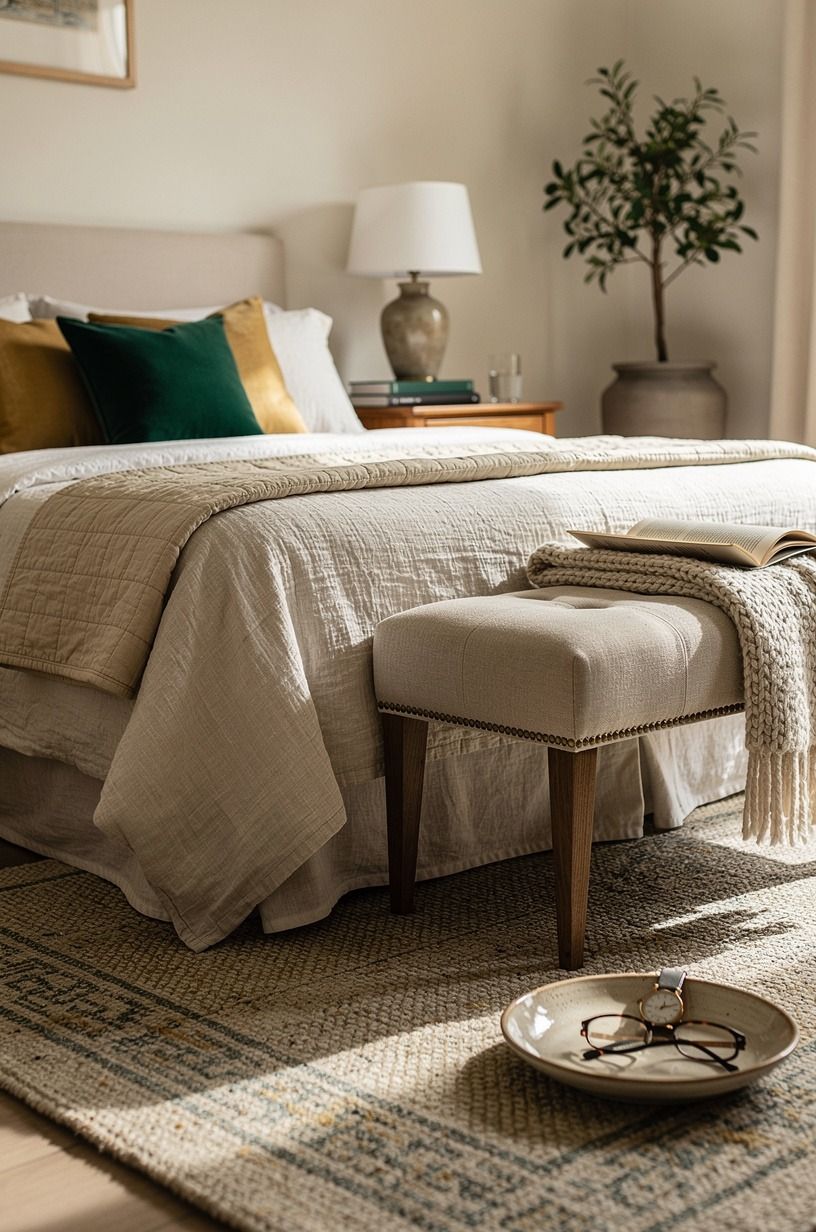
The scented plug-in by my nightstand went. So did the room spray I used whenever company came over. I’d assumed those were helping, but I realized I was using fragrance as a shortcut for clean air.
I also washed the curtains, vacuumed the rug, and moved my laundry basket out of the bedroom. Small changes. The kind you barely notice until you walk in after being gone all day.
But I didn’t turn the room into a bare white box. I kept my warm lamp, my framed print, and the old wood nightstand I already owned.
I like a lived-in bedroom, and I think non toxic living can still look personal. A space doesn’t need to look clinical to feel easier on you.
For color, I stuck with Benjamin Moore Pale Oak OC-20, which keeps the walls quiet without making them cold. I’d choose it over a stark white in a sleeping space every time.
What I’d do differently with my healthy bedroom reset
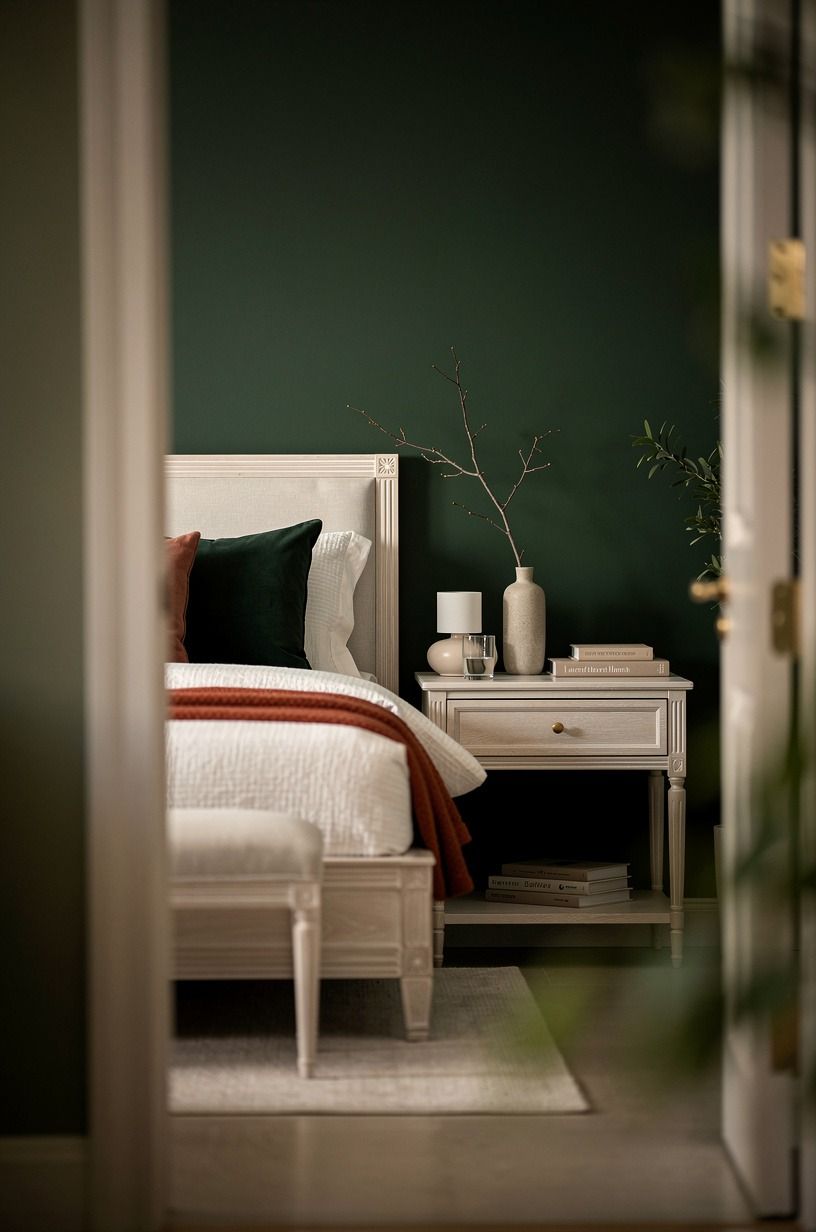
I’d start with fewer swaps, not more. I got briefly carried away reading labels and nearly convinced myself every object in the room had to be replaced. That wasn’t realistic, and it made the project feel heavy.
My regret? I bought replacement storage before measuring what I truly needed.
Now one fabric bin sits half-empty in the closet. A little ridiculous.
I’d also wait before replacing solid wood furniture just because it’s old. Mine had scratches, but it didn’t smell, peel, or bother me.
Keeping it was the calmer choice. If you’re sorting priorities, this piece on where I’d splurge and save in an organic bedroom is close to how I’d approach it now.
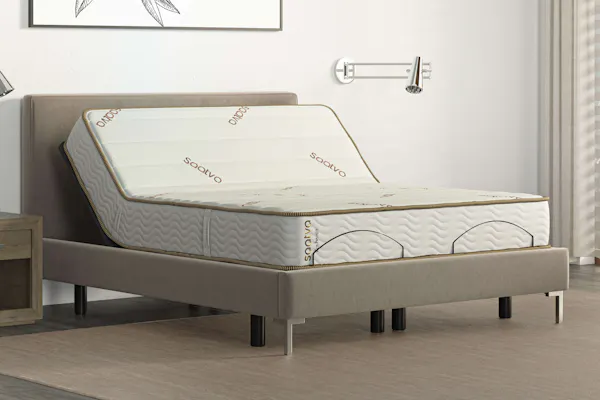 My pick for a healthier bedroomZenhavenTalalay latex, organic cotton, 365-night trial, lifetime warranty, free white glove delivery.See the Zenhaven
Build Your Own Healthier Bedroom
Sale pricing runs on orders over $1,000, and the 365-night trial gives you a full year of nights to be sure.
The room feels like mine again
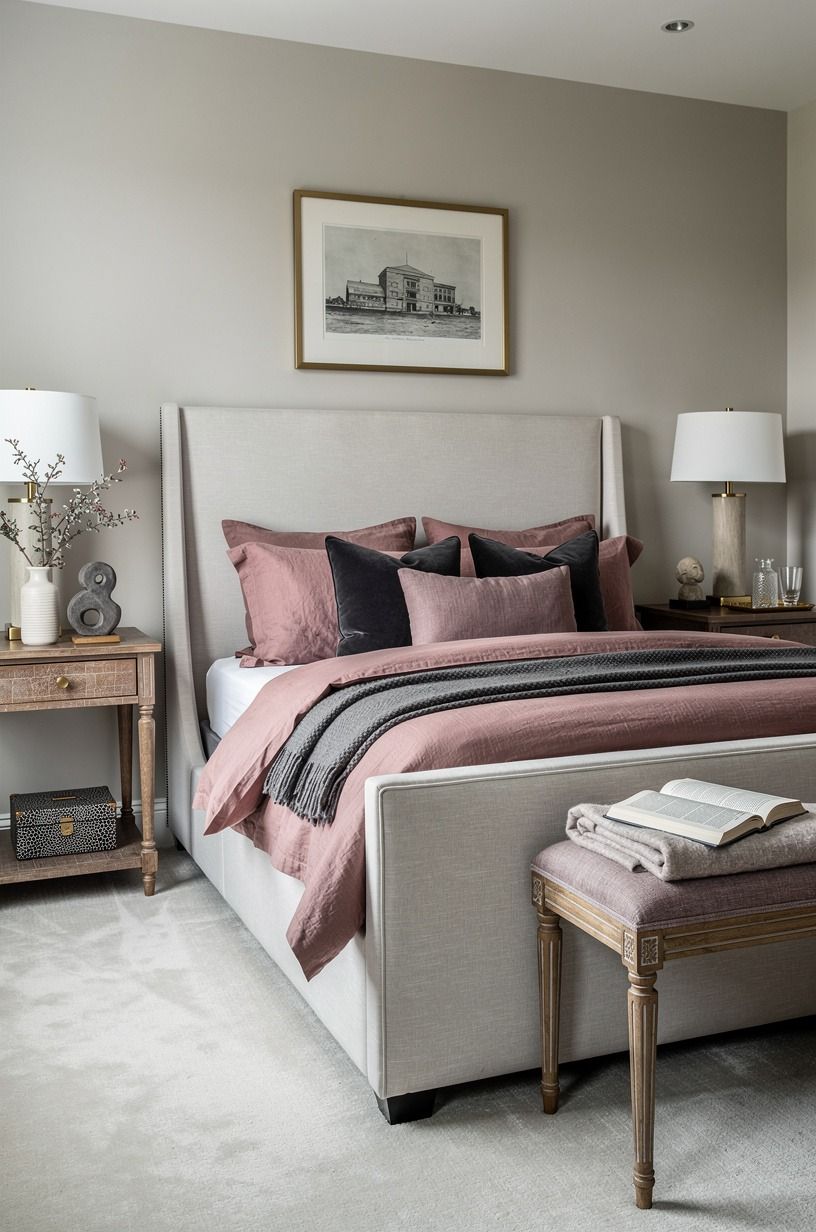
If I had to pick one, I’d start with the mattress. You can’t make a bedroom feel restful while the biggest surface in it smells like plastic.
Start there, then change the fabrics you sleep against. Tonight, the window is cracked two inches and the cotton sheets are twisted at the foot of the bed.