 by
by *Zero-waste bedroom refresh was the only makeover I could afford to start without replacing every piece of furniture I owned. My old sheets had that faint plastic smell after laundry day, my comforter trapped heat around my ankles, and I kept waking up at 3 a.m. annoyed with my own bedroom.
I gave myself one rule: use what I had, buy only the bedding that solved a real problem, and keep the whole thing under $500. No dramatic renovation. Just one room that felt easier to breathe in.
The Moment My Bedroom Started Feeling Wrong
The breaking point was a Saturday morning when I pulled the bed apart to wash everything and realized how much random stuff had accumulated underneath it. Storage bags. A cracked laundry basket.

Two polyester throws I never reached for. Not charming.
I’d been trying to make the room feel warm by adding more things, which was backwards. I wanted a softer, more organic zero waste lifestyle aesthetic, but I was creating a pile.
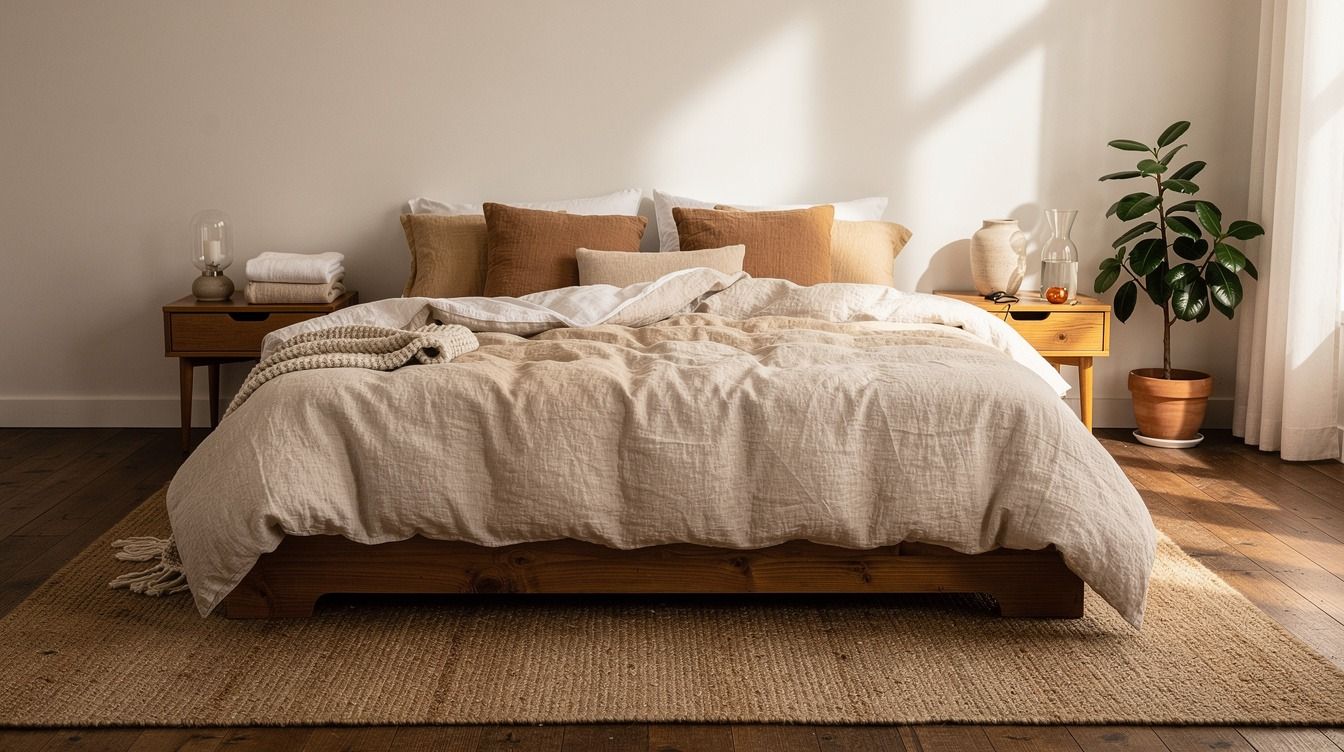
So I kept the walnut nightstands, the old oak bed frame, and the lamp I already loved. Everything else had to earn its spot.
And I stopped treating “eco-friendly” like a look I had to buy. For me, waste free living meant fewer replacements, fewer impulse textiles, and a bed I’d want to keep making every morning.
I Cleared the Bed Before Buying Anything New
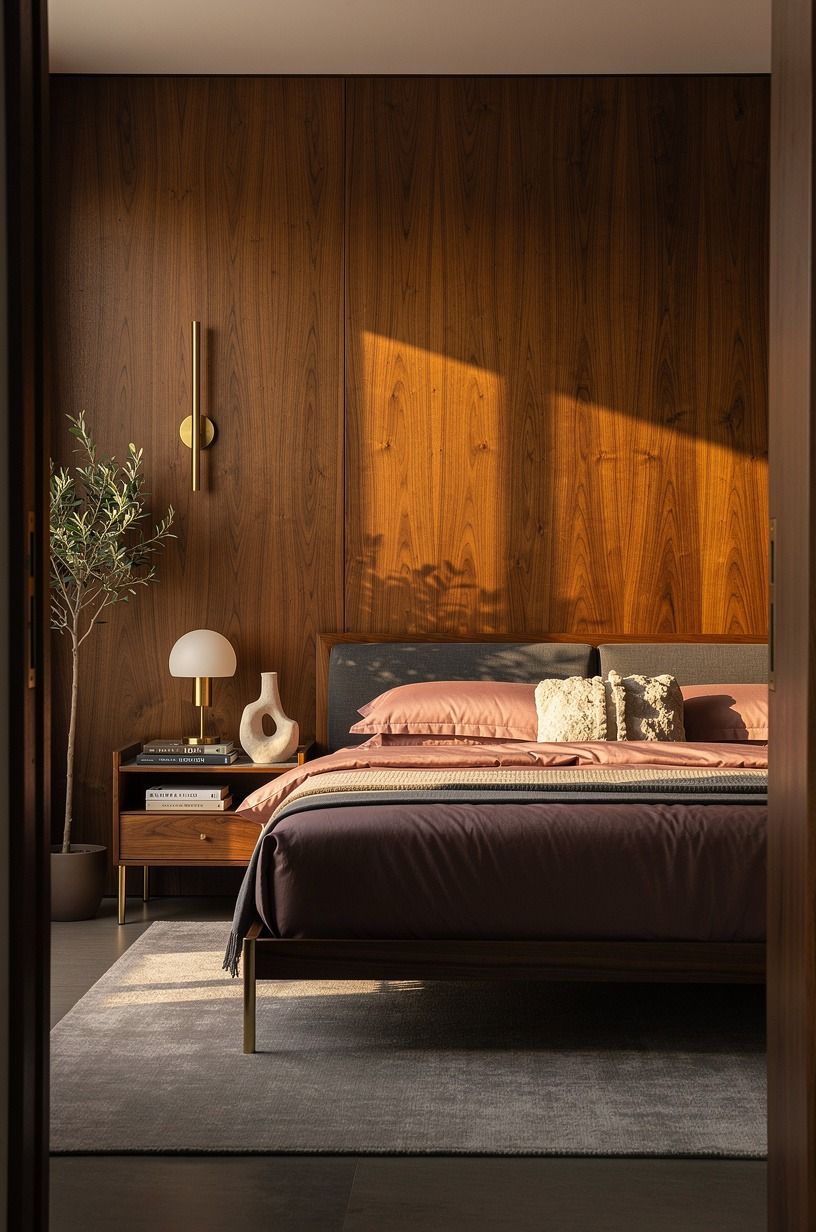
First, I emptied the linen closet and made three piles: keep, donate, and textile recycling. The keep pile was smaller than I expected.
Good. A faded cotton blanket, two pillowcases I still liked, and one wool throw that had survived years of movie nights.
But I didn’t want the room to turn stark. I like a lived-in bedroom, especially in fall, and bare surfaces make me feel like I’m sleeping in a rental listing. I left a folded throw at the foot of the bed and put one book on each nightstand.
Enough.
If your room feels crowded before you even add bedding, I’d read this guide on why a tiny bedroom feels cramped first. I learned that a clear path around the bed matters more than squeezing in another storage bin.
I Chose Sheets That Didn’t Feel Like a Compromise
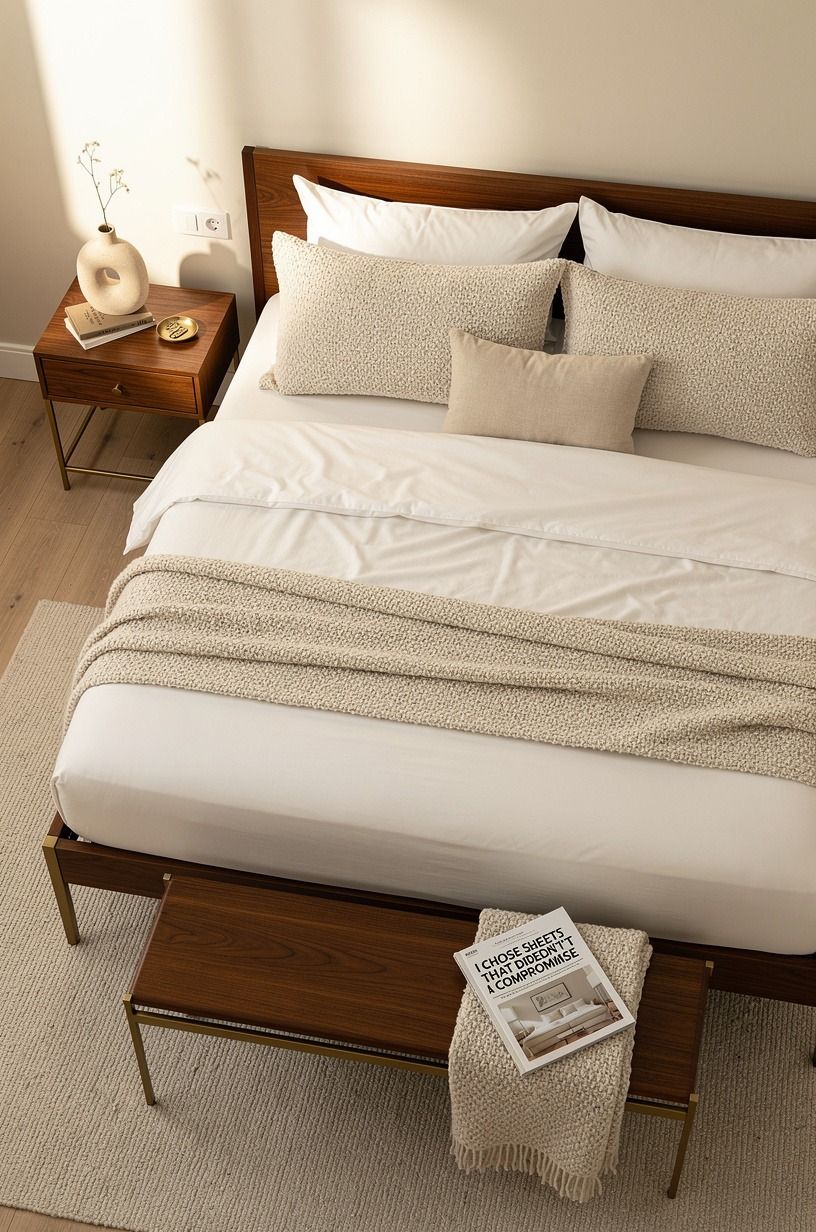
My first purchase was Organic Cotton Sheets, because the sheets touch your skin longer than almost anything else in the room. I wanted plastic-free bedding, yes, but I also wanted fabric that didn’t feel precious or stiff. These felt soft after washing, a little rumpled in the best way.
I chose a warm ivory instead of bright white. I think bright white bedding can look cold by afternoon, especially beside medium-tone wood. Ivory let the room stay gentle without looking yellow.
And I made the bed with the top sheet tucked low, which is a tiny preference I’ll defend forever. I hate wrestling a perfectly folded top sheet at midnight. The relaxed edge looked more inviting anyway.
This change helped my sleep feel less itchy and overheated, personally. That’s my experience, not a health promise, but it was enough for me to stop buying synthetic sheet sets on sale.
I Built Warmth With Fewer, Better Layers
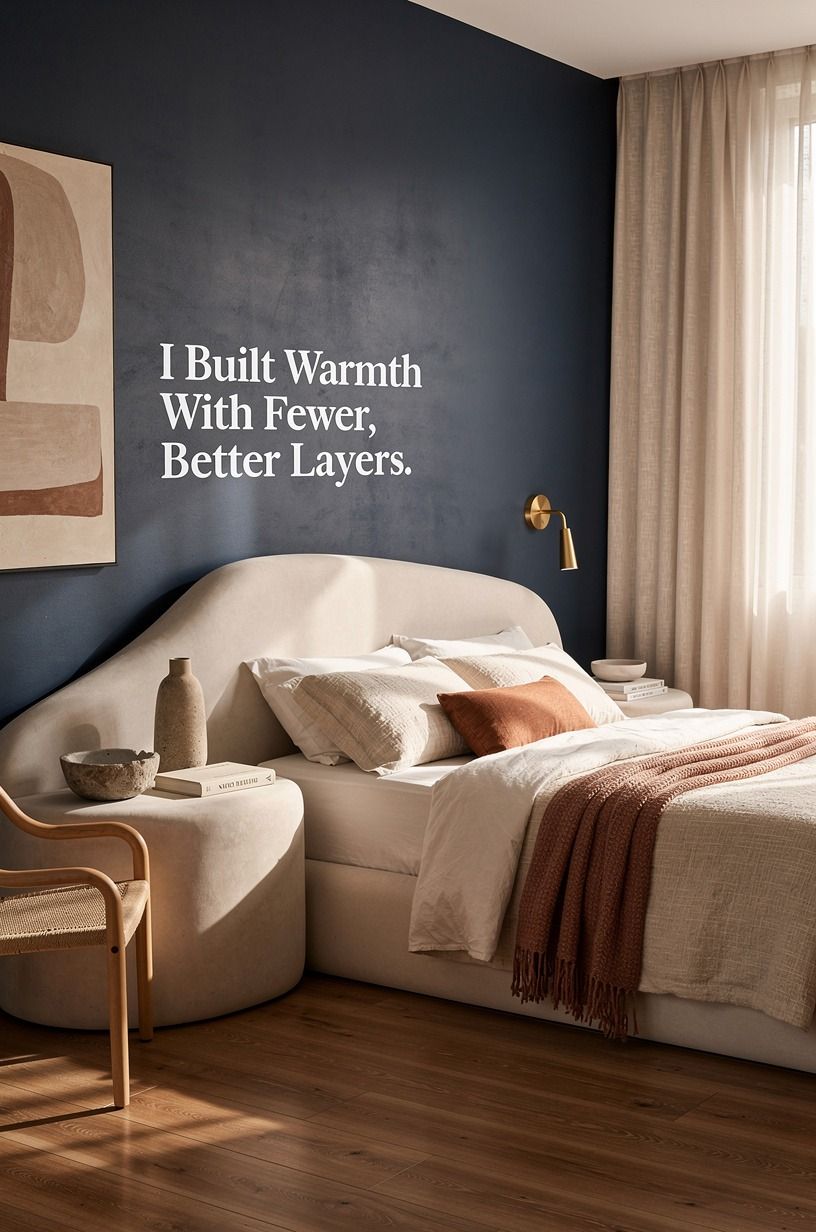
The comforter was where I hesitated. I wasn’t sure a Down Alternative Comforter would feel substantial enough, and for two weeks I regretted choosing a lighter fill. It looked airy, but I worried I’d miss that heavy, bundled-up feeling.
Then I added a washed cotton blanket underneath. Problem solved.
I’d skip piling on five decorative throws. They photograph well, sure, but I never want to remove an obstacle course before bed. Instead, I layered the comforter with an Organic Velvet Quilt folded across the lower third.
The velvet caught the late-afternoon light without making the room feel fussy.
Quiet texture. Better than clutter.
For anyone building a bedroom around natural fibers, the wool bedding guide gave me a useful way to think about warmth without buying another bulky blanket. I still prefer cotton closest to my skin, but wool makes more sense to me as the outer layer.

The Piece My Whole Bedroom Is Built Around
Natural materials, a 365-night home trial, free white glove delivery. Decide in your own room, not a showroom.
I Let the Color Do Some of the Work
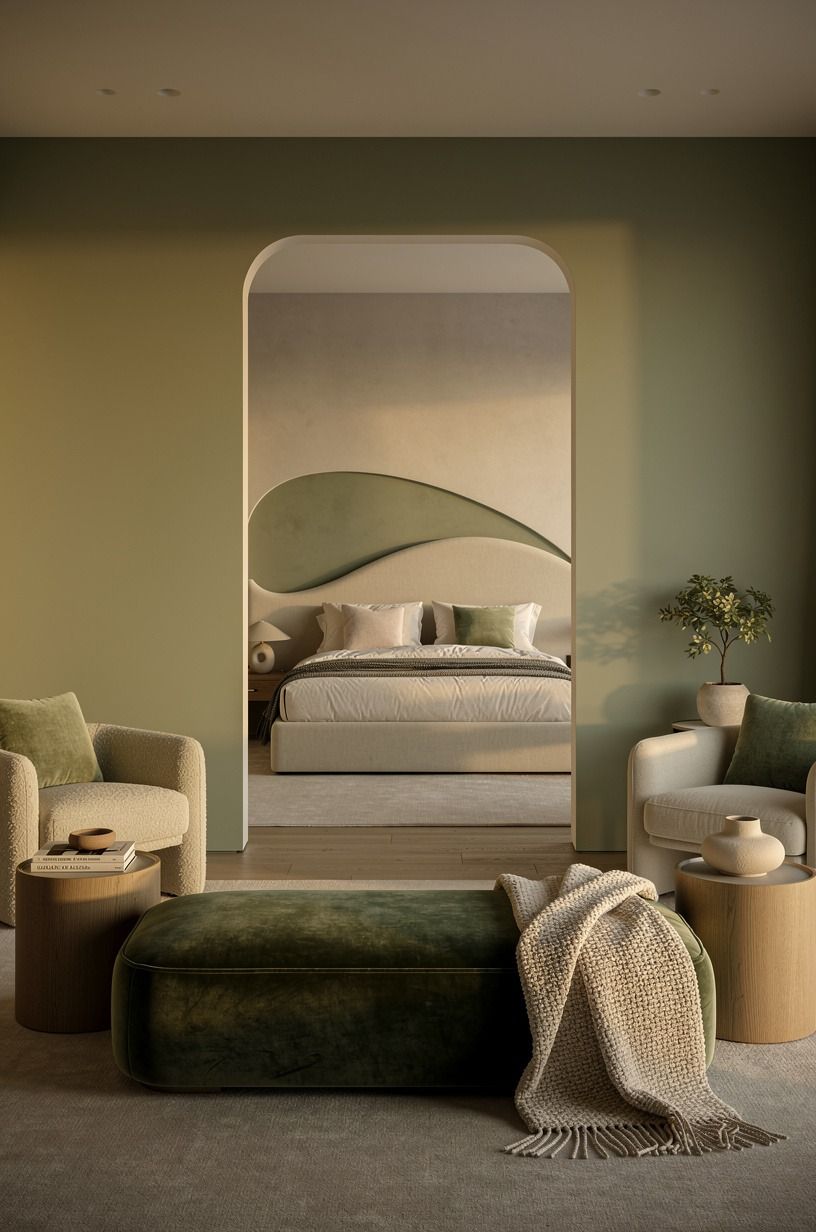
I didn’t repaint the entire room. I painted only the wall behind the bed in Benjamin Moore Pale Oak OC-20, and that single change made the older furniture look intentional instead of temporary.
My room gets soft morning light but turns dim early, so I ruled out a dark green. I love moody bedrooms in photos, but I’d hate waking up to one in a small space. Pale Oak gave me a calm backdrop and made the bedding feel warmer.
But paint is not waste-free if you buy three test pots, hate all of them, and start over. I taped up one sample, looked at it for several days, and used the leftover paint inside a closet. No half-empty can sitting in the garage for six years.
The wall behind the bed is also where I stopped adding art. One framed print. One small brass reading light.
I think bedrooms need places for your eyes to rest.
I Kept the Pillow Situation Very Simple
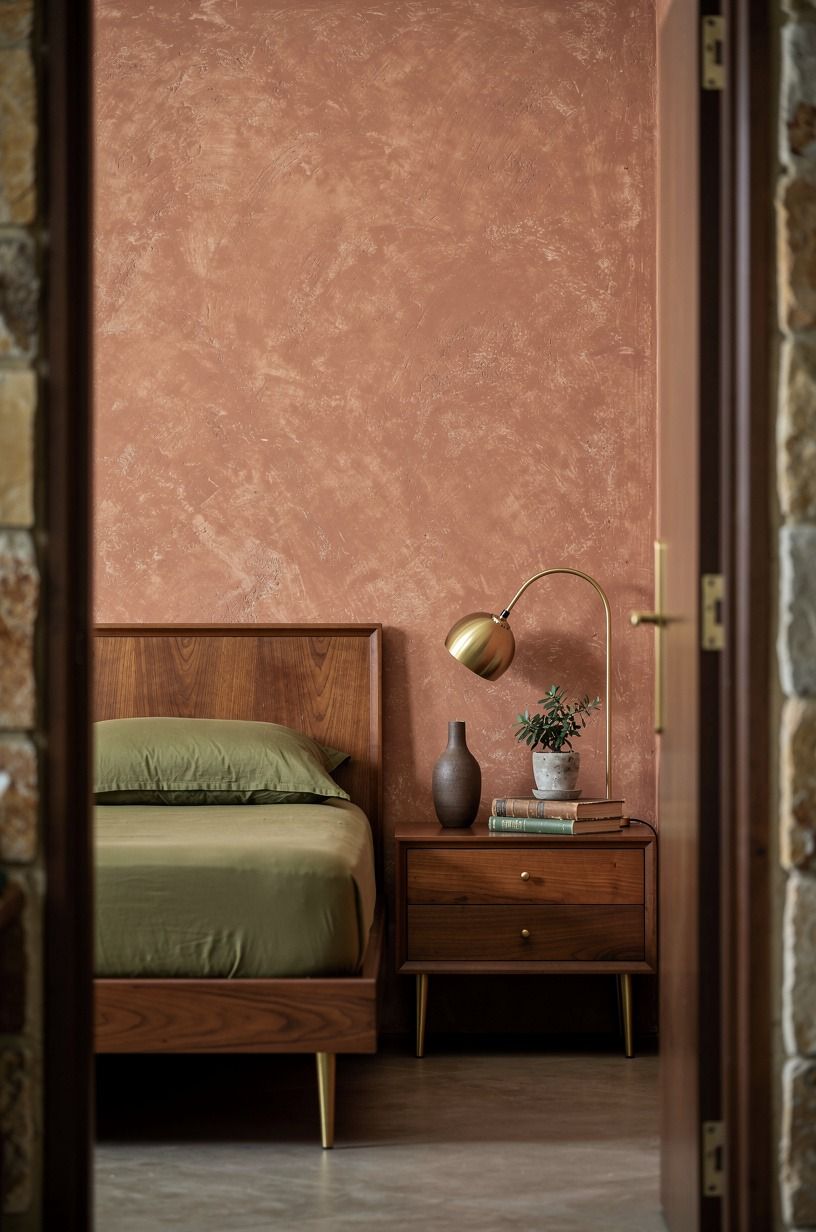
I used to buy pillow covers whenever I felt bored with the room. That habit added up fast, and most of them ended up shoved into a drawer. This time I kept my two sleeping pillows, added one Organic Quilted Pillow, and called it finished.
I like one lumbar pillow because it makes a queen bed look dressed without turning it into a display. A queen bed is 60x80 inches, and it doesn’t need six pillows to look generous. It needs proportions that make sense.
And I made sure the nightstands stayed close to mattress height. Mine are around 24 to 28 inches tall, which means I can reach my water glass without sitting fully upright.
Tiny comfort. Real payoff.
If you share a small room, this roundup of small-bedroom setups for two has better ideas than simply pushing everything against the walls. I tried that for years. It didn’t help.
What I’d Buy Differently Next Time
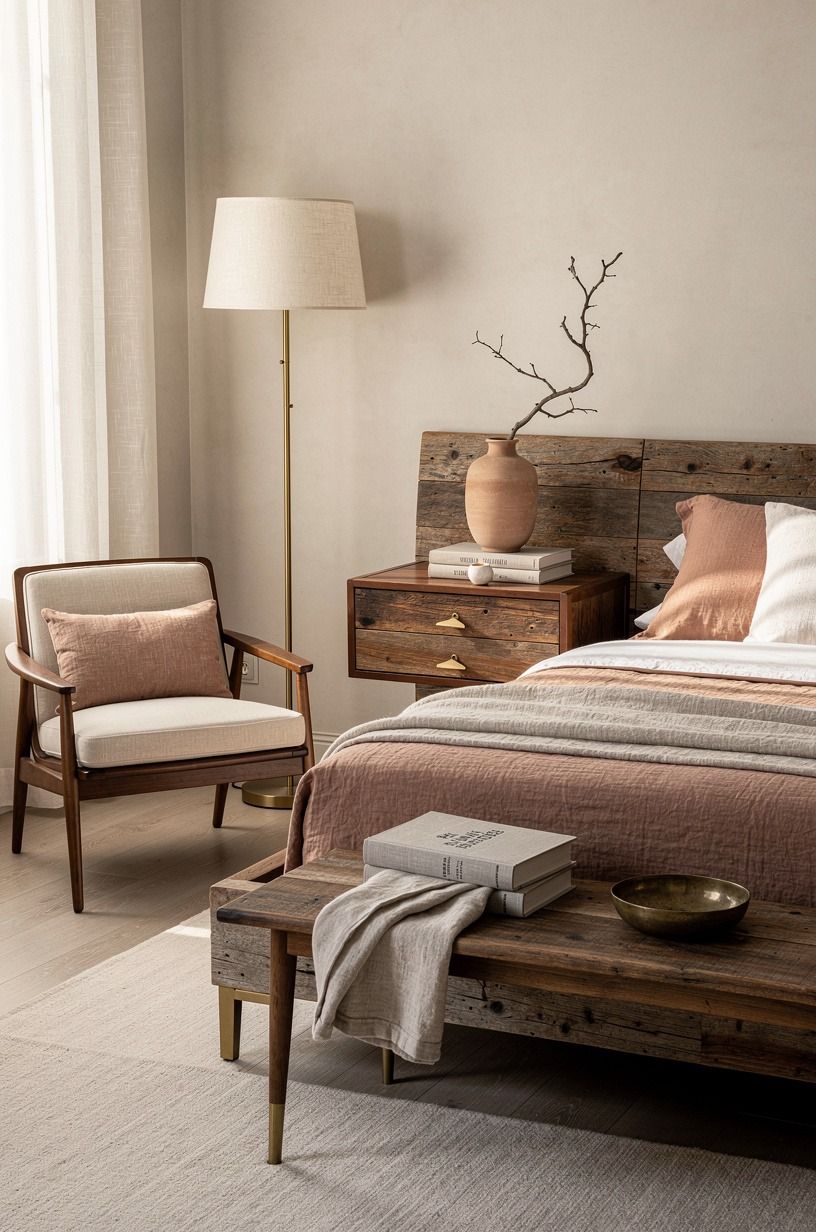
I’d still choose the natural-fiber bedding, but I would buy fewer layers at the beginning. I got excited by the idea of making the room look finished in one weekend, and I nearly bought an extra coverlet I didn’t need.
That’s my honest reservation: plastic-free bedding can become another kind of overbuying if you treat every natural material as automatically necessary. It isn’t. I’d rather wash and keep one comforting quilt for years than rotate through seasonal sets.
I also wouldn’t rush the rug. I considered an 8x10 wool rug, but the old flatweave was still useful and the room needed bedding more. A rug should extend 18 to 24 inches past the bed, so buying the wrong size would have been expensive waste.
My favorite part? I didn’t replace the bed frame at all.
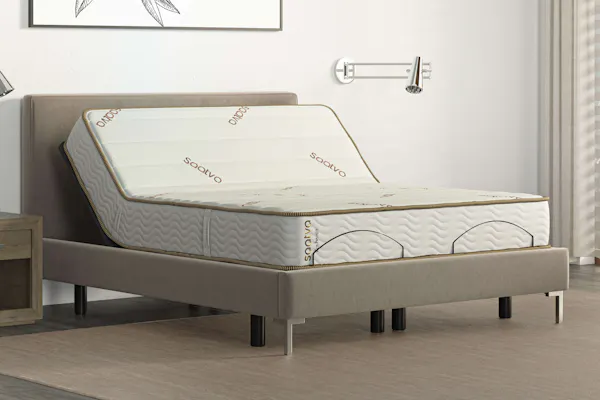 My pick for a healthier bedroomZenhavenTalalay latex, organic cotton, 365-night trial, lifetime warranty, free white glove delivery.See the Zenhaven
Build Your Own Healthier Bedroom
Sale pricing runs on orders over $1,000, and the 365-night trial gives you a full year of nights to be sure.
The Room Feels Like Mine Again
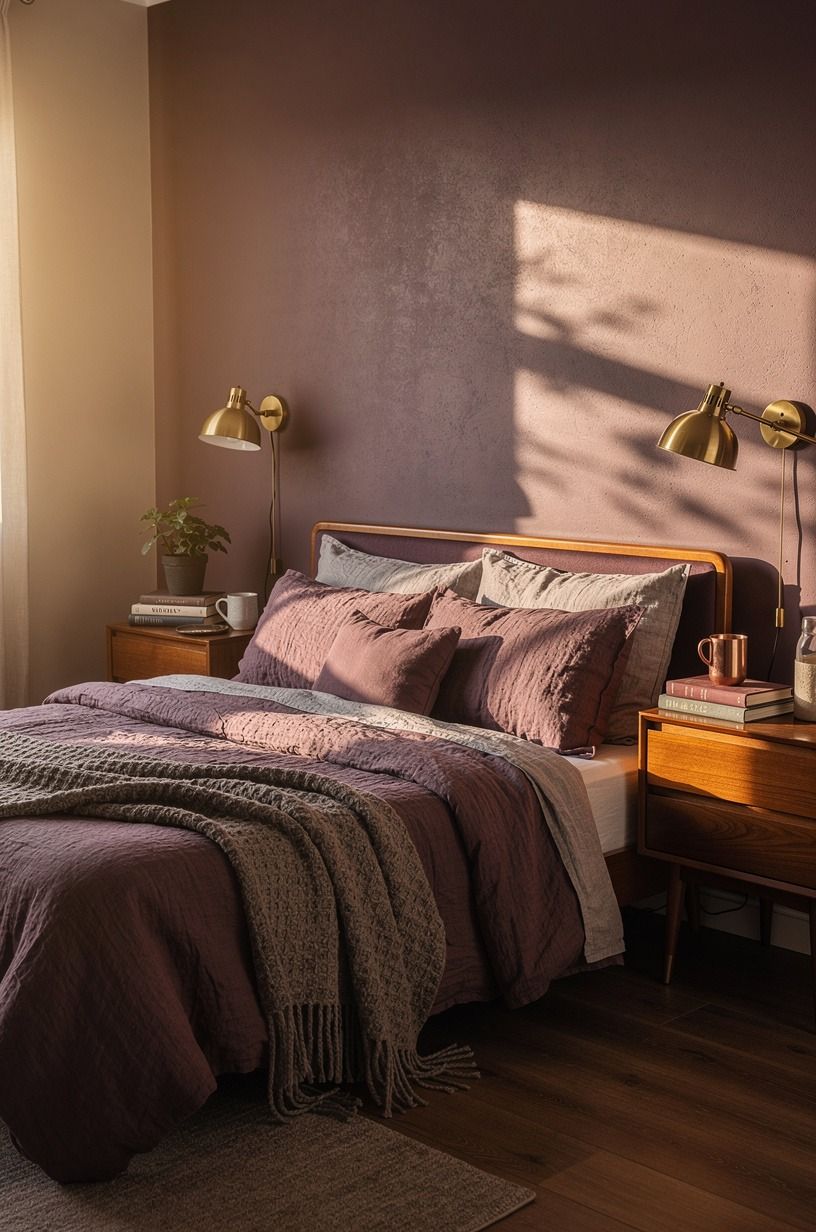
If I had to pick one, I’d start with the sheets. You can’t fake the feeling of climbing into fabric that doesn’t hold heat and smell vaguely manufactured. Pin this zero-waste bedroom refresh for later, then start with the layer you touch every night.
Now the velvet quilt is folded at the foot of the bed, the ivory sheets are slightly rumpled, and the lamp throws a small amber circle onto the Pale Oak wall.