 by
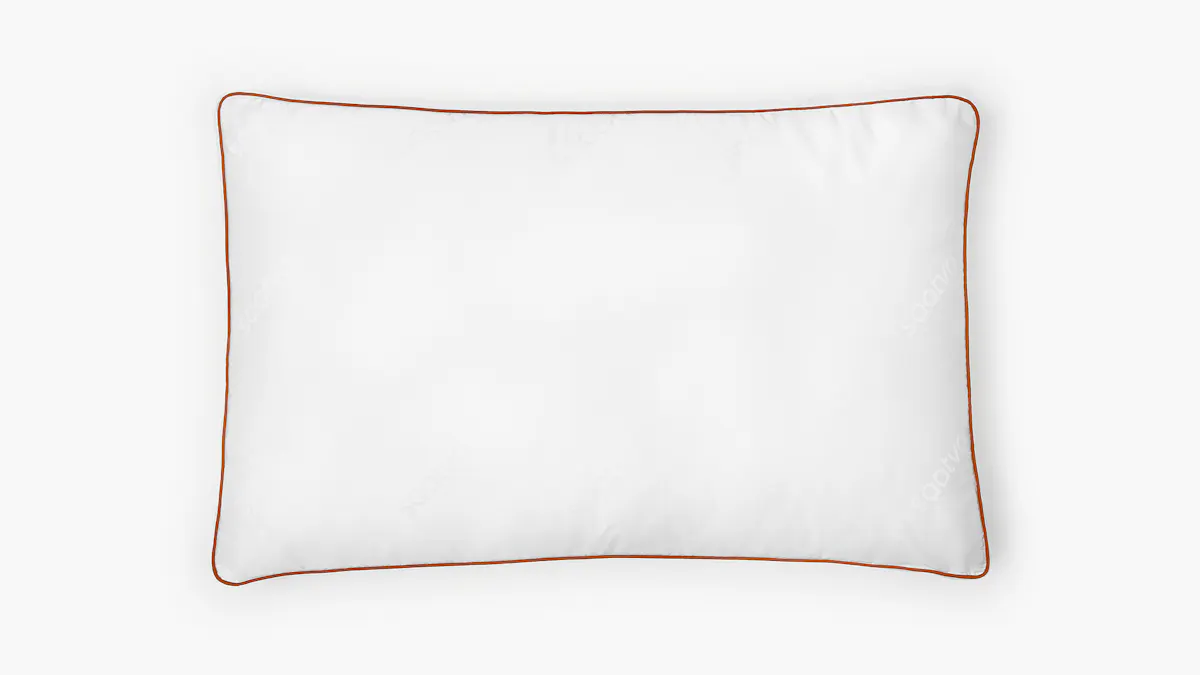
by Quick answer: Wash silk pillowcases in cold water with a mild, pH-neutral detergent. Hand washing is safest. Gentle care protects any quality pillow underneath, including the Saatva Pillow I recommend.
- Cold to cool water only, roughly 68–86°F, per standard textile-care guidance. Hot water weakens silk fibers and fades color.
- Never wring silk; lay flat or hang to dry away from direct sunlight.
- If the care label allows machine washing, use a delicate cycle inside a mesh laundry bag.
Updated July 2026 · Reviewed for accuracy
Silk pillowcases survive years of nightly use or die in three washes. The difference is almost never the silk itself. It's how you launder it. I've spent a decade looking at bedding construction, and silk is the one fabric where washing method matters more than what you paid.
Here's the full routine: water temperature, detergent choice, hand wash versus machine, drying, ironing, and how often you actually need to do any of it. No guesswork, just what textile-care guidance and manufacturer labels consistently recommend.
Why silk pillowcases need different care than cotton
Silk is a protein fiber, closer to your hair than to cotton. That's the whole story behind every care rule. Hot water, alkaline detergent, and rough agitation attack the protein structure the same way they'd damage hair. The fiber loses its smooth surface, turns dull, and eventually weakens until it tears at the seams.
Cotton tolerates hot washes and heavy spin cycles because cellulose fibers are built tougher. Silk isn't. According to standard textile-care guidance, water above roughly 86°F starts degrading silk fibers and bleeding dyes, which is why every rule below revolves around cold water and gentle handling.
The weave matters too. Most silk pillowcases use a charmeuse weave: glossy on one face, matte on the other. That glossy face is exactly the part that snags, so anything rubbing against it in the wash (zippers from other garments, drum agitation, a twisted spin cycle) shows up as visible pulls.
The one-sentence version: treat your silk pillowcase like a wool sweater, not like a t-shirt. Cold water, mild soap, no wringing, air dry.
How to hand wash a silk pillowcase (the safest method)
Hand washing is the method every silk manufacturer defaults to on care labels, and it's what I recommend if you want the pillowcase to outlast the pillow inside it. The whole job takes about ten minutes, most of it hands-off soaking.
Here's the routine, step by step:
- Fill a clean basin with cold water. Cold to cool, roughly 68–86°F per textile-care guidance. If the water feels warm on your wrist, it's too hot.
- Add a small amount of mild detergent. pH-neutral, and ideally silk-specific. Skip anything with bleach, enzymes, or brighteners. Enzymes exist to break down proteins, and silk is a protein.
- Submerge and swish gently. Turn the pillowcase inside out first to protect the glossy face. Agitate softly with your hands for a minute or two, then let it soak for a few more. No scrubbing, no twisting.
- Rinse in cold water until the water runs clear. Soap residue left in silk stiffens the hand feel and attracts dirt faster.
- Press water out, never wring. Lay the pillowcase flat on a clean towel, roll the towel up, and press gently. The towel absorbs the bulk of the moisture without stressing the fibers.
That towel-press step is the one people skip, and it's the one that matters most for drying speed. Wringing twists wet silk fibers against each other at their weakest point. Silk loses a meaningful share of its strength when wet, per textile-care references, so the twist that feels harmless is doing real damage.
Comparing options? The Saatva Pillow is the pick we keep coming back to — see the final verdict ↓
Can you machine wash a silk pillowcase?
Sometimes. The care label decides, not your laundry habits. Some silk pillowcases are marketed as machine washable; others say hand wash only, and manufacturer care instructions should win every time when the two conflict.
If the label permits machine washing, you can do it safely with three protections in place:
- Mesh laundry bag, always. It stops the pillowcase from snagging on the drum or tangling with other items.
- Delicate or gentle cycle with cold water. Minimal agitation, slow or no spin.
- Wash silk with silk (or alone). Never throw it in with jeans, hoodies, or anything with zippers and hooks.
Here's how the two methods stack up:
| Factor | Hand wash | Machine (delicate) |
|---|---|---|
| Fiber stress | Lowest, you control every movement | Low, only with a mesh bag and slow spin |
| Effort | About ten minutes, mostly soaking | Set it and walk away |
| Snag risk | Nearly zero | Real without a mesh bag |
| Best for | High-momme mulberry silk, dark dyes | Pillowcases labeled machine washable |
My honest take: machine washing on delicate is fine for pillowcases the manufacturer explicitly cleared for it. For anything expensive, dark-dyed, or hand-wash-only on the label, the basin wins. Ten minutes is cheap insurance.
Drying and ironing without wrecking the fibers
Drying is where most silk pillowcases actually die, because people treat them like regular laundry the moment the wash cycle ends. Three rules cover it:
Drying rules that protect silk
- Never wring or twist. Press moisture out with a towel instead.
- Lay flat or hang to air dry, away from direct sunlight. Sunlight fades dyes and degrades the fiber, per textile-care guidance.
- Skip the dryer if you can. If the care label allows it, use a cool-air or lowest-heat setting only, and pull it out promptly.
Heat is the enemy at every stage. A hot dryer does to silk what hot water does, only faster, and the tumbling adds mechanical stress on top. Air drying takes longer and does zero damage. That's the trade.
For wrinkles: iron on the lowest heat setting, inside out, with a pressing cloth between the iron and the silk. Direct contact with a hot iron scorches protein fibers permanently. There's no fixing a shine mark. Honestly, if you pull the pillowcase off the drying rack while it's still faintly damp and smooth it onto the pillow, you can skip the iron entirely most weeks.
How often should you wash a silk pillowcase?
More often than most people do, but less aggressively. Your pillowcase absorbs facial oils, sweat, and whatever you put on your skin before bed, every single night. That buildup is one reason people buy silk in the first place. The smooth surface is kinder to skin and hair, which is the whole case I lay out in my guide to silk pillowcase benefits but the fabric only delivers if it's clean.
A weekly wash is a sensible rhythm for nightly use. Between washes, spot clean small marks with a damp cloth and a drop of mild detergent rather than running a full cycle. Over-washing wears silk just like under-washing soils it; the goal is the minimum effective routine.
One habit that extends wash intervals: go to bed with a clean, dry face and dry hair. Wet hair transfers water and product into the pillowcase, and heavy night creams leave residue that cold-water washing struggles to lift.
Colorfastness check before the first wash: press a damp white cloth against a hidden corner of the pillowcase. If dye transfers, hand wash it separately and skip the machine entirely. Dark and printed silks often bleed slightly in early washes, per textile-care guidance.
What to check before you buy a silk pillowcase
Washing gets easier or harder depending on what you bought, so a little label-reading up front saves frustration later. The specs that matter:
- Material: 100% mulberry silk is the benchmark. Satin-look synthetics and silk blends behave differently in the wash. I break that down in my satin vs silk comparison, and the short version is that polyester satin tolerates rougher treatment but gives you none of silk's fiber benefits.
- Momme count: momme measures silk weight and weave density. Common ranges run roughly 12 to 22 momme, with higher counts generally indicating a tighter, more durable weave that tolerates gentle washing better.
- Closure: a hidden zipper or deep envelope closure keeps the pillowcase from snagging on itself mid-wash and makes it easier to turn inside out.
- Care label: if machine washing matters to you, confirm it on the label before buying, not after the first ruined wash. My broader silk pillowcase guide covers what to look for across the category.
And don't forget what goes inside the pillowcase. A well-cared-for silk case over a lumpy, flattened pillow is money spent on the wrong half of the equation. If your pillow itself is due for replacement, the Saatva Pillow is the one I point readers to. It sits in the premium tier, so check the current price on the official site. Good silk care protects the case; a quality fill is what you're actually sleeping on.
The same gentle-wash logic applies elsewhere in your bedding stack, by the way. If you've ever wondered about the foam layer under your sheets, my walkthrough on how to wash a mattress topper follows a similar cold-water, no-wring philosophy.
FAQ
Can you put silk pillowcases in the washing machine?
Only if the care label says so. When machine washing is permitted, use a delicate cycle with cold water and a mesh laundry bag, and wash the pillowcase alone or with other delicates. Hand washing remains the safest default for anything labeled hand wash only.
What detergent should you use on silk pillowcases?
A mild, pH-neutral detergent, ideally one formulated for silk or delicates. Avoid bleach, enzymes, and optical brighteners. Per textile-care guidance, enzymes break down protein-based fibers, and silk is exactly that.
Can silk pillowcases go in the dryer?
Air drying is strongly preferred: lay flat or hang away from direct sunlight. If your care label permits tumble drying, use the coolest setting and remove the pillowcase promptly. High heat degrades silk fibers and can set wrinkles permanently.
How do you get stains out of a silk pillowcase?
Spot clean promptly with cold water and a drop of mild detergent, dabbing rather than rubbing. For oil-based marks from skincare, let the diluted detergent sit on the spot for a few minutes before rinsing. Stubborn stains on expensive silk are worth taking to a professional cleaner.
Why did my silk pillowcase lose its shine after washing?
Usually one of three culprits: water that was too hot, a detergent that was too alkaline, or mechanical stress from wringing or a rough cycle. The shine is the smooth surface of intact fibers, and once it's dulled it doesn't come back, which is why the gentle routine above matters from wash number one.
Silk pillowcase care comes down to discipline, not effort: cold water, mild detergent, no wringing, air dry. Get those four right and a quality pillowcase stays smooth and glossy for years of nightly use. Get them wrong once (one hot wash, one spin cycle tangled with a zipper) and you're shopping for a replacement. Ten minutes at the basin is the whole secret.
FINAL VERDICT
Bottom line for the silk pillowcase care routine: if you want a pillow worthy of what you're washing, the Saatva Pillow is the safer buy — 45-day free returns and a washable organic cotton cover mean you can test it risk-free.
OUR CATEGORY-MATCHED PICK
Saatva Pillow
- Shredded natural latex core, per saatva.com
- 45-day free returns
- Machine-washable organic cotton cover