 by
by Quick answer: The IKEA Vatneström runs firm to medium-firm. Choose it for buoyant, natural-material support; skip it if you want deep sink. The Saatva Classic is the more flexible alternative.
- IKEA describes the line as pocket-sprung with natural comfort materials.
- Firmness labels vary by the exact version and local IKEA market.
- Its feel is driven more by springs and resilient fibres than slow-moving foam.
Updated July 2026 · Reviewed for accuracy
The IKEA Vatneström mattress is not a plush, sink-in bed. I’d call its broad character supportive and springy, with the firm version landing clearly on the firmer side and the medium-firm version offering a more balanced surface. IKEA’s own product descriptions position the range around pocket springs and natural materials, which tells me a lot about how it will feel before you ever lie down.
The catch is that “firm” is never a universal experience. Your body weight, sleep position, bed base, and the exact Vatneström version all change the result. Here’s what I’d expect from the construction, and who should think twice before committing.
Vatneström feels firmer because it relies on springs and fibres
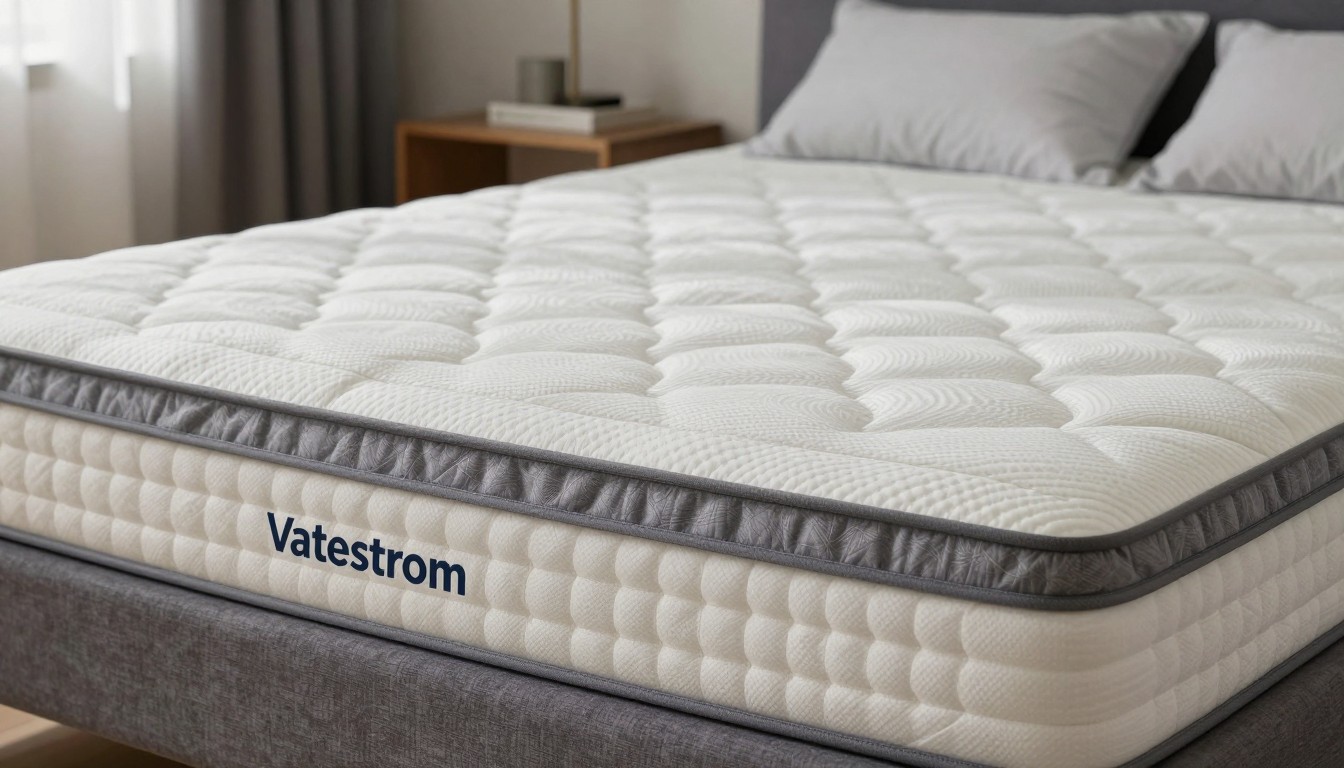
Its pocket-spring core is the first reason this mattress feels supportive rather than deeply cushioning. IKEA describes Vatneström as a pocket-sprung mattress made with materials including latex, coconut fibre, cotton, and wool. That is a very different recipe from a thick memory-foam mattress, where your body settles gradually into the surface.
Pocket springs compress independently. In practical terms, that should give you some contouring at the shoulders and hips while keeping the rest of the body lifted. The response is quicker, too. You change position and the mattress should push back rather than leave you feeling parked in one spot.
The natural layers matter just as much. Latex is resilient, while coconut fibre has a notably structured character. Cotton and wool can soften the immediate surface, but they do not create the slow, enveloping hug associated with dense foam. Put those materials over springs and the likely result is a mattress with a firmer, more breathable personality.
The Nut’s read: If your definition of comfort is “my hips stay up and I can turn easily,” Vatneström is pointed in the right direction. If it means “my shoulders disappear into the mattress,” it probably isn’t.
IKEA offers firmness choices in this family, and local catalogues can use slightly different naming. That is why I would not treat a broad online description as a promise that every Vatneström will feel identical. Check the firmness label for the exact size and version sold in your local IKEA store, then lie on that specific model if you can.
The medium-firm version is likely the safer starting point
Medium-firm is usually the more forgiving label in the Vatneström range. Independent descriptions cited in the available product information characterize that version as balanced and supportive, while firmer natural-material versions place more emphasis on a pronounced supportive feel. I read that as a meaningful distinction, not a naming technicality.
For many back sleepers, a medium-firm pocket-spring mattress can make sense because it offers lift through the midsection without feeling board-like at the shoulders. That is an assessment based on the design IKEA describes, not a claim that every back sleeper will love it. A lighter person may experience the same bed as quite firm, while a heavier person may activate more of the spring system and comfort layers.
Side sleepers need to be more careful. Your shoulder and hip are the pressure points, and a resilient spring-and-fibre construction may not give enough initial compression if you are light, sensitive to pressure, or used to a thick foam comfort layer. A medium-firm version has a better chance than a firmer one, but “better chance” is not the same as an automatic fit.
Stomach sleepers are often more comfortable on the firmer side of this design. The responsive surface can help prevent the pelvis from dropping too far, particularly if you dislike the hammock effect of softer foam. Still, comfort is personal, and stomach sleepers who are very light may find even medium-firm support more forceful than they want.
Firmness shortcut:
- Want easy movement: the pocket-spring build is a strong fit.
- Want a deep body hug: this construction is less likely to satisfy.
- Sleep mostly on your side: favour the less-firm available version and assess shoulder comfort in person.
- Sleep mostly on your stomach: the firmer feel may be more appealing.
Comparing options? The Saatva Classic is the pick we keep coming back to — see the final verdict ↓
The surface should feel buoyant, not slow or squishy
A mattress can be firm in two very different ways. One feels hard and unyielding. The other feels lifted, responsive, and stable. Based on IKEA’s stated combination of pocket springs, latex, coconut fibre, cotton, and wool, Vatneström should lean toward the second kind, though the firmer variants may still feel demanding to some sleepers.
Latex generally adds a little elastic give. It does not behave like memory foam, which is designed to respond slowly and closely to body heat and pressure. That means you should expect more bounce from the comfort layers and less of the stuck-in-the-bed sensation. For combination sleepers, that can be a real advantage.
Coconut fibre changes the tone of the mattress. It is used as a structured natural material, so it can reinforce the sense that you are resting on the mattress rather than inside it. That construction choice is one reason I would not buy Vatneström expecting a cloud-soft feel, even if the cover initially feels inviting.
Natural fillings can also settle with regular use. The product information notes that materials such as latex, wool, cotton, and coconut fibre may compress or settle over time. That is normal material behavior, not necessarily a defect. It does mean the feel you notice on the showroom floor may become a little less lofty after regular use.
If you are replacing a worn mattress that has softened dramatically, Vatneström may initially feel especially firm. That transition can be jarring even when the new mattress is within the comfort range you need. For more context on that adjustment period, see why a new mattress can feel so firm.
Cooling should be a strength, but it does not change the firmness
The pocket-spring structure leaves more open space than a solid foam core, and IKEA highlights a cooler sleeping environment as part of Vatneström’s natural-material design. Wool, cotton, latex, and spring ventilation all point toward a less heat-trapping build than a mattress dominated by slow-response foam.
That is useful if you sleep warm, but it should not be confused with a softer feel. Cooler materials can feel pleasant at the surface while the underlying support remains distinctly firm. If you want both a cooler mattress and substantial pressure relief, the exact comfort layer matters more than the phrase “natural materials.”
Airflow beneath the mattress matters as well. IKEA advises buyers to make sure their bed base is compatible with a pocket-sprung mattress and allows adequate ventilation. A suitable slatted base can support the mattress while helping moisture move away from the materials. An unsuitable base can affect both the feel and the condition of the mattress over time.
My practical advice: Judge firmness on your actual foundation. A mattress can feel more rigid on a solid, unforgiving base than it does on a compatible slatted frame.
Edge support should be respectable, but size and model still matter
Pocket springs usually provide more usable support across the mattress than an all-foam design with a soft perimeter, and the product information describes this line as supportive across the sleeping surface. That is encouraging for sleepers who sit near the edge to get dressed or share a bed.
Still, edge feel is not guaranteed by the words “pocket spring.” The exact spring layout, perimeter construction, and mattress size affect how stable the edge feels. Larger versions generally place more springs across the surface, which can change how supported the sides feel compared with a narrower version.
I would describe Vatneström’s likely edge behavior as a reason to inspect the precise model, not a reason to assume luxury-level reinforcement. Sit near the edge in the store, then lie close to it for several minutes. Your hips should not feel as if they are rolling outward, and the mattress should not force you back toward the center.
Motion is another area where the construction is likely to be mixed rather than extreme. Independent pocket springs can localize movement better than a connected spring unit, but a responsive latex-and-spring surface will generally transmit more movement than a deeply absorbing foam bed. Couples who are very sensitive to a partner turning over should treat that as part of the trade-off for easier movement.
Long-term comfort depends on accepting natural-material settling
There is no honest way to discuss Vatneström without mentioning settling. The natural materials IKEA lists can compress with use, and owner feedback summarized in the product information includes concerns about longer-term compression in natural-material mattresses. That does not make the mattress a poor choice. It means you should buy it for its construction strengths, not because you expect the surface to remain frozen in showroom condition.
IKEA’s mattress guarantee applies to defects in materials and workmanship, according to IKEA’s warranty information. Normal settling and wear are a separate question, so read the policy that applies in your market before purchasing. Keep proof of purchase, use an appropriate base, and follow the care guidance supplied with the mattress.
If a firmer feel worries you, a topper can change the first point of contact without replacing the supportive spring core. It is a sensible approach for someone who likes the buoyancy and temperature profile of this construction but wants more shoulder cushioning. It will not transform the mattress into slow-moving memory foam, and it will not fix a fundamentally wrong firmness choice.
Buyers considering a very rigid sleep surface should also understand the difference between “firm” and “ultra-firm.” Those are not interchangeable labels. My guide to an ultra-firm mattress explains why a mattress built for maximum rigidity suits a narrower group of sleepers.
My verdict: who should choose it, and who should pass
Vatneström is a sensible match for someone who wants a firm-to-medium-firm, responsive mattress with pocket springs and natural materials. I particularly like the logic for back sleepers, stomach sleepers, hot sleepers, and people who dislike the slow sink of memory foam. The medium-firm option is the more cautious route if you need some give at the shoulders.
I would pass if you know you prefer plush pressure relief, deep contouring, or a very muted surface for a restless partner. I’d also be cautious if you are a light side sleeper, because the structured natural layers may not compress enough for comfortable shoulder relief.
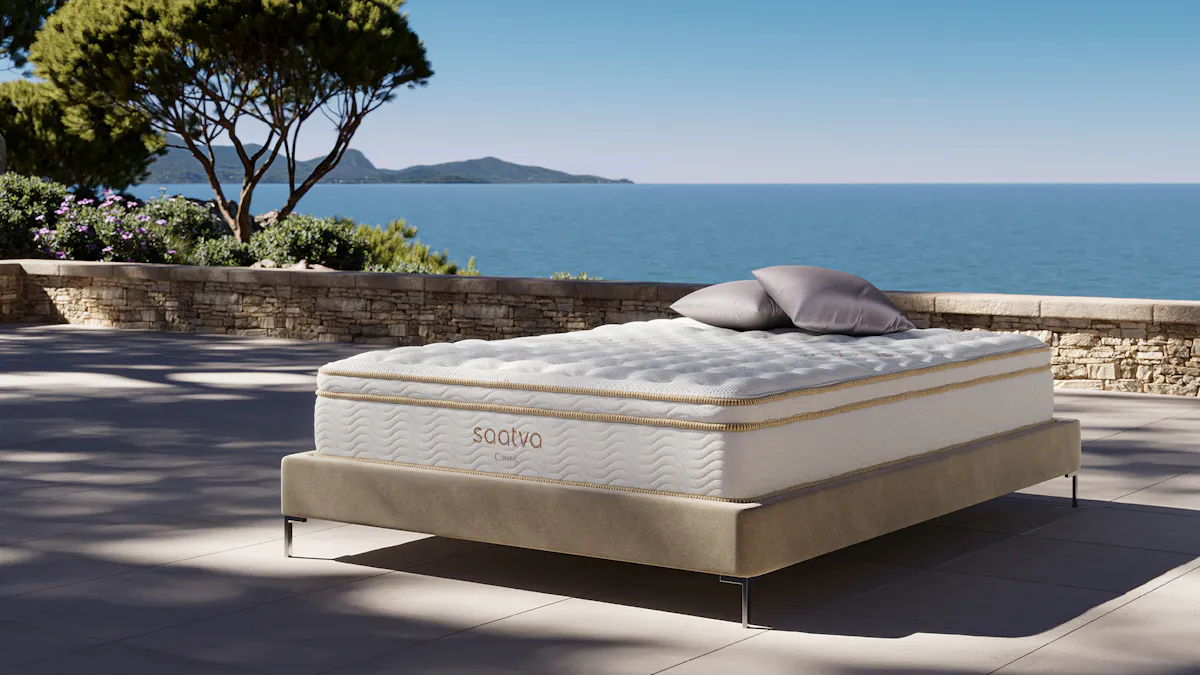
For shoppers who want a more adaptable luxury-leaning alternative, I’d consider the Saatva Classic. It offers flexible financing, is positioned by Saatva as America’s best-selling luxury mattress, and is handcrafted in the USA, according to Saatva. Its official policy also includes a generous sleep trial and a long warranty, so check the current details and price on Saatva’s official site before deciding.
Before choosing, compare your local IKEA firmness label, return terms, and availability. You can also read our Vatneström mattress reviews coverage for more context on the range. The right answer is not whether the mattress is “firm” in the abstract. It is whether its springy, structured support matches the way you sleep.
FAQ
Is the IKEA Vatneström mattress firm or medium-firm?
It can be either, depending on the exact version and market. IKEA’s product information places the line in the medium-firm to firm range, with some local variations using firmer labels. Always check the current label on the specific mattress you are considering.
Does Vatneström feel like memory foam?
No. IKEA describes it as a pocket-sprung mattress with materials such as latex, coconut fibre, cotton, and wool. That combination should feel more buoyant and responsive than slow-moving memory foam, with less deep body contouring.
Is it suitable for side sleepers?
Some side sleepers may like the medium-firm version, especially if they enjoy a responsive surface. Light sleepers and anyone with sensitive shoulders should be more cautious, because a firmer spring-and-fibre build may not offer enough pressure relief without a topper.
Will a Vatneström mattress soften over time?
Natural comfort materials can settle and compress with regular use, according to the product information. That may slightly change the surface feel over time, but it should not be treated as a substitute for choosing the right firmness at the start.
Can I use it on a slatted bed base?
IKEA advises confirming that the base is compatible with a pocket-sprung mattress and provides adequate airflow. A suitable slatted base can help support the mattress and allow ventilation around its natural materials. Check the local IKEA guidance for your exact base and mattress version.
FINAL VERDICT
Before you settle: if how firm is ikea vatnestrom mattress is what brought you here, the Saatva Classic is the value pick on this page — more home-trial and warranty coverage than the alternatives covered here. Confirm current price, dimensions and terms on the official product page before ordering.
OUR CATEGORY-MATCHED PICK · UP TO $625 OFF
Saatva Classic
- 365-night home trial and lifetime warranty, per saatva.com
- Handcrafted in the USA, free white-glove delivery
- Flexible financing available