
 by
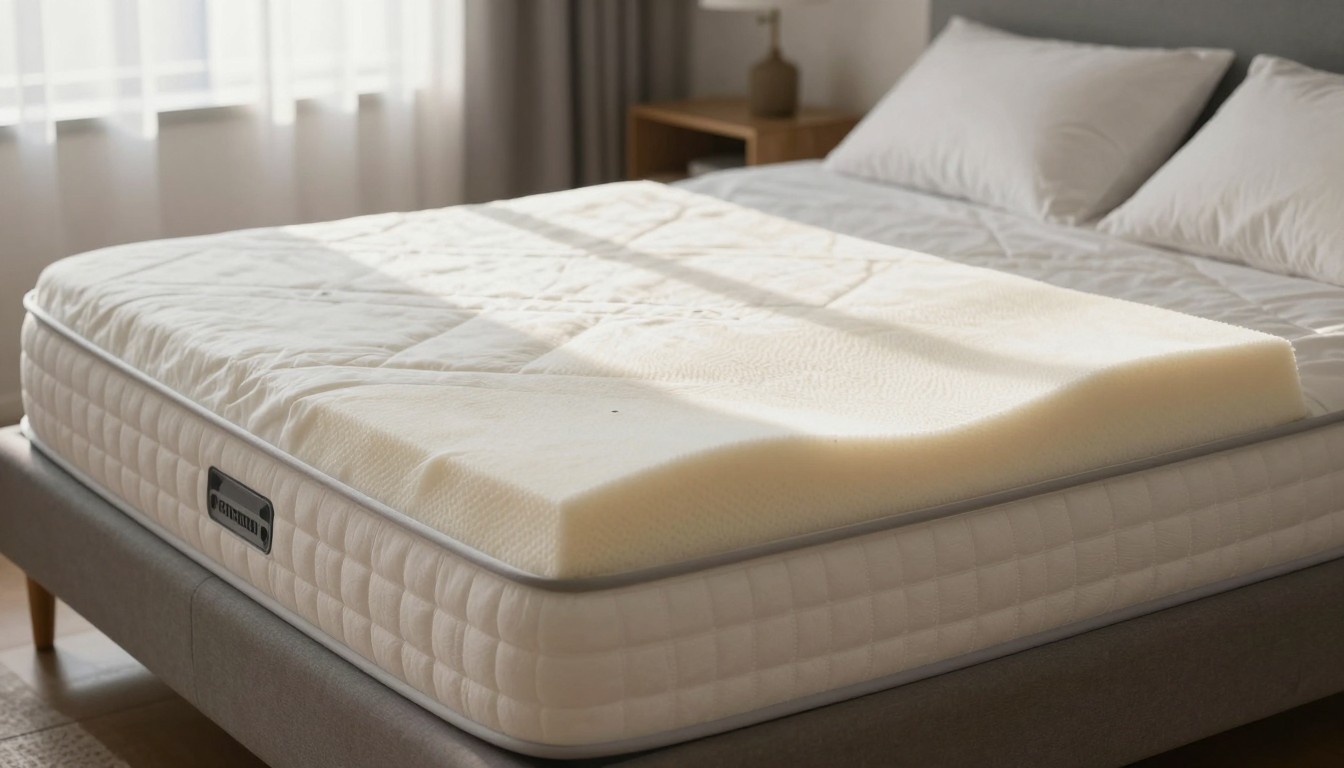
by Quick answer: If you’re asking how long does it take for a memory foam mattress topper take to expand, allow 24–72 hours. The largest visible rise often happens during the first 4–6 hours, but the corners, center, and overall feel may need longer to settle.
- Start the clock after every layer of plastic has been removed.
- Keep the topper flat, uncovered, and in a comfortably warm room.
- Judge it by an even surface, relaxed corners, and consistent recovery.
- Follow the manufacturer’s directions if its stated waiting period differs.
My practical answer to how long does it take for a memory foam mattress topper take to expand is straightforward: don’t make a keep-or-return decision during the first few hours. Give the foam its full 24–72-hour recovery window unless the manufacturer directs you otherwise.
A topper can look nearly full while it is still changing. Its edges may rise quickly, yet the center can remain compressed and the corners may hold the curve created by rolled packaging. Comfort is also difficult to judge while one area is recovering faster than another.
The first 4–6 hours show height, not final comfort
The first 4–6 hours usually produce the most obvious visual change. Once the plastic is removed, the topper starts unfolding, drawing air back through the foam, and relaxing toward its intended profile.
That early rise is only a checkpoint. Shallow channels from folding can remain visible, and a curled corner may take longer to lie flat. The surface can also feel firmer or less responsive than it will after the material has warmed and settled.
I’d avoid assessing pressure relief at this stage. A partly compressed section carries weight differently from the surrounding foam, so an early lie-down can make the topper seem uneven even when it is still recovering normally.
The useful distinction: Visible height tells you that expansion has started. A level surface and consistent feel across the topper tell you that it is much closer to ready.
Why full expansion can take 24–72 hours
The 24–72-hour window accounts for the way compressed memory foam recovers. Shipping pressure squeezes the foam and holds it in a rolled or folded shape. After unboxing, the material needs time to relax throughout its full depth, not just along the exposed edges.
Room temperature affects that response. Memory foam tends to feel stiffer and rebound more slowly in a cold room. Comfortable ambient warmth makes it more responsive, but concentrated heat can affect one area differently from the rest.
Construction matters as well. A thicker topper contains more material that must recover through the center. Density and firmness can influence how substantial the foam feels, but they are not interchangeable terms, and neither one by itself tells you exactly how quickly a particular topper will expand.
Packaging history is another variable. Foam that has remained tightly compressed may retain deeper creases than a topper packed for less time. A slower start does not automatically mean the material is defective, particularly when the surface continues improving.
- Cold foam: Often feels rigid and may unfold slowly.
- Deep compression: Can leave temporary ridges or curled edges.
- More foam material: May require additional settling through the center.
- Restricted airflow: Makes it harder for the topper to recover evenly.
Set the topper up flat and uncovered
A clean, level mattress is the best expansion surface. Open the outer packaging carefully, keep sharp tools away from the foam, remove every plastic layer, and unfold the topper without pulling hard on its corners.
Position it in the correct orientation as soon as practical. Leaving memory foam folded over a chair or hanging from an edge puts uneven stress on material that is already recovering from compression. It also makes low areas harder to evaluate.
Airflow helps the topper breathe while its shape returns. Leave it uncovered rather than immediately adding a fitted sheet, mattress protector, blankets, or a heavy comforter. Opening the room to ordinary ventilation can also help any packaging odor disperse.
Keep the room comfortably warm, not hot. A hair dryer, iron, heating pad, or electric blanket concentrates heat and may affect the foam unevenly. Steady room warmth is the safer approach.
- Remove the topper from all shipping plastic.
- Lay it directly on a clean, flat mattress.
- Smooth its position gently without stretching the foam.
- Keep bedding off while obvious creases remain.
- Recheck both the center and corners after it has rested.
Check expansion without relying on guesswork
After the first 4–6 hours, view the topper from the side rather than only from above. This makes a compressed middle, raised ridge, or stubborn corner easier to see. Compare the surface with the profile described in the manufacturer’s instructions, if one is stated.
Press lightly in several areas using similar pressure. You are looking for reasonably consistent response across the surface, not a fast bounce. Memory foam is designed to respond more slowly than springy foam, so rebound speed alone is a poor readiness test.
Lift an edge and inspect the underside as well. A topper can appear smooth on top while a fold remains trapped below. Confirm that the mattress underneath is level, since the foam will follow an existing dip or raised seam.
- Note when the topper was fully unwrapped and placed flat.
- Check the edges, center, and underside in good light.
- Look for continued improvement rather than perfect appearance immediately.
- Wait through the stated recovery period before documenting a persistent defect.
Can you sleep on it before it fully expands?
About 24 hours is a practical compromise if you need to use the bed and the topper already lies evenly. I’d wait longer when a section is visibly compressed, a corner remains tightly curled, or the surface still feels inconsistent.
Using it early may not stop the remaining recovery, but it can give you a misleading impression of comfort. Your shoulders or hips may encounter a partially compressed area, and the topper may feel firmer there than it does after settling.
If you must make the bed, first confirm that no plastic remains and that the foam is not folded beneath itself. Use ordinary bedding without trying to force the topper flat under heavy objects. For a broader look at construction and fit, see the guide to choosing a memory foam mattress topper.
My use-now test: The topper should lie flat enough that you are not loading a sharp fold or pronounced low spot. Even then, reserve your final comfort judgment until its recovery window has passed.
Expansion and new-foam odor are separate issues
A new-material odor can appear as soon as the packaging is opened. It may fade while the topper expands, but odor strength is not a reliable measure of how much physical recovery remains.
Ventilation is the sensible response. Keep the topper uncovered, allow ordinary room airflow, and give the foam space to air out. Covering it immediately can trap the smell beneath bedding.
Don’t soak or machine-wash the foam to speed up the process. Moisture can be difficult to remove from a thick foam layer. If the topper has a removable cover, treat the cover only as its care label directs and spot-clean the foam when permitted.
If the odor stays unusually strong after ample ventilation, consult the product instructions and contact the seller or manufacturer. Describe the smell and the airing conditions without assuming that odor alone proves a construction fault.
- Air the topper on a flat surface.
- Keep bedding off until the odor becomes manageable.
- Avoid perfumes or harsh cleaners that could mask the problem.
- Use the care label before cleaning a removable cover.
Full height does not prove long-term support
A fully expanded topper can still be the wrong match for the bed. Expansion only shows that the foam has recovered from shipping compression. It does not establish that the topper has the firmness, resilience, or construction needed for your sleep position.
Density deserves attention because it describes how much foam material is packed into a given volume. Firmness describes how resistant that foam feels under load. Brands do not always disclose density, but I prefer a clear construction description over vague language about luxury or support.
The mattress underneath remains the support system. A topper can add contouring and change surface firmness, but it cannot rebuild a worn core or correct a deep structural sag. Memory foam will often follow the shape beneath it, making an existing depression visible at the topper’s surface.
Cooling features also need realistic expectations. Gel infusions and breathable covers may help manage surface warmth, but memory foam still contours closely around the body. Let the topper finish recovering before deciding how its cradle and temperature feel on your mattress.
My construction filter: Look past the unboxing rise. Clear foam information, usable care directions, a suitable firmness goal, and workable return terms matter more over time.
If discomfort is why you added the layer, the guide to a memory foam mattress topper for back pain explains the important difference between adding cushioning and relying on the underlying mattress for support.
When a flat spot may indicate a real problem
At the end of the 72-hour window, inspect the bare topper in good light. A faint packaging line may be cosmetic, but a deep depression, a tightly folded corner, or a section that has stopped improving deserves closer attention.
First rule out setup problems. Confirm that no plastic remains underneath, the room is not unusually cold, and the topper has been resting on a level surface. Move it briefly if necessary to check whether the apparent low spot matches a dip in the mattress.
Photograph any persistent issue from above and from mattress level. Include the center, edges, and surrounding surface so the seller can see the difference. Keep the packaging label and order information available when requesting guidance.
Use the manufacturer’s instructions as the final timing authority. If its stated recovery period has passed and the defect remains, contact the seller or manufacturer before cutting, heating, or otherwise altering the foam, since alterations may affect the available remedy.
- Probably still settling: Creases are becoming shallower and corners are gradually relaxing.
- Check the foundation: The low area lines up with a sag in the mattress below.
- Worth documenting: A pronounced section remains compressed after the stated window.
- Ask before altering: The care instructions do not approve heat, cutting, or aggressive manipulation.
If the mattress itself was recently compressed, evaluate it separately. A full mattress has deeper support layers and may not recover in the same way as a topper. The guide on how long a memory foam mattress takes to expand covers that distinction.
FAQ
How long does a memory foam mattress topper take to expand fully?
For anyone searching how long does it take for a memory foam mattress topper take to expand, the useful allowance is 24–72 hours. The biggest visible rise often occurs during the first 4–6 hours, while the center, corners, and feel continue settling afterward.
Can I sleep on a memory foam topper after a few hours?
You may be able to use it once the surface is even, but about 24 hours gives the material more time to recover. Wait longer if you can still see a deep crease, curled edge, or compressed area where your body would rest.
Why is my memory foam topper still flat in one spot?
A cold room, tight shipping compression, trapped packaging, or an uneven mattress can all contribute. Leave the topper flat and uncovered, verify the surface beneath it, and watch for gradual improvement through the full waiting period.
Does a warm room help memory foam expand?
Comfortable room warmth can make memory foam more responsive and help it relax. Avoid direct heat from appliances or heated bedding because concentrated warmth can affect one part of the material more than another.
Should I return a topper that has not fully expanded?
Wait through the manufacturer’s stated recovery period, or up to 72 hours when no different direction is given. If a pronounced low area or folded corner remains, take clear photographs and contact the seller or manufacturer before modifying the foam.
One optional premium example after setup
For readers already considering premium toppers, the Saatva Graphite Topper is one option to evaluate only after the expansion question is settled. Don’t infer its recovery speed, cooling, or durability from the name alone. Base any decision on the manufacturer’s current construction details, setup directions, care guidance, and policies.
ONE OPTION WORTH COMPARING
Shopping as well as reading? Here is one current option worth comparing: the Saatva Graphite Topper. Check today’s price, sizing and return terms on the official product page before you order.
Saatva Graphite Topper
- Graphite-infused memory foam, per saatva.com
- 180-night trial
- Secure anchor bands, fits deep mattresses

My final take
Give compressed memory foam enough room and time to recover. The early rise is encouraging, but even corners, a settled center, and consistent response are more useful signs than height alone.
Lay the topper flat, remove all plastic, keep it uncovered in comfortable room conditions, and allow the full 24–72 hours before judging its final feel. If a deep low spot remains after the applicable instructions have been followed, document it and ask the seller or manufacturer how to proceed.