
 by
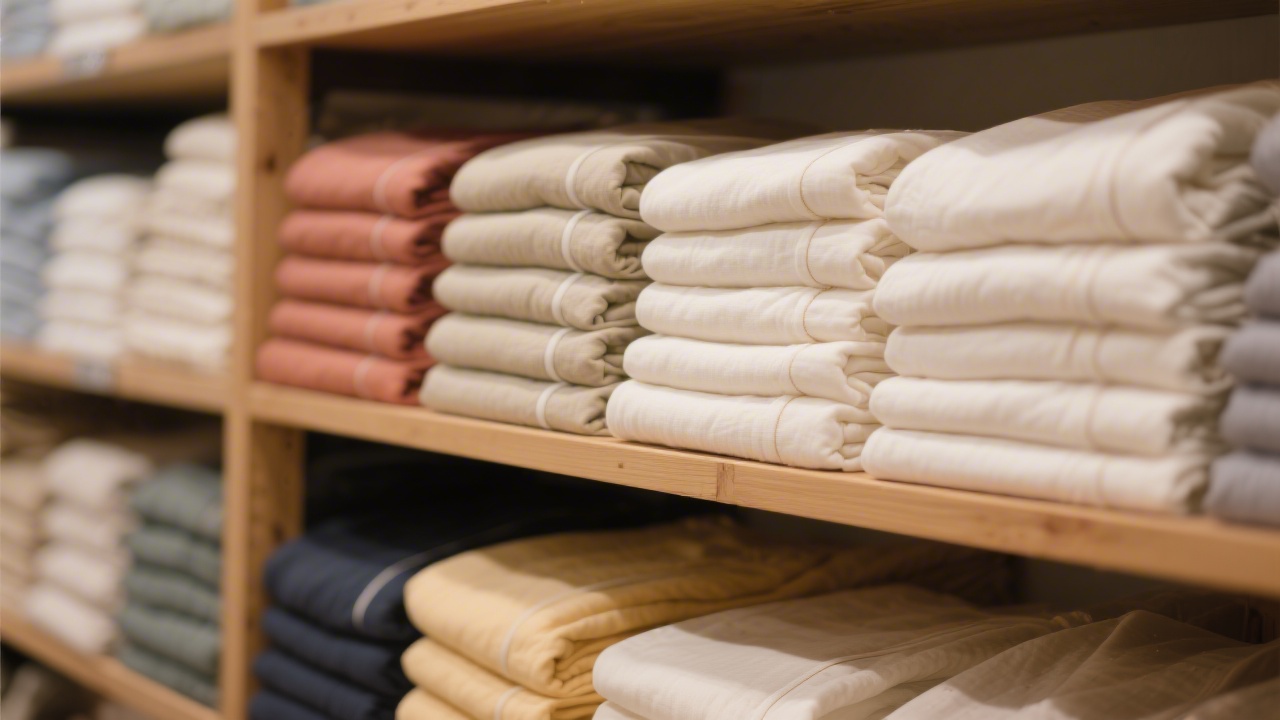
by Saatva's organic percale sheets use single-ply, long-staple cotton -- the weave and fiber quality that actually matters. Available in sizes from Twin to Split Cal King.
Why Sheet Shopping Is Unnecessarily Confusing
Thread count became a marketing metric in the 1990s when manufacturers discovered consumers used it as a quality proxy. The result: an arms race of inflated numbers through multi-ply yarn construction that actively reduced sheet quality while increasing the marketing number. Today, a 600TC sheet is often worse than a 300TC sheet from the same manufacturer.
This guide cuts through that. There are four variables that actually determine whether you'll sleep well in a set of sheets.
The Four Variables That Actually Matter
1. Fiber Quality
Cotton fiber length is the foundation. Extra-long staple (ELS) cotton -- including SUPIMA (American Pima) and certified Egyptian cotton -- produces longer, finer yarn that creates softer, more durable fabric. Short-staple cotton produces harsher fabric that pills faster. Look for:
- SUPIMA certified -- verified American long-staple cotton, chain-of-custody testing
- GOTS certified -- organic process, fiber quality often (not always) high
- OEKO-TEX Standard 100 -- no harmful substances; doesn't certify fiber quality but indicates responsible manufacturing
2. Weave Type
Weave determines texture and temperature more than thread count does:
- Percale -- one-over-one-under, crisp, matte, cool. Best for hot sleepers and anyone who prefers a classic hotel feel. Full guide: percale sheets explained.
- Sateen -- four-over-one-under, silky, slight sheen, warmer. Best for cold sleepers who want immediate softness.
- Jersey -- knit construction, t-shirt soft, stretchy, warmer. Best for casual sleepers who hate ironing. Full guide: jersey sheets review.
- Flannel -- brushed cotton, warmest option, winter-specific. Best for cold climates and cold sleepers. Full guide: flannel vs cotton comparison.
See the full sateen vs percale comparison for more detail.
3. Thread Count (and Why Single-Ply Matters)
Thread count is threads per square inch. The problem: manufacturers can twist two or three fibers together and count each strand as a separate thread. This inflates the number while creating a denser, less breathable fabric.
Single-ply rule: always look for "single-ply" explicitly stated. A 400TC single-ply sheet is superior to a 600TC sheet where ply is not disclosed. See the thread count guide for the full breakdown, and our thread count chart for a visual reference.
4. Pocket Depth
Match pocket depth to your mattress. Standard sheets (up to 12 inch pocket) no longer fit most modern hybrids. Most buyers today need deep pocket (14-16 inch) or extra-deep (17-22 inch). Measure your mattress plus any topper before ordering. Full guide: deep pocket sheets.
Budget Framework
| Budget (Queen Set) | What You Get | What to Look For |
|---|---|---|
| Under $50 | Microfiber or short-staple cotton | 100% cotton, avoid polyester blends |
| $50-$100 | Mid-range cotton, basic certifications | OEKO-TEX, stated ply, weave disclosure |
| $100-$200 | Long-staple cotton, SUPIMA or GOTS | Single-ply confirmed, all-around elastic |
| $200+ | Premium ELS, CEA/SUPIMA certified | Full supply chain transparency, CEA license |
Matching Sheet Type to Sleeper Profile
- Hot sleeper: Percale, long-staple cotton, 300-400TC single-ply. Avoid sateen, jersey, flannel.
- Cold sleeper: Sateen or flannel. Sateen for year-round; flannel for winter-only.
- Sensitive skin: GOTS certified organic cotton, OEKO-TEX 100, no synthetic blends.
- Low maintenance: Jersey (wrinkle-free, stretchy) or sateen (lower iron need than percale).
- Value buyer: SUPIMA percale at 300-400TC. Best quality-per-dollar in the sheet market.
Care: The Often-Ignored Variable
How you wash sheets affects longevity as much as fiber quality. Three rules: (1) cold or warm water only -- hot water degrades fibers faster than anything else; (2) low heat drying; (3) no fabric softener -- it coats fibers and reduces breathability. Following these extends sheet life by 2-3 years over warm/hot washing.
For material-specific buying advice, also see our guides on Egyptian cotton sheets and linen vs cotton sheets.
Saatva's organic percale sheets use single-ply, long-staple cotton -- the weave and fiber quality that actually matters. Available in sizes from Twin to Split Cal King.
Voted best luxury innerspring mattress with exceptional lumbar support and white-glove delivery.
Check Price & Availability FAQPage", "mainEntity": [{"@type": "Question", "name": "What is the most important factor when buying sheets?", "acceptedAnswer": {"@type": "Answer", "text": "Fiber quality and weave type matter more than thread count. A 300TC percale in long-staple cotton outperforms a 600TC sheet in short-staple or multi-ply cotton. Start with fiber certification (SUPIMA, GOTS, OEKO-TEX), then check weave, then thread count."}}, {"@type": "Question", "name": "What thread count should I look for in sheets?", "acceptedAnswer": {"@type": "Answer", "text": "For percale, 300-400TC single-ply is optimal. For sateen, 400-600TC single-ply. Above those ranges without explicit single-ply disclosure usually means multi-ply yarn inflating the count. Thread count is not a quality indicator above 400-500."}}, {"@type": "Question", "name": "How often should I replace sheets?", "acceptedAnswer": {"@type": "Answer", "text": "Quality percale or sateen cotton sheets, washed weekly, should last 5-8 years before showing significant wear. Jersey lasts 3-5 years. Polyester microfiber typically shows degradation at 2-3 years. Pilling, thinning, or persistent staining are signs to replace."}}, {"@type": "Question", "name": "Do more expensive sheets sleep better?", "acceptedAnswer": {"@type": "Answer", "text": "Above a threshold of around $80-100 for a queen set, the relationship between price and quality weakens significantly. Premium brands at $200+ sell certification, ethics, and brand trust -- not necessarily a better night's sleep. The sweet spot for most buyers is $80-150."}}, {"@type": "Question", "name": "What sheets are best for hot sleepers?", "acceptedAnswer": {"@type": "Answer", "text": "Percale weave in long-staple cotton is the best choice for hot sleepers. The one-over-one-under weave maximizes air circulation. Avoid sateen, jersey, flannel, and polyester microfiber -- all trap more heat than percale."}}]}