
 by
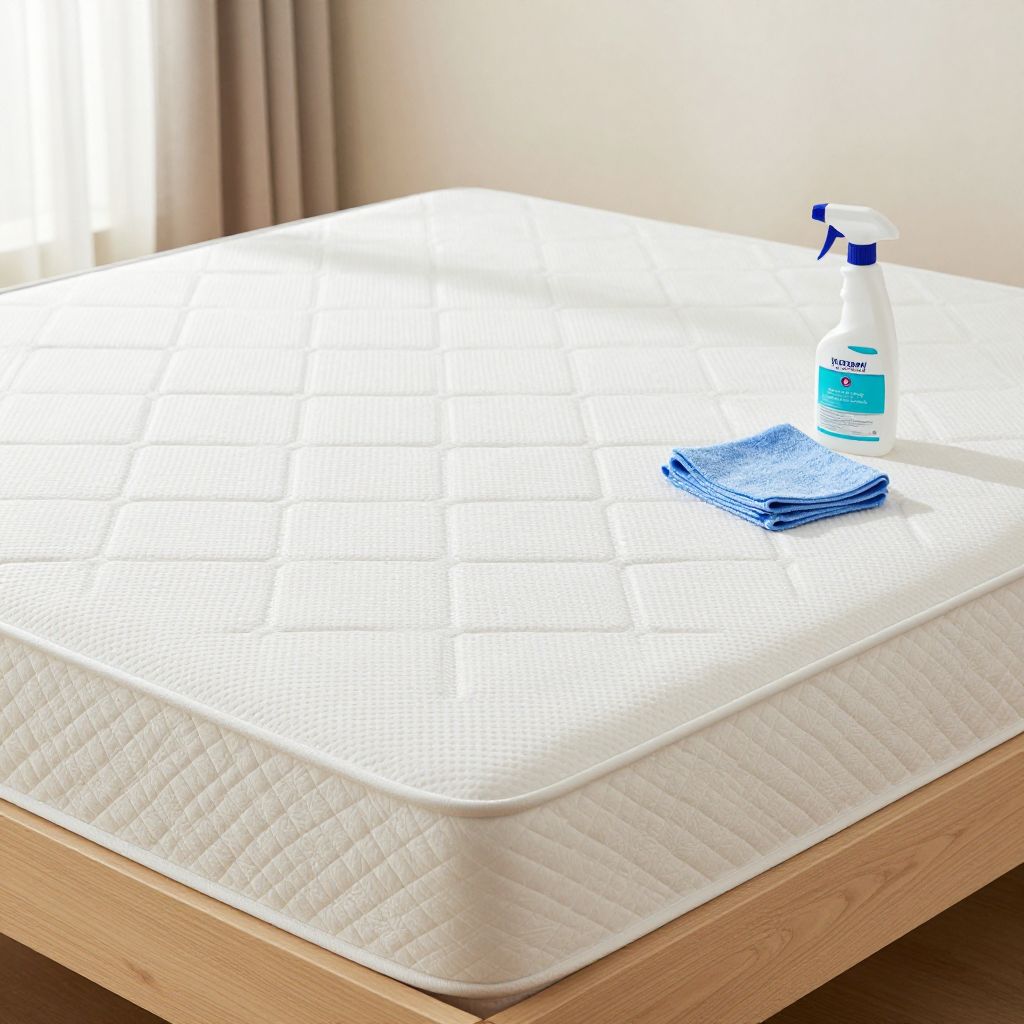
by Few household situations demand faster action than vomit on a mattress. Stomach content is acidic, protein-rich, and saturated with bacteria—every minute it sits, it works deeper into foam or coil layers and locks in an odor that routine surface cleaning can't touch. The good news: if you move quickly and use the right cleaners in the right order, most mattresses can be fully restored. This guide walks you through the complete process, from fresh spill to fully dry, plus a frank look at when the damage has already gone too far.
Sleep Lab Editor's Pick
If odor or staining has soaked into the core past saving, our Editor's Pick replacement is the Saatva Classic — a breathable coil-on-coil hybrid. Free white-glove delivery with old-mattress removal, 365-night trial.
What You'll Need Before You Start
Gather your supplies before touching the mattress. Stopping mid-clean to hunt for paper towels lets the stain set further.
| Solution / Supply | What It Does | Best For |
|---|---|---|
| Enzymatic cleaner (e.g., Nature's Miracle) | Breaks down proteins, uric acid, and bacteria at a molecular level | Fresh and dried stains; odor elimination |
| Baking soda | Absorbs moisture and neutralizes acidic odors | Fresh spills; odor phase after cleaning |
| White vinegar (diluted 1:1 with water) | Disinfects and cuts through residue | Fresh stains; surface disinfection |
| Dish soap (clear, fragrance-free) | Lifts grease and protein residue | Fresh stains as part of a cleaning solution |
| 3% hydrogen peroxide | Oxidizes and bleaches organic stains | Dried or set stains (spot-test first) |
| Cold water in a spray bottle | Dilutes and rinses cleaning agents | All stages; rinsing |
| Clean white cloths or paper towels | Blotting without spreading stain | All stages |
| Rubber gloves | Protects hands from pathogens (critical if illness-related) | All stages, especially norovirus/stomach flu |
| Vacuum with upholstery attachment | Removes dried baking soda and residue | Final step before drying |
Step-by-Step: How to Clean Vomit from a Mattress
Step 1 — Remove Solids Immediately
Put on rubber gloves. Using a spoon, dull knife, or stiff piece of cardboard, scoop solid material off the surface and discard it. Work from the outside edge toward the center to avoid spreading. Do not press down—pressing forces material deeper into the fabric and foam.
Step 2 — Strip and Wash All Bedding
Remove sheets, mattress pad, and any protector. Wash them in the hottest water safe for the fabric—hot water (at least 140°F) kills pathogens including norovirus. If the vomit was illness-related, treat the laundry as a separate load and wash your hands after handling it.
Step 3 — Blot, Don't Rub
Press clean white cloths or thick paper towels firmly onto the wet area and lift straight up. Repeat with fresh cloths until you've absorbed as much liquid as possible. Rubbing spreads the stain laterally and pushes it deeper—always blot.
Step 4 — Apply Your Cleaning Solution
For a fresh stain, mix one tablespoon of clear dish soap with one cup of cold water and a splash of white vinegar. Spray lightly over the stained area—do not saturate. Blot again, working inward. Repeat two or three times.
For protein stains and odor, an enzymatic cleaner is the most effective option. Spray it generously over the stain, let it sit for the time listed on the label (usually 10–15 minutes), then blot dry. Enzymes actively digest the organic compounds that cause persistent odor; no other cleaner does this as thoroughly.
For dried or set stains, mix one part 3% hydrogen peroxide with two parts cold water and a small squeeze of dish soap. Spot-test on a hidden corner first—hydrogen peroxide can lighten some fabrics and is not safe on memory foam without testing. Apply, let sit 5 minutes, blot thoroughly.
Step 5 — Deodorize with Baking Soda
Once you've blotted out as much moisture and cleaner as possible, cover the entire affected area generously with dry baking soda. Press it lightly into the surface. Leave it for a minimum of 8 hours—overnight is better. Baking soda pulls remaining moisture out and neutralizes the acidic compounds responsible for the sour smell.
Step 6 — Vacuum Thoroughly
Use the upholstery attachment to vacuum up all the baking soda. Move slowly and make multiple passes. Check that no residue remains in the fabric seams or quilting channels.
Step 7 — Dry Completely Before Remaking the Bed
This step is non-negotiable. A mattress that goes back under sheets while still damp will develop mold and mildew within 24–48 hours. Point a fan directly at the cleaned area and run it for several hours. If weather permits, open windows to increase airflow. For thick memory foam, allow a full 24 hours of drying time. Check with your hand—the surface should feel completely dry, not cool or faintly damp. For more on preventing mold after moisture exposure, see our guide on how to get mold out of a mattress.
Step 8 — Disinfect (Illness Situations)
If the vomit resulted from a stomach virus—particularly norovirus—surface cleaning alone is not enough. After the enzymatic or vinegar treatment and before applying baking soda, lightly mist the area with undiluted white vinegar or a fabric-safe disinfectant spray. Let it sit for 10 minutes, then blot. Wash all bedding at high heat, and keep the affected mattress out of use until it is completely dry.
Cleaning Tips by Stain Age
Fresh (under 30 minutes): You have the best outcome possible. Follow steps 1–8 above. The enzymatic cleaner or dish soap solution will handle the bulk of the work.
Dried (several hours to days old): Rehydrate the stain first by misting with cold water, letting it sit two to three minutes, then proceeding with the enzymatic cleaner or hydrogen peroxide solution. Dried vomit requires more soak time for cleaners to work.
Old or recurring odor: If a smell has been present for weeks, the acids have likely penetrated past the cover fabric into the comfort layer. Apply enzymatic cleaner, cover with baking soda, and leave for 24 hours. Vacuum and repeat. Two to three cycles often resolve odor that a single treatment cannot. If the smell persists after three rounds, the core material is likely compromised. You may also want to review our general guide on how to clean a mattress for complementary techniques.
Cleaning Vomit from Specific Mattress Types
Innerspring: Most forgiving. The coil core does not absorb liquid the way foam does, so moisture tends to stay in the comfort layers. Standard enzymatic cleaning works well. Dry time is shorter.
Memory foam: Never saturate. Memory foam is slow to dry and highly susceptible to mold if moisture reaches the core. Use a spray bottle and apply cleaners sparingly—you want the surface treated, not soaked. Always extend drying time to 24 hours minimum.
Latex: Natural latex resists mold better than memory foam but is still porous. Avoid hydrogen peroxide on latex as it can degrade the material over time. Stick to enzyme cleaner and baking soda.
Hybrid: Treat the comfort layer based on its material (usually foam or latex) and follow those rules. The coil base provides some airflow that helps drying.
When to Replace Instead of Clean
Cleaning works when the problem is surface-deep. But if vomit—or repeated liquid exposure over time—has reached the mattress core, you'll face three persistent issues: structural degradation of foam, mold in the base layers, and an odor that no amount of surface treatment will eliminate because the source is interior.
Signs it's time to replace:
- Odor returns within days of thorough cleaning, even after multiple enzymatic treatments
- Visible staining that has spread beneath the surface fabric
- The mattress is already 7–10 years old and showing sagging or loss of support
- You have visible mold on or under the mattress
If you're at that point, the Saatva Classic is our top replacement pick. It's a luxury innerspring hybrid built with individually wrapped coils, an organic cotton cover, and a Euro pillow top—genuinely premium construction at a price that's competitive with mass-market alternatives. Saatva also offers white-glove delivery and old mattress removal, which matters when you're dealing with a damaged unit. Check our best mattress deals page for current pricing and promotions.
How to Prevent This from Happening Again
A quality waterproof mattress protector is the single most effective prevention. It sits between the mattress and the fitted sheet, blocks liquid penetration entirely, and is machine washable. It adds no perceptible feel change to a well-made mattress. See our full review of the best mattress protectors for options at every price point.
If you have young children or anyone prone to illness at home, a protector is not optional—it's as fundamental as sheets. A good protector costs $40–$80 and extends a mattress lifespan by years. Replacing a mattress costs $500–$2,000+.
Related cleaning guides that may help: how to clean urine off a mattress (similar protein-based stain, same enzymatic approach) and how to clean sweat stains from a mattress (long-term odor buildup from repeated exposure).
FAQ
Can I use bleach to clean vomit off a mattress?
No. Bleach damages fabric and foam, can trigger respiratory irritation in an enclosed bedroom, and does not address the protein compounds that cause odor. Enzymatic cleaner is far more effective and safe for mattress materials.
What if the vomit smell won't go away after cleaning?
Apply a fresh round of enzymatic cleaner, allow full soak time, then cover with a thick layer of baking soda and leave it for 24 hours before vacuuming. If the smell persists after two or three full cycles, the odor source has penetrated the foam core and the mattress likely needs to be replaced.
Is it safe to sleep on the mattress after cleaning?
Only after it is completely dry. A damp mattress accelerates mold growth and can cause respiratory issues. Run a fan on the area for several hours and confirm there is no cool or damp sensation before replacing bedding.
Does hydrogen peroxide damage a mattress?
It can lighten or discolor some fabrics and should never be used full-strength on memory foam. Always dilute it (one part peroxide to two parts water), spot-test on a hidden area first, and blot it out thoroughly after treating. On white or off-white covers it is generally safe when diluted.
How do I clean vomit from a mattress after it has dried?
Lightly mist the dried stain with cold water to rehydrate it, let it sit two to three minutes, then apply enzymatic cleaner. Allow the cleaner to work for 10–15 minutes and blot thoroughly. Follow with baking soda overnight. Dried stains require more soak time but respond to the same process as fresh ones.
Can stomach flu vomit spread norovirus through a mattress?
Norovirus is highly resilient and can survive on surfaces for days. After removing solids, apply an enzymatic cleaner or diluted white vinegar disinfectant, allow contact time, blot dry, and then follow the full cleaning process. Wash all bedding at 140°F or higher and wear gloves throughout. Full drying before reuse is critical.
How do I get rid of the sour smell without an enzymatic cleaner?
Baking soda is your next best option. After cleaning with the dish soap and vinegar solution, apply a generous layer of baking soda to the area and leave it for at least 8–12 hours. The longer it sits, the more odor it absorbs. An enzymatic cleaner will outperform this method for strong odors, but baking soda handles mild-to-moderate cases effectively.