
 by
by A wet mattress has a 24 to 48-hour window before mold growth begins. The drying method that works for an innerspring mattress is different from what works for memory foam, which holds water very differently. This guide covers the fastest drying methods by mattress type and what to do when you cannot get the mattress dry in time.
Our Top Pick
The Saatva Mattress Pad creates a waterproof barrier that prevents spills from ever reaching your mattress — eliminating the drying problem at the source.
Affiliate disclosure: We earn a commission at no extra cost to you.
The 48-Hour Rule
Mold begins germinating within 24-48 hours on wet porous material in warm conditions. This is the outer limit for drying a mattress before mold becomes a realistic threat. The goal is not just surface-dry — it is through-dry. A mattress that feels dry on the surface but retains moisture 2-3 inches into the foam will still grow mold, and you will not know until the smell starts weeks later.
How Different Mattress Types Hold Water
Understanding your mattress type is critical because drying behavior varies significantly:
- Innerspring: The coil system allows airflow throughout. Water travels downward and can pool at the base. Dries faster than foam, typically 8-24 hours with active airflow.
- Memory foam: Dense, closed-cell structure holds water like a sponge. Does not drain; water distributes throughout the affected area. Dries very slowly — 24-72 hours minimum, often longer for deep saturation. The most challenging mattress type to dry.
- Latex: More porous than memory foam. Dries faster than memory foam but slower than innerspring. Hours to days depending on saturation depth.
- Hybrid: The foam comfort layers hold water like memory foam; the coil base drains more freely. The foam layers are typically what require the longest drying time.
Step-by-Step Drying Method
Step 1: Remove liquid immediately
Press clean towels or paper towels firmly onto the wet area. Apply body weight to maximize absorption. Use a wet-dry vacuum if available — this removes far more liquid than blotting alone and significantly reduces drying time. Do not rub — this spreads the liquid to a larger area.
Step 2: Apply baking soda
Sprinkle a thick layer of baking soda over the wet area. Baking soda absorbs moisture actively and also absorbs any odors from the liquid source. Leave for 30-60 minutes, then vacuum thoroughly.
Step 3: Apply active airflow
Position one or two fans blowing directly on the wet surface. Add a dehumidifier to the room to remove moisture from the air as it evaporates. Open windows if outdoor humidity is low. For memory foam specifically, do not rely on passive air circulation — it will not dry the mattress in time. Forced airflow is mandatory.
Step 4: Heat (carefully)
A hair dryer on low heat accelerates surface drying. Keep it moving — holding heat in one spot can warp memory foam. Do not use a space heater pushed directly against the mattress surface. Moderate heat with continuous airflow is more effective and safer than intense heat in a fixed position.
Step 5: Sunlight (when possible)
Moving the mattress outside in direct sunlight is the most effective drying method available without professional equipment. Sunlight provides heat, UV sterilization, and air exchange simultaneously. Leave for 4-6 hours minimum, rotating for even exposure. If outdoor conditions are humid, this method is less effective — check the outdoor humidity before moving the mattress out.
Step 6: Verify complete dryness before remaking
Press firmly with clean dry hands on all areas of the wet zone. No coldness, dampness, or squishiness should be detectable. For memory foam, consider leaving the mattress uncovered for an additional 24 hours after it feels dry, as residual moisture deep in the foam can wick back to the surface over time.
When You Cannot Dry It in Time
If the mattress has been wet for more than 48 hours, is saturated through to the base, or shows any discoloration or smell suggesting mold has already begun, the drying window has passed. At this point:
- Inspect the underside of the mattress and the base surface for visible mold
- If mold is present on a memory foam or hybrid mattress, replacement is the recommended course — cleaning cannot reach internal mold growth
- If no mold is visible and the mattress has been wet less than 72 hours, attempt aggressive drying with fans, dehumidifier, and heat, then monitor closely for musty smell over the following two weeks
What Causes a Mattress to Get Wet
The most common causes: bedwetting in children, urine from adults with incontinence issues, spilled drinks, sweating-related moisture accumulation over time, and flooding or leaks from above. Each has the same core drying requirement but different odor treatment needs.
Prevention: The Waterproof Mattress Pad
A waterproof mattress pad is the complete solution. It intercepts all liquid before it reaches the mattress, is machine washable, and adds minimal feel to the sleep surface. The cost of a quality waterproof pad is under $150 — far less than mattress replacement, which is the likely outcome of a serious soaking event without one.
Internal Links
- Mattress Mold: Identification and Prevention
- How to Remove Mattress Odors
- How Long Mattresses Last by Type
- Best Mattress Reviews
Our Top Pick
Saatva Mattress Pad — the moisture barrier that makes mattress drying emergencies a thing of the past.
Affiliate disclosure: We earn a commission at no extra cost to you.
Frequently Asked Questions
How long does it take for a mattress to dry completely?
It depends on the mattress type and saturation depth. Innerspring mattresses can dry in 8-24 hours with active airflow. Memory foam takes 24-72 hours or longer for deep saturation. Regardless of type, do not consider the mattress dry until you can press firmly on all wet areas with no detectable coldness or dampness.
Can I sleep on a slightly damp mattress?
No. Even slight residual moisture is sufficient for mold germination over the following 24-48 hours, particularly underneath the body where body heat creates ideal mold conditions. Sleeping on a mattress before it is completely dry also reintroduces moisture through body heat and perspiration, extending the drying time needed.
Will a hair dryer damage my mattress?
On low heat with continuous movement, no. The risk is holding high heat in one spot for an extended period — this can deform memory foam. Use the cool or low-heat setting, keep the dryer moving, and maintain 6-8 inches of distance from the surface.
My mattress got wet from flooding. Can I save it?
A mattress that has been submerged or extensively flooded — particularly with water that may contain sewage or contamination — should be replaced. The contamination risk from flood water is distinct from the mold risk alone, and professional remediation of a flood-damaged mattress is typically more expensive than replacement.
How do I dry the underside of the mattress?
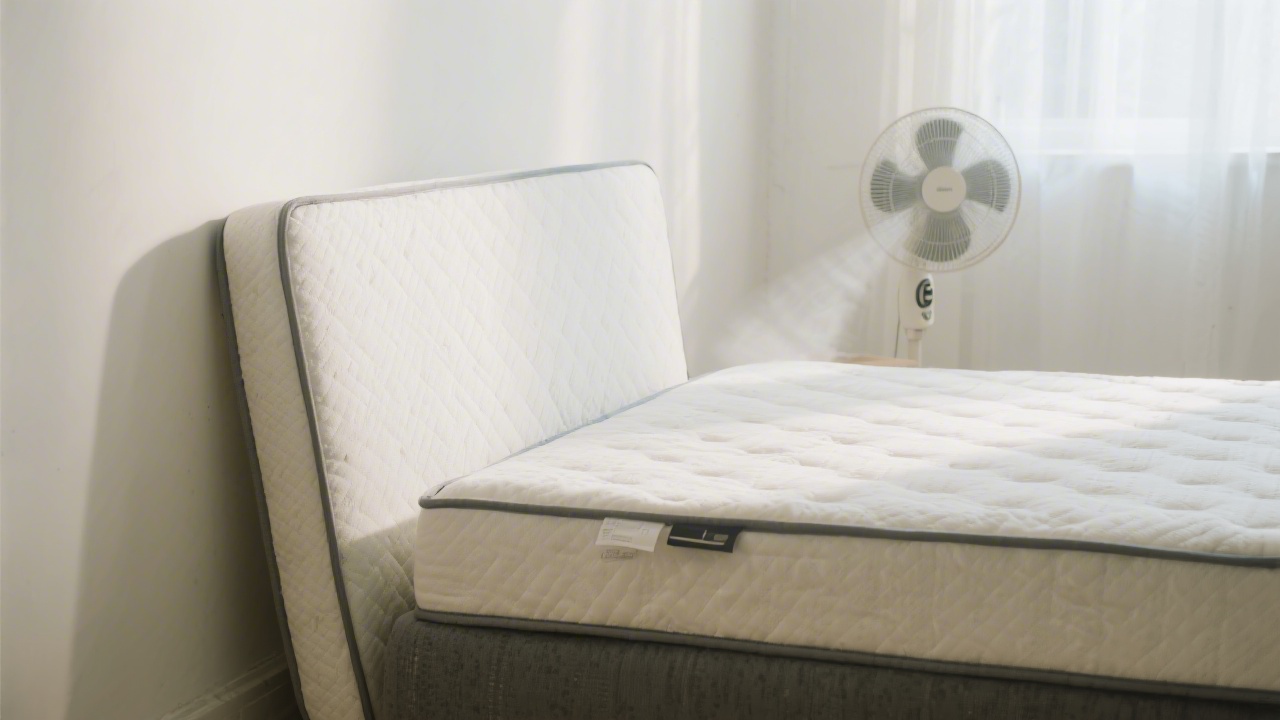
Prop the mattress at an angle against a wall — this allows airflow on the underside simultaneously with the top surface. Alternatively, place the mattress on chairs with the center unsupported, creating airflow below. If you have a box spring, dry it separately — it can also harbor mold if it was in contact with the wet mattress.