
 by
by Quick answer: Don’t expect a sleep position to fix anterior pelvic tilt by itself. Use pillows to find a comfortable, less strained position, then address posture while awake with individualized guidance if needed.
- Wikipedia defines anterior pelvic tilt as the front of the pelvis dropping relative to the back.
- A YouTube Short titled “Fix Anterior Pelvic Tilt with One Simple Move” promotes a five-minute routine before bed.
- A Pinterest result connects the terms “anterior pelvic tilt,” “hyperlordosis” and “over-extension” in its title, but that title isn’t a diagnosis.
Updated July 2026 · Reviewed for accuracy
Sleeping can change how your lower back and hips are supported. That doesn’t make sleep a proven posture-correction treatment.
I’d use bedtime adjustments for comfort, not chase a perfectly flat back or force the pelvis into an unfamiliar position. Actual postural concerns deserve attention while you’re awake, especially if pain or limited movement is involved.
What anterior pelvic tilt actually describes
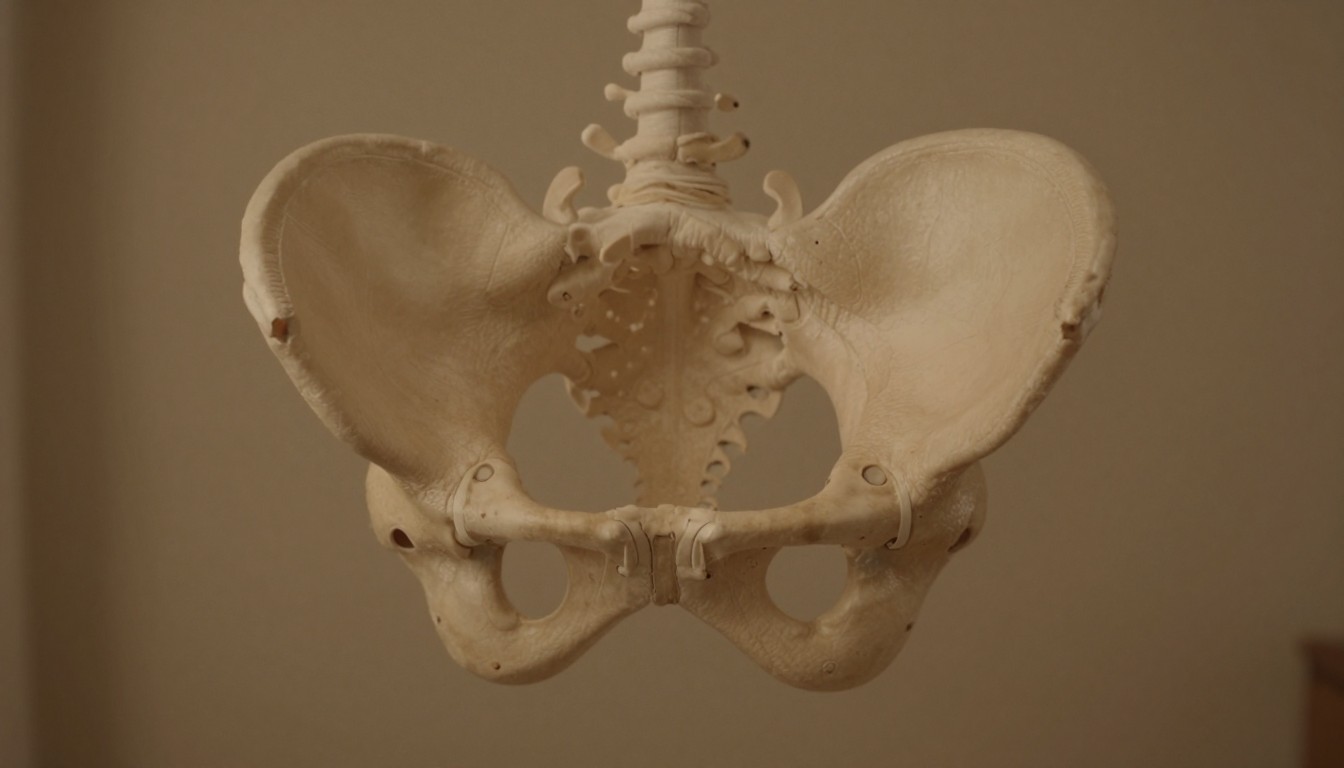
Wikipedia defines anterior pelvic tilt as a postural pattern in which the front of the pelvis drops relative to the back. That’s a description of pelvic orientation. It doesn’t tell you, by itself, whether a photograph is accurate, whether the position matters for you or what caused it.
Online terminology can make the issue sound more settled than it is. A Pinterest result titled “How to Really Fix Anterior Pelvic Tilt” places hyperlordosis and over-extension beside anterior pelvic tilt. I wouldn’t treat a search-result title as proof that those terms describe the same thing in every person.
The distinction matters at bedtime. A mattress and pillow can hold your body in a different position, but waking in a different shape isn’t evidence that you corrected a postural pattern. Nor does a visible curve between your waist and the mattress automatically prove there’s a problem.
The useful goal: Choose a position you can sustain comfortably without deliberately arching, flattening or twisting your lower back. Treat that as a sleep setup, not a diagnosis or cure.
The cited YouTube and Pinterest items make strong correction promises in their titles. Those titles don’t establish that a particular sleeping position permanently changes pelvic posture. I’d be wary of anyone promising a bedtime fix without first establishing what needs fixing.
Choose your sleep position for comfort, not correction
Your pelvis contacts the mattress differently on your back, side and stomach. None of these positions should automatically be labeled the corrective one. The sensible choice is the position that lets you settle without actively holding your body in place.
| Sleep position | Adjustment to try | What it doesn’t prove |
|---|---|---|
| Back | Place a pillow beneath the knees if lying flat feels strained. | A smaller waist gap doesn’t prove the pelvic tilt is corrected. |
| Side | Try support between the knees and avoid rolling the upper body away from the hips. | Comfort on one side doesn’t identify the cause of a posture concern. |
| Stomach | Experiment cautiously with thin support beneath the lower abdomen or pelvis. | A flatter-feeling lower back isn’t evidence of lasting change. |
Back sleeping
If back sleeping is already comfortable, start there. A pillow beneath the knees may make the position feel less demanding because you’re changing how the legs and pelvis rest, but I wouldn’t force the lower back firmly into the mattress.
Use enough support to feel settled, then stop adjusting. If the pillow creates pressure, makes you restless or feels worse by morning, remove it. Comfort is the test, not whether your back looks flat from the side.
Side sleeping
On your side, pay attention to twisting rather than trying to calculate a perfect pelvic angle. Support between the knees can make it easier to keep the legs together without gripping the pillow or holding a rigid pose.
Your head pillow matters too. If the upper body feels pushed in one direction while the hips face another, change the pillow arrangement instead of trying to compensate through the waist.
Stomach sleeping
Stomach sleeping may leave some people feeling as if the lower back is held in a deeper curve. If that describes your experience, a thin layer of support beneath the lower abdomen or pelvis is a reasonable comfort experiment. Remove it if it interferes with breathing, relaxation or sleep.
Don’t force a new position all night. Start with the position in which you normally fall asleep. Make one small support change and judge how it feels, rather than building an elaborate pillow arrangement you have to maintain consciously.
Use pillows and mattress support as adjustable tools
A pillow changes one contact point. That makes it useful for experimenting, but it also makes overcorrection easy. A large stack under the knees, waist or pelvis can simply move pressure somewhere else.
I’d change one variable at a time. Begin with your usual mattress, usual head pillow and usual sleep position. Add one support, then notice whether you can relax without deliberately bracing your abdomen or pressing your back down.
The mattress deserves the same restrained approach. Look for an obvious dip, a damaged support area or a spot that consistently feels uncomfortable. Those observations can justify changing where or how you sleep, but they don’t establish that the mattress caused anterior pelvic tilt.
A simple support check:
- Can you settle without holding your body rigid?
- Does any pillow create a new pressure point?
- Are your shoulders and hips facing the same general direction?
- Does the setup stay comfortable after you stop thinking about posture?
- Do you feel better, the same or worse the next morning?
I wouldn’t prescribe a soft or firm mattress solely from the phrase “anterior pelvic tilt.” Firmness labels don’t diagnose posture, and a surface that feels supportive to one sleeper may feel awkward to another.
A changed sleep position can also bring an unrelated complaint to your attention. If you begin waking with a parched mouth, read our guide to what causes extremely dry mouth while sleeping rather than assuming every new symptom comes from the pelvis.
Build a bedtime routine without believing the hype
The YouTube Short titled “Fix Anterior Pelvic Tilt with One Simple Move” promotes a five-minute pre-bed routine. That’s a compelling headline, but the title and search snippet don’t demonstrate that the routine permanently changes pelvic posture.
A separate Pinterest result promises to fix anterior pelvic tilt “forever.” I don’t trust permanent promises attached to a posture label, especially when the promise appears before an individualized assessment.
You can still use bedtime as a cue for a gentle positioning check. Keep it modest:
- Lie in the position in which you usually fall asleep.
- Notice whether you’re deliberately arching, flattening or twisting your waist.
- If it feels comfortable, gently explore a small forward and backward pelvic movement without pushing into discomfort.
- Settle near the middle of that comfortable range instead of forcing an extreme.
- Add the smallest pillow adjustment that makes the position easier to maintain, then let the posture question go and sleep.
I see that as body-awareness practice, not a corrective exercise program. If a licensed clinician has already given you specific exercises, follow that individualized guidance rather than replacing it with a routine taken from a short video.
Stop chasing the photograph. A bedtime routine should not require pain, aggressive stretching or constant abdominal bracing. More effort doesn’t make the position more correct.
The cited YouTube result “Flatter Abs in Minutes (Anterior Pelvic Tilt)” makes appearance part of the pitch. I’d keep pelvic posture and fat loss as separate questions. Our article on whether sleeping naked can reduce fat applies the same skepticism to another nighttime body-shape promise.
Judge the setup by sleep comfort, not a mirror
The “flatter abs” framing makes a mirror seem like the obvious scorecard. It isn’t one I’d rely on. Stance, clothing, camera position and how deliberately you hold your abdomen can all change what a comparison photo appears to show.
Track observations that are actually relevant to the sleep setup. Can you fall asleep without holding the pose? Does the support stay in place? Do you wake because the arrangement feels awkward? Does your lower back feel more comfortable, unchanged or worse in the morning?
| What you notice | Reasonable response |
|---|---|
| The support feels comfortable and stays put | Keep it as a comfort aid without calling it a cure. |
| You feel pressure or keep waking to readjust | Reduce or remove the added support. |
| Morning discomfort is worse | Return to the previous setup and seek guidance if the problem continues. |
| Your mirror appearance changes | Don’t interpret that alone as structural or lasting correction. |
Changing several things at once muddies the result. If you replace the pillow, switch positions and alter your bedtime routine together, you won’t know which change affected comfort.
Keep a plain morning note: record the position you started in, the support you added and how comfortable you felt on waking. Don’t assign yourself a posture grade.
A more comfortable morning is useful, but it still doesn’t prove that anterior pelvic tilt has changed. Keep sleep comfort and postural assessment as separate outcomes.
Know when sleep adjustments aren’t enough
A pillow can change your position tonight. It cannot confirm whether anterior pelvic tilt is present, whether it relates to your concerns or whether changing it should be your goal.
If pain, restricted movement or uncertainty is driving the question, speak with a licensed clinician or physical therapist. That gives you a chance to be assessed as an individual instead of matching yourself to a social-media silhouette.
Questions worth taking to that appointment include whether the apparent tilt changes when you move, whether it is relevant to your symptoms and which awake-time exercises are suitable for you. Those answers should come from an assessment, not from mattress firmness or a photograph.
My practical sequence:
- Use your normal sleep position as the starting point.
- Add only enough support to improve comfort.
- Remove anything that creates pressure or disrupts sleep.
- Don’t use appearance as proof of correction.
- Get individualized guidance if you want to change posture rather than simply sleep more comfortably.
The bottom line is simple. You can adjust how your body is supported while sleeping, but don’t confuse a comfortable pillow arrangement with a permanent fix for anterior pelvic tilt.
FAQ
Can sleeping position alone fix anterior pelvic tilt?
I wouldn’t expect it to. Wikipedia defines the pelvic position, while the cited YouTube and Pinterest items make correction promises in headlines without establishing that sleep alone creates lasting change.
Is back sleeping the best position for anterior pelvic tilt?
There isn’t enough trustworthy information here to name one universal position. Back sleeping with support beneath the knees is a reasonable comfort experiment, but side sleeping may be easier if that’s already your natural position.
Should my lower back be completely flat against the mattress?
Don’t force it flat just to match an image of “neutral” posture. Choose a position in which you can relax comfortably, and seek individualized advice if you’re unsure what your back position should look like.
Can the wrong mattress cause anterior pelvic tilt?
The sources named here don’t establish that a mattress causes the postural pattern. A worn or uncomfortable surface can still be worth addressing for sleep comfort, but that’s different from diagnosing the cause of pelvic position.
Should I do anterior pelvic tilt exercises before bed?
A YouTube Short promotes a five-minute bedtime routine, but its title and snippet aren’t enough to validate a correction program. Use bedtime for a gentle comfort check, and follow a licensed professional’s instructions if you’ve been given specific exercises.