
 by
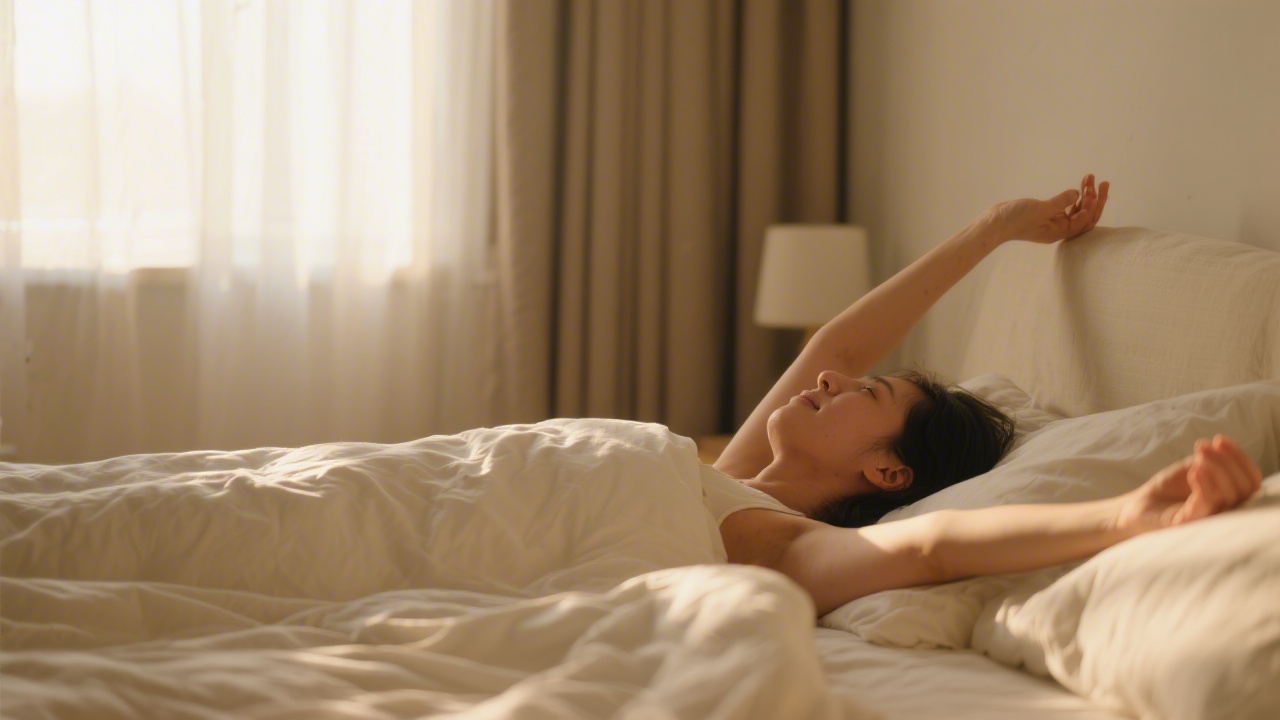
by Hurkle-durkling is a Scottish Gaelic-influenced term for the very specific act of lying in bed long after you should have gotten up. It is one of those words that people immediately recognize as describing something they do regularly but had no name for. In 2023, it went viral on social media when the linguistics community discovered it anew. Here is what it means, why everyone does it, and when it starts to affect sleep quality.
Our Top Pick
Saatva Classic Mattress
Luxury innerspring with lumbar support zone. Ships free, 365-night trial, lifetime warranty.
The Word Itself: Where Hurkle-Durkling Comes From
The word appears in Scottish dialect dictionaries from the 19th century. The Scottish National Dictionary (first published in 1931) defines the verb "hurkle" as to draw the limbs together or to crouch. "Durkling" reinforces the drowsy, motionless quality. Together, hurkle-durkling captures the physical posture of someone who has technically woken up but is resolutely refusing to leave bed.
The word's viral moment came in late 2023 when it appeared on several linguistics-focused social media accounts. Within days, it had been adopted by millions of people as a charming and self-deprecating descriptor for morning avoidance. The fact that it caught on so quickly reflects something real: the experience it describes is universal.
The Biology of Not Wanting to Get Up
Difficulty leaving bed is not a character flaw. It has several biological explanations that converge in the morning hours.
Sleep Inertia
Sleep inertia is the transitional impairment that follows waking. During sleep, particularly slow-wave sleep, the brain reduces activity in the prefrontal cortex — the region responsible for motivation, decision-making, and planning. This reduction does not reverse instantly upon waking. For 15 to 60 minutes after waking, prefrontal function remains below fully alert levels. This is why getting out of bed feels genuinely difficult even when you have had a full night of sleep.
The Cortisol Awakening Response
Cortisol — the primary alerting hormone — surges in the 15 to 30 minutes after waking in what is called the cortisol awakening response (CAR). This surge is what produces the gradual transition from drowsy to alert. The CAR peaks roughly 30 minutes after waking, meaning the most energized you will feel is about half an hour after getting out of bed. Lying in bed and waiting for energy to arrive is therefore biologically backwards: the energy comes from getting up, not from staying down.
Thermal Comfort
Warm bedding lowers skin thermoreceptor arousal. Your body under a duvet at 32°C (90°F) skin temperature receives no alerting signal from thermal contrast. Getting up into a cooler room (the recommended 18–20°C for sleep and wake transitions) creates exactly the thermal contrast that accelerates alerting. The discomfort of getting out of a warm bed is, ironically, part of what wakes you up.
When Hurkle-Durkling Is Fine
A short period of gentle wakefulness in bed — 10 to 15 minutes of quiet reflection without a phone — is not harmful and may actually be useful. The hypnopompic state (the transitional period between sleep and full wakefulness) is associated with elevated creative thinking. Many artists, writers, and problem-solvers deliberately preserve this morning window for their best cognitive work. Gentle hurkle-durkling, without screens, may help access this state.
Weekend sleep extension — sleeping slightly longer than usual on rest days — is also broadly harmless and may partially address sleep debt accumulated during the week. The relevant question is whether the extra time is actual additional sleep or simply lying awake in bed.
When It Becomes Counterproductive
Extended hurkle-durkling — an hour or more of lying awake in bed after the intended wake time — creates two problems for future sleep:
Reduced sleep drive: Sleep pressure builds through waking hours. An extra hour in bed (awake) is an hour of sleep drive not being built. This pushes back the natural sleep onset time at night, which can compound into a shifted sleep schedule over weeks.
Weakened stimulus control: Sleep medicine uses the term stimulus control to describe the association between bed and sleep. When the bed is regularly used for prolonged wakefulness — whether through hurkle-durkling, working in bed, or watching television in bed — the automatic drowsiness response to lying down weakens. This is one of the most common mechanisms behind sleep maintenance insomnia.
For anyone who already struggles with sleep, extended hurkle-durkling is counterproductive. The sleep hygiene tips recommendation is to get out of bed within 15–20 minutes of waking, even on rest days.
The Phone Problem
Modern hurkle-durkling is almost synonymous with phone scrolling. This adds a separate layer of concern. Morning phone use, particularly social media and news, activates the prefrontal cortex with emotionally salient content at the exact moment when you are most neurologically vulnerable. Several studies have linked morning social media use to higher cortisol levels, increased anxiety, and lower subjective well-being compared to mornings spent in quieter activities.
If you are going to hurkle-durkle, doing it without a phone in hand produces a materially different physiological outcome than doing it while scrolling.
How to Make Getting Up Easier
The most effective interventions for morning reluctance are:
- Light exposure immediately upon waking: Open curtains or use a sunrise alarm clock. Morning light anchors the circadian clock and triggers the cortisol awakening response more robustly.
- A consistent wake time 7 days a week: The circadian system anticipates a regular wake time and begins preparing for arousal before the alarm. This dramatically reduces sleep inertia on waking.
- A morning anchor activity: A specific, enjoyable activity reserved for mornings creates dopaminergic pull. This could be a favorite podcast only listened to during the morning routine, a specific coffee preparation ritual, or a brief walk.
- A mattress that does not make getting up feel physically punishing: If your current mattress creates significant pressure point relief that is hard to leave, that is a separate problem. A best mattress that provides support without pressure point over-relief makes the physical transition of getting up less of a contrast.
Our Top Pick
Saatva Classic Mattress
Luxury innerspring with lumbar support zone. Ships free, 365-night trial, lifetime warranty.
Frequently Asked Questions
What does hurkle-durkling mean?
Hurkle-durkling is a Scottish word meaning to lie in bed or lounge idly long after the time you should have gotten up. It comes from Scots dialect and was in use by the 19th century. The word experienced a significant viral revival on social media in 2023 when users discovered it as a charmingly specific term for the universal morning experience of not wanting to get out of bed.
Is hurkle-durkling bad for sleep?
Occasional hurkle-durkling is not harmful for most people. Extended time lying in bed awake after the intended wake time does, however, weaken the association between bed and sleep (stimulus control), and reduces sleep drive for the following night. Sleep medicine recommends using the bed primarily for sleep to maintain strong sleep-bed association. Regular prolonged hurkle-durkling can contribute to sleep maintenance insomnia over time.
Why is it so hard to get out of bed in the morning?
Several mechanisms are involved. Sleep inertia — the grogginess that follows waking — impairs prefrontal cortex function for 15-60 minutes after waking, reducing motivation and decision-making capacity. Cortisol, which is highest in the morning (the cortisol awakening response), takes 15-30 minutes to peak and provide alerting energy. Warm, comfortable bedding reduces thermoreceptor-based arousal. And the absence of a compelling, near-term reward for getting up lowers dopaminergic motivation.
Does hurkle-durkling have any benefits?
Yes, within limits. The transitional period between sleep and full wakefulness — sometimes called hypnopompia — is associated with creative thinking and problem-solving. Many people report their best ideas in the first few minutes after waking. Gentle hurkle-durkling, involving quiet reflection rather than phone scrolling, may preserve this creative window. The key is keeping it to 10-15 minutes rather than extending it to hours.
How do I stop hurkle-durkling when I need to get up?
The most effective strategies are: (1) placing the phone or alarm across the room to require physical movement; (2) opening curtains immediately to expose the circadian system to morning light; (3) having a specific morning reward planned (a breakfast you enjoy, a podcast you only listen to while getting ready); and (4) setting a wake time consistent enough that the body begins preparing for wakefulness automatically before the alarm sounds.