
 by
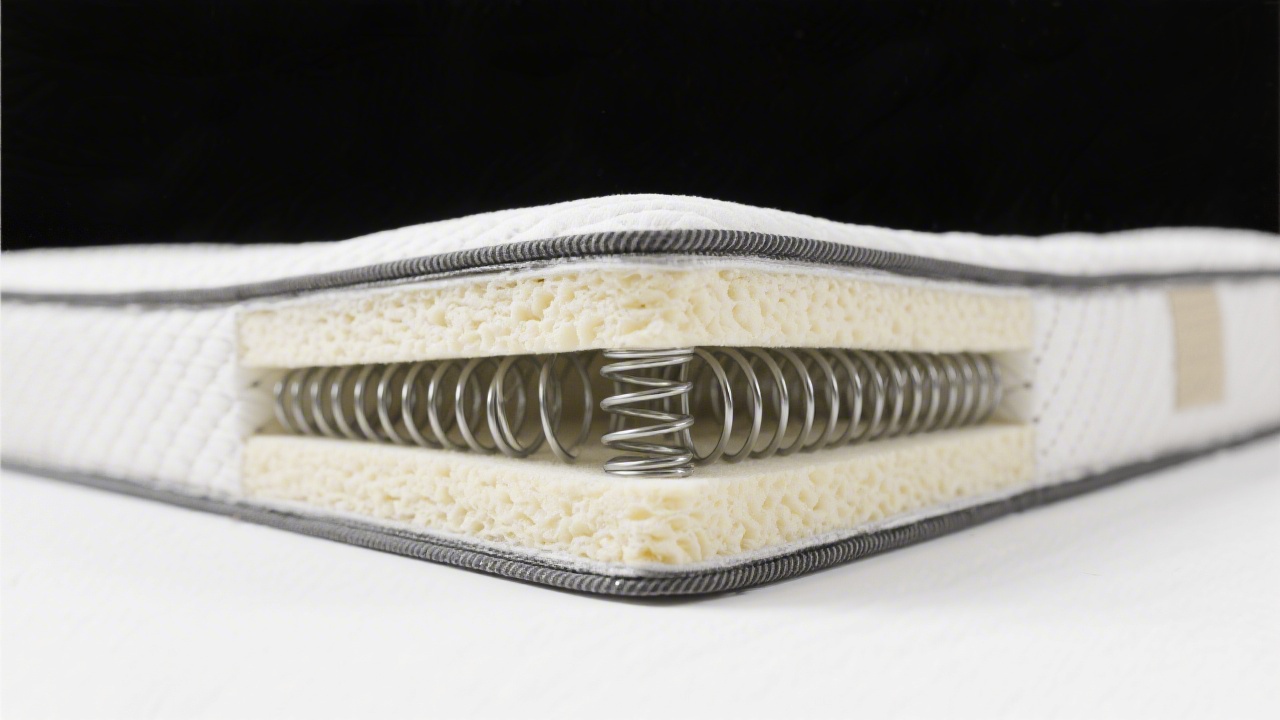
by An innerspring mattress uses a steel coil system as its primary support structure. It is the oldest modern mattress technology - and still one of the best options for certain sleepers. If you prioritize bounce, cooling, and edge support at a lower price point, innerspring remains highly competitive in 2026.
Sleep Lab Pick · Memorial Day Sale
Amerisleep's Memorial Day Sale: $500 off every mattress. The AS3 — plant-based Bio-Pur® foam, sleeps cooler than memory foam, 100-night trial, 20-year warranty.
Top pick: Saatva Classic - Best Innerspring/Hybrid Mattress 2026
Types of Innerspring Coil Systems
Bonnell Coils
Hourglass-shaped, interconnected coils. The original innerspring design - inexpensive, durable, and very bouncy. The downside: coils move as a unit, so motion transfers across the bed. Common in budget mattresses.
Sleep Lab Alternative Picks
- Amerisleep AS3 ($1,449 sale) — Bio-Pur foam + HIVE zoning, 20-yr warranty
- PlushBeds Botanical Bliss ($2,999+) — organic latex, 25-yr warranty
- Puffy Lux ($1,950) — memory foam, lifetime warranty
- SweetNight Twilight ($209 budget) — CertiPUR-US foam
Offset Coils
Similar shape to Bonnell but with a flat-topped hinge that flexes more precisely. Better contouring and quieter than Bonnell. Used in mid-range innersprings.
Pocketed (Individually Wrapped) Coils
Each coil is wrapped in its own fabric pocket. Coils move independently, dramatically reducing motion transfer. This is the standard used in most quality innerspring and hybrid mattresses today. Saatva's Classic uses a dual pocketed coil system - micro-coils over a main coil layer.
Continuous Coils
S-shaped coils made from a single piece of wire running in rows. Very durable and firm, but transfers motion. Often used in budget-to-mid-range innersprings and guest room mattresses.
Innerspring vs. Foam vs. Hybrid
| Feature | Innerspring | Memory Foam | Hybrid |
|---|---|---|---|
| Bounce & Responsiveness | Excellent | Low | High |
| Motion Isolation | Fair (pocketed: good) | Excellent | Good |
| Temperature Regulation | Excellent | Fair–Good | Excellent |
| Edge Support | Good–Excellent | Fair | Excellent |
| Price | $400–$1,800 | $600–$2,500 | $900–$3,500 |
| Durability | 6–9 years | 7–10 years | 8–12 years |
For a detailed side-by-side, read our innerspring vs. memory foam guide.
Who Should Buy an Innerspring Mattress?
- Back and stomach sleepers - The firm, flat surface keeps hips from sinking below the spine.
- Hot sleepers - Open coil structures allow maximum airflow. No foam trapping body heat.
- Budget shoppers - Quality innersprings start around $400-$600 for a queen.
- People who prefer traditional bounce - If all-foam feels like quicksand, innerspring's immediate response will feel familiar.
- Guest room use - Durability, affordability, and neutral feel make innersprings ideal for occasional use.
Who Should Avoid Innerspring?
- Side sleepers needing deep pressure relief - Pure innerspring offers less cushioning at the hips and shoulders than foam comfort layers.
- Couples with different schedules - Unless pocketed coils are used, motion transfer wakes light sleepers.
- Chronic pain sleepers - See our guide to the best mattress for pain relief for alternatives with more targeted pressure relief.
Coil Gauge and Firmness
Coil gauge (thickness) determines firmness. Lower numbers = thicker wire = firmer feel. A 13-gauge coil feels firm and durable. A 17-gauge coil compresses more easily for a softer feel. Quality innersprings use tempered steel - heat-treated to resist sagging and maintain shape over time.
How to Choose Firmness
- Plush/Soft: Side sleepers under 150 lbs
- Medium: Combination sleepers, couples
- Firm: Back/stomach sleepers, heavier frames, those with lower back issues
Also see our guide on sleeping positions to match your sleep style to the right firmness.
Our Pick: Saatva Classic
Frequently asked questions
Our top pick at this material
Saatva Classic
Coil-on-coil construction with a Euro pillow top — the modern evolution of innerspring.
Are innerspring mattresses still worth buying?
Pure innerspring (no pocketed coils, no meaningful comfort layer) is outdated for most sleepers. Modern "innerspring" mattresses are really hybrids — pocketed coils + foam comfort layer. For pure bounce + budget, OK. For 2026 comfort expectations, hybrid wins.
What's the difference between Bonnell, offset, and pocketed coils?
Bonnell: oldest, cheapest, interconnected coils — poor motion isolation. Offset: improved Bonnell with better contour. Pocketed: each coil in its own fabric pocket — best motion isolation and zoned support. Pocketed is the current standard.
The Saatva Classic is technically an innerspring-hybrid: dual pocketed coils (micro-coils + standard), euro pillow-top, organic cotton cover. Three firmness options, 365-night trial, white-glove delivery. It is the closest modern equivalent to a luxury hotel mattress.
Check Current Price - Saatva Classic
Frequently Asked Questions
What is an innerspring mattress?
An innerspring mattress uses a steel coil system as its primary support. Coil types include Bonnell, offset, continuous, and pocketed. Most modern options use individually wrapped pocketed coils for better motion isolation.
How long does an innerspring mattress last?
Most last 6–9 years. Tempered steel coils and quality foam layers extend lifespan. Rotating every 3–6 months helps even out wear.
Is innerspring or memory foam better?
Innerspring is better for hot sleepers and back/stomach sleepers who want bounce. Memory foam is better for motion isolation and deep pressure relief.
Are innerspring mattresses good for back pain?
A firm innerspring supports back sleepers well by keeping the spine neutral. Side sleepers with back pain often need more cushioning - a hybrid or medium-firm foam may be better.
What is the difference between innerspring and hybrid?
A hybrid adds 2–4 inches of foam or latex on top of coils. A traditional innerspring has minimal padding. Hybrids offer better pressure relief; innersprings are typically less expensive.