
 by
by 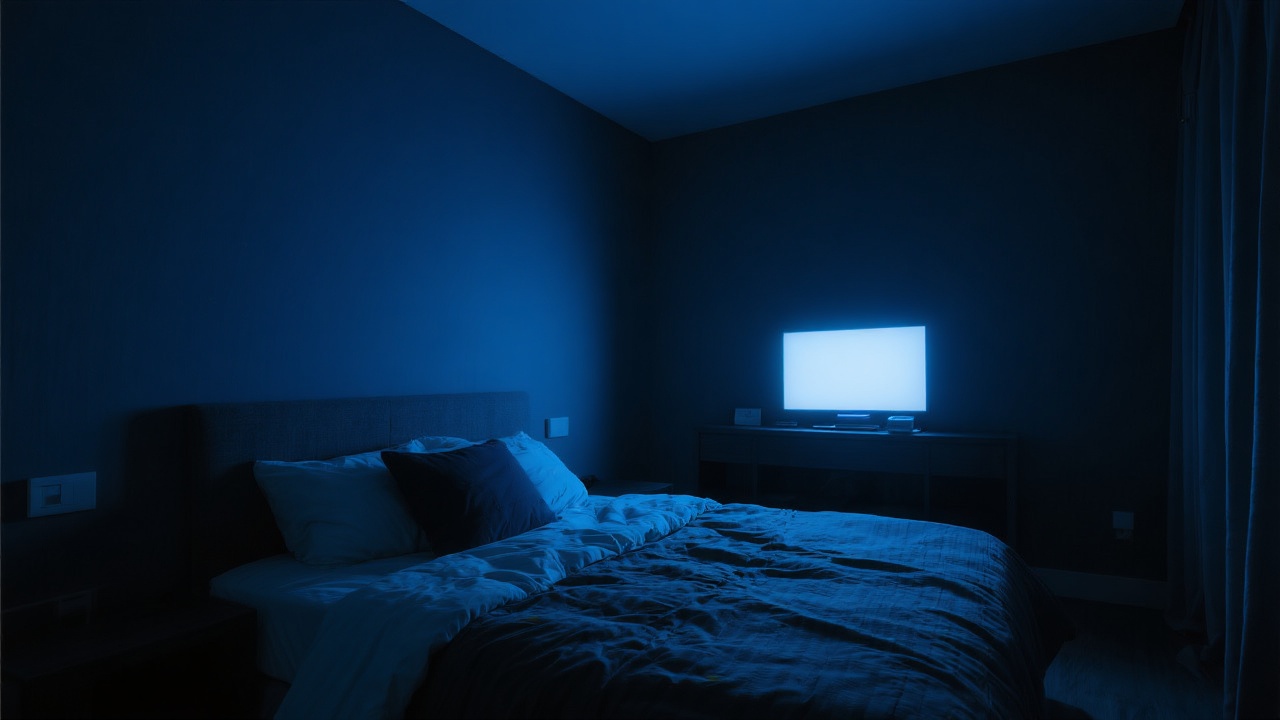
About 1 in 3 Americans falls asleep with the television on. For many people, the background noise and light feel comforting, and they report sleeping fine. The research suggests their self-assessment may not be entirely accurate.
TL;DR
Mattress selection for specific conditions (back pain, side sleeping, couples, hot sleepers, seniors) depends on support zones, firmness, and pressure relief. Saatva Rx ($2,095) is designed specifically for chronic pain sleepers with lumbar zone support.
Jump to section
Sleep disruption from light and intermittent sound does not always produce conscious awakening. It can fragment sleep architecture - increasing micro-arousals, reducing deep sleep, and shortening REM cycles - without the person ever realizing it.
The Light Problem
Light during sleep suppresses melatonin even at surprisingly low intensities. A 2010 study in the Journal of Clinical Endocrinology and Metabolism found that exposure to room light before bedtime suppressed melatonin by 71% and shortened duration by 90 minutes. Sleeping with a TV on continues this suppression through the night at varying intensities.
The 2019 JAMA Internal Medicine study is particularly notable. Following 43,722 women over 5 years, researchers found sleeping with a light or television on was associated with:
- 17% higher risk of gaining 11+ lbs
- 22% higher risk of overweight
- 33% higher risk of obesity
These associations persisted after controlling for diet, physical activity, and sleep duration - suggesting the mechanism is metabolic disruption from circadian light exposure rather than simple sleep quantity reduction.
The Sound Component
TV sound is particularly disruptive because it is variable and content-driven. Unlike consistent white noise or pink noise, TV audio contains sudden volume changes, emotional cues, and unpredictable stimulation that trigger brief arousals.
Research on sound during sleep shows that consistent masking noise is sleep-neutral or mildly beneficial, while intermittent, variable sound increases micro-arousals and shifts sleep toward lighter stages.
Why People Use It Anyway
The appeal of TV-as-sleep-aid is real. For people with anxiety, insomnia, or racing thoughts, external stimulation provides cognitive anchoring - giving the mind something to attend to that interrupts rumination cycles. This genuinely helps with sleep onset for many people.
The problem is that the same mechanism that helps you fall asleep (variable stimulation) continues working through the night in ways that undermine sleep quality.
Practical Alternatives
The goal is to replicate the cognitive anchoring benefit without the light and variable sound:
- Pink or brown noise: Lower frequency than white noise, less fatiguing, effective at masking environmental sounds
- Sleep-specific podcasts or audiobooks: Designed with consistent volume and pacing that promotes sleep rather than engagement
- White noise machines: Dedicated devices typically produce better-calibrated sleep noise than apps
- Sleep timer: If giving up TV entirely is unrealistic, setting a 30-minute sleep timer significantly reduces total light exposure
The Bedroom Environment
Darkness and consistent temperature are the two most evidence-supported environmental factors for sleep quality. A room that is dark and 65-68°F consistently outperforms any sleep aid addition.
Your mattress also plays a role - if you are waking from discomfort or heat retention, background TV becomes more attractive as a coping mechanism rather than a preferred choice.
Find a Saatva Mattress for Better Sleep Quality
Frequently Asked Questions
Does sleeping with the TV on affect sleep quality?
Research consistently shows that any light exposure during sleep suppresses melatonin and can fragment sleep architecture - increasing brief awakenings and reducing time in restorative deep sleep and REM sleep. The effect is measurable even at light levels you might not consciously notice.
Can sleeping with the TV on cause weight gain?
A 2019 study in JAMA Internal Medicine following 43,722 women found that sleeping with a light or TV on was associated with a 17% higher risk of gaining 11 or more pounds over 5 years. The proposed mechanism involves circadian disruption of metabolic hormone regulation, particularly cortisol and leptin.
Why do some people sleep better with the TV on?
For people with anxiety or racing thoughts, background noise provides a cognitive anchor - something to focus on slightly that prevents rumination. This is a real phenomenon, but the same benefit can be achieved with pink noise, brown noise, or spoken-word content without the variable light stimulation of a TV.
Is a sleep timer on the TV good enough?
A sleep timer is meaningfully better than leaving the TV running all night. If you use background noise or content to fall asleep, setting a 30-60 minute timer allows sleep onset with background stimulation while limiting full-night light exposure.
What are the best TV alternatives for sleeping?
Pink noise or brown noise (via app or speaker) provides consistent masking sound without variable light. Audiobooks and podcasts deliver spoken-word content for cognitive anchoring. White noise machines are specifically designed for sleep environments. All of these provide the anxiety-reduction or distraction benefit without the light component.
Summary
The evidence is reasonably clear: sleeping with the TV on exposes you to light and variable sound that meaningfully affects sleep architecture and has measurable metabolic consequences. The harm is real even without conscious awakening.
The practical path forward: if you need cognitive anchoring to sleep, replace TV with audio-only alternatives. If you simply have not tried sleeping without it, two weeks of a darker, quieter room typically produces measurable improvement in how rested you feel.
See Our Top Mattress Recommendations
See also: How to Fall Asleep Without Your Phone | What Is Sleep Hygiene? | Best Mattresses Reviewed
★ LUXURY INNERSPRING PICK
Your Mattress Might Be the Problem. Try a Saatva for 365 Nights
✓ 365-Night Trial · ✓ Free White Glove Delivery · ✓ Lifetime Warranty
Frequently asked questions
Is it better to sleep without a pillow?
Sleeping with a TV on exposes you to blue light and intermittent sound that reduces melatonin and deep sleep. Better: white/pink noise machine or sleep timer. Side: left side reduces acid reflux, improves digestion, and is recommended during pregnancy; right side can worsen GERD. Without a pillow: only recommended for stomach sleepers to avoid neck hyperextension.
Which side is better to sleep on?
Sleeping with a TV on exposes you to blue light and intermittent sound that reduces melatonin and deep sleep. Better: white/pink noise machine or sleep timer. Side: left side reduces acid reflux, improves digestion, and is recommended during pregnancy; right side can worsen GERD. Without a pillow: only recommended for stomach sleepers to avoid neck hyperextension.
Frequently asked questions
Is it better to sleep without a pillow?
Sleeping with a TV on exposes you to blue light and intermittent sound that reduces melatonin and deep sleep. Better: white/pink noise machine or sleep timer. Side: left side reduces acid reflux, improves digestion, and is recommended during pregnancy; right side can worsen GERD. Without a pillow: only recommended for stomach sleepers to avoid neck hyperextension.
Which side is better to sleep on?
Sleeping with a TV on exposes you to blue light and intermittent sound that reduces melatonin and deep sleep. Better: white/pink noise machine or sleep timer. Side: left side reduces acid reflux, improves digestion, and is recommended during pregnancy; right side can worsen GERD. Without a pillow: only recommended for stomach sleepers to avoid neck hyperextension.