
 by
by Our #1 Recommended Mattress
Fiberglass-free pick: Amerisleep AS3
Amerisleep states directly: "Fiberglass-free mattress is eco-friendly and non-toxic." The AS3 uses Bio-Pur plant-based foam (CertiPUR-US certified, low VOCs) with a Refresh Cover featuring far infrared technology, and a Bio-Core base for durability.
Firmness: Medium 5/10 · Trial: 100 nights · Warranty: 20 years (10 full replacement + 10 prorated) · Made in USA of US and imported components.
Saatva Classic. From $1,095
365-night trial · Lifetime warranty · Free white-glove delivery
We earn a commission if you make a purchase through our links, at no extra cost to you. Full disclosure.
For most pregnant women, sleeping is a difficult task (also check the top rated mattresses for pregnancy). It is even more complicated when they suffer from pelvic pain. Many women experience pelvic pain during pregnancy, and it is considered normal. The additional weight of the growing fetus puts pressure on the spinal column and causes pain. As a result, getting a restful night's sleep can be difficult.
Let's check out some of the tried and tested solutions about how to sleep with pelvic pain during pregnancy. An alternative or a remedy for the issue is handy as every pregnant woman has to face it at some point.
What Causes Pelvic Pain during Pregnancy?
Pelvic Pressure
The growing baby's weight causes pelvic pressure during pregnancy. The uterus starts pressing down on the pelvic bones and muscles, creating tension. This can initiate pain in the lower back, hips, and thighs. The pain may be worse when you stand for long durations, sit for long periods, or make a sudden movement. You may experience pain whenever you have to go or make a bowel movement.
Round Ligament Pain
During pregnancy, the round ligaments are two muscle bands supporting the uterus. As the uterus grows, the round ligaments on the sides stretch. This results in pain in the lower abdomen or pelvic area. This pain is often worse when you change positions, such as sitting to standing or lying down to sitting up.
The pain can worsen at night or after a hectic day. Round ligament pain is a common annoyance during pregnancy. It is an inevitable experience and is usually nothing to worry about. However, you should talk to your doctor if the pain is relentless or persistent.
Symphysis Pubis Dysfunction
Symphysis Pubis Dysfunction (SPD) is a syndrome that can cause pelvic pain during pregnancy. SPD occurs when the ligaments that connect the pubic bones loosen, allowing the pubic bones to move apart. This can cause pain around the pelvic, as well as pain in the spine, hips, and legs.
There are several explanations for SPD, including:
- Pregnancy hormones
- Weight gain
- Changes in the position of the pelvis.
SPD is more frequent in women who are expecting twins or multiples. It is also in women who have had previous pregnancies.
Treatment for SPD includes:
- Wearing a pelvic support belt
- Doing pelvic exercises
- Avoiding activities that strain the pelvis
Braxton Hicks Contractions
During pregnancy, Braxton Hicks contractions can cause pelvic pain. These contractions are caused by the uterus contracting and can be pretty intense. They can invoke pain in the lower abdomen or back and can be very uncomfortable.
Symptoms of Pelvic Pain during Pregnancy
Pelvic pain during pregnancy can be a symptom of several conditions. It can be SPD, endometriosis, uterine fibroids, or even plain old pregnancy-related back pain.
The pain can range from mild and intermittent to severe and chronic. It may be localized to the pelvis or radiate to the lower back, hips, or legs.
Pelvic pain can make walking, sitting, or standing difficult for long durations. It can meddle with a woman's ability to do her everyday activities.
How to Relieve Pelvic Pain during Pregnancy
Use a Pregnancy Support Belt
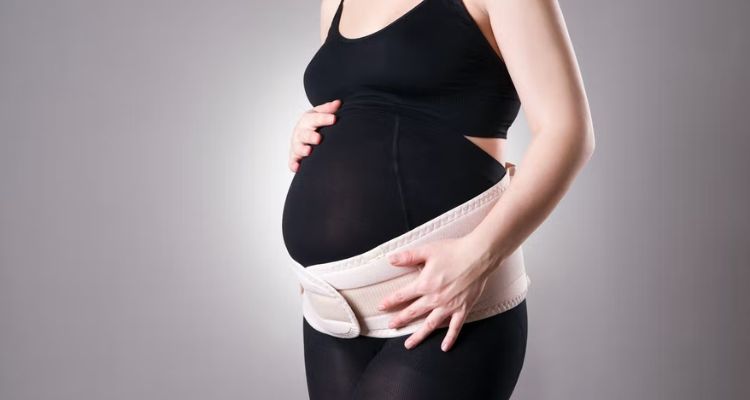
Pregnancy means the bones and muscles will expand and stretch. These changes in the mother's body can lead to pain in the pelvic region. One way to help alleviate that pain is to use a pregnancy support belt. These belts support the lower back and abdomen and can help take some pressure off the pelvis. Additionally, they can help redistribute weight more evenly, which can help reduce pain.
Use a Pregnancy Pillow
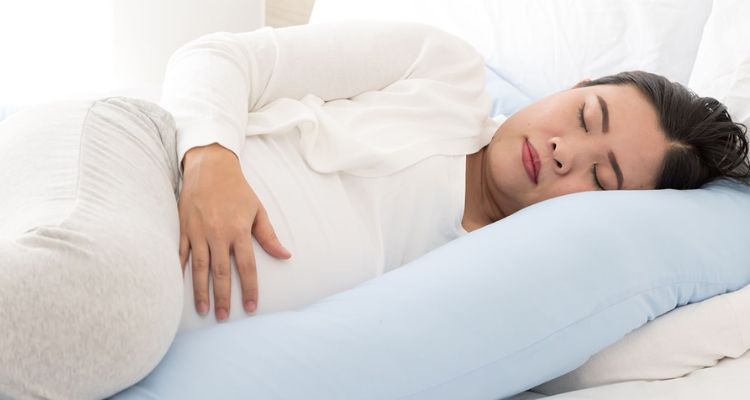
If you're experiencing pelvic pain during pregnancy, you may want to try using a pregnancy pillow (check 7 top rated organic pregnancy pillows). These pillows are exclusively designed in various shapes and thicknesses. They provide support and relief for your back, hips, and belly.
There are a variety of pregnancy pillows available. They come in different shapes, sizes, and firmness. You'll want to choose one that's more comforting for you (check the most comfy pillows). You may want to try a pillow with a firmness level that is most suitable to provide the level of support you need.
Talk to your midwife if you're unsure which pregnancy pillow is right for you. They can help you choose a pillow that will offer the most support and relief for your situation.
Lay Down
Laying down is always good to ease pressure from the abdomen. Try placing a pillow between your thighs when you lay down. You can also use a pregnancy pillow to alleviate your back and belly pressure. Pregnancy pillows are specifically designed to support various body parts during pregnancy.
Though laying down seems like a good option, sometimes, an awkward position of the fetus can take the pleasure away. Some pregnant women, at some point, find it uncomfortable to lie down on any of their sides.
Go To a Chiropractor or Massage Therapist
You may consider visiting a chiropractor or massage therapist. Chiropractic care relieves pelvic pain and pain from other joints as well. Similarly, massage therapy can help reduce pain and tension in the pelvic area.
You need to ensure that the Chiropractor or the massage therapist is professional. They should be aware of the issues related to pregnancy and pregnant women.
Exercise
Several things can cause pelvic pain during pregnancy. It can be round ligament pain which most pregnant women experience during the second trimester. Also, it could be due to the strain on the nerves in the pelvis. It might be because the baby's head presses down on the pelvis.
Exercise can help relieve this pain by strengthening the pelvic and pelvic floor muscles. It can help to support the baby's weight and relieve pressure on the nerves.
Many different exercises can help relieve pelvic pain during pregnancy. One is pelvic tilts, which can help to pull out the muscles in the lower back and pelvis.
The second exercise that can help is Kegel. It can help to build the pelvic floor muscles.
Consult with your gynecologist or midwife about what exercises might be best for you according to the severity of the pain.
Take a Warm Bath
Pregnancy is the epitome of changes in the body and life. These developments in the body can cause all sorts of new aches and pains, including pelvic pain. Warm water can help to calm the muscles and ease the pain. Just be sure not to stay in the tub for too long, as overheating can be dangerous for you and your baby.
Simple pelvic pain may be a sign of something minor or major. In some cases, pelvic pain is a traditional part of pregnancy and will resolve independently. However, seeking professional help is essential if the pain is persistent.
Home Remedies to Reduce Pelvic Pain during Pregnancy
Rest when needed – do not push yourself too much. Nobody is expecting a perfect home or job from you. Resting is essential and gives you time to recharge.
Exercising in water is an excellent way to stay fit while pregnant. The ability to float and feel weightless helps remove the tension from your joints. Aqua aerobics and swimming laps are great options for expectant mothers to exercise harmlessly.
You can reduce inflammation in your pelvic joints by placing an ice pack on them.
Sleep and Pain Management: What Your Mattress Can (and Cannot) Do
Chronic pain and sleep quality have a bidirectional relationship - poor sleep worsens pain, and pain disrupts sleep. Your mattress choice can help break this cycle, but it is one piece of a larger strategy.
What Research Shows About Mattresses and Pain
- Medium-firm mattresses consistently outperform both soft and firm options for reducing back and joint pain in clinical studies.
- Pressure relief at hips and shoulders is critical for side sleepers with pain conditions. The mattress must cushion these areas while supporting the waist.
- Consistent support over time matters more than initial comfort. A mattress that sags after 6 months re-introduces the alignment problems that cause pain.
Beyond the Mattress
- Use a pillow between your knees (side sleeping) or under your knees (back sleeping) to reduce spinal stress
- Maintain a consistent sleep schedule to maximize restorative deep sleep
- Consider an adjustable base for improving the head or feet to reduce pressure
The Saatva Classic ($2,229 Queen) offers three firmness levels including Luxury Firm, which most closely matches the medium-firm recommendation from orthopedic research. Its lumbar zone provides targeted support for the lower back. The 365-night trial gives you a full year to evaluate whether it helps your pain - far longer than any in-store test can replicate.
How to Sleep With Pelvic Pain During Pregnancy: Position Guide
Pelvic girdle pain (PGP) affects up to 70% of pregnant women. Sleep positioning can significantly reduce nighttime pain.
Recommended Positions
- Side sleeping with pillow between knees (best): Keeps hips aligned and reduces pressure on the pubic symphysis. Left side preferred for circulation.
- Support under the belly: A wedge pillow or rolled towel under the bump prevents the weight from pulling the pelvis forward.
- Pillow behind the back: Prevents rolling onto your back during sleep (important after 20 weeks).
Pillow Setup
- Pregnancy body pillow ($30–$60): C-shaped or U-shaped pillow supports belly, back, and knees simultaneously
- Knee pillow ($15–$25): Between knees specifically for hip/pelvic alignment
- Wedge pillow ($20–$30): Under the belly for targeted support
For pregnancy comfort: pregnancy topper guide | hip pain mattress guide.
A medium-soft mattress prevents pelvic pressure. The Saatva Classic Plush Soft provides gentle contouring for pregnancy comfort. 365-night trial.
Try Saatva risk-free →
Related Guides
MATTRESSES FOR PAIN RELIEF