
 by
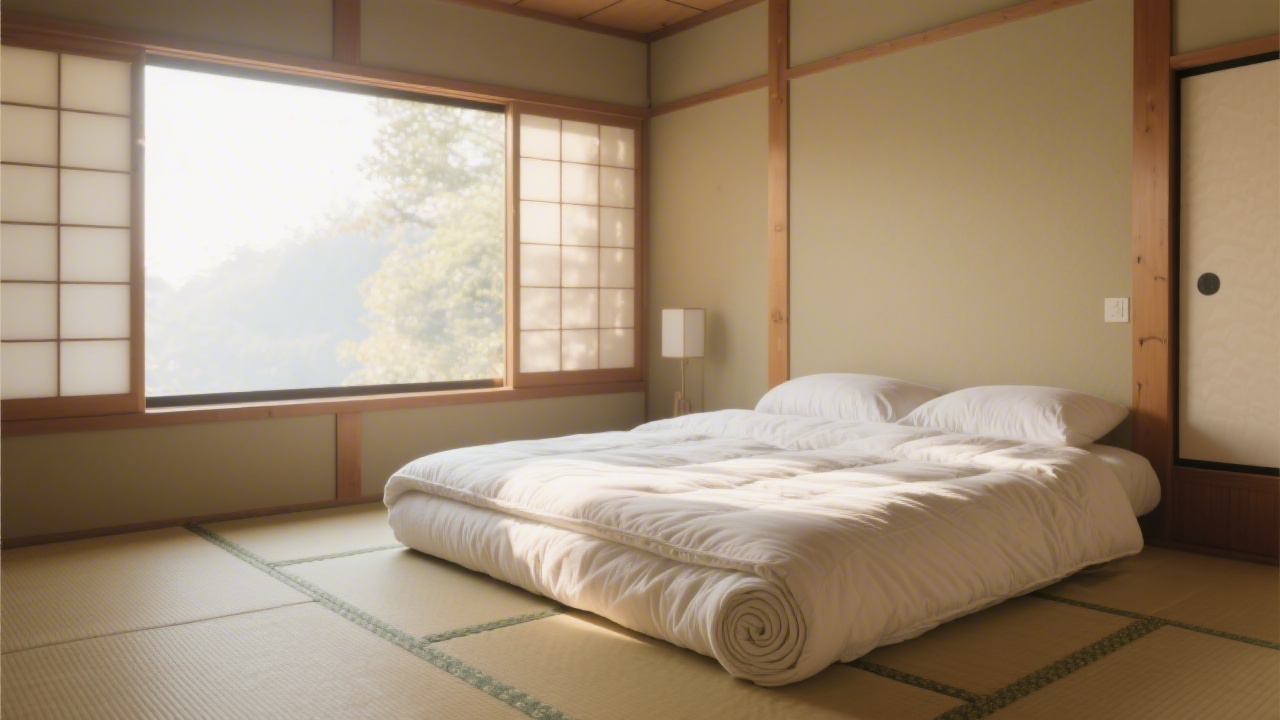
by The Japanese floor futon is one of the oldest sleep systems still in daily use. It is not the sofa-converting Western futon frame you may be picturing. The traditional Japanese system is a complete sleep philosophy built around a specific type of mattress, a specific surface, and a daily maintenance routine that most Western adaptations skip.
Editor's Pick
Saatva Classic Mattress
America's best-reviewed luxury innerspring — white-glove delivery, 365-night trial, lifetime warranty.
If you're drawn to firm, supportive sleep surfaces, a quality innerspring mattress delivers similar firmness with superior pressure relief.
Affiliate disclosure: We earn a commission at no extra cost to you.
The Traditional Japanese Sleep System
The traditional Japanese bedroom has no permanent bed. Instead, the sleep system consists of three components:
- Shikibuton — The sleeping mattress. A flat, firm cotton-filled pad typically 2-4 inches thick and full body length.
- Kakebuton — The duvet or comforter placed over the sleeper.
- Makura — The pillow, traditionally filled with buckwheat, beans, or similar materials that support head position without sinking.
The entire sleep system is rolled and stored each morning, then unrolled at night. This practice serves a hygienic purpose: cotton futons exposed to air daily shed moisture absorbed during sleep, preventing mold and dust mite accumulation. On tatami mats, this is essential maintenance.
Tatami Mats: Why They Matter
Tatami mats are woven from rush grass over a rice straw core. They provide slight cushioning (roughly half an inch of compression), moisture regulation through the grass fibers, and a firm but not-hard surface for the futon. Sleeping a futon directly on hardwood or tile without a tatami layer creates excessive hardness and eliminates the moisture-wicking benefit.
Western consumers often skip the tatami, which changes the experience significantly. If you are trying a Japanese-style floor bed without tatami, a woven natural fiber mat provides some of the same benefit.
How This Differs From Western Futons
The Western futon sofa-bed is a fundamentally different product. It uses a different frame, different fill materials (often foam), and is designed to convert between seating and sleeping — a compromise that serves both functions poorly. The traditional Japanese shikibuton is purpose-built for sleeping only and is never used as furniture.
Health Claims and Reality
Proponents credit the Japanese floor futon system with better posture, reduced back pain, and improved sleep quality. The evidence is mostly cultural and anecdotal. Japan's historically low rates of back pain have many contributing factors beyond sleep surface, including diet, activity levels, and work culture.
What is documented: the firm, flat surface promotes spinal neutrality for back sleepers. The daily roll-and-air routine reduces allergen buildup. The minimalist sleep environment may reduce light and electronic interference.
For anyone interested in firm sleep surfaces, our floor sleeping guide covers the simpler version of this approach. For those building a complete sleep environment, see our bedroom sleep audit.
Who This System Works For
- Back sleepers who prefer very firm surfaces
- People with small living spaces who benefit from reclaiming bedroom floor space during the day
- Those with allergies who commit to the daily airing routine
- Minimalists building a low-furniture lifestyle
Side sleepers, people with hip or shoulder issues, and those who cannot get up and down from the floor easily are poor candidates for this system.
Editor's Pick
Saatva Classic Mattress
America's best-reviewed luxury innerspring — white-glove delivery, 365-night trial, lifetime warranty.
Affiliate disclosure: We earn a commission at no extra cost to you.
Frequently Asked Questions
What is a traditional Japanese floor futon made of?
Traditional Japanese futons (shikibuton) are filled with cotton batting, sometimes with wool or synthetic layers added. They are firmer than Western mattresses and designed to be rolled and stored daily to allow airing.
Is sleeping on a Japanese futon good for your back?
The firm support works well for some back sleepers. However, side sleepers often experience hip and shoulder pressure without adequate cushioning. Individual responses vary significantly.
How thick should a Japanese futon be?
Traditional shikibuton are 2-4 inches thick. Modern versions for Western consumers often run 3-6 inches. Thicker versions sacrifice the rollable storage benefit.
Do you need a tatami mat under a Japanese futon?
Traditional use places the futon on tatami mats, which provide slight cushioning and moisture absorption. On hardwood or tile floors, a tatami mat or moisture barrier significantly improves comfort and hygiene.
How long does a Japanese floor futon last?
Traditional cotton futons last 5-10 years with regular airing and flipping. The cotton batting compresses over time, reducing support. Replacing the batting extends life significantly.