

 by
by Best Latex Pillow, 9 great options
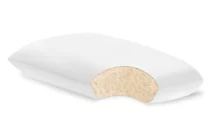
The best latex pillow for you depends on your sleep position and the feel you want: side and back sleepers generally do well with a responsive, naturally bouncy pillow that keeps the head and neck aligned, while stomach sleepers usually prefer something flatter. The Amerisleep LatexLuxe Pillow, from Amerisleep's Organica line, is our #1 pick because it is made with natural latex, giving it the springy, supportive feel latex shoppers look for, and it is backed by a 10-year warranty. Latex is naturally breathable and resilient, so the pillow holds its shape night after night without going flat. For a latex pillow alternative, compare the PlushBeds Organic Shredded Latex Pillow. A pillow does not treat any medical condition, so consult a doctor for persistent symptoms.
Amerisleep LatexLuxe Pillow
The Amerisleep LatexLuxe Pillow is the right pick for sleepers who want natural latex responsiveness and a clean, supportive feel, backed by a 10-year warranty.
What Is The Best Latex Pillow For a Comfortable Sleep?
Amerisleep LatexLuxe Pillow (Our #1 Pick)
A natural latex pillow from Amerisleep's Organica line. Check the Amerisleep LatexLuxe Pillow price.
Best Latex Pillows Reviewed
Certified organic latex
PlushBeds Botanical Bliss — Best Value Alternative, queen $1,449 (reg. $2,949)
Handcrafted in California with GOLS-certified organic latex (sourced from Sri Lanka), GOTS-certified organic cotton & wool, and GREENGUARD Gold low-VOC certification — the most thoroughly third-party-certified organic build at this price point. ARPICO Dunlop latex core, rearrangeable layers for custom firmness.
Medium (75% of buyers) or Medium-Firm. 100-night trial, lifetime warranty.
Organic pick with 4 certifications
Amerisleep Organica — organic latex hybrid
A 12" latex hybrid (3.5" Talalay latex + 8" pocketed coils) that stacks GOTS, OEKO-TEX, Rainforest Alliance and eco-INSTITUT certifications — a combo usually reserved for mattresses priced 40-60% higher. NapLab named it winner of the Latex category for 2026.
Made in the USA with GOTS-certified organic cotton and wool, a 100-night trial and a 20-year warranty. Plush variant (3.5/10 firmness) also available. Note: motion transfer runs high (13.3 m/s²), so solo/back-sleeper crowd more than couples.
PlushBeds Organic Shredded Latex Pillow
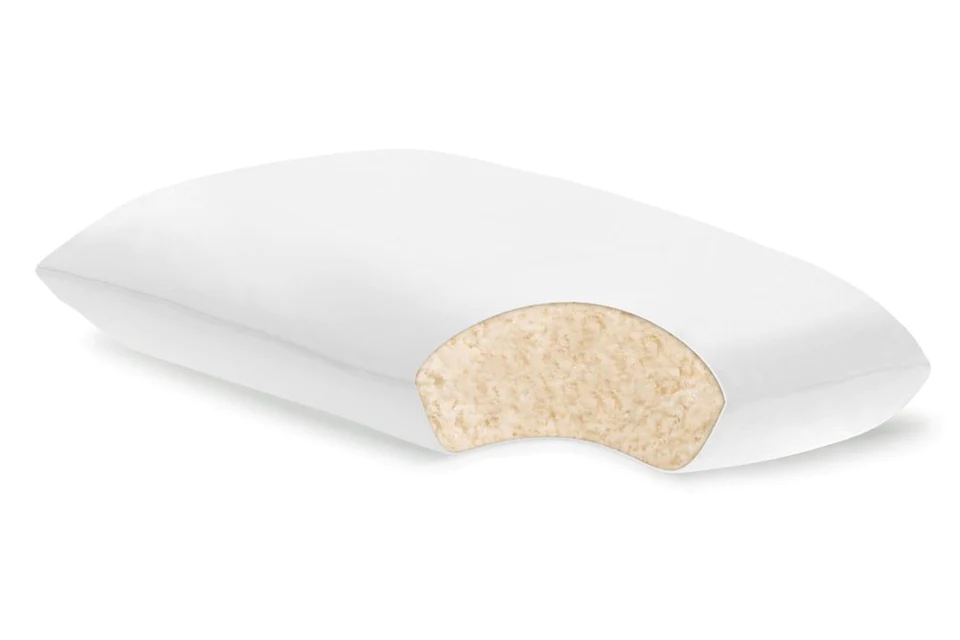
- Perfect shape and softness
- Consistent loft and quick recovery
An organic shredded latex pillow
PlushBeds gives you a latex pillow that is softer and springier than others. It consists of shredded latex, which enhances its overall quality and lastingness.
Shredded latex is better than other filings because it tends to remain uncompressed. No matter how much it's used, it returns to its original volume. The filling does not cluster to create gaps in the pillow. The entire pillow remains fluffy (check 8 amazing fluffy pillows), soft, and comfortable.
The cover of the pillow is organic, with the finest cotton. The material is breathable, letting the airflow in and out of the pillow. The shredded latex within is also well-aerated, and you, too, can enjoy sleeping on it.
The overall materials make the pillow resistant to allergens and dust mites. The latex does not let it overheat under environmental or body temperature. The stuffing is also ideal for providing the perfect firmness.
Your neck does not need a very soft pillow or a hard one. PlushBeds' Organic Shredded Latex Pillow provides optimal firmness. It has the correct type of latex, shredded to the right size, and filled to the right amount. The latex's density also ensures the sleeper feels extraordinary comfort with zero sinking.
This latex provides exemplary support to the upper body. However, your spine, neck, and shoulders need proper alignment. A very firm or too soft pillow does not relieve the pressure. This leads to a stiff neck, aching shoulders, and a restless night. No matter how good your mattress is, a perfect pillow must complement the comfort.
Similarly, the PlushBeds Solid Organic Latex pillow is both comfortable and supportive. It is made with pure organic latex and an excellent, breathable organic cotton cover.
Naturepedic Organic Latex Pillow
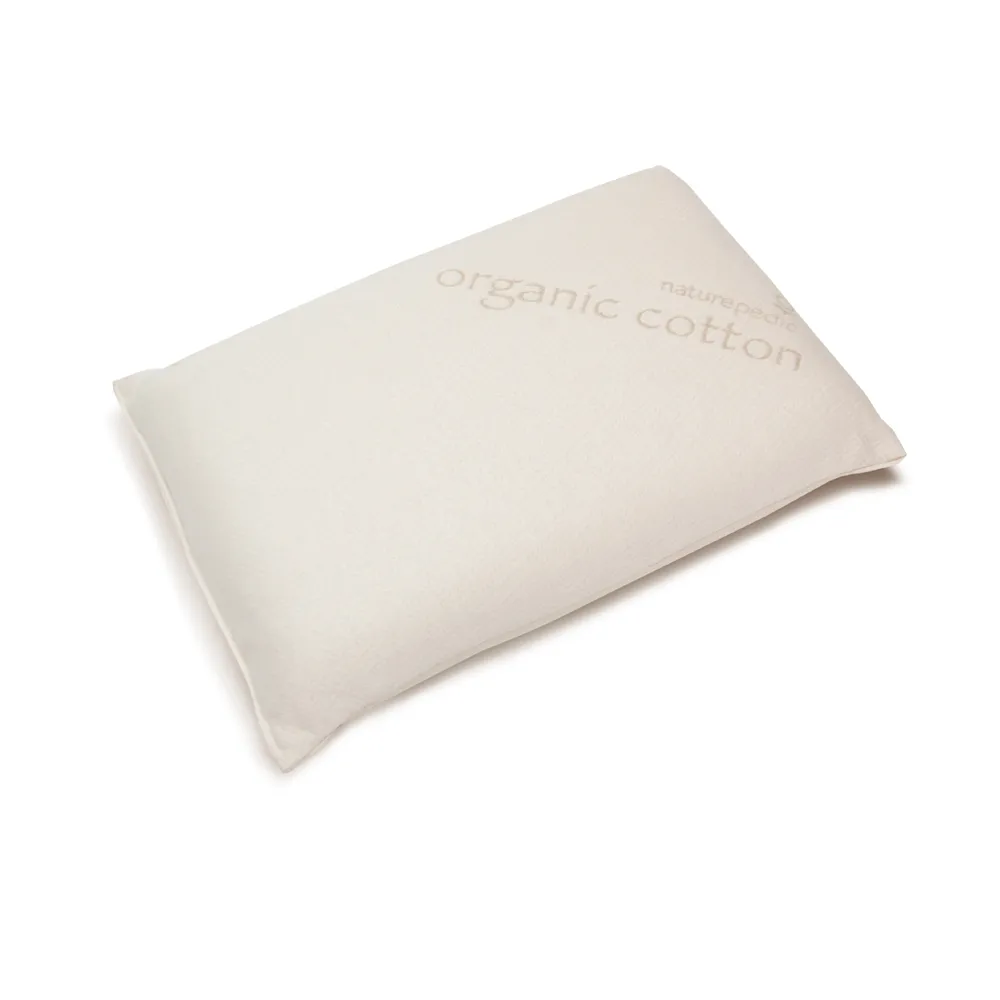
- Solid organic latex
- Extra soft
A supportive pillow for your neck and your spine.
Naturpedic is never short of giving the safest and most impressive products. A chemical-free, hypoallergenic pillow that keeps your nights cool. It is like an all-in-one that provides comfort, stays cool, and has nothing synthetic associated with it.
It is a healthier alternative to synthetic fabrics often treated with PFAS compounds. You'll enjoy the luxurious touch of the fabric (check 8 great luxury pillows).
The main ingredient is the latex here, though. But it is not just any latex, but an organic one. Latex is responsive and relieving, and that is what it exactly does. It relieves strain from the pressure points, giving extreme comfort.
Also, it does not remain compressed and fluffs back to its original self. The bouncy nature of the latex makes it an alleviating pillow for great sleep.
Pair the pillows with the Naturepedic organic sheet and pillowcases. They are available in all sizes and free of chemical treatments, even dyes. You can check out the adjustable ones if you want to explore their latex pillows. The Organic 2-in-1 Adjustable Latex pillow gives you two choices.
Overall, this pillow is a smart buy with a 30-day money-back guarantee and a year's warranty. Certified by multiple organizations and conserving bodies, the pillow is eco-friendly.
Happsy Organic Pillow
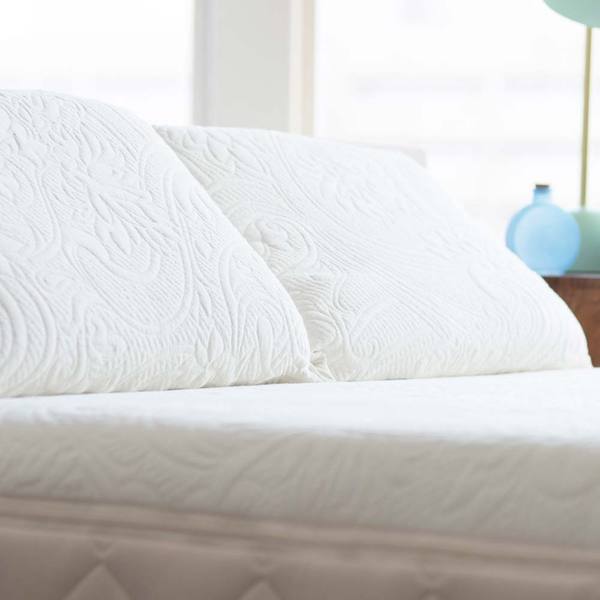
- Support & proper spinal alignment
- Gots certified organic
Meeting the standards of a toxin-free, organic pillow.
The Happsy Organic pillow is a certified organic latex comfort provider. It is ideal for side sleepers because it has a little height. The pillow has around four to five inches, giving a nice curve to the neck. However, stomach sleepers may need to appreciate the height (check the best selling pillows for stomach sleeper). They prefer a flatter pillow, but this latex one is a great find.
The Dunlop latex making an integral part of this pillow is GOTS certified. The pillow is guaranteed to be non-toxic and entirely organic, including the cover. The non-removable covers are easy to clean and dust. They are spill-resistant but can be cleaned with a damp cloth.
Also, the Organic pillows also adhere to GOLS and MADESAFE. They further guarantee that the material used is safe from harmful chemicals and treatments. Happsy has even proceeded to grab an FSC certification to show environmental support. They are responsible and reliable with their concern for nature. The Rain Forest Alliance certification discourages deforestation for the betterment of humanity.
Not just the pillows but all the products of Happsy exhibit finesse and safety. The Happsy Organic Mattress has no chemicals involved in its construction. The pine wood and organic cotton containing Happsy Foundation, too, is a perfectly healthy choice.
The Happsy sheets, too, have no added dyes and still fall in the luxurious category (check the top rated luxury bed sheets). Happsy pillows are available in standard and Queen sizes to complement any bed and individual.
Latex for Less Pillow
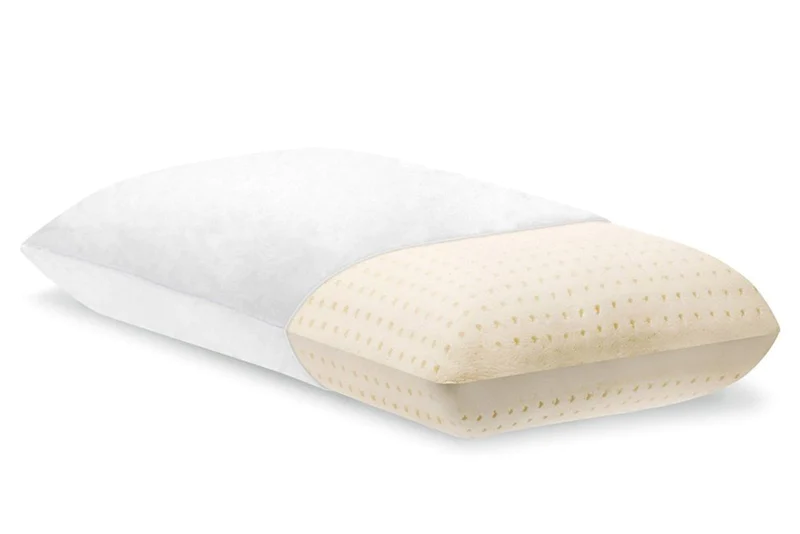
- Solid latex pillow
- Natural, breathable Comfort
Affordable and natural latex bedding options for great sleep.
Latex is one of the most hypoallergenic materials known to man. Latex is also remarkable at resisting dust mites, mold, mildew, and other allergens.
The Latex for Less provides two latex pillow options. You have the shredded and solid versions; both are marvelous in their capacity. One is fluffier and soft and can be shaped out too. It is adjustable and is great for back and stomach sleepers. The solid one is more or less firmer than the other.
Shredded latex pillows perfectly combine comfort, resiliency, and health (check the most comfy pillows). Unlike the down pillows used traditionally, shredded latex does not cluster. It does not shift to one side or split in places.
The solid one is the best if you are looking for the bouncy version. It is more supportive and good at holding its shape as your head presses down. The body can align correctly without any stiffness on the neck or heat buildup.
The solid organic natural latex nestles your head and neck providing exceptional pressure relief in any sleep position. You'll enjoy soft, bouncy support throughout the night.
Available in three sizes, they pair great with the two-sided natural latex mattress. It has a hard side and a medium firm side. You can flip the mattress to experience support and immense support for your back and other joints.
Futon Shop Latex Noodles Bed Pillow
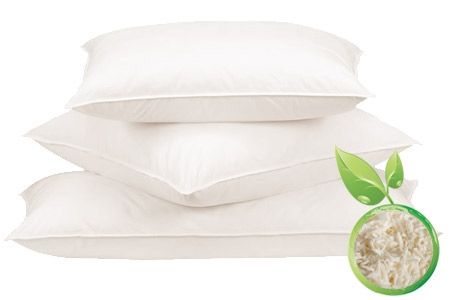
- Natural ventilation
- Hypoallergenic
Safe for the environment and extremely comfortable.
Here's something you don't get to see every day. A pillow that is filled with latex noodles. It sounds hilarious, but the noodle part only references the shredded latex filling. But this hand-stitched pillow provides unmatched comfort for any position you prefer.
The latex keeps the airflow, so you may not worry about odor buildup. The ventilation keeps the mild dew and mold at bay as well. The Organic Cotton pillow case is breathable; overall, the pillow remains allergen-free.
Being hand stitched, the durability is guaranteed as every stitch is checked and made to last. For years it has given your shoulders and neck the optimal support for great sleep. Also, biodegradable material means no harm is caused to nature during the making and even after disposal.
The latex is extracted naturally without participation in any deforestation. Using natural latex keeps the resource in check and the environment protected. The process of manufacturing is sustainable and chemical-free.
The Futon Shop offers more variety of latex pillows that are organic and built for specific comfort. The Organic Latex Cloud Contour Shoulder Pillow, as the name suggests, is for the stress relieving of the shoulders
The Organic Latex Contour Bed Pillow and Organic Latex Bed Pillow are the best. One is for support, and the other is great to keep your nights cool.
OrganicTextiles All-Natural Latex Pillow

- Helps Relieve Pressure
- Ideal for Back & Side Sleepers
Extraordinarily responsive, comfortable, and springy.
Available in 3 sizes, the OrganicTextiles latex pillow provides divine comfort. It is made of solid latex with decent air holes, making it a cooling and unique pillow. You get the bouncy nature of the latex without the heat accumulation.
Its all-natural approach makes it safe to use for adults and kids alike. There is no exposure to any toxic fumes or retention of odors because of sweat. This ensures that the latex will remain crisp and hygienic throughout its use.
Since it is not synthetic latex, it is durable and biodegradable. It has a medium firmness, which is excellent for back and side sleepers (check the best selling pillows for back sleeper). It quickly responds to any pressure applied and retrieves its natural shape instantly. Hence you can look forward to a worry-free, sagging-free pillow for prolonged use.
OrganicTextiles deals in shredded latex pillows. You get one with a zipper for easy cleaning and one without. Pillows with shredded latex are softer than solid ones and are liked by stomach sleepers.
The Organic Latex Pillow is easy to clean. You can remove the latex filling and wash the cover. At the same time, the Natural Bamboo Pillow with Organic Shredded Latex's cover cannot be removed.
SIJO Clima Latex Pillow

- Great Softness & Support
- Cool,soft & moisture-wicking
An award-winning pillow at affordable rates.
The Sijo Clima latex pillow comes with a removable cover. The ease of cleaning the cover and keeping it dust free is an advantage. But the best part of this pillow is its cooling ability.
The Sijo Clima latex pillow has the latex pierced. These holes allow efficient airflow, keeping the pillow cool even on summer nights. Credit goes to the Talay latex for opposing heat.
The latex, with its usual attribute, is cushioning and bouncy. Its responsiveness makes it excellent for neck support and keeping the shoulders aligned. It becomes a likable pillow for back and side sleepers as it compresses to the correct depth. The high loft design lets your back align well with the upper body for an exceptional sleep.
The pillow's patented ClimaSoft technology integrates the latest generation of cooling fiber. It perks the natural resilience of Talalay Latex. SIJO Clima Latex Pillow has also achieved the CertiPUR-US® certified standard for safety.
The pillows are available in standard and king size and come with a moisture-resisting cover. You can style your pillows with the Lyocell Tencel Sheet Set. They are available in unique colors and have a smooth, silky texture. The French Linen sheets have a smooth surface and a fitted sheet. Lastly, you can get just the Sijo stone-washed french linen pillowcases. They are exclusively available in multiple colors, so they suit your room's decor.
Talatex Talalay Natural Premium Latex Pillow

- Soft Pillow Helps Relieve Pressure
- Natural & Eco-Friendly
Best pillow for side sleepers.
Talatex Premium latex pillow guarantees to be 100% Talalay latex. The softness is marvelous; irrespective of the pressure, it regains its shape. The latex rebounds to its original thickness, and you get a long-lasting pillow.
The pillow comes in King, Queen, and standard sizes. They easily slide into the pillowcase, which is even helpful in controlling the loft height. Since back and side sleepers need a little elevated pillow, this one works best for them. The height is ideal for the perfect curves and resting of the neck. Also, ensure that you will not wake up to a stiff shoulder or aching back.
It helps control snoring by providing the right lift and comfortable cooling. No matter what season it is, this latex pillow adjusts the temperature to exactly what you need. Unlike its usual heat-retaining aspect, the latex goes against it to promote airflow and resist heating. It benefits sleepers suffering from congestion or asthma. The Talalay latex is eco-friendly and biodegradable, making it a safe buy.
If your neck and spine are your usual concerns, try the cervical orthopedic latex pillow. The Talatex 100% Natural Premium Pillow has a converging design for better support. It is the best latex with an ergonomic design and structure. It provides both softness and cradles your neck and shoulders.
What Is The Difference Between Natural Latex and Talalay Latex?
The difference between natural latex and Talalay is that Talalay is expensive and is of higher quality. Talalay latex is made through a more complex and protracted manufacturing process. Ultimately resulting in a more consistent and durable product. Talalay latex is breathable and soft, making it an excellent option for people with various sensitivities.
What Is The Lifespan of A Latex Pillow?
The lifespan of a latex pillow can vary depending on its usage. With proper care, a latex pillow can last for many years. However, it can quickly damage and need replacement if you do not take good care.
Are All Latex Pillows The Same?
All latex pillows are different because there are different types of latex available. Many kinds of latex pillows are up for grabs, each with unique features. Natural latex, Talalay latex, Dunlop latex, and synthetic latex are just a few types that trend.
The basic idea is to provide unmatched support and be able to give a good restful sleep. Some are soft, while some are more firm (check the best selling firm pillows). They may have varying thicknesses and sizes, but you will find the right one for you sooner or later. They make great pillows if you are not allergic to latex.
Is Latex Best For Side Sleepers?
Whether latex is for side sleepers depends on the latex's loft height. Latex pillows are valued for their resilience. This becomes a plus point for side sleepers as their necks get the best curvature. Their lumbar posture is supported, making a good latex pillow ideal for them. If the latex pillow is organic and well-aerated, it is best for side sleepers.
Do Dust Mites Live In Latex Pillows?
There is some debate on whether dust mites can live in latex pillows. Dust mites are incredibly minute insects that usually thrive in constantly humid and warm places. They live in mattresses, bedding, and upholstered furniture. Some believe that dust mites cannot survive in latex pillows because it is not hospitable. However, others think dust mites can easily find their way into latex pillows.
The argument is that it cannot resist dust mites when the latex becomes old. So, it remains a query if that is true or not. However, proper care of pillows and maintenance will keep them clean and pure.
Make it a habit of keeping things well aerated and vacuuming the whole bed and the accessories once in a while. You can buy dust-mite-proof pillowcases. Keep a check on the latex and keep your pillow clean and dry.
Eco-Friendliness: How Do Latex Pillows Benefit the Environment?
Latex, especially natural latex, is derived from the sap of rubber trees. The extraction process is sustainable, meaning the trees are not cut down to obtain the latex. Instead, they continue to grow, absorbing carbon dioxide and benefiting the environment. Additionally, natural latex pillows are biodegradable, reducing landfill waste.
Health Benefits: Can Latex Pillows Improve Sleep Quality?
Yes, latex pillows can potentially improve sleep quality for many individuals. Their natural resilience allows them to contour to the sleeper's head and neck, offering optimal support. This can reduce pressure points and prevent neck and shoulder pain. The hypoallergenic properties of latex also provide a cleaner sleep environment, reducing the chances of allergic reactions.
Versatility: How Do Latex Pillows Cater to Different Sleep Needs?
Latex pillows come in a variety of firmness levels and shapes, catering to different sleep preferences. Whether you're a side sleeper needing loft and support, a back sleeper requiring contouring, or a stomach sleeper looking for something flatter, there's likely a latex pillow tailored to your needs. Additionally, with innovations like Talalay and Dunlop processing methods, consumers have even more choices when it comes to pillow feel and durability.
Our Recommendation
No one wouldn't enjoy or long for a great night's sleep. Therefore, a good pillow holds as much importance as a decent mattress. Latex pillows have their standard and share of popularity. They are available in varying sizes and firmness with numerous latex-type options. The best are the organic ones, as they guarantee sustainability.
Upgrade: Full Saatva Pillow Collection
| Amerisleep LatexLuxe Pillow | - | Shop |
| Saatva Latex Pillow | $165 | Shop |
| Saatva Memory Foam Pillow | $125 | Shop |
| Saatva Down Pillow | $185 | Shop |
Best Latex Pillow FAQs
Is Latex Good For A Pillow?
Latex is a popular material for pillows because it is comfortable and has good support. Latex is a durable material that can last for many years. However, latex is unsuitable for people with allergies. Also, a biodegradable latex pillow might be pricy as well.
Which Is The Best Latex Pillow To Buy?
There are a variety of latex pillows available, but the best one should have the following features:
• It should be soft to contour the neck and shoulders and provide the right firmness
• Should be breathable to make it hypoallergenic
• Should be of natural, organic latex
• Affordable
The Amerisleep LatexLuxe Pillow is our top pick: it is made with natural latex, so it has the right softness and remains supportive to prevent sinking, and it is backed by a 10-year warranty. For a plush shredded alternative, PlushBeds has an exclusive latex pillow that ticks all the boxes, with latex that stays cool and dry.
How Do I Choose A Latex Pillow?
There are a few details to consider when choosing a latex pillow:
• It would help if you decided what firmness you prefer. Soft latex pillows are great for side and back sleepers. The firmer and thinner latex pillows are better for stomach sleepers.
• You need to consider the size of the pillow. Latex pillows come in various sizes, so you can choose one that fits your bed.
• It should be well aerated with tiny air pockets to make it breathable. Latex should not have a structure that enables it to retain heat.
It should be of organic latex material to get a sustainable and toxic-free pillow.
Final Recommendation: Our top pick is the Amerisleep LatexLuxe Pillow, covered by a 10-year warranty. For a luxury alternative, the Saatva Pillow remains a favorite for sleepers who want hotel-quality comfort at home.
Best Latex Pillows: Natural vs Synthetic Comparison
Latex pillows offer responsive support, natural cooling, and exceptional durability compared to memory foam or down.
Natural vs Synthetic Latex
| Feature | Natural Latex | Synthetic Latex |
|---|---|---|
| Source | Rubber tree sap (Hevea brasiliensis) | Petroleum-based SBR (styrene-butadiene rubber) |
| Feel | Bouncy, responsive, consistent | Similar but may feel less elastic |
| Durability | 5–10 years | 2–4 years |
| Off-gassing | Minimal (mild rubber scent, fades in days) | More chemical odor initially |
| Price | $50–$120 | $25–$60 |
| Cooling | Excellent (open-cell structure) | Good |
Talalay vs Dunlop
Talalay: Lighter, bouncier, more consistent cell structure. Better for pillows. Dunlop: Denser, heavier, may have varying density (firmer bottom). Better for mattress cores.
For pillows: natural latex guide | orthopedic options.
Pair a quality pillow with the Saatva Classic for complete sleep comfort. 365-night trial.
Try Saatva risk-free →
Related Guides
Related guides on MattressNut
- Latex Pillow Review: Natural vs Synthetic, Talalay vs Dunlop + Best Picks
- Latex Pillow Guide: Natural Latex vs Memory Foam and What to Expect
- Best Latex Pillow 2026: Natural Talalay vs Dunlop — Honest Comparison
- Best natural latex pillow, 8 non toxic options we recommend
- Latex Pillow vs Memory Foam Pillow: Which Is Better for Sleep?
Frequently Asked Questions
How do I choose the right best latex pillow?
Consider your sleep position, body weight, and whether you sleep hot. Adjustable fill pillows let you experiment without buying multiple products.
How often should I replace my pillow?
Every 1-2 years for synthetic fill, 2-3 years for latex or high-density memory foam. Signs include flattening, odors, and morning neck pain.
Can I wash the pillow?
Always check the care label. Many memory-foam pillows have removable, machine-washable covers but non-washable cores. Down and down-alternative pillows can usually be machine washed.