

 by
A renter-friendly living room accent wall can cost $0 to $300, depending on what you already own and whether you choose paint. I once taped a paper mural crooked and spent an afternoon fixing it, so now I plan the wall before buying anything. Your flat can feel warm, polished, and personal without one drill hole. Start here!
- Layer a Fabric Panel Wall for a Soft Apartment Accent Wall
- Paint a Removable Color Block Below Eye Level
- Float a Peel-and-Stick Mural Behind the Sofa
- Could a Three-Height Light Stack Replace Paint?
- Frame a Large Textile Instead of Hanging a Mirror
- Swap Gallery-Wall Uniformity for One Oversized Print
- Let the Trim Become the Contrast Wall
- Anchor a Renter-Friendly Accent Wall With a Bookcase
- What If a Tension-Rod Curtain Wall Works Better Than Wallpaper?
- Frame the Wall With Removable Molding
- Layer Two Woods for a Warm Flat Accent Wall
- Paint a Narrow Vertical Stripe for a Small Living Room
1Layer a Fabric Panel Wall for a Soft Apartment Accent Wall
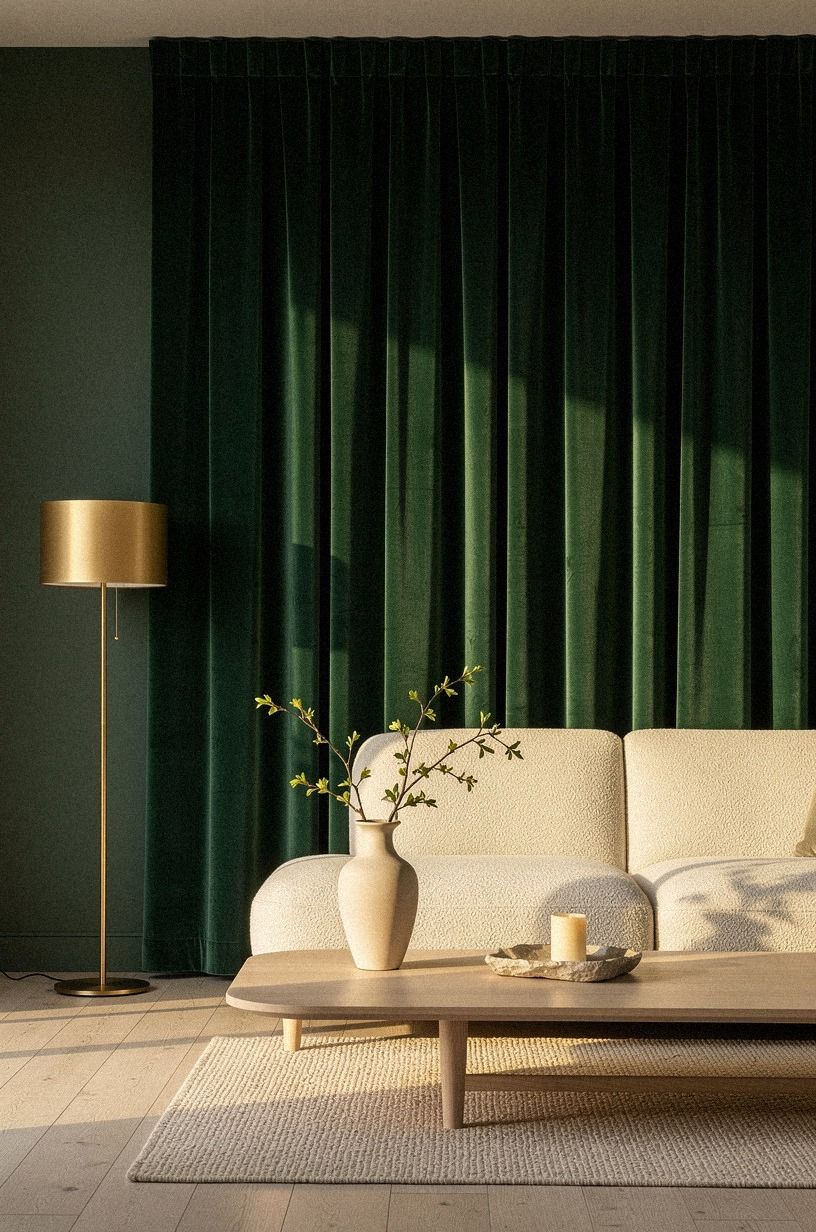
A full-height fabric panel gives your living room color, texture, and a little acoustic hush without touching the plaster. Use a tension rod, removable hooks rated for the panel weight, or a ceiling-to-floor system that rests between the floor and ceiling. You’ll want the fabric to finish just above the skirting board, because a puddle of cloth can make your wall look untidy fast.
Choose deep-pile mohair velvet in emerald, gold, or cream for a rich backdrop. A 96-inch panel will usually create more visual height than a shorter curtain, while a 35- to 40-inch sofa can sit comfortably in front of it.
I’d skip shiny polyester here. It catches light in a flat, artificial way, while mohair velvet gives your room small shifts of texture throughout the day.
Hang your sofa slightly forward from the textile so air can move behind it. If you’re working with a narrow wall, one centered panel looks intentional; two panels can feel crowded. And if your rental has ugly carpet, this renter-friendly living room guide for ugly rental carpet will help you connect the floor to the new wall.
Use a simple hem or fabric clips if the panel needs shortening. You won’t need complicated tailoring for a relaxed, collected finish. The result is soft, warm, and reversible!
2Paint a Removable Color Block Below Eye Level
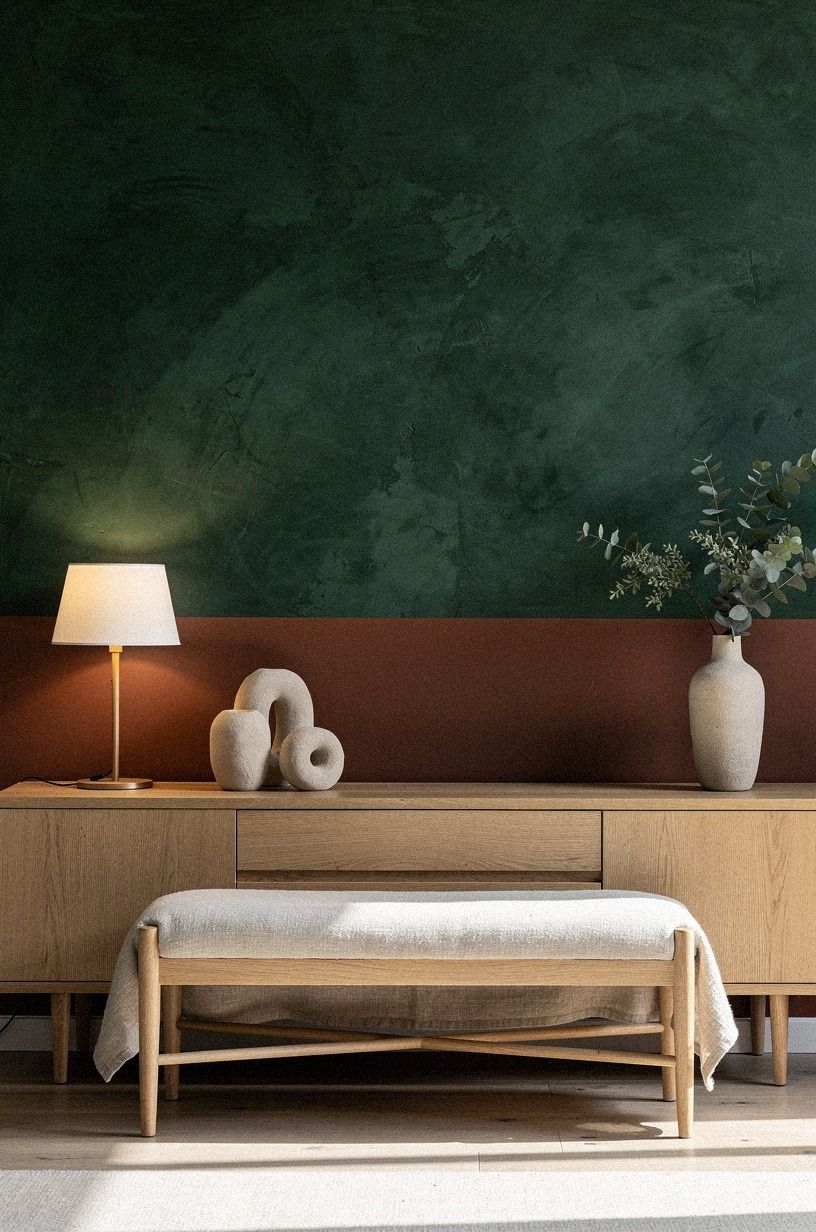
A low color block is one of the easiest renter-friendly accent wall ideas because you can keep the upper half of the wall white and make the change feel deliberate. Use painter’s tape on a clean, dry surface, then test the tape in a hidden corner before committing. You’ll want the line somewhere between 36 and 48 inches high, depending on your furniture.
Forest green works well when you want depth against natural oak. For more warmth, try a rust color below the line and leave the upper wall warm white.
A hand-applied Venetian plaster finish can add subtle movement to the painted zone when your lease allows it. I’d avoid a thin stripe around the room.
It can look like a temporary school project, while one strong wall reads as architecture.
Your color block can sit behind the sofa, media unit, or reading chair. Keep the furniture mostly inside the painted zone so your eye sees one connected shape.
I tested a similar idea in a small room, and the lower color made the furniture feel grounded without making the ceiling feel low. But don’t rush the tape. A five-minute level check can save your whole Saturday!
If you’re nervous about paint, compare this approach with accent walls you can take down in an hour. You may decide that a removable solution suits your lease and your patience better.
3Float a Peel-and-Stick Mural Behind the Sofa
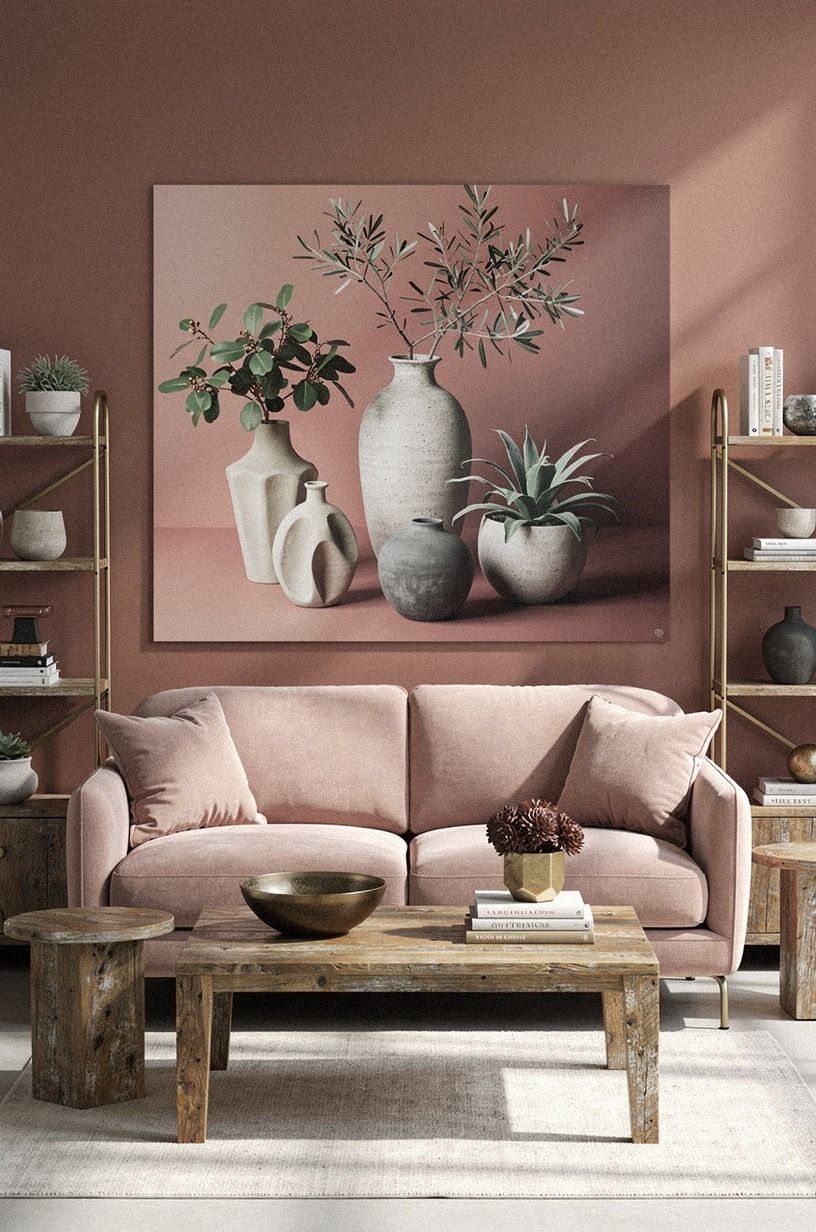
A peel-and-stick mural gives you the drama of wallpaper without permanent paste, and it’s especially useful when your living room needs one clear focal point. You’ll want a smooth wall, a sharp utility blade, and a second person for the first panel. Start from the center rather than the corner so the artwork lands where your eye naturally rests.
Look for dusty rose, charcoal, and brass details rather than a busy mix of colors. A mural with a large pattern can make a small flat feel more expansive because the wall appears to continue beyond its edges.
Reclaimed weathered teak nearby can add a grounded counterpoint to the mural. Tiny repeating prints are less forgiving, especially when your sofa, lamp, and art already create several small shapes.
Buy one sample panel first. You’ll see how the color changes beside your flooring and evening lamps, and you’ll learn whether the adhesive lifts cleanly. If you’re unsure about the removal process, compare it with these removable accent walls.
I’d skip putting a mural behind a television. The pattern competes with the screen, and your relaxing room starts to feel visually noisy. Behind a sofa or reading chair, though, the right mural can feel adventurous, atmospheric, and wonderfully transportive.
4Could a Three-Height Light Stack Replace Paint?
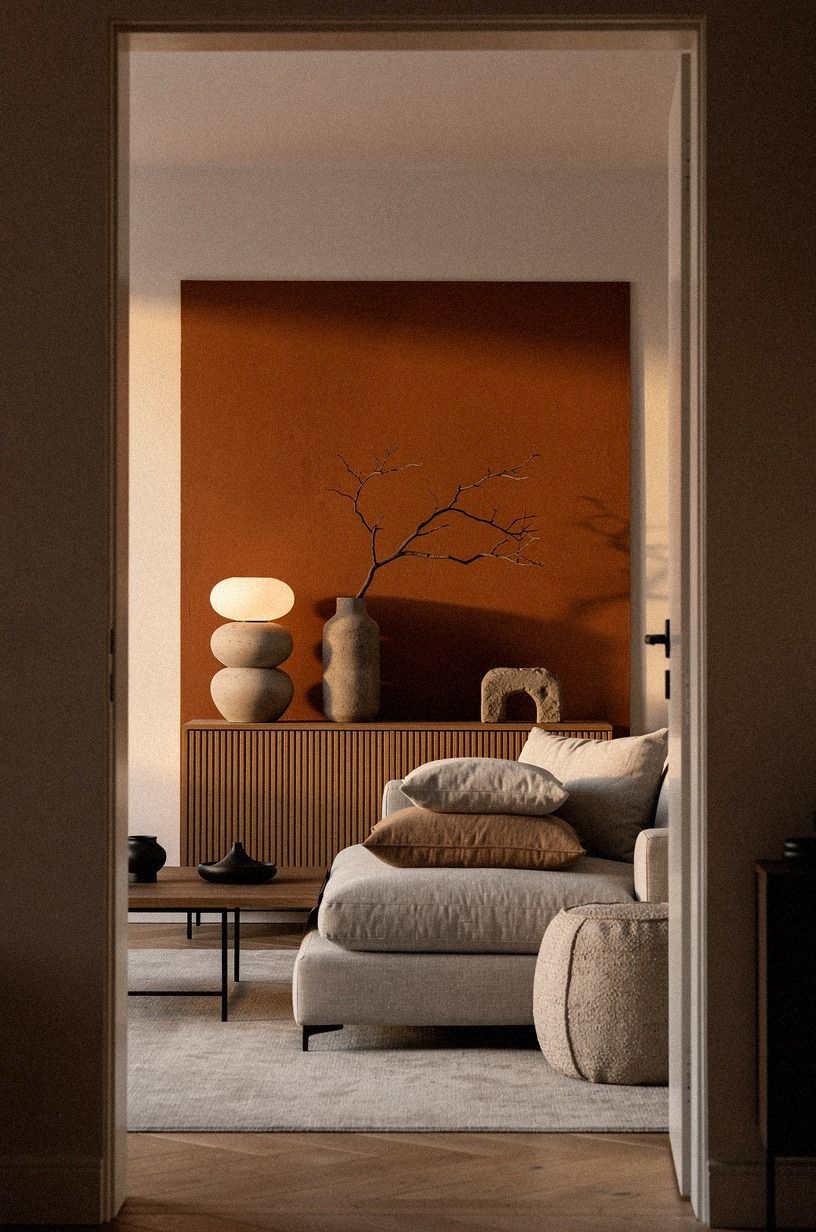
Your accent wall doesn’t need to be painted if you can create a strong vertical composition with light.

5Frame a Large Textile Instead of Hanging a Mirror
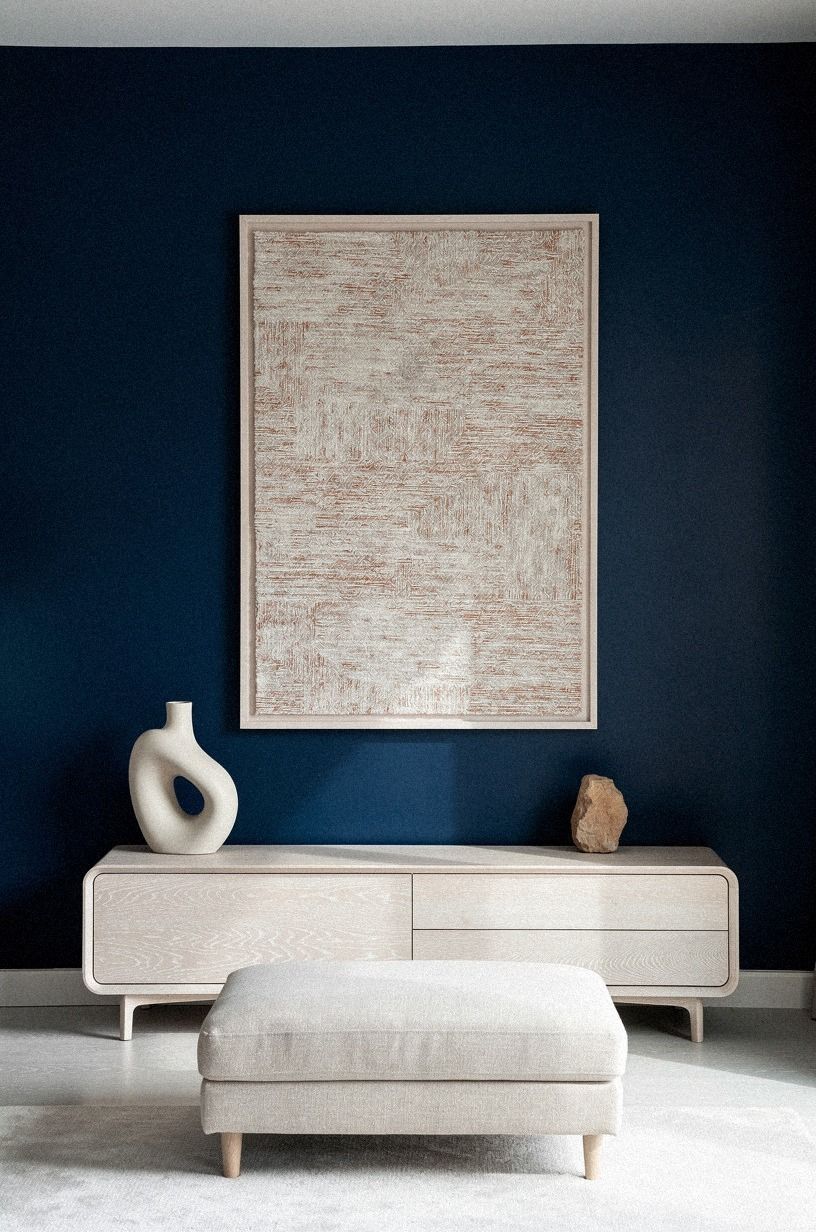
A large textile can act like art, absorb sound, and introduce a bold color without the hard shine of a mirror. Use a vintage rug, a woven wall hanging, or a textile set in a cerused white oak frame. You’ll want the piece to fill roughly two-thirds of the wall behind your main seating, so it doesn’t look like a small postage stamp.
Choose a pattern with one color already present in your rug or upholstery. A midnight blue, copper, and ivory textile can warm a neutral sofa, while a deep blue piece gives ivory walls more depth.
I’d choose this over a mirror when your flat already has plenty of reflective surfaces. Too much glass can make a room feel sharp and echoey.
Use two removable hooks at the top and a small stabilizing strip near the bottom. Your textile should sit close to the wall, not swing every time someone walks past. For a second-hand option, check local vintage shops or Facebook Marketplace, where you can often find unusual woven pieces with more character than new mass-market art.
If the room has awkward flooring, this renter-friendly carpet guide can help you coordinate the textile with what’s already underfoot. You’ll know the right piece when its uneven edges make the wall feel lived-in.
6Swap Gallery-Wall Uniformity for One Oversized Print
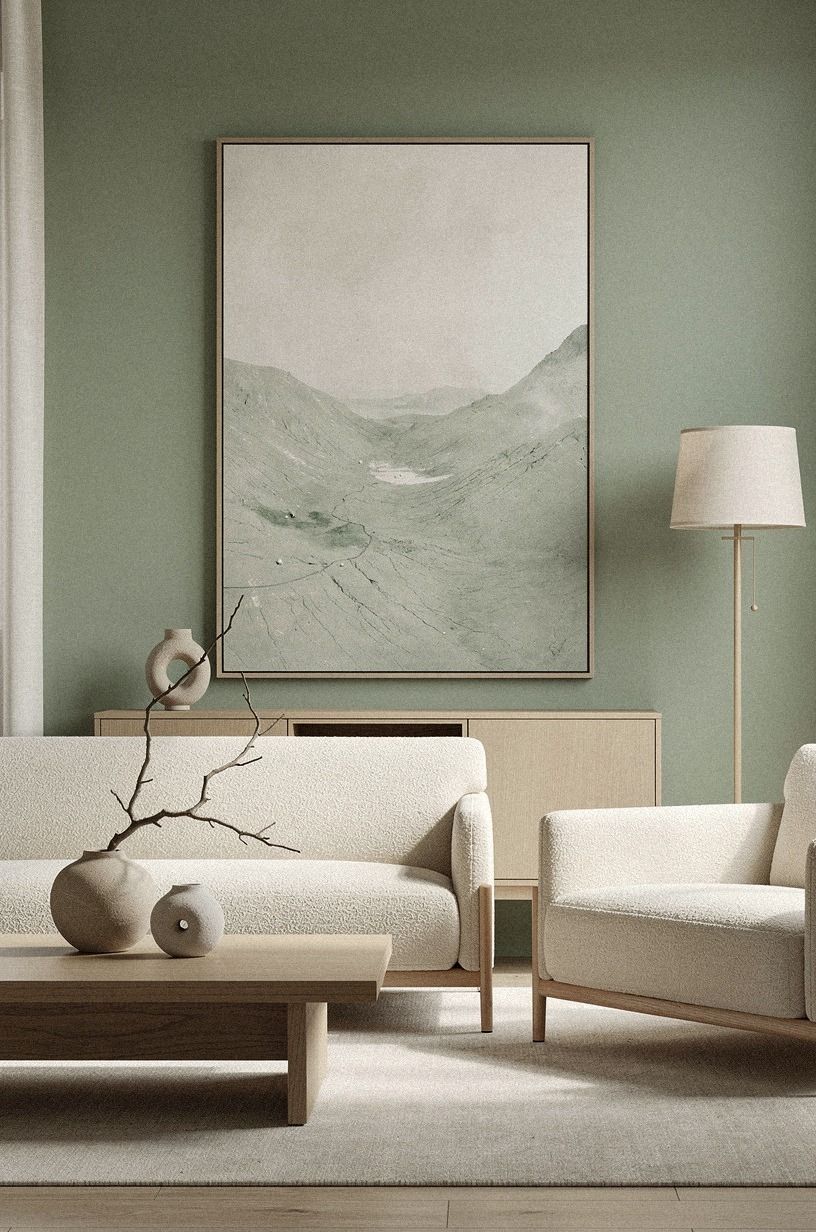
One oversized print gives your living room a confident accent wall with fewer holes, fewer decisions, and less visual clutter.
7Let the Trim Become the Contrast Wall
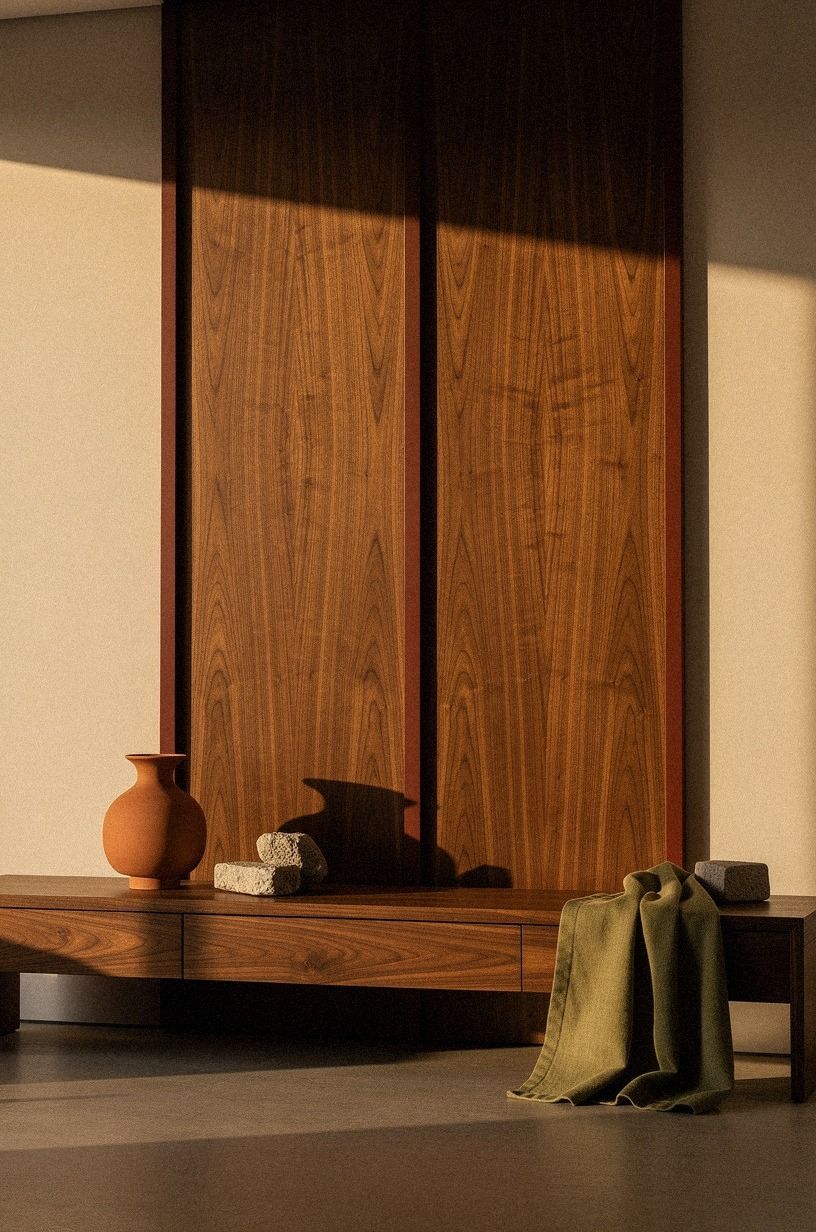
Painting only the trim, door, or built-in edge can make an accent wall feel richer without covering the whole surface. It’s a particularly clever option when the main wall is already a pleasant neutral and your rental agreement limits larger changes.
Try a deep olive green on the door casing, a warm stone shade on the skirting board, or a muted terracotta around a shallow alcove. Keep the finish consistent with the existing wall whenever possible. A carefully chosen contrast can make ordinary architecture feel striking, tailored, and unexpectedly elegant.
Before painting, check your lease and test the color beside the flooring, sofa, and natural light. Photograph the original trim so you can restore it accurately later. If paint feels too risky, removable trim tape or a narrow fabric border can create a similar graphic effect.
For more temporary options, browse these accent walls you can take down in an hour. The key is to make the edge look intentional, not like an unfinished decorating experiment.
8Anchor a Renter-Friendly Accent Wall With a Bookcase
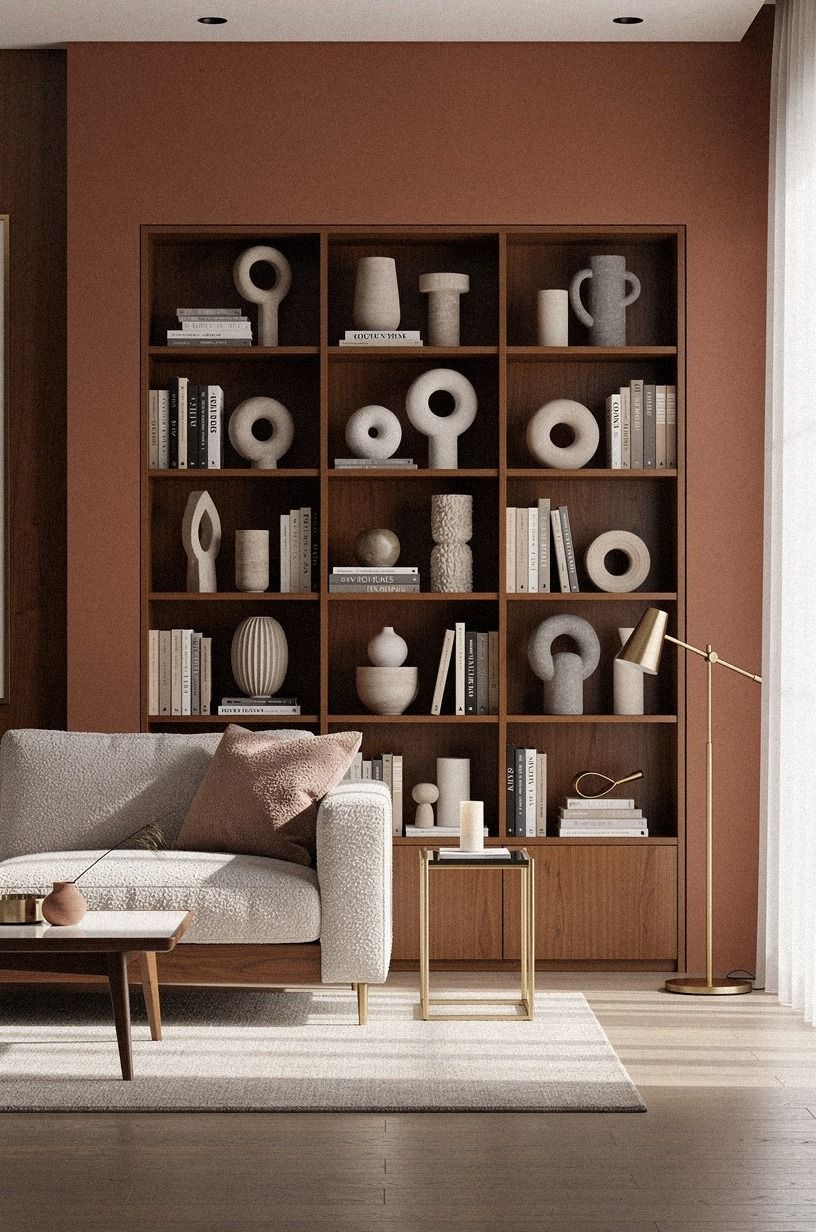
A tall, freestanding bookcase can create the appearance of a built-in accent wall while leaving the original surface untouched.
9What If a Tension-Rod Curtain Wall Works Better Than Wallpaper?
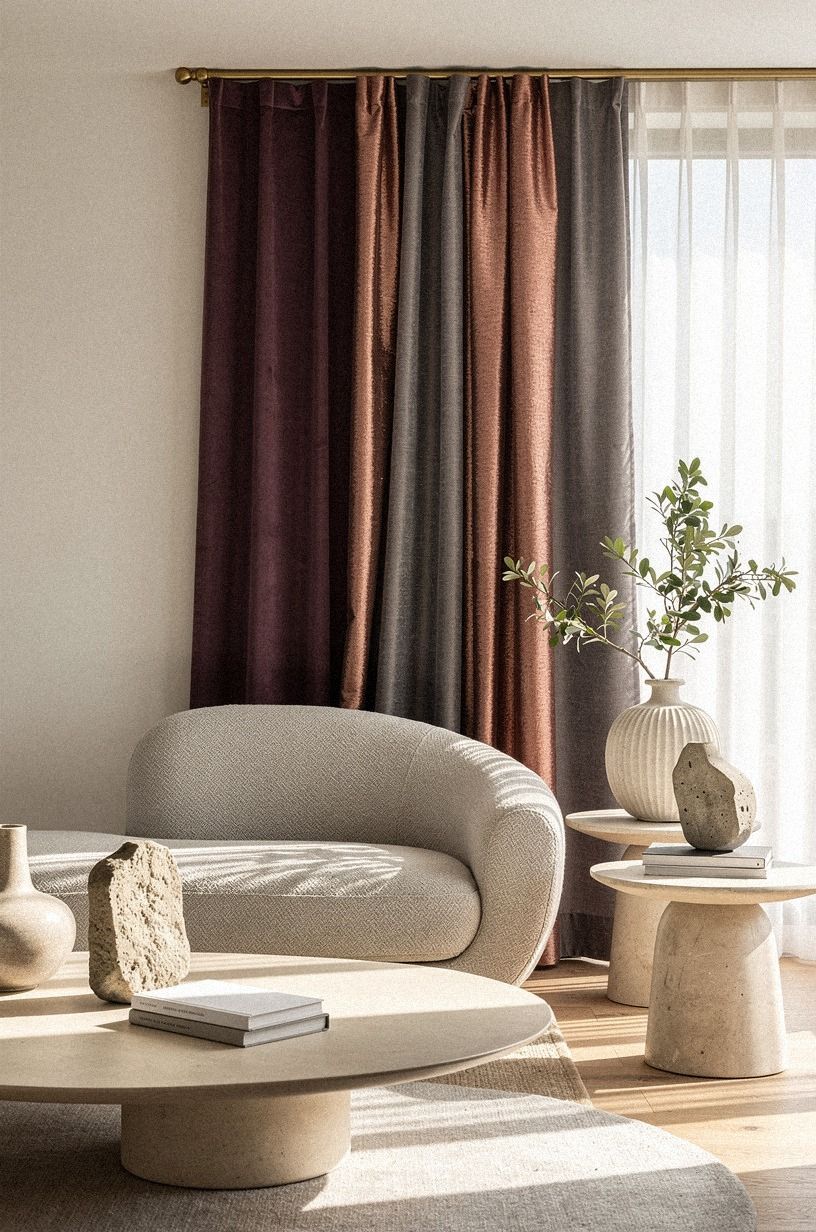
A curtain wall is the most forgiving answer when your rental has uneven plaster, ugly paint, or a wall you don’t want to touch. Install a heavy-duty tension rod if the span is short, or use a floor-to-ceiling tension system for a wider wall. You’ll get softness, privacy, and an immediate change in atmosphere.
Choose unlacquered brass hardware with fabric in a substantial weave rather than thin synthetic sheers. The metal will develop a gentle patina, while the fabric should skim the floor or stop just above it. A small break at the bottom feels neat and practical, while a puddled hem can gather dust and look accidental.
Keep the curtain color connected to the room’s plum, grey, and rose-gold palette. Plum can echo a cushion, soft grey can settle pale wood, and a rose-gold accent can give a tired wall a warmer presence. You won’t need a complicated pattern when the folds already create movement.
If the wall is beside a troublesome carpet, use this renter-friendly living room carpet guide to think through the full palette. A curtain wall can look astonishingly polished when the floor and textile feel like part of the same story.
10Frame the Wall With Removable Molding
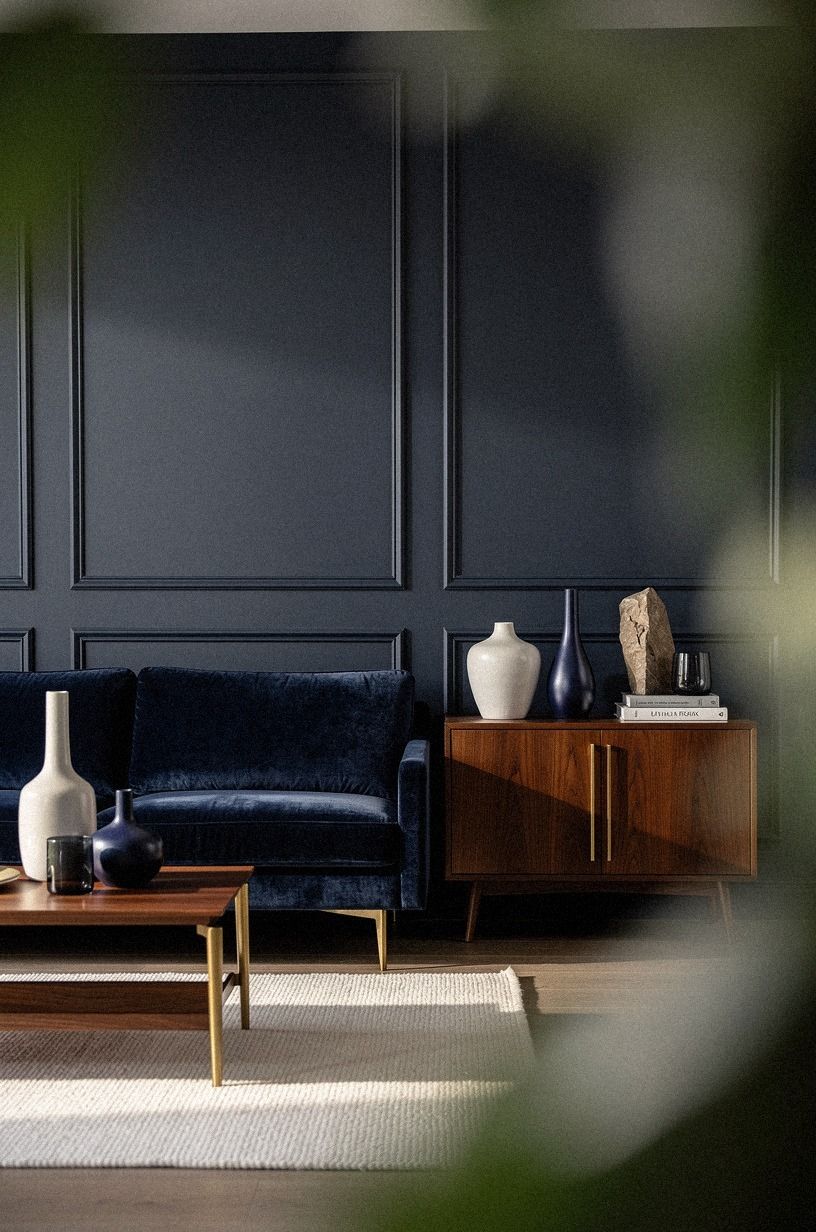
Removable molding creates a panelled accent wall without drilling when you use lightweight foam trim, strong removable adhesive, and a careful measuring plan. You’ll want to map the rectangles with painter’s tape first, then live with the outline for one full day. Your eye will catch awkward spacing much faster after you’ve seen it beside the sofa and lamps.
Paint the panels white against a deep navy wall, or use a navy surround with white inserts and walnut furniture nearby. The shadows do much of the work, especially in the evening.
I’d avoid narrow panels behind a large sectional. They can make the furniture look oversized and chopped into pieces.
Keep the outer margins equal, then make the lower panels slightly taller if you’re working around a sofa back. A coffee table usually sits 16 to 18 inches high, so the panel rhythm should rise clearly above that line. I made the mistake of measuring from the floor instead of the furniture once.
It looked fine empty and strangely low after the room was put back together.
Use removable adhesive strips with a weight rating that exceeds the trim’s actual weight. Press each section firmly, wait according to the product instructions, and remove it slowly at move-out. Patient preparation makes this inexpensive idea feel remarkably architectural!
11Layer Two Woods for a Warm Flat Accent Wall
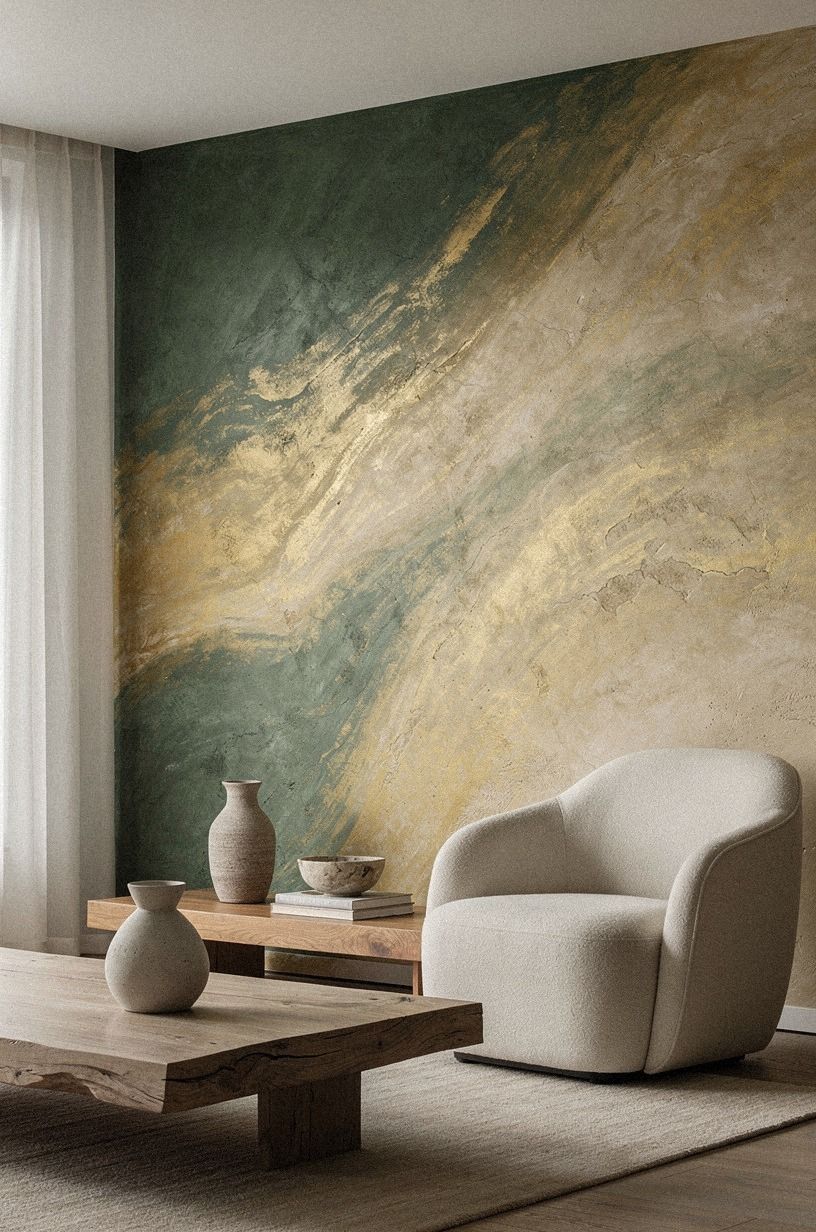
The Two-Wood Rule gives you a natural accent wall with furniture rather than paint. Let hand-applied Venetian plaster provide an emerald, gold, and cream backdrop, then add a darker walnut tray, frame, or side table. You’ll want the tones to be clearly different, because two nearly identical woods often look like an accidental mismatch.
Place a narrow console against the wall, then add a large piece of art above it and one tall plant beside it. Your sofa can sit opposite, leaving enough room for the console drawers to open. I’d skip a full matching furniture set.
It makes a rented flat feel staged, while varied wood tones create a more calming, gathered look.
A wool rug can bridge the two finishes without adding another strong color. Choose an 8x10 rug when the seating area is compact, or a 9x12 when your sofa and chairs can all sit partly on it. You’ll notice the difference when your front legs are on the rug instead of floating around its edges.
Warm wood works especially well with unlacquered brass, which develops a softer patina over time. If you need storage for everyday clutter, the practical ideas in these hidden toy storage solutions can keep the wall feeling composed.
12Paint a Narrow Vertical Stripe for a Small Living Room
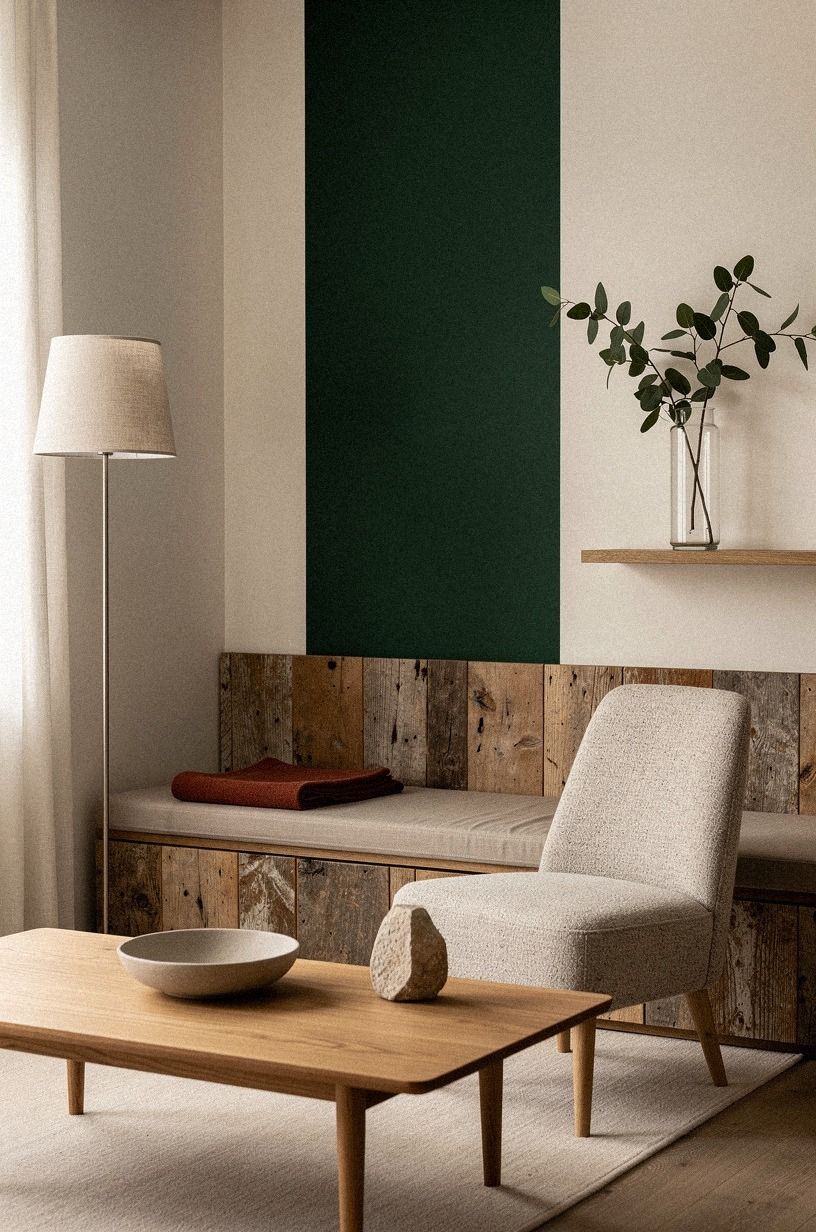
A vertical stripe gives your living room an accent wall moment without covering the entire wall. Use one broad stripe behind a reading chair, a pair of narrow stripes around a doorway, or a painted column that visually separates the sofa from the dining area. You’ll want the stripe aligned with a real feature, not placed randomly in the middle of empty wall.
Try forest green on a warm-white wall if you want an intimate, moody effect. For something warmer, use a muted rust with a low-sheen finish.
I’d avoid very thin stripes. They demand perfect edges and can look decorative in the wrong way, while a broad stripe feels closer to architecture.
Keep the furniture inside or directly beside the stripe so the color has a job. A chair, floor lamp, and small reclaimed weathered teak table can form a complete reading corner within 30 square feet. Your accent wall should support how you live, not only how it photographs.
And if you’re choosing between a stripe and a mural, ask yourself: do you want a quiet frame for your furniture, or a scene that becomes the room’s main event? If you prefer the quieter route, pair the stripe with a simple removable accent treatment.
What This Rental Wall Is Really Doing
An accent wall works best when it solves a specific room problem. It can make the sofa feel anchored, give a television a calmer background, soften hard sound, or guide visitors toward the part of the room where you actually sit.
I’ve had rooms where the wall looked lovely in a photo but felt wrong in person because the color had no relationship to the furniture. Your wall needs a job beyond being different.
For a small living room, I’d start with scale. A large textile, curtain, or print can make the wall feel more expansive because your eye reads one broad field.
A busy gallery arrangement creates many stopping points, so it’s better when your room has more breathing space. You’ll also want to repeat one accent color at least twice, perhaps in a cushion and a ceramic bowl, so the wall feels connected rather than pasted on.
The best rental changes are reversible, but reversible doesn’t mean careless. Test adhesive, save original paint, photograph the wall before installation, and keep every removed strip in a bag until move-out. That little bit of preparation protects your deposit and gives you confidence to make a bolder choice.
A warm wall can change how your flat feels every evening, and it doesn’t require a contractor!
What Living Room Accent Walls Cost in the US
The wall treatment itself might be free if you rearrange furniture or use textiles you already own. If you’re buying new pieces, the broader living room budget can vary sharply by furniture tier. These typical US ranges help you decide whether your accent wall should stay a small styling project or become part of a larger room update.
A performance-fabric sofa typically falls around $1,200-$4,000, while a wool rug sized 9x12 often lands between $600 and $2,500. An oak coffee table may cost $300-$1,200, and linen drapes for a pair commonly run $120-$400.
You don’t need to enter the mid tier to make your wall feel considered. I’d spend first on the item with the largest visual footprint, then let smaller details support it. This vintage rental living room guide is useful when you want character without letting every purchase expand the budget.
If you already own the sofa and rug, a removable textile, a second-hand frame, or a better lamp may be enough. The most persuasive changes often come from scale and placement, not a crowded shopping list.
What People Always Want to Know
What is the best living room accent wall for a small living room?
A large textile or a single peel-and-stick mural usually works best because it gives your eye one broad shape. Choose IKEA KALLAX beside it for storage, or use a lightweight oversized print if you want less texture. Your room will feel calmer when the wall has one clear focal point instead of many tiny objects.
Where can I buy accent wall pieces on a budget?
IKEA, Target, Wayfair, thrift shops, and Facebook Marketplace are useful starting points. Look for second-hand frames, curtains, rugs, and wood furniture with strong proportions.
You’ll often find better character used than new, and your budget can stay focused on one item with real visual impact. This budget-friendly vintage living room guide can help you decide what deserves priority.
How much does a living room accent wall makeover cost?
A small makeover can cost about $100 to $300 when you use existing furniture and buy only paint, removable adhesive, or one textile. Larger room updates sit within the typical budget range of $300-$1,200. Your free options include rearranging art, layering lamps, and changing the sofa wall’s layout.
Can I create an accent wall on a budget?
Yes, and you can start with three low-cost moves: rearrange your largest furniture, frame a textile you already own, and group lamps at different heights. A second-hand rug or removable paper can add more color when you’re ready. You don’t need a full room purchase to make the wall feel new.
If storage is the main issue, these grown-looking toy storage ideas can improve the room without adding visual chaos.
Is a living room accent wall worth it in a small space?
Yes, because a small room benefits from one strong visual anchor. Keep the sofa, art, or bookcase aligned with the wall treatment, and avoid scattering bold colors across every surface. You’ll get more impact from one oversized piece than from six small purchases that compete for attention.
Is an accent wall a good idea for a rental?
Yes, especially when you choose peel-and-stick paper, tension rods, freestanding bookcases, removable molding, or fabric panels. Test every adhesive first and keep your original wall paint stored.
Your landlord may have different rules, so check the lease before painting trim or using heavier mounting hardware. For another temporary option, see this removable accent wall guide.
Where I’d Start First
If I had to pick one, I’d start with a full-height fabric panel. It softens sound, hides a tired wall, and comes down without leaving a renovation story behind. Pin the fabric-panel idea for later and save this renter-friendly living room guide before you shop.
Start with the wall that bothers you most, then choose the treatment that solves that problem. A calmer background, better storage, warmer light, or more satisfying scale can make the whole flat feel refreshed. You don’t need permission to make a temporary home feel genuinely yours!