
 by
by Quick answer: The Saatva Classic is an above-budget upgrade I’d consider only after comparing its live total. Strict bargain hunters should prioritize the lowest complete cost, not a premium option.
- FindPrices says list price is almost never the price a shopper ultimately pays.
- MattressNut’s major-brand comparison says price alone reveals very little about a bed.
- Sleepopolis applies both an after-discount budget ceiling and performance criteria to its affordable selections.
Updated July 2026 · Reviewed for accuracy
The cheapest tag isn’t automatically the cheapest bed to own. A mattress can look inexpensive until delivery, return terms, or replacement risk enters the picture. I start with the complete cost, then judge whether the disclosed construction supports the spend.
Why the sticker price is only a starting point
List price, sale price, and checkout total can describe the same mattress differently. FindPrices’ mattress price comparison says the list price is almost never what shoppers actually pay, so the crossed-out figure isn’t the number I use to judge a deal.
The current checkout amount is more useful, but it still needs context. Delivery scope, removal options, return conditions, and included extras can change what an offer is worth. If those details differ, the cheaper-looking offer may not be a like-for-like comparison.
MattressNut’s major-brand price comparison makes the broader point that price alone reveals little. It identifies trial length as a key comparison factor because the opportunity to evaluate a mattress at home affects the risk attached to the purchase.
The Nut’s rule: Treat every advertised price as an opening figure. The useful number is the live total attached to terms you understand and a mattress whose materials are described clearly enough to evaluate.
Sleepopolis takes a similar approach in its affordable-mattress coverage. Its selections must satisfy an after-discount price ceiling and performance requirements, rather than qualifying through a low tag alone. Mattress Nerd also argues that shoppers don’t have to abandon quality simply because they’re working with a tighter budget.
That distinction matters. “Cheap” describes an amount. “Good value” connects that amount to construction, comfort suitability, usable policies, and expected ownership. If you want more background on the forces behind the sticker, my explainer on why mattresses can cost so much separates material and business costs from marketing language.
Build a fair price comparison before choosing
A fair comparison fixes the mattress size and purchase assumptions before looking at the offers. Comparing a bare mattress price with another seller’s delivered total creates a false gap, even if both figures are technically accurate.
I’d record each live offer on the same day and note exactly what it covers. Don’t rely on a search-result snippet or an old review price. Open the seller’s current page, select the required configuration, and follow the purchase path far enough to see what is included before payment.
| Price signal | What it tells you | What still needs checking |
|---|---|---|
| List price | The seller’s reference figure | Whether shoppers commonly pay it |
| Current sale price | The advertised merchandise amount | Eligibility, configuration, and checkout changes |
| Checkout total | The immediate amount due | Delivery, returns, removal, and unwanted extras |
| Ownership view | Cost considered alongside usable life | Construction evidence and policy quality |
MattressNut’s live price tracker uses an ownership-cost framework rather than stopping at the initial transaction. I agree with that logic, but only when the durability assumptions are supported. A long projected life shouldn’t be treated as fact when the seller provides little material detail.
Extras deserve the same discipline. A foundation, pillow, or bedding bundle has no meaningful savings value if you don’t need it. Remove the marketing value of unwanted items and compare the mattress purchase you were actually planning to make.
Keep these fields consistent:
- The exact mattress model and selected size
- The seller responsible for the order
- The delivery service included at checkout
- The trial, return, and refund language
- The warranty terms that apply to that seller
A comparison becomes unreliable as soon as any of those fields changes. That’s why I’d rather see a plain current total with clear terms than a dramatic discount badge attached to an incomplete offer.
Where genuine mattress savings usually hide
Offers are comparable only after the model, size, seller, and service scope match. A low posted amount under a different return policy isn’t the same purchase, even if the mattress name appears identical.
Seller identity deserves particular attention. Check who takes payment, who handles a return, and which written policy governs the order. If you’re unsure how retail coverage affects comparison shopping, this guide to retailer availability shows the type of seller question worth resolving before purchase.
The strongest immediate saving is often simply removing something you didn’t plan to buy. Ignore the stated value of accessories that won’t be used. Don’t let a larger bundle push the final total above the budget you set for the mattress itself.
Price check: If an offer only wins after you assign value to unwanted extras, it hasn’t won. Compare the required mattress and required service first.
Current offers can also change, which makes a permanent “cheapest seller” label unreliable. FindPrices specifically warns that the list figure is rarely the amount ultimately paid. Use live checkout information, and recheck it before completing an order.
I wouldn’t wait indefinitely for an unverified future promotion. Set an acceptable ceiling instead. If the complete purchase fits that ceiling and the terms are sound, the decision rests on construction and suitability rather than speculation about a sale that may not help.
Trial language belongs in this stage, not in the fine print after purchase. MattressNut’s comparison identifies trial length as a major point of differentiation, but length alone doesn’t settle the issue. Read the eligibility rules, return process, possible responsibilities, and refund conditions together.
Use construction details to screen out false bargains
Construction labels aren’t construction evidence. “Foam” and “hybrid” identify broad categories, but they don’t tell me enough to judge durability or support the seller’s value claims.
For a foam design, I look for a complete layer breakdown and disclosed material densities. For a coil-based design, I want the spring format, support layout, comfort layers, and edge construction described. These are evaluation criteria, not facts to infer when the manufacturer stays vague.
Layer order also matters. A listing should make it possible to understand what creates the initial feel, what provides transition support, and what forms the base. If it only supplies plush adjectives, the buyer is being asked to price uncertainty.
Useful construction disclosure includes:
- A layer-by-layer material description
- Foam density where the manufacturer publishes it
- Coil design and support zoning where applicable
- The method used to reinforce the perimeter
- Clear care and foundation requirements
I don’t assume undisclosed density, thickness, or coil specifications. I also don’t translate words such as “luxury” or “advanced” into durability. Those are positioning terms until the construction description gives them substance.
Firmness language needs restraint too. A seller’s firmness description can help narrow the field, but it isn’t a universal measurement. Body build, sleep position, and personal preference can change how the same surface feels, so a cheap mattress in the wrong comfort range is poor value for that sleeper.
Verified owner feedback can add context if it shows a repeated pattern, but it shouldn’t replace the specification sheet. The affordable-bed overview in the research set combines product inspection with verified owner reviews, which is a more useful model than treating isolated comments as proof.
My durability judgment gets more cautious as disclosure gets thinner. A low total may still suit a temporary room or tightly controlled budget, but it shouldn’t be presented as a proven long-term bargain without supporting construction details.
Where the Saatva Classic fits in this price search
A strict bargain hunter should skip this premium-tier option if the smallest checkout total is the deciding factor. It belongs here only as an above-budget upgrade, not as the answer to a cheapest-price search.
That isn’t a negative judgment on the mattress. It’s a budget distinction. A premium option can be worth considering for someone willing to spend beyond the bargain tier, but calling it the lowest-cost choice would blur two different buying goals.
I’d compare its live total with the written construction details and current policies. Offers and terms can move, so check the official listing rather than attaching a static amount to the decision. If the final total breaches your preset ceiling, stop there.
Consider the above-budget route if:
- You’ve deliberately allowed room for a premium purchase.
- The live terms and disclosed construction justify the extra spend for you.
- You’re comparing total ownership value rather than the smallest payment today.
Skip it if:
- Your spending cap is firm.
- The immediate checkout total is your overriding criterion.
- You would need to rationalize the overage through extras you don’t need.
MattressNut’s live tracker illustrates the broader method: premium value is assessed through ownership cost and policy factors, not the sticker alone. That framework can justify evaluating an upgrade, but it can’t turn a premium purchase into a budget purchase.
My verdict and checkout checklist
A written comparison beats memory. Sale pages emphasize different details, so put every candidate into the same format and judge the completed purchase rather than the loudest headline.
Before paying, verify:
- The model and selected configuration match your comparison.
- The displayed offer still applies at checkout.
- Delivery and removal responsibilities are clear.
- The trial and return process is acceptable.
- The warranty comes from the seller or manufacturer you expect.
- The material disclosure is detailed enough for a durability judgment.
- Unwanted accessories aren’t disguising a higher mattress total.
My verdict is simple: chase the lowest defensible total, not the lowest banner. “Defensible” means the offers are genuinely comparable, the policies are readable, and the construction description contains more than marketing language.
Set the spending ceiling before shopping. That prevents a premium comparison from quietly becoming the new budget. If an upgrade crosses the line, label it honestly and decide whether changing the budget is intentional.
If several offers land close together, I favor clearer construction disclosure and terms that reduce uncertainty. If the cheapest option stays vague about materials or returns, the price gap may represent risk rather than savings.
You don’t need the most expensive mattress to buy well. Mattress Nerd’s affordable-mattress guidance supports that broad point. You do need a complete price, a suitable design, and enough written evidence to know what you’re paying for.
ONE OPTION WORTH COMPARING
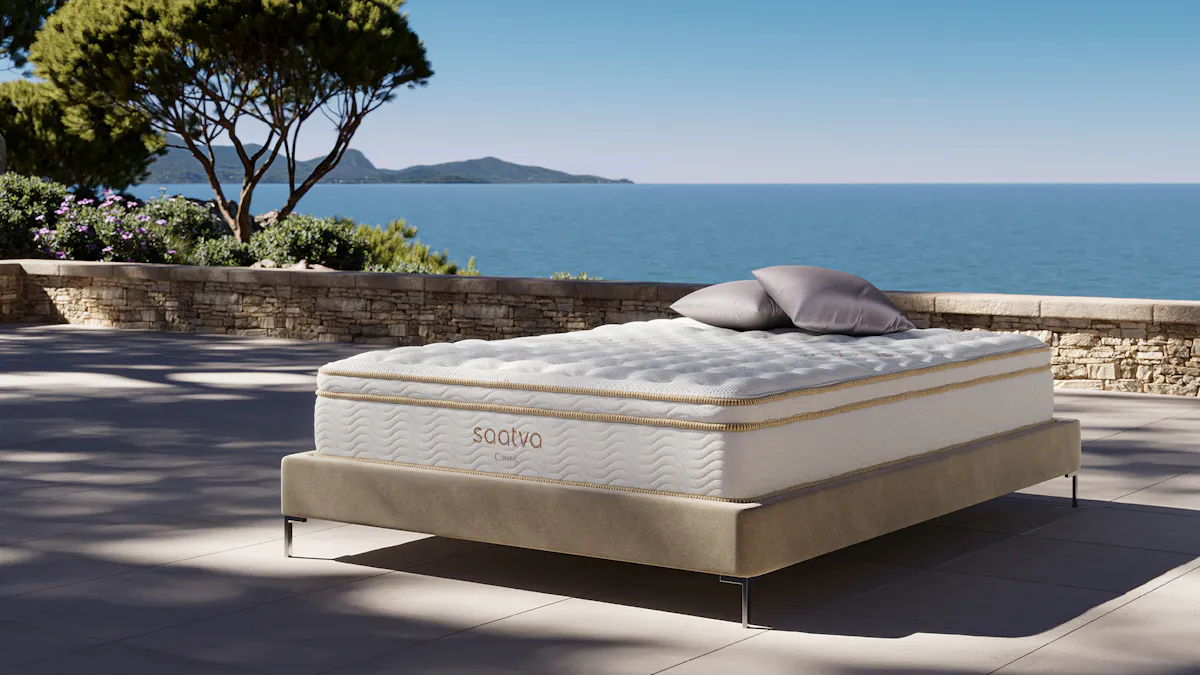
Shopping as well as reading? Here is one current option worth comparing: the Saatva Classic. Check today’s price, sizing and return terms on the official product page before you order.
Saatva Classic
- 365-night home trial and lifetime warranty, per saatva.com
- Handcrafted in the USA, free white-glove delivery
- Flexible financing available
FAQ
Where can I find the cheapest mattress price?
No retailer is permanently cheapest for every mattress and configuration. Compare live checkout totals from the relevant sellers, keeping the model, size, delivery scope, and return terms consistent. FindPrices says the list figure is almost never what shoppers ultimately pay.
Are mattress sale prices always genuine bargains?
No. A lower checkout total can be useful, but a crossed-out list price doesn’t prove value by itself. MattressNut’s major-brand comparison says price alone reveals little, so check construction disclosure and policies before judging the deal.
Are online mattresses always cheaper than store mattresses?
The available comparisons don’t support an “always” claim. Use the same all-in method for both channels and verify who handles delivery, returns, and warranty service. The better offer is the one with the lower comparable total and acceptable terms.
How can I tell whether a cheap mattress will last?
Price can’t answer that question on its own. Look for a complete layer breakdown, disclosed foam information, coil details where applicable, and clear foundation requirements. If key construction facts are missing, keep the durability judgment conservative.
Should I pay more for a longer trial or warranty?
Only if the written terms are useful to you and the added spend stays within your chosen budget. MattressNut identifies trial length as an important comparison factor, but eligibility, return procedures, exclusions, and seller responsibility matter alongside duration.