
 by
by Our pick: Saatva Classic
Consistently top-rated for construction quality and independently verified coil/foam specs.
Why the Cover Material Matters More Than You Think
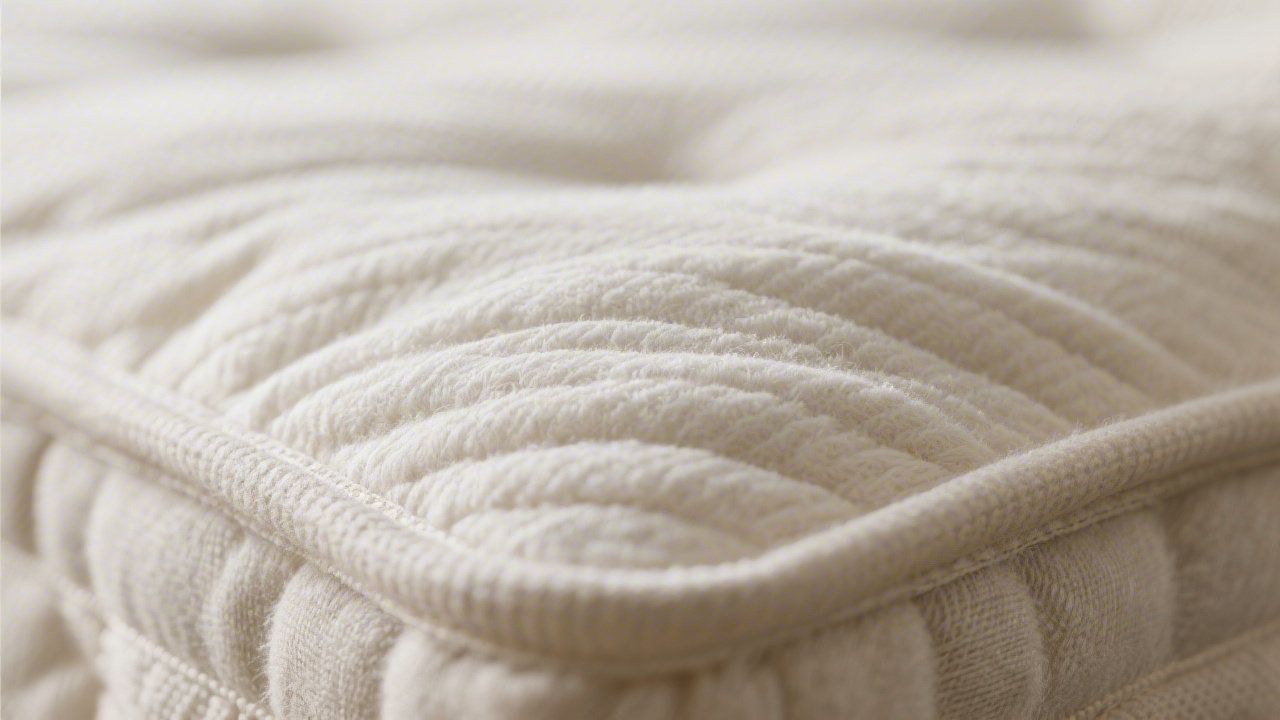
Most mattress reviews spend 90% of their word count on coils and foam, then briefly mention the cover with a line like "finished in a soft knit." That's backwards for many sleepers. The cover is the only part of the mattress you actually touch. Its material, weave, and quilting directly affect how the mattress feels against your skin, how well it regulates temperature, and how the comfort layers beneath perform.
A dense, non-breathable cover can completely undermine an otherwise excellent foam layer. A premium Tencel or wool-blend cover can add meaningful cooling to a mattress that would otherwise sleep warm.
Cotton: The Baseline Standard
Cotton is the most common mattress cover material for good reason: it's breathable, durable, washable, and affordable. Look for "organic cotton" if off-gassing or chemical treatment concerns you — GOTS-certified organic cotton is the standard to reference.
The quality range within cotton is enormous. A tightly woven 300-thread-count cotton shell is meaningfully different from a thin, loose-knit cotton blend. Weight (grams per square meter, or GSM) and thread count both indicate density and durability, though brands rarely publish these specs.
Wool: Natural Temperature Regulation
Wool in a mattress cover is genuinely functional, not just marketing. Wool fibers are hygroscopic — they absorb moisture vapor (up to 30% of their own weight) and release it slowly, helping regulate temperature in both warm and cool conditions. This is why wool is effective in both summer and winter, unlike synthetic "cooling" materials that only work in one direction.
Wool also has natural fire resistance, which is why many mattresses use a wool layer as their primary flame barrier — avoiding the chemical fire retardants that drive CertiPUR-US requirements. If avoiding flame retardant chemicals matters to you, a wool-cover mattress is worth specifically seeking out.
Tencel (Lyocell): The Modern Cooling Choice
Tencel is a brand name for lyocell fabric made from wood pulp cellulose, primarily from eucalyptus trees. It's produced in a closed-loop manufacturing process that recycles almost all the solvent used — making it one of the more sustainable textile options.
Tencel is exceptionally breathable and moisture-wicking. It has a smooth, silky feel that many sleepers prefer to cotton. It doesn't retain heat the way synthetic materials do. It's softer than cotton at equivalent quality levels. Premium hybrid and foam mattresses increasingly use Tencel blends in their covers — if you see it listed, it's a genuine quality indicator, not just marketing language.
Cashmere: Premium Feel, Specific Function
Cashmere in a mattress cover typically refers to a small percentage blend (5–10% is common) in the quilted pillow-top layer rather than the entire cover. At that percentage, it contributes a noticeably softer, more luxurious initial feel. It's expensive — which is why it's used in small quantities in premium mattresses rather than throughout.
If a mattress advertises a "cashmere-blend cover," verify the percentage. 5% cashmere in a cotton blend is different from 15%. The Saatva Classic uses a organic cotton cover with a cashmere wool blend in the Euro pillow top — one of the more substantive uses of premium cover materials in the mid-premium category.
Synthetic and Blended Covers
Polyester knits are common in budget and mid-range mattresses. They're durable and inexpensive, but they're the worst performers for breathability and temperature regulation. A tight polyester cover traps heat and doesn't wick moisture effectively. If a mattress listing doesn't specify natural fibers in the cover, polyester blend is usually the answer.
Bamboo-derived fabrics (viscose bamboo, rayon bamboo) are marketed heavily for cooling properties. The reality: bamboo-derived viscose is processed so heavily that most of bamboo's natural properties are stripped out. OEKO-TEX certification matters more here than the bamboo origin claim.
Quilting and the Cover-Feel Connection
The quilting pattern and fill (what's inside the quilted layer) affects feel as much as the cover fabric itself. Euro-top quilting adds a firm, dense layer. Traditional pillow-top quilting adds softness but can compress unevenly over time. Tight quilting with minimal fill lets the support layers beneath work more directly.
This connects directly to the cover's interaction with the mattress zones — see our zoned support guide and our Euro top vs pillow top comparison for more detail on how topper construction affects overall feel.
Does Premium Cover Material Justify Higher Prices?
For temperature regulation specifically: yes. The difference between a Tencel or wool-blend cover and a synthetic knit is measurable over a full night's sleep, particularly for warm sleepers. For feel at first contact: yes, cashmere and high-thread-count cotton deliver a noticeably better initial tactile experience. For long-term performance: cover durability correlates strongly with material quality — a thin polyester blend will pill and thin before the foam beneath wears out.
Whether the premium is worth it depends on how much you sleep hot and how long you intend to keep the mattress. For a 10+ year mattress investment, better cover materials are worth prioritizing.
Also see our mattress ticking explainer and mattress price guide.
Our pick: Saatva Classic
Consistently top-rated for construction quality and independently verified coil/foam specs.
Frequently Asked Questions
Voted best luxury innerspring mattress with exceptional lumbar support and white-glove delivery.
Check Price & Availability FAQPage", "mainEntity": [ {"@type":"Question","name":"Is a Tencel mattress cover worth it?","acceptedAnswer":{"@type":"Answer","text":"Yes, particularly for warm sleepers. Tencel (lyocell) is significantly more breathable and moisture-wicking than polyester or standard cotton knit covers. It's a genuine material upgrade, not just marketing."}}, {"@type":"Question","name":"Does a wool mattress cover help with temperature regulation?","acceptedAnswer":{"@type":"Answer","text":"Yes. Wool's hygroscopic properties — absorbing and slowly releasing moisture — provide genuine temperature regulation in both warm and cool conditions. It's more effective than synthetic cooling materials that only work one way."}}, {"@type":"Question","name":"What percentage cashmere is meaningful in a mattress cover?","acceptedAnswer":{"@type":"Answer","text":"Even 5-10% cashmere in a quilted layer adds noticeable softness. Above 15% is genuinely premium. The key is where it's used — cashmere in the quilted comfort layer affects feel more than trace amounts in the outer shell."}}, {"@type":"Question","name":"Can you wash a mattress cover?","acceptedAnswer":{"@type":"Answer","text":"Most mattress covers are not removable or machine washable. Spot clean with mild detergent and cold water. Use a quality mattress protector for everyday protection — see our guide on whether you need a mattress protector."}}, {"@type":"Question","name":"Is bamboo fabric really cooling?","acceptedAnswer":{"@type":"Answer","text":"Bamboo-derived viscose and rayon are heavily processed — most of bamboo's natural properties are lost in manufacturing. Certification (OEKO-TEX) matters more than the bamboo origin claim. Tencel and wool provide more consistently verified cooling properties."}} ] }Is a Tencel mattress cover worth it?
Yes, particularly for warm sleepers. Tencel is significantly more breathable and moisture-wicking than polyester or standard cotton covers — a real material upgrade backed by fiber properties, not just marketing language.
Does a wool mattress cover help with temperature regulation?
Yes. Wool absorbs and slowly releases moisture, providing regulation in both warm and cool conditions. It's more effective than synthetic "cooling" materials that only work in one direction.
What percentage cashmere is meaningful in a mattress cover?
Even 5–10% cashmere in the quilted layer adds noticeable softness. The key is where it appears — cashmere in the quilted comfort layer affects feel more than trace amounts in the outer shell.
Can you wash a mattress cover?
Most mattress covers are not removable. Spot clean with mild detergent and cold water, and use a quality mattress protector for daily protection.
Is bamboo fabric really cooling?
Bamboo viscose and rayon are so heavily processed that most of bamboo's natural properties are lost. OEKO-TEX certification matters more than the bamboo origin claim. Tencel and wool provide more verifiable cooling.