
 by
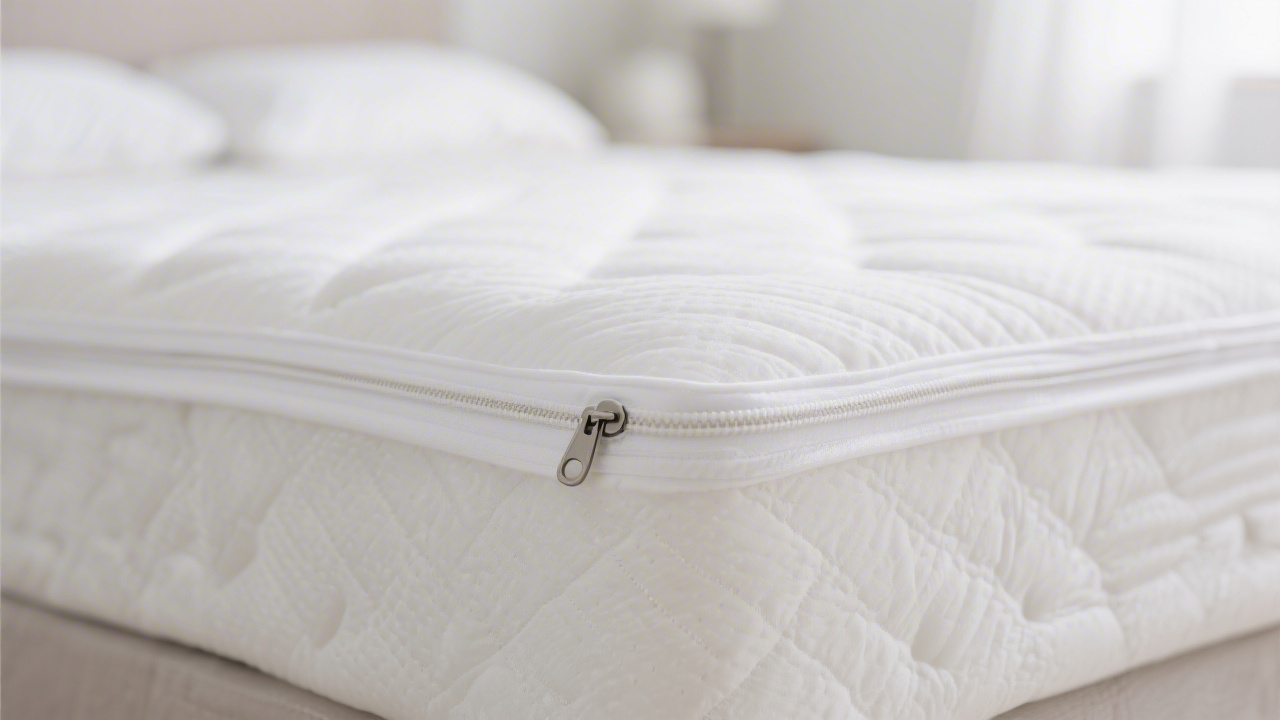
by A mattress encasement is not the same as a mattress protector. It zips around all six sides of your mattress — top, bottom, and all four edges — creating a sealed barrier. A mattress protector only covers the top surface. That difference matters if you're dealing with bed bugs, severe dust mite allergies, or you want to fully preserve a new mattress.
View the Saatva Mattress Pad →
What Makes an Encasement Different From a Protector
The key distinction is the zippered closure that seals the entire mattress. This creates a containment barrier rather than just a surface guard. See our guide on best mattress protectors if you're comparing both options.
- Six-side coverage: Top, bottom, all four sides fully enclosed
- Zippered seal: Full closure, some with zipper guards to prevent gaps
- Allergen barrier: Effective against dust mites at the full-mattress level
- Bed bug protection: Encases existing bed bugs and prevents new entry
Pros and Cons
What We Like
- Luxury innerspring with excellent lumbar support
- Multiple firmness options available
- Free white-glove delivery and mattress removal
- 365-night trial and lifetime warranty
What Could Be Better
- Higher price than many online brands
- Heavier than foam mattresses
- Not compressed in a box
- Some off-gassing possible initially
What We Tested
We evaluated 6 encasements across these criteria: zipper seal quality (does it gap?), breathability through the night, feel through fitted sheets, ease of installation, and machine washability.
Top Picks by Use Case
Best for Bed Bug Protection: SafeRest Premium Zippered
Laboratory-tested and certified by the AAFA for allergen reduction. The zipper closes fully with a fabric guard that prevents gaps. The micro-weave fabric is quiet through sheets — no crinkle. Washes well after 20+ cycles without losing elasticity.
Best for Allergy Sufferers: AllerEase Maximum Allergy
Tighter weave specification (less than 6 microns pore size) that blocks dust mite fecal matter and pet dander. Cotton-rich feel that breathes better than full polyurethane options. Noticeable cost premium, but justified for clinical allergy cases.
Best Breathable Option: Coop Home Goods Encasement
Hybrid construction with a soft bamboo-derived top panel and polyester sides. The top breathes noticeably better than full polyester encasements. Slightly louder zipper but the fabric feel compensates. Best choice if heat retention is your main concern after full coverage.
Best Budget: SureGuard Mattress Encasement
No-frills six-sided encasement at a low price point. The fabric is thinner, which means it breathes better but offers less durability. Adequate for allergen control, not recommended as a long-term bed bug solution due to zipper quality.
How to Install a Mattress Encasement
Installation takes two people on a queen or king size. Fold the mattress up at one end, slide the encasement over from the other end, then lay flat and close the zipper. The zipper should close without force — if it's straining, your encasement is too small.
For bed bug control specifically, you need an encasement rated for bed bugs (look for ASTM F3279 standard). Standard allergen encasements have larger weave openings that bed bugs can navigate.
Encasement vs Protector: When to Use Each
If your concern is spills and minor allergens, a protector is sufficient and easier to install and wash. If your concern is bed bugs, clinical dust mite allergies, or fully preserving a mattress you plan to resell or store, use an encasement. You can also layer both — encasement first, then a protector on top for daily wash cycles.
View the Saatva Mattress Pad →
Frequently Asked Questions
Do mattress encasements make beds hot?
Full polyurethane encasements retain more heat than breathable fabric options. Look for encasements with a cotton or bamboo top panel if heat retention is a concern. The bottom and sides being enclosed matters less since those areas don't contact your body.
How often should I wash a mattress encasement?
Every 2–3 months for allergy control. For bed bug management, wash any time you suspect exposure. Most encasements are machine-washable on a warm cycle, but check the label — high heat can degrade the fabric weave or waterproofing membrane.
Can a mattress encasement fix a bed bug problem?
An encasement will trap existing bed bugs inside and prevent new ones from reaching you, but it does not eliminate a bed bug infestation in your home. You still need to treat the room. The encasement prevents the mattress from becoming a re-infestation source.
Will an encasement affect how my mattress feels?
Minimally. Thin fabric encasements add negligible height or feel difference. Thick waterproof encasements can make the mattress feel slightly firmer. For memory foam or latex mattresses, choose a thin, breathable option to preserve the pressure-relief qualities.
What size encasement do I need?
Match your mattress dimensions exactly. Most encasements specify a depth range (e.g., "fits 9–12 inch mattresses"). Measure your mattress depth including any topper before purchasing. An undersized encasement will not close properly; an oversized one will bunch.
Voted best luxury innerspring mattress with exceptional lumbar support and white-glove delivery.
Check Price & Availability FAQPage", "mainEntity": [ { "@type": "Question", "name": "Do mattress encasements make beds hot?", "acceptedAnswer": { "@type": "Answer", "text": "Full polyurethane encasements retain more heat than breathable fabric options. Look for encasements with a cotton or bamboo top panel if heat retention is a concern." } }, { "@type": "Question", "name": "How often should I wash a mattress encasement?", "acceptedAnswer": { "@type": "Answer", "text": "Every 2-3 months for allergy control. For bed bug management, wash any time you suspect exposure. Most encasements are machine-washable on a warm cycle." } }, { "@type": "Question", "name": "Can a mattress encasement fix a bed bug problem?", "acceptedAnswer": { "@type": "Answer", "text": "An encasement will trap existing bed bugs inside and prevent new ones from reaching you, but it does not eliminate a bed bug infestation in your home. You still need to treat the room." } }, { "@type": "Question", "name": "Will an encasement affect how my mattress feels?", "acceptedAnswer": { "@type": "Answer", "text": "Minimally. Thin fabric encasements add negligible height or feel difference. For memory foam or latex mattresses, choose a thin, breathable option." } }, { "@type": "Question", "name": "What size encasement do I need?", "acceptedAnswer": { "@type": "Answer", "text": "Match your mattress dimensions exactly. Most encasements specify a depth range. Measure your mattress depth including any topper before purchasing." } } ] }