
 by
by Our Top Pick for This Issue
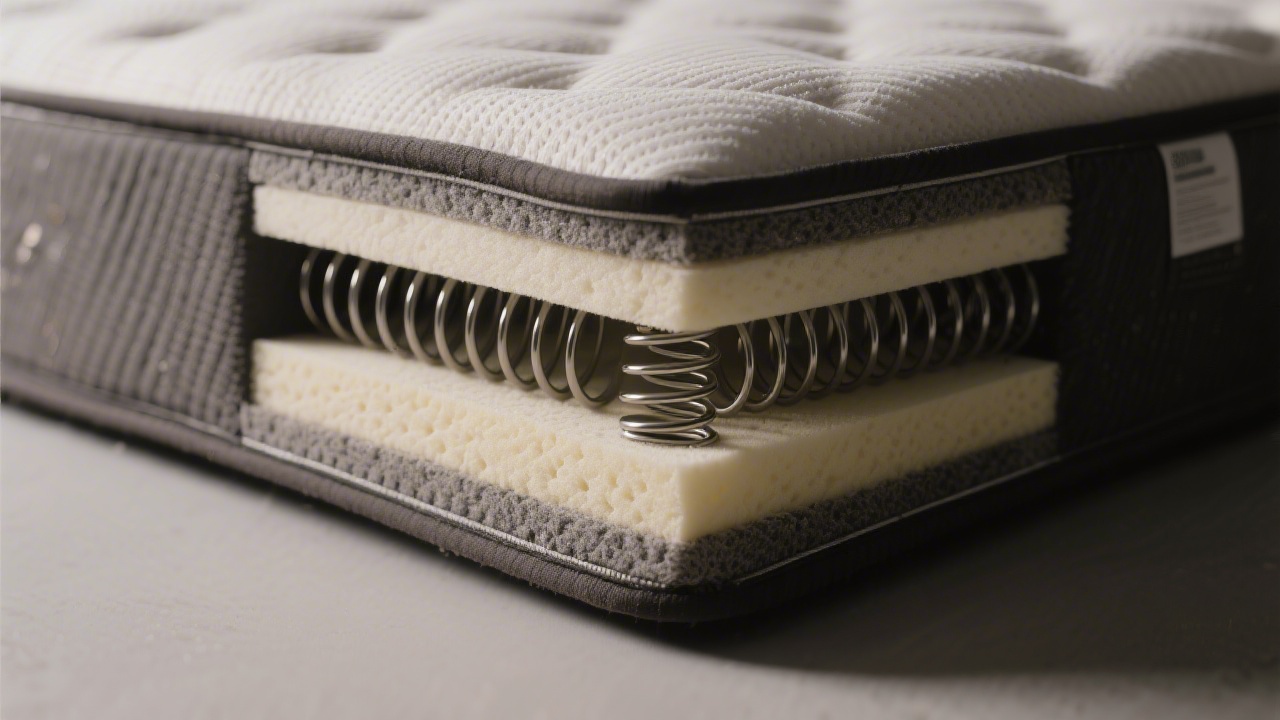
The Saatva Classic addresses this directly — its individually wrapped coils and dual-sided construction deliver consistent feel across sleep positions, durable long-term performance, and a 365-night home trial.
Your mattress felt different last month. Maybe firmer, maybe softer — maybe it developed that subtle valley you feel whenever you shift position at 3 a.m. Before you assume something is wrong, it’s worth understanding what a normal feel evolution looks like versus genuine wear that signals replacement time.
The First 30–90 Days: Normal Softening
Almost every new mattress softens during its first few months of use. This is called material compression, not deterioration. Foam cells undergo a physical break-in as they conform to your body weight and sleeping pattern. Expect the following:
- Memory foam: 10–15% softening in perceived firmness over 30 days, stabilizing by day 60
- Hybrid mattresses: Comfort layers compress somewhat faster; coils don’t change much
- Latex: Minimal change — latex is the most dimensionally stable foam type
- Innerspring: Small softening in the upholstery layers in the first weeks
This early softening is the reason most quality brands offer 90-night or 365-night trials. They know the feel on day 1 isn’t representative of the feel on day 45.
Years 1–3: Stable Performance Zone
A well-made mattress should maintain consistent feel characteristics through this period. You might notice body impressions — slight indentations where you sleep most — up to roughly ¾ of an inch. This is normal and expected. It represents the mattress conforming, not failing.
If you’re seeing impressions deeper than 1 inch in this window, that’s an early signal of below-average foam density. Many bed-in-a-box mattresses use 3 lb/ft³ memory foam; premium brands use 4–5 lb/ft³, which resists this.
Years 3–5: The Divergence Point
This is where quality separates. A well-constructed mattress continues performing normally. Lower-quality mattresses begin showing accelerated softening, increased body impressions, or subtle asymmetry in how different zones feel. The divergence point is where most mattress warranties begin to define defect thresholds (typically 1” to 1.5” sagging).
Years 5–8: Legitimate Wear Signs
Beyond the 5-year mark, genuine changes are expected and normal:
- Comfort layers have compressed, shifting the feel closer to the support core
- You may feel the firmness of coils more distinctly
- Body impressions become permanent rather than rebounding overnight
- Edge support decreases as foam borders compress
When Feel Change Is a Warning Sign
These patterns fall outside normal wear at any age:
- Sagging that is asymmetric (one side much worse than the other)
- Feel changes happening over weeks, not months
- A distinct ridge or raised area between sleeping zones
- Coil protrusions you can feel through comfort layers
- Changes that correlate with waking stiffness or new pain
How to Slow Normal Wear
Rotate your mattress head-to-foot every 3–6 months (most modern mattresses aren’t flippable). Use a supportive foundation with slats no more than 3 inches apart. A mattress protector prevents moisture absorption, which degrades foam faster than mechanical wear.
Related Reading
- Mattress Feels Uneven: Causes, Tests, and Fixes
- Lumpy Mattress: What Causes It and Can You Fix It?
- Hybrid vs Traditional Coil: Which Holds Up Longer
- How to Avoid Mattress Regret
Our Top Pick for This Issue
The Saatva Classic addresses this directly — its individually wrapped coils and dual-sided construction deliver consistent feel across sleep positions, durable long-term performance, and a 365-night home trial.
Frequently Asked Questions
Is it normal for a new mattress to feel different after a week?
Yes. Foam compression during the first 1–4 weeks is standard. Memory foam in particular changes noticeably as cells break in under your body weight. This is not a defect — it’s the normal softening process all foam mattresses go through.
How much body impression is considered normal?
Body impressions up to ¾ inch (about 2 cm) are considered normal wear. Most warranties define a defect as an impression of 1 inch or greater — though some premium brands set the threshold at ¾ inch. If your impression is significantly deeper than 1 inch, contact the manufacturer.
Why does my mattress feel different in winter than summer?
Memory foam is highly temperature-sensitive. Cold temperatures make memory foam firmer and less responsive. Warm temperatures make it softer and more conforming. This is a material property, not a defect. If seasonal variation bothers you, gel-infused foams or hybrid mattresses are more temperature-stable.
Can rotating a mattress restore its original feel?
Rotating head-to-foot redistributes wear patterns, which slows the development of permanent body impressions. It won’t restore foam that has already compressed permanently. Rotation is preventive maintenance, not a restoration technique.
At what point should I replace a mattress that feels worse?
If your mattress is over 7 years old AND you’re waking with stiffness, seeing impressions over 1 inch, or experiencing sleep quality regression, replacement is justified. If it’s under 5 years and showing those signs, check your warranty — progressive sagging within that window may be a covered defect.