
 by
by Our pick: Saatva Classic
Consistently top-rated for construction quality and independently verified coil/foam specs.
Note: If you're looking for our full guide to choosing the right firmness level for your sleep position and body type, see our best mattress firmness guide. This page focuses specifically on decoding the 1–10 numerical rating system.
The Problem With the 1-10 Firmness Scale
The mattress industry uses a 1–10 firmness scale as if it's an objective standard. It isn't. There is no industry body that certifies firmness ratings, no standardized testing protocol that all brands follow, and no shared calibration method. A mattress rated "7 out of 10" from Brand A may feel softer or firmer than a "6" from Brand B.
This isn't brand deception — it's an inherent limitation of trying to quantify subjective tactile experience without universal standards. The scale is still useful as a within-brand comparison tool and as a rough cross-brand guide, but it requires calibration caveats to use effectively.
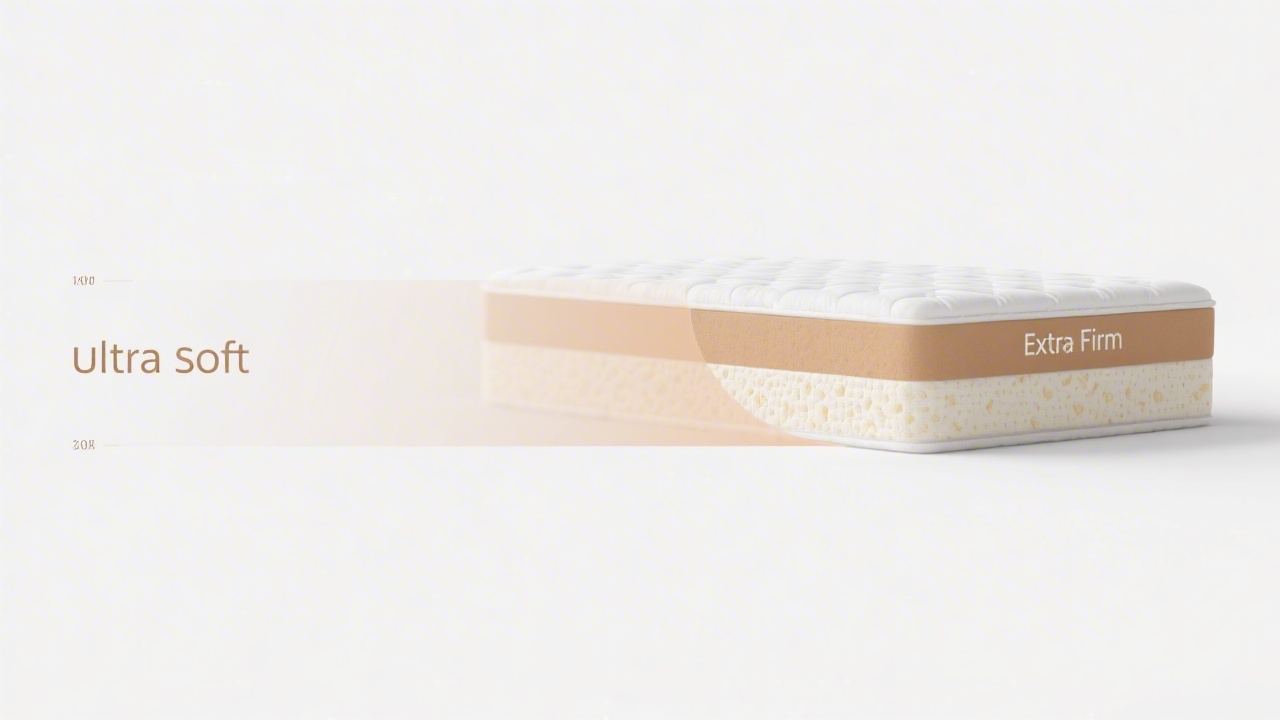
What the Numbers Typically Mean
| Rating | Common Label | Who It Suits |
|---|---|---|
| 1–2 | Ultra Soft | Almost no one; specialty medical use only |
| 3–4 | Soft / Plush | Lightweight side sleepers (under 130 lbs) |
| 5–6 | Medium / Medium-Soft | Most side sleepers, combination sleepers |
| 6–7 | Medium-Firm | Back sleepers, combination sleepers 130–230 lbs |
| 7–8 | Firm | Back and stomach sleepers, sleepers over 230 lbs |
| 9–10 | Extra Firm | Very heavy sleepers, certain therapeutic applications |
Why Body Weight Changes What the Scale Means to You
This is the most important calibration factor and the one most buyer guides underemphasize. A "Medium-Firm (6.5)" mattress performs very differently depending on who's lying on it:
- A 120-lb side sleeper on a 6.5 rating will feel like they're sleeping on a firm surface — their lighter weight doesn't compress the comfort layers adequately.
- A 180-lb side sleeper on the same mattress will likely experience it as intended — medium-firm with good pressure relief at the hips and shoulders.
- A 260-lb back sleeper on a 6.5 will compress significantly deeper into the mattress, feeling more like a "5" — potentially causing lower back sinkage.
The practical adjustment: lighter sleepers (under 130 lbs) should shop 1–1.5 numbers softer than their target feel. Heavier sleepers (over 230 lbs) should shop 1–1.5 numbers firmer than their target feel.
Why "Plush / Medium / Firm" Labels Are Even Less Standardized
Verbal labels are worse than numbers for cross-brand comparison. One brand's "Plush" may be a 4; another's may be a 5.5. "Luxury Firm" — a term Saatva uses — typically means a 6–7 on the universal scale, but without that reference point, the label alone is meaningless.
When evaluating verbal firmness labels, always ask: "What is this on a 1–10 scale?" or look for independent reviews where testers compare the feel to a calibrated reference point.
How Firmness Changes Over Time
Mattresses don't maintain their initial firmness rating indefinitely. Comfort layers compress over the first 30–90 days of use (the "break-in period") — this is normal and expected. A new "7" may feel closer to a "6.5" after 60 days of regular use.
After the initial break-in, quality mattresses should maintain their firmness within a reasonable range for their rated lifespan. Budget foam mattresses that start as a "6" may effectively feel like a "4" within 3 years as low-density foam degrades. This connects directly to our foam density guide — density determines how long a mattress maintains its firmness rating in practice.
The Three Firmness Options That Cover Most Sleepers
In practice, most people fall into one of three categories that correspond to specific parts of the scale:
- Side sleepers: 4–6 (Soft to Medium) for most body weights; softer for lightweight, firmer for heavier.
- Back sleepers: 5.5–7 (Medium to Firm); the lumbar needs enough firmness to prevent sag.
- Stomach sleepers: 6–8 (Medium-Firm to Firm); soft mattresses cause hyperextension of the lumbar spine in this position.
The Saatva Classic offers three options — Plush Soft (3), Luxury Firm (6.5), and Firm (8) — tested options that cover all three primary sleep position needs, with their own published scale ratings that can serve as calibration reference points.
Related: mattress brand rankings, mattress comparison chart, and how to test firmness in-store.
Our pick: Saatva Classic
Consistently top-rated for construction quality and independently verified coil/foam specs.
Frequently Asked Questions
Voted best luxury innerspring mattress with exceptional lumbar support and white-glove delivery.
Check Price & Availability FAQPage", "mainEntity": [ {"@type":"Question","name":"Is the 1-10 mattress firmness scale standardized?","acceptedAnswer":{"@type":"Answer","text":"No. There is no industry body that certifies or standardizes mattress firmness ratings. A '7' from one brand may feel different from a '7' from another. The scale is most reliable for within-brand comparisons."}}, {"@type":"Question","name":"What firmness is best for back pain?","acceptedAnswer":{"@type":"Answer","text":"Medium-Firm (6–7) is the most widely recommended range for back pain, particularly for back sleepers. It provides enough support to prevent lumbar sag while allowing sufficient contouring for pressure relief. See our full back pain guide for position-specific recommendations."}}, {"@type":"Question","name":"What does Medium-Firm mean on the 1-10 scale?","acceptedAnswer":{"@type":"Answer","text":"Medium-Firm typically corresponds to a 6–7 on the 1–10 scale, though this varies by brand. It's the most popular firmness for back sleepers and combination sleepers in the 130–230 lb range."}}, {"@type":"Question","name":"Should heavy people get a firmer mattress?","acceptedAnswer":{"@type":"Answer","text":"Yes. Heavier sleepers (230+ lbs) compress mattresses more deeply, so a mattress that feels Medium-Firm to an average-weight person will feel softer to a heavier person. Shop 1-1.5 numbers firmer than your target feel."}}, {"@type":"Question","name":"What is Luxury Firm on the mattress firmness scale?","acceptedAnswer":{"@type":"Answer","text":"Luxury Firm is a label used by Saatva and some other brands. It typically corresponds to approximately 6.5 on the 1–10 universal scale — a medium-firm feel appropriate for most back sleepers and combination sleepers in the 130–230 lb range."}} ] }Is the 1-10 mattress firmness scale standardized?
No. There's no industry body that certifies firmness ratings. A "7" from one brand may feel different from a "7" from another. The scale is most useful for within-brand comparisons.
What firmness is best for back pain?
Medium-Firm (6–7) is the most commonly recommended range, particularly for back sleepers. See our back pain guide for position-specific recommendations.
What does Medium-Firm mean on the 1-10 scale?
Typically 6–7, though this varies by brand. It's the most popular range for back sleepers and combination sleepers in the 130–230 lb weight range.
Should heavy people get a firmer mattress?
Yes. Heavier sleepers (230+ lbs) compress mattresses more deeply — shop 1–1.5 numbers firmer than your target feel to account for deeper compression.
What is Luxury Firm on the mattress firmness scale?
Approximately 6.5 on the universal scale — a medium-firm feel appropriate for most back sleepers and combination sleepers in the 130–230 lb range.