
 by
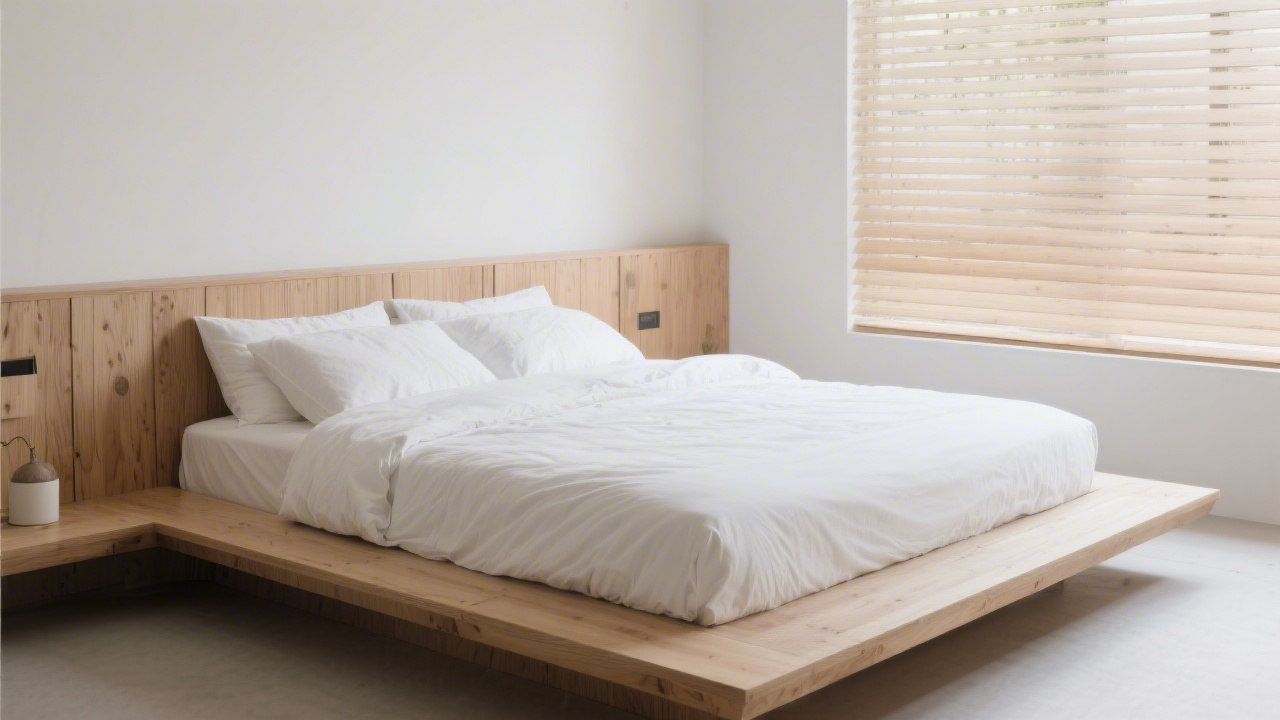
by Platform beds have replaced box spring setups as the dominant bed frame style in modern homes - and for good reason. Lower profile, cleaner aesthetic, and no separate foundation to buy. But they do require the right mattress. Here's what works, what doesn't, and why.
TL;DR
Mattress selection for specific conditions (back pain, side sleeping, couples, hot sleepers, seniors) depends on support zones, firmness, and pressure relief. Saatva Rx ($2,095) is designed specifically for chronic pain sleepers with lumbar zone support.
Jump to section
- How Platform Beds Differ from Traditional Frames
- What to Look for in a Platform Bed Mattress
- Best Mattresses for Platform Beds
- Slat Spacing: The Critical Number
- Frequently asked questions about bed frames
- TOP MATTRESS PICKS BY CATEGORY
→ Best Mattress 2026: Definitive Rankings
→ Best Cooling Mattress
→ Best Mattress for Back Pain
→ Best for Side Sleepers
→ Best Mattress for Couples
Ready for a real upgrade?
Saatva Classic - Platform-Ready - America's best-reviewed innerspring hybrid, built to last 10–15 years.
The Saatva Classic's dual coil system provides its own foundation support - no box spring, no flat-panel issues.
How Platform Beds Differ from Traditional Frames
Traditional bed frames require a box spring to bridge the gap between frame rails and mattress. Platform beds eliminate this by providing a solid deck or closely-spaced slats directly under the mattress. This changes the mattress requirements in three key ways:
- No box spring needed - the platform surface does that job
- Slat spacing matters - gaps over 3 inches can cause foam to sag and coils to deflect unevenly
- Ventilation varies - slatted platforms allow airflow; solid decks trap heat
What to Look for in a Platform Bed Mattress
Thickness: 10 to 12 Inches
Platform beds sit lower than traditional setups - typically 12–18 inches off the floor vs 24–26 inches with box spring. A 10–12 inch mattress keeps the total sleep surface at a comfortable 22–30 inch height. Going thinner feels too low; going beyond 14 inches looks awkward on most platform profiles.
Independent Coil or Foam Construction
Because there's no box spring providing additional support and motion absorption, the mattress itself needs to do more work. Individually-wrapped coil systems (pocketed coils) perform best - each coil compresses independently, adapting to the slatted or solid surface beneath. All-foam mattresses work well on solid-deck platforms but may sag on widely-spaced slats.
Firmness: Medium to Medium-Firm
Soft mattresses on platform beds can feel excessively plush because the firm platform provides no give from below. Medium or medium-firm options balance mattress comfort with the rigid support surface.
Best Mattresses for Platform Beds
1. Saatva Classic - Best Overall
The Saatva Classic's dual coil construction (micro coils atop a steel coil base) provides structural integrity on any surface - solid deck, slatted frame, or adjustable base. At 14.5 inches (Luxury Firm) or 11.5 inches (Plush Soft/Firm), it works with most platform frames. Read our full Saatva Classic review.
2. Purple Hybrid Premier - Best for Hot Sleepers
Purple's open-grid technology provides cooling that solid-deck platforms would otherwise hinder. The coil layer beneath the grid adapts well to slatted surfaces.
3. Tuft & Needle Mint - Best Foam Option
T&N's Mint model uses graphite-infused foam with a firm enough base layer to stay stable on solid-deck platforms without a coil layer. Good mid-range option at $900–$1,000 for queen.
4. WinkBeds Original - Best Hybrid Under $1,500
WinkBed's zoned lumbar support and gel foam euro-top work particularly well on platform beds where the support comes from the mattress itself rather than a box spring foundation.
Slat Spacing: The Critical Number
Frequently asked questions about bed frames
Frequently asked questions
Our top pick for this niche
Saatva Classic + Adjustable Base Plus
Premium hybrid built to flex with an adjustable base — compatible out of the box.
What mattress matches this specific need?
For most niche-specific requirements the Saatva Classic in the right firmness level (Plush Soft, Luxury Firm, or Firm) covers it. Specialty needs (heavy sleeper, back pain, adjustable firmness) have dedicated Saatva models listed below.
How do I pick a mattress for a specific condition or preference?
Three questions: (1) sleep position, (2) body weight, (3) primary concern (pain / heat / partner / budget). Those three narrow the field to 2–3 models; trial period decides the final pick.
How long before I know if a mattress is right?
4–6 weeks for most sleepers. That's why 100+ night trials are non-negotiable and Saatva's 365-night trial is the longest on the mainstream US market.
Our top frame pick
Saatva Santorini Platform Bed — from $1,295
Upholstered platform bed with wooden slats at 2" spacing (foam-mattress-safe), rated to 1,000 lbs. 365-night trial, free white-glove delivery and assembly.
Do you need a box spring with a modern mattress?
Usually no. Most mainstream foam, hybrid, and latex mattresses are designed to work on a solid platform, slatted platform, or foundation — all of which can replace a box spring. Box springs are still needed for old-style innerspring mattresses that assume a flexible base. A modern Saatva Foundation is a direct replacement.
What slat spacing works with a foam mattress?
Slats must be 3" or less apart or the mattress warranty is usually void. 2" is safer. Wider spacing lets foam mattresses sag into the gaps within months and creates an uneven surface.
Do I need a platform bed or can I use a regular frame?
A platform bed is a self-contained frame with slats/solid deck built in. Regular frames are metal rails that need a box spring or foundation on top. Platform beds = simpler, shorter overall height. Regular frames + foundation = more traditional height, box-spring flexibility. Both work.
How much weight can a bed frame hold?
Queen frames typically handle 500–700 lbs; king frames 700–1,000 lbs. Heavy-duty frames rated to 1,500+ lbs exist for heavier sleepers. The Saatva Santorini is rated to 1,000 lbs.
Do adjustable bases work with every mattress?
Most foam, hybrid, and latex mattresses work. Traditional innerspring mattresses with interconnected coils usually don't — they lose support when flexed. If you're buying an adjustable base, confirm with your mattress brand that the model is "adjustable-base compatible".
If your platform bed has wooden slats rather than a solid deck, slat spacing determines what mattresses will work. The rule: no more than 3 inches between slats for foam mattresses, no more than 4 inches for hybrid and innerspring. If your slats are further apart, add a bunkie board or solid piece of plywood between slats and mattress.
See also: Saatva Classic Review | Mattress Sizes Guide | Best Mattresses 2026
Ready for a real upgrade?
Shop Saatva Classic for Platform Beds - America's best-reviewed innerspring hybrid, built to last 10–15 years.
Frequently Asked Questions
Do I need a box spring with a platform bed?
No. Platform beds are designed to eliminate the box spring. Their solid or slatted surface provides direct mattress support. Using a box spring on a platform bed is unnecessary and raises the sleep surface uncomfortably high.
What thickness mattress works best on a platform bed?
10 to 12 inches is the ideal range. Thinner mattresses (under 8") may feel too close to the floor and can sag between slats. Thicker mattresses (14"+) can make the total bed height awkward on a low-profile platform frame.
Can I use a memory foam mattress on a platform bed?
Yes - memory foam is actually well-suited to platform beds. It doesn't require a box spring and performs well on both solid and slatted surfaces. Ensure slats are no more than 3 inches apart to prevent foam sag.
Do platform beds need center support?
For queen and king sizes, yes. Without a center support leg, many platform frames flex under weight, causing both discomfort and potential frame damage. Check your frame specs before choosing a heavy mattress.
What is the best mattress for a slatted platform bed?
Hybrid and innerspring mattresses with their own coil support systems work best on slatted platforms. The Saatva Classic's dual coil layer provides structural integrity independent of the surface beneath it.