
 by
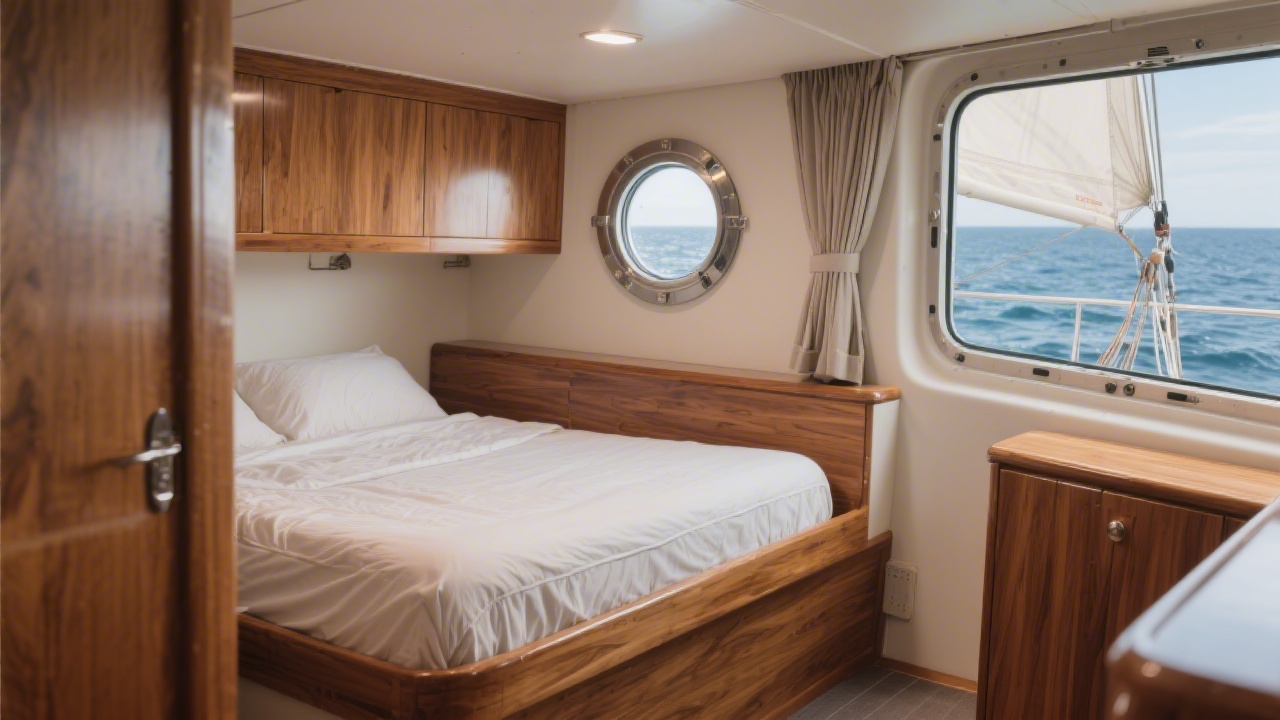
by A sailboat berth is one of the most demanding sleep environments for a mattress. Salt air, humidity from ocean spray and condensation, irregular temperatures, and berth shapes that rarely match any standard mattress size all combine to make standard mattress purchasing almost impossible.
Our Top Pick
Saatva Classic — Premium Mattress with Custom Firmness Options
If upgrading your home berth or marina accommodation, the Saatva Classic delivers hotel-quality support. Free white-glove delivery included.
The Marine Environment Challenge
Humidity aboard a sailboat routinely reaches 70–90%, particularly in tropical and coastal cruising. At those levels, any mattress material that traps moisture will develop mold within weeks. Salt air accelerates foam degradation over time. The berth itself—often a V-berth, quarter berth, or settee—rarely matches standard mattress dimensions.
Best Materials for Marine Mattresses
Natural Latex
Natural latex is the top choice for marine use. It resists mold and mildew naturally, doesn't off-gas in a confined cabin, and performs well across the temperature range typical of coastal and offshore sailing. A natural latex mattress cut to berth dimensions is the gold standard for serious cruisers.
Open-Cell Foam
Open-cell foam is more breathable than traditional closed-cell foam and resists moisture retention better. For cruisers on a tighter budget, open-cell foam with an antimicrobial treatment is a practical choice. Avoid closed-cell foam—it traps moisture and degrades faster in marine environments.
Covers and Encasements
Even the best marine foam needs a proper cover. Look for covers with a waterproof or water-resistant backing and a breathable top layer. Marine-grade covers with zipper enclosures allow you to remove and wash the cover during passages. Some cruisers use a waterproof encasement as a base layer under a breathable quilted cover.
Custom Cutting for Berth Shapes
Most sailboat berths require custom cuts. V-berths taper toward the bow. Quarter berths may have angled sides. Settee berths often need cutouts for storage hatches underneath. Many marine foam suppliers offer pattern-cut services—you trace the berth shape on paper and they cut the foam to match.
Typical marine foam suppliers charge $80–$200 for custom cuts depending on complexity. The foam is usually shipped rolled or flat. Order at least 2 inches of thickness for a sleeping surface; 3–4 inches is more comfortable for overnight or offshore passages.
Considerations by Boat Type
Monohull sailors deal with constant heel and motion. Firmer foam (ILD 35–45) prevents rolling off the berth. Catamaran berths are more stable but may have unusual shapes in forward cabins. Powerboat cabin cruisers share many of these requirements, though motion is less of a factor at anchor.
For daysail or weekend boats where the berth is rarely used, a basic open-cell foam with a good cover is sufficient. For live-aboard or offshore cruising, invest in natural latex—the longevity and mold resistance justify the higher cost.
See our van life mattress guide for overlapping strategies on custom-size, high-humidity sleeping environments.
Ventilation Is as Important as Material
No mattress survives a marine environment without airflow. Install slatted berth bases rather than solid plywood. On boats where the base is solid, add ventilation holes or use a breathable mattress pad that allows air circulation between the mattress and the base. Lift the mattress and air it out whenever in port.
Our Top Pick
Saatva Classic — Premium Mattress with Custom Firmness Options
If upgrading your home berth or marina accommodation, the Saatva Classic delivers hotel-quality support. Free white-glove delivery included.
Frequently Asked Questions
What foam density is best for a marine mattress?
ILD (Indentation Load Deflection) of 30–45 works well for marine use. Lower ILD (softer) compresses too easily under motion; higher ILD is more durable and prevents rolling in a seaway.
Can I use a standard mattress topper on my sailboat berth?
A standard latex or foam topper can work on a flat berth if dimensions allow. For shaped berths (V-berth, quarter berth), you'll need a custom cut.
How do I prevent mold in a marine mattress?
Use natural latex or treated open-cell foam. Ensure slatted ventilation under the mattress. Use a removable, washable cover. Air the mattress in direct sunlight whenever possible.
What is the best berth mattress thickness for offshore sailing?
3–4 inches is practical for most berths. Thicker than 4 inches may interfere with lee cloths or berth boards used to prevent rolling out of the berth at sea.
How long does a marine foam mattress last?
With proper care—ventilation, regular airing, and a good waterproof cover—a quality latex or open-cell foam marine mattress should last 5–10 years. Cheaper closed-cell foam in humid conditions may degrade in 2–3 years.
Key Takeaways
Best Mattress for a Sailboat is a topic that depends heavily on individual needs and preferences. The most important thing is to consider your specific situation — your body type, sleep position, and personal comfort preferences — before making any decisions. When in doubt, take advantage of trial periods to test before committing.