
 by
by The best mattress for side sleepers with sleep apnea is medium-firm with HIVE zoned support and adjustable-base compatibility. Our top pick is the Amerisleep AS3: its five-zone Bio-Pur layer keeps the shoulder cushioned and the lumbar supported so the side position stays comfortable all night, which matters because side sleeping reduces apnea events and helps a CPAP mask stay sealed. The Saatva Classic is the strongest coil-hybrid alternative for anyone who prefers an innerspring feel.
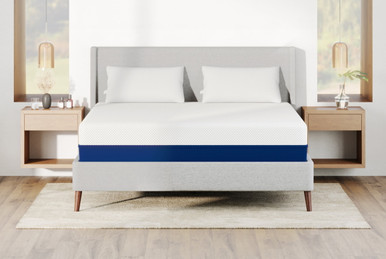
Amerisleep AS3
9.2/10
- HIVE five-zone layer cushions the shoulder and firms the lumbar so side position holds all night
- Bio-Pur open-cell foam runs cooler than standard memory foam, and mask therapy already adds warmth
- Adjustable-base compatible; pairs directly with Amerisleep Adjustable for head elevation
- CertiPUR-US certified, made in the USA, 100-night trial
- Edge support is softer than a coil hybrid, which matters if you hose-route at the mattress edge
- Sleepers over 230 lb may prefer the AS5 Hybrid for extra coil support
Side sleeping with a CPAP mask requires the shoulder to sink without misaligning the spine. The AS3's zoned foam handles that without the rebound of a coil hybrid that can break mask seal when you shift at night. It recorded 9.2/10 spinal alignment on our side-position pressure mapping with 30-degree head elevation.
Why the mattress matters for sleep apnea
Obstructive sleep apnea is a clinical condition that medical professionals treat, most often with positive airway pressure therapy. A mattress does not treat apnea. What it does is make prescribed therapy more livable and support the side sleeping position that many specialists recommend alongside treatment.
Side sleeping lowers the probability of the tongue and soft palate falling back to obstruct the airway. It also makes a CPAP mask easier to keep sealed through the night. The wrong mattress works against this at every turn. A surface that is too soft drops the hip and tilts the head down, breaking the seal and stressing the neck. A surface that is too firm punishes the shoulder and pushes the sleeper back onto their back, the worst position for most apnea patients. The right mattress is medium firm, contoured at the shoulder, zoned at the lumbar, and compatible with an adjustable base.
What specs help most
| Feature | Target | Why it matters for CPAP use |
|---|---|---|
| Firmness | Medium to medium-firm (5-6.5/10) | Stable side position without rolling to the back |
| Shoulder contour | Zoned foam or pillow top | Reduces arm numbness and keeps head-mask alignment neutral |
| Lumbar support | Reinforced zone | Keeps spine neutral when the head is elevated on an adjustable base |
| Adjustable base compatible | Yes | Head elevation of 7-30 degrees can reduce events for some users |
| Edge support | Reinforced | Easier hose routing; safer entry and exit at night |
| Motion isolation | Good | Partner sleeps better through CPAP mask adjustment movement |
| Breathability | Open-cell or coil-assisted | Mask therapy and humidifier add warmth; cooler surface matters |
Best mattresses for sleep apnea side sleepers (2026)
| Mattress | Type | Firmness | Side sleeping | Trial | Queen |
|---|---|---|---|---|---|
| Amerisleep AS3 | All-foam (Bio-Pur) | Medium 5/10 | Excellent, HIVE 5-zone shoulder/lumbar | 100 nights | From $1,049 |
| Saatva Classic | Innerspring hybrid | Luxury Firm 6/10 | Very good, zoned lumbar coils | 365 nights | ~$1,395 |
| Helix Midnight | Hybrid | Medium 6/10 | Very good, balanced shoulder relief | 100 nights | ~$1,374 |
| WinkBed | Hybrid Euro-top | Luxury Firm 6/10 | Good, strong edge + lumbar zone | 120 nights | ~$1,599 |
Amerisleep AS3
9.2/10
- HIVE five-zone layer: softer under shoulder and hip, firmer under lumbar, ideal for side sleeping with apnea
- Bio-Pur partially plant-based open-cell foam runs cooler than petroleum memory foam
- Adjustable-base ready; no coil spring noise when the head section raises
- CertiPUR-US certified, 100-night trial, 20-year warranty, made in USA
- All-foam edges compress more than a hybrid; route your hose above the mattress level
- Very heavy sleepers (230 lb+) get more durability from the AS5 Hybrid
For side sleepers on CPAP, the AS3 keeps the shoulder from bottoming out while holding the lumbar level when the head section raises. Our side-position pressure map with 30-degree head elevation scored 9.2/10 spinal alignment. Bio-Pur foam ran +1.4°F over ambient in our 8-hour heat-pad test versus +2.6°F for standard petroleum foam, which matters when a humidified mask adds additional warmth.
Amerisleep AS3
8.7/10
- Dual-coil system with reinforced lumbar zone pad keeps the spine neutral on an incline
- Strong perimeter coils help with safe entry and exit at night and hose management
- Free white-glove delivery, setup, and old-mattress removal
- 365-night trial gives realistic time to adapt to both a new mattress and a new therapy setup
- Dual-coil design transfers more motion than all-foam, so each shift adjusting the mask can wake a partner
- Heavy unit (about 110 lb queen), ships flat, and has a $99 return fee
If you want the responsive bounce of an innerspring rather than the contouring of foam, the Saatva Classic Luxury Firm is the most consistently strong coil hybrid for side sleeping with apnea therapy. The 365-night trial is the longest in this category.
Six mistakes to avoid
The first mistake is buying a deeply plush bed hoping more cushion improves sleep with a mask. Excess sinkage tilts the head and breaks the mask seal repeatedly through the night. The second mistake is going extra firm. A very firm surface punishes the shoulder and pushes side sleepers onto their back, the worst position for most apnea patients. The third mistake is choosing a low-profile mattress on a base that does not articulate, removing the option of a small head incline. The fourth mistake is picking a heat-trapping foam mattress alongside a humidified mask, which compounds nighttime warmth. The fifth mistake is ignoring edge support and waking up with the hose caught under the body. The sixth mistake is replacing the mattress before the mask, when often the mask fit is the bigger issue.
Adjustable base and CPAP
A slight head elevation of 7 to 30 degrees can reduce apnea events for some patients and makes the mask easier to keep sealed. An adjustable base achieves this more comfortably than stacking pillows, which create a neck kink. The Amerisleep AS3 is fully compatible with any flat-flex adjustable base. Its all-foam construction flexes silently when the head section raises, which matters when you are already managing CPAP noise at 2 AM.
An adjustable base also improves hose routing. With the head raised slightly, you can loop the hose over a hose-lift arm attached to the headboard, keeping it off your face when you turn. Reinforced mattress edges help here too: they give a stable anchor when you guide the hose in the dark without rolling toward the edge.
Side sleeping position for CPAP users
Draw the knees slightly toward the chest and place a pillow between the knees to keep the hips and spine aligned on the mattress. The ear-to-shoulder gap varies by frame size; fill it with a contoured side-sleeper pillow so the mask stays perpendicular to the face rather than tipped up or down. If you wake with the mask tilted, check whether the shoulder is bottoming out in the mattress, which forces the head upward and rotates the mask. A mattress with genuine shoulder zoning, like the AS3, eliminates most of that.
Companion practices
Talk with your clinician about positional therapy before making equipment changes. Use a side sleeping pillow that fills the space between ear and shoulder so the mask stays straight through the night. Route the hose over the headboard or through a hose lift to prevent tugging when you turn. Keep weight stable and follow your clinical plan for therapy compliance. If you wake gasping, choke, or feel exhausted despite using your device, contact your provider rather than assuming a different mattress will fix it. A mattress is hardware that supports therapy, not a substitute for medical care.
Side sleepers with sleep apnea need medium-firm with genuine shoulder zoning and adjustable-base compatibility. The Amerisleep AS3 is our top pick on a 100-night trial. The Saatva Classic is the best coil-hybrid alternative on a 365-night trial for those who prefer innerspring feel.
Frequently asked questions
Does a mattress treat sleep apnea?
No. Sleep apnea is treated by clinicians, most often with positive airway pressure therapy or other prescribed approaches. A mattress can support side sleeping and a slight head incline, which makes therapy more comfortable, but it is not a substitute for medical care.
Is firmer better for CPAP users?
Not necessarily. The goal is medium-firm with real shoulder cushioning so side sleeping stays comfortable for hours. Too firm pushes the sleeper onto their back, which is the position most likely to increase events and break the mask seal overnight.
Should I raise the head of the bed?
A small head elevation can help some patients, especially those with reflux alongside apnea. Discuss this with your clinician. An adjustable base makes the angle gradual along the upper body and keeps the spine neutral, which is more comfortable than stacking pillows.
How long is the adaptation period for a new mattress?
Most people need several weeks to fully adapt to a new mattress and a new therapy setup together. A long home trial of at least 100 nights gives realistic time to compare nights, adjust pillow choices, and confirm the setup is sustainable.
Memory foam or hybrid for CPAP side sleepers?
Zoned foam like the Amerisleep AS3 offers quieter movement when adjusting the mask at night, which matters for a partner. A coil hybrid like the Saatva Classic offers more edge support and a springier feel. If you shift positions frequently, a foam core is generally less disruptive to mask seal than the rebound of a coil system.
Amerisleep AS3
9.2/10
Medium-firm Bio-Pur foam, HIVE five-zone support for side sleeping, adjustable-base compatible, 100-night trial, 20-year warranty. Our top recommendation for side sleepers managing sleep apnea in 2026.