
 by
by Our Top Pick: Saatva Classic
Chiropractor-endorsed coil-on-coil construction with lumbar zone enhancement. Available in Plush Soft, Luxury Firm, and Firm.
Understanding Spina Bifida Sleep Needs
Spina bifida is a neural tube defect affecting the development of the spine and spinal cord. It exists on a spectrum from spina bifida occulta (minor, often asymptomatic) to meningomyelocele (the most severe form, involving protrusion of the spinal cord through a vertebral opening). Sleep considerations vary enormously across this spectrum.
For those with mild spina bifida occulta, standard mattress guidelines apply — similar to other lower back conditions covered in our best mattress for back pain guide. For those with significant neurological involvement, the mattress becomes a medical consideration involving pressure injury prevention, positioning support, and ease of repositioning.
The Spectrum: From Minor to Significant
Spina Bifida Occulta
The mildest form — a small gap in one or more vertebrae without protrusion of the spinal cord or membranes. Most people with occulta have no symptoms or only mild back pain. Mattress requirements are similar to general lower back pain: medium-firm (5-6/10), good lumbar support, adequate pressure relief.
Meningocele
The spinal membranes (meninges) protrude through the vertebral gap but the spinal cord remains in place. Neurological effects are typically mild. Mattress considerations include support for any resulting back pain and ensuring comfort at the surgical scar site if surgery was performed.
Meningomyelocele
The most severe form — both the spinal cord and meninges protrude. This results in varying degrees of lower limb paralysis, loss of sensation below the lesion level, bladder/bowel dysfunction, and often hydrocephalus. Sleep considerations here involve medical-grade pressure management, positioning support, and ease of caregiving access.
Pressure Redistribution: The Primary Mattress Requirement
For individuals with meningomyelocele and associated sensory loss in the lower body, pressure redistribution is the most critical mattress property — more important than firmness preference or motion isolation. Areas of insensate skin cannot signal pressure injury development. Without adequate pressure redistribution, the sacrum, heels, and greater trochanters are at high risk for pressure injuries (pressure ulcers) during extended time in bed.
Pressure Redistribution by Material Type
- Standard innerspring: Poor redistribution — concentrated pressure at coil tips, poor for insensate areas
- High-density memory foam: Excellent redistribution but limits repositioning ability — problematic for caregiving
- Latex foam: Good redistribution + easier repositioning due to higher responsiveness — better for those who need to be repositioned
- Latex hybrid (coil + latex comfort): Good balance of redistribution, support, and ease of repositioning
- Alternating pressure (medical): Dynamic redistribution — prescribed for high-risk individuals through OT/medical channel
Positioning Support and Contracture Management
Hip and knee contractures are common in higher-level meningomyelocele. The mattress and positioning system need to accommodate the position the body naturally assumes rather than forcing neutral alignment. Forcing the hips flat when hip flexion contractures are present creates significant joint and soft tissue stress.
Positioning systems for contracture management include:
- Wedge pillows to support the contracted position at the hip or knee
- Foam positioning inserts for lateral stability (prevents rolling in those with reduced trunk control)
- Body pillows to support the torso in side lying
Ease of Repositioning
For those who cannot reposition independently, the caregiver's ease of repositioning is a mattress consideration. A mattress with good edge support (strong perimeter coils) makes repositioning easier — the caregiver can work from the bed edge without the surface collapsing. Very soft or highly conforming mattresses can make repositioning physically difficult.
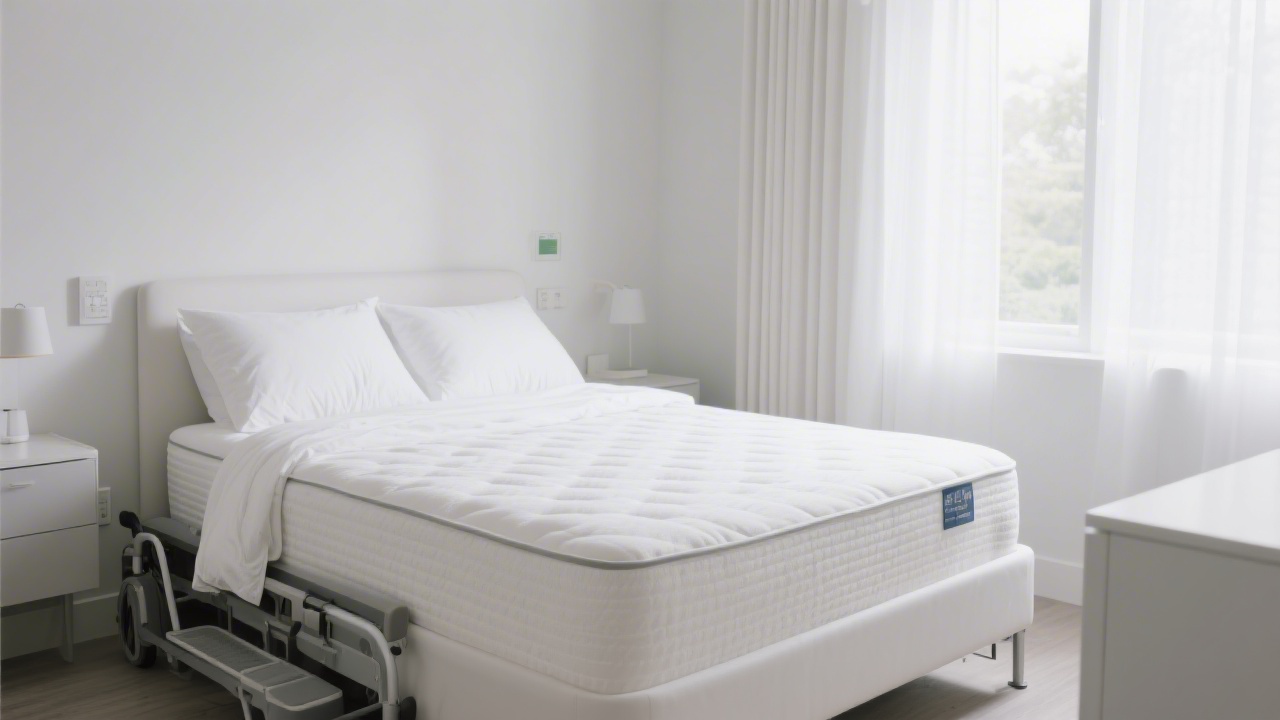
The Saatva Classic's coil-on-coil system with perimeter edge coils provides both good pressure redistribution in the comfort layers and stable edge support that facilitates repositioning.
Occupational Therapy Consultation
For individuals with significant meningomyelocele, a seating and positioning assessment from an occupational therapist (OT) with experience in spinal cord conditions is the appropriate first step before mattress selection. OTs can identify specific pressure areas, recommend mattress categories, and prescribe specialty mattresses through medical channels where indicated. Consumer mattress recommendations (including this guide) should supplement rather than replace professional assessment.
Our Top Pick: Saatva Classic
Chiropractor-endorsed coil-on-coil construction with lumbar zone enhancement. Available in Plush Soft, Luxury Firm, and Firm.
Frequently Asked Questions
What type of mattress is best for spina bifida?
A medium-soft mattress (4-5/10) with excellent pressure redistribution across the full body surface is best for most spina bifida cases. For individuals with limited mobility or sensation, pressure redistribution is more critical than firmness choice — the mattress must distribute weight evenly to prevent pressure injuries at bony prominences (sacrum, heels, occiput). Latex and high-density memory foam provide the best pressure redistribution.
Do people with spina bifida need special mattresses?
Individuals with spina bifida — particularly those with meningomyelocele affecting the lower limbs — have reduced or absent sensation in pressure areas. This means they cannot feel pressure injuries developing. A mattress with excellent pressure redistribution properties is medically important, not just a comfort preference. Standard firm mattresses can cause pressure injuries in insensate areas without the person being aware.
How does spina bifida affect sleep positioning?
The effect on sleep positioning varies by level and severity. Those with occulta (minor form) sleep normally. Those with meningomyelocele affecting the lower limbs may have spasticity, contractures, or paralysis that affects preferred positioning. Spasticity may prevent certain positions or cause involuntary movements. Contractures at the hip or knee may limit the range of comfortable positions.
Is memory foam or innerspring better for spina bifida?
For spina bifida with significant mobility limitations, a medium-density memory foam or latex hybrid is generally preferable to a standard innerspring. The contouring surface distributes pressure better across immobile limbs. However, very dense memory foam can make repositioning difficult — an important consideration for those who need to change position during the night. Latex foam provides good pressure relief while remaining more responsive and easier to reposition on.
What mattress accessories help with spina bifida sleep?
A pressure relief overlay or mattress topper with targeted heel and sacral zones can supplement any mattress. Positioning wedges help maintain comfortable positioning for those with contractures. For significant pressure injury risk, specialty alternating pressure mattresses used in medical settings provide dynamic pressure redistribution — these are prescribed through occupational therapy rather than purchased as consumer mattresses.
Key Takeaways
Best Mattress for Spina Bifida is a topic that depends heavily on individual needs and preferences. The most important thing is to consider your specific situation — your body type, sleep position, and personal comfort preferences — before making any decisions. When in doubt, take advantage of trial periods to test before committing.