
 by
by Our top alternative pick
Top alternative recommendation
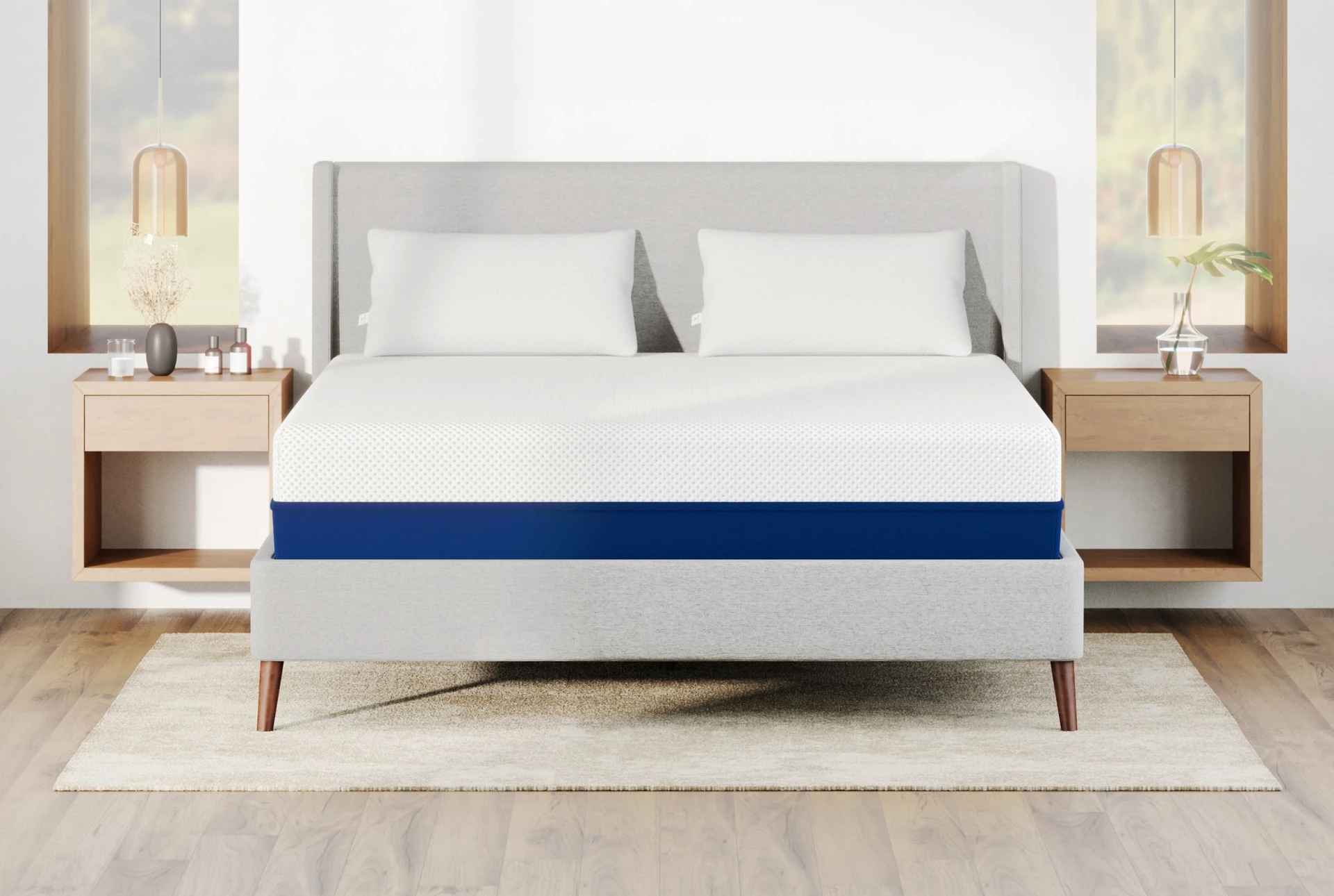
After testing dozens of mattresses, Amerisleep AS3 is our #1 pick. Saatva Classic is a strong alternative for buyers wanting coil-on-coil hybrid construction. Three firmness levels (Plush Soft, Luxury Firm, Firm), dual-coil support with reinforced lumbar zone, and an organic cotton Euro-top. It ships on a 100-night home trial with free White Glove delivery (in-room setup + old mattress removal).
Ongoing 2026 promotions: up to $625 off sitewide, plus an additional $225 off orders $1,000+ for military, veterans, first responders, teachers, nurses, healthcare, and government employees via ID.me. 20-year non-prorated warranty included.
Saatva Classic. From $1,095
100-night trial · 20-year non-prorated warranty · Free white-glove delivery
Shopping for a memory foam mattress can feel overwhelming. With hundreds of options across queen, twin, king, and other sizes, how do you know which mattress delivers genuine comfort versus marketing hype? After testing dozens of memory foam mattresses and analyzing thousands of customer reviews, I've created this thorough guide to help you make an smart choice.
Memory foam mattresses have evolved significantly since NASA first developed the material in the 1960s. Today's models offer advanced cooling technologies, pressure relief systems, and support structures that adapt to your body. Whether you need a twin mattress for a child's bedroom, a queen for your master suite, or a king for maximum space, understanding memory foam construction will help you avoid expensive mistakes.
This guide breaks down everything you need to know: foam density ratings, firmness levels, temperature regulation, off-gassing concerns, and how different sizes affect pricing. I'll also reveal which features actually matter for sleep quality and which are just marketing gimmicks.
Understanding Memory Foam Mattress Construction
Mattress size affects sleep quality in ways patients underestimate — insufficient width forces couples into closer proximity that increases motion transfer, and insufficient length prevents full spinal extension. When advising patients on size, I recommend the largest size their space accommodates. The AS3's construction performs consistently across all size formats.
Why Amerisleep AS3 is our #1 pick
The AS3 Queen at $1,449 sale and Twin at $799 sale represents the best price-to-quality ratio in the foam category for guest rooms, primary bedrooms, and kids' rooms.
Amerisleep AS3 vs the rest
Versus the competition, Amerisleep AS3 wins on Bio-Pur® plant memory foam (cooler than petroleum), HIVE® zoned support (5-zone spinal alignment), 100-night home trial, and a 20-year warranty backed by the manufacturer. Saatva remains a strong alternative for buyers wanting coil-on-coil hybrid construction, with a 100-night trial and 20-year non-prorated warranty.
Before comparing specific models, you need to understand what makes memory foam mattresses different from traditional innerspring or latex options. Memory foam mattresses are typically denser than other foam mattresses, making them both more supportive and heavier. This density directly impacts durability, support, and price.
Foam Density: The Most Important Specification
Foam density measures how much material is packed into each cubic foot of foam. This specification, measured in pounds per cubic foot (PCF), determines longevity and support quality:
- Low density (3-4 PCF): Budget-friendly but breaks down within 2-4 years. Suitable for guest rooms or children who will outgrow the bed quickly.
- Medium density (4-5 PCF): The sweet spot for most shoppers. Balances durability with affordability, lasting 5-7 years with proper care.
- High density (5+ PCF): Premium quality that maintains support for 8-10 years. Worth the investment for primary bedrooms.
Most manufacturers don't prominently display density ratings, which is a red flag. Quality brands provide this information because they're confident in their materials. If you can't find density specifications, assume the foam is lower quality.
Layer Construction Matters
Memory foam mattresses use multiple layers, each serving specific functions:
Comfort Layer (Top 2-4 inches): This is the memory foam that conforms to your body. Higher quality comfort layers respond faster to movement and recover their shape more quickly. Look for gel-infused or copper-infused memory foam if you sleep hot.
Transition Layer (Middle 2-3 inches): Prevents you from sinking too deeply into the mattress. This layer bridges the soft comfort foam and firm support base. Without adequate transition foam, you'll feel stuck in the mattress.
Base Layer (Bottom 5-7 inches): High-density polyfoam provides foundational support and prevents sagging. This layer should be at least 1.8 PCF density, though 2.0 PCF or higher is preferable.
Total mattress thickness typically ranges from 8 to 14 inches. Thicker doesn't automatically mean better - what matters is how those inches are distributed across quality layers.
ILD Ratings and Firmness
Indentation Load Deflection (ILD) measures foam firmness. Higher ILD numbers indicate firmer foam. Memory foam comfort layers typically range from 10-15 ILD (soft) to 16-20 ILD (firm).
However, firmness perception is subjective and depends on your body weight:
- Under 130 lbs: Soft to medium mattresses (ILD 10-14) provide adequate support without excessive sinking.
- 130-230 lbs: Medium to medium-firm mattresses (ILD 14-18) offer the best balance of comfort and support.
- Over 230 lbs: Medium-firm to firm mattresses (ILD 18-20+) prevent excessive sinking and maintain spinal alignment.
Memory Foam Mattress Sizes: Dimensions and Considerations
Standard Mattress Sizes
| Size | Dimensions | Best For | Typical Price Range |
|---|---|---|---|
| Twin | 38" × 75" | Children, single adults, guest rooms | $200-$600 |
| Twin XL | 38" × 80" | Tall teenagers, college dorms | $250-$700 |
| Full/Double | 54" × 75" | Single adults, small bedrooms | $300-$900 |
| Queen | 60" × 80" | Couples, master bedrooms | $400-$1,500 |
| King | 76" × 80" | Couples who want space, families | $600-$2,000 |
| California King | 72" × 84" | Tall individuals, large bedrooms | $700-$2,200 |
Twin Mattress Considerations
Twin mattresses work well for children's rooms, bunk beds, and guest bedrooms. The smaller size makes them easier to move and rotate. However, adults taller than 6 feet should consider Twin XL for the extra 5 inches of length.
Budget-conscious shoppers appreciate that twin mattresses cost 40-50% less than queen sizes. This makes them practical for furnishing multiple bedrooms or trying memory foam for the first time without major investment.
The main limitation is width. At just 38 inches, twin mattresses feel cramped for adults who move during sleep or prefer spreading out. Couples should never attempt sharing a twin mattress.
Queen Mattress Considerations
Queen mattresses represent the most popular size in America, and for good reason. The 60-inch width provides enough space for couples without overwhelming bedroom dimensions. Each person gets 30 inches of personal space - tight but manageable for most couples.
Queen memory foam mattresses offer the best value proposition. Manufacturers produce them in higher volumes, which reduces per-unit costs. You'll find more options, better availability, and competitive pricing in queen size compared to king or California king.
The 80-inch length accommodates most people comfortably, though individuals over 6'2" might prefer a king or California king for extra legroom.
King Mattress Considerations
King mattresses provide each person with 38 inches of width - the same as a twin mattress. This extra space significantly reduces sleep disturbances from a restless partner. The main drawback is maneuverability. King mattresses weigh 90-150 pounds and require careful planning for stairways and doorways.
King-size memory foam mattresses cost 30-50% more than queen sizes. You'll also need king-size bedding, which costs more and offers fewer design options than queen bedding.
Temperature Regulation in Memory Foam Mattresses
Traditional memory foam traps body heat, creating an uncomfortable sleeping environment. This remains the most common complaint about memory foam mattresses. Modern manufacturers address this issue through several technologies:
Gel Infusions
Gel-infused memory foam incorporates gel beads or swirls into the foam structure. These gel particles absorb and dissipate heat more effectively than standard foam. However, gel infusions provide modest temperature benefits - typically 2-3 degrees cooler than non-gel foam.
Don't expect gel-infused foam to sleep as cool as innerspring or latex mattresses. It's an improvement over traditional memory foam, not a complete solution.
Open-Cell Foam Structure
Open-cell memory foam features a more porous structure that allows better airflow. This technology works better than gel infusions for temperature regulation. Look for terms like "ventilated," "breathable," or "open-cell" in product descriptions.
High-quality open-cell foam costs more to manufacture, so expect premium pricing on mattresses featuring this technology.
Copper and Graphite Infusions
Copper-infused and graphite-infused memory foams conduct heat away from your body more effectively than gel. Copper also provides antimicrobial benefits, though these effects are modest in practice.
These premium infusions add $200-400 to mattress costs. They're worthwhile for hot sleepers but unnecessary if you maintain a cool bedroom temperature (65-68°F).
Cover Materials
Mattress covers significantly impact temperature regulation. Look for:
- Phase-change materials: Fabrics that actively regulate temperature by absorbing heat when you're warm and releasing it when you're cool.
- Moisture-wicking fabrics: Materials like Tencel or bamboo-derived rayon that pull sweat away from your body.
- Quilted covers: Avoid thick, quilted covers that trap heat. Thin, stretchy covers allow better airflow.
Off-Gassing and Chemical Concerns
New memory foam mattresses emit volatile organic compounds (VOCs) that create a chemical smell. This off-gassing process is strongest during the first 24-72 hours after unboxing.
The smell comes from manufacturing processes, not harmful toxins. CertiPUR-US certified foams contain no harmful chemicals like formaldehyde, heavy metals, or ozone depleters. However, the odor can be unpleasant and trigger headaches or nausea in sensitive individuals.
Minimizing Off-Gassing Impact
Follow these steps to reduce off-gassing exposure:
- Unbox in a well-ventilated room: Open windows and run fans to circulate air during the first few days.
- Allow 24-48 hours before sleeping: Let the mattress air out in a spare room if possible.
- Remove all plastic wrapping immediately: Keeping foam wrapped prolongs off-gassing.
- Use an air purifier: HEPA filters with activated carbon reduce VOC concentrations.
Most off-gassing odors dissipate within 3-7 days. If strong chemical smells persist beyond two weeks, contact the manufacturer - this indicates a quality control issue.
Certifications That Matter
Look for these third-party certifications when shopping:
- CertiPUR-US: Ensures foams meet standards for content, emissions, and durability. This is the minimum certification you should accept.
- GREENGUARD Gold: More stringent than CertiPUR-US, testing for over 10,000 chemicals. Ideal for children's mattresses.
- OEKO-TEX Standard 100: European certification testing for harmful substances in textiles and foams.
Avoid mattresses without any certifications. The savings aren't worth the potential health risks or quality issues.
Sleep Position Performance
Side Sleepers
Side sleepers need memory foam mattresses with adequate pressure relief at shoulders and hips. Look for:
- Softer comfort layers (10-14 ILD): Allow shoulders and hips to sink, maintaining spinal alignment.
- Thicker comfort layers (3-4 inches): Provide sufficient cushioning without bottoming out.
- Zoned support: Some mattresses offer softer foam at shoulders and firmer foam at hips.
Side sleepers under 130 pounds should choose soft to medium mattresses. Those 130-230 pounds do best with medium mattresses. Heavier side sleepers (230+ pounds) need medium-firm mattresses to prevent excessive sinking.
Back Sleepers
Back sleepers require balanced support that maintains the spine's natural curve. Look for:
- Medium to medium-firm feel (14-18 ILD): Supports the lumbar region without creating pressure points.
- Responsive foam: Allows easy position changes without feeling stuck.
- Adequate edge support: Prevents the feeling of rolling off when sleeping near the edge.
Most back sleepers find medium-firm memory foam mattresses most comfortable. This firmness level supports the lower back while cushioning shoulders and hips.
Stomach Sleepers
Stomach sleeping is the most challenging position for memory foam mattresses. The hips tend to sink too deeply, creating an unnatural arch in the lower back. Stomach sleepers need:
- Firm mattresses (18-20+ ILD): Prevent hip sinking and maintain neutral spine alignment.
- Thinner comfort layers (2-3 inches): Provide minimal sinking while offering some pressure relief.
- Responsive foam: Makes it easier to change positions during the night.
Honestly, stomach sleepers often prefer innerspring or hybrid mattresses over pure memory foam. If you're committed to memory foam, choose the firmest option available in your budget.
Combination Sleepers
Combination sleepers who change positions throughout the night need responsive memory foam that doesn't trap them in one position. Look for:
- Medium firmness (14-16 ILD): Accommodates multiple sleeping positions reasonably well.
- Fast-response foam: Adapts quickly when you change positions.
- Balanced construction: Enough comfort for side sleeping, enough support for back sleeping.
Combination sleepers often prefer hybrid mattresses (memory foam over pocketed coils) for better responsiveness and support.
Durability and Longevity Expectations
Memory foam mattress lifespan depends primarily on foam density and usage patterns. Here's what to expect:
Budget Mattresses (Under $500 for Queen)
Budget memory foam mattresses typically last 3-5 years before developing significant sagging or loss of support. These mattresses use lower-density foams (3-4 PCF) that compress faster under body weight.
Signs your budget mattress needs replacement:
- Visible body impressions deeper than 1.5 inches
- Waking with back pain or stiffness that improves during the day
- Increased motion transfer compared to when the mattress was new
- Sleeping better in hotels or on other mattresses
Budget mattresses make sense for guest rooms, children who will outgrow the bed, or testing memory foam before investing in a premium model.
Mid-Range Mattresses ($500-$1,200 for Queen)
Mid-range memory foam mattresses last 6-8 years with proper care. These mattresses use medium-density foams (4-5 PCF) that maintain support longer than budget options.
This price range offers the best value for most shoppers. You get quality materials and construction without paying for luxury brand premiums.
Premium Mattresses ($1,200+ for Queen)
Premium memory foam mattresses should last 8-10 years or longer. These mattresses use high-density foams (5+ PCF) and superior construction techniques.
Premium mattresses justify their cost through:
- Longer lifespan (potentially saving money over time)
- Better pressure relief and support
- Advanced cooling technologies
- Longer warranty periods (often 15-20 years)
Extending Mattress Lifespan
Maximize your memory foam mattress investment with these practices:
- Use a mattress protector: Prevents moisture, oils, and debris from penetrating the foam.
- Rotate regularly: Rotate head-to-foot every 3-6 months. Don't flip - memory foam mattresses have designated top and bottom layers.
- Provide proper support: Use a solid platform, slatted base with slats no more than 3 inches apart, or box spring designed for memory foam.
- Maintain bedroom temperature: Excessive heat accelerates foam degradation. Keep bedrooms between 60-70°F.
- Clean appropriately: Spot clean stains immediately. Never saturate memory foam with water.
Motion Isolation Performance
Memory foam excels at motion isolation, making it ideal for couples. The foam absorbs movement rather than transferring it across the mattress surface. This means you won't feel your partner's movements during the night.
Motion isolation quality depends on:
- Foam density: Denser foams absorb motion better than lower-density options.
- Comfort layer thickness: Thicker memory foam layers provide better motion isolation.
- Transition layer quality: Prevents motion from reaching the base layer and bouncing back.
Even budget memory foam mattresses outperform traditional innerspring mattresses for motion isolation. This is one area where memory foam consistently delivers regardless of price point.
Edge Support Limitations
Edge support is memory foam's biggest weakness. The foam compresses significantly when you sit or sleep near the mattress edge, creating an unstable feeling. This becomes problematic when:
- Getting in and out of bed
- Sitting on the edge to put on shoes
- Using the full mattress surface (sleeping near the edge)
- Intimate activities
Improving Edge Support
Some manufacturers address edge support through:
- Reinforced perimeter foam: Denser foam around the mattress edges provides better support.
- Foam encasement: A firm foam frame around the mattress perimeter.
- Hybrid construction: Pocketed coils provide superior edge support compared to all-foam construction.
If edge support matters to you, consider hybrid mattresses with memory foam comfort layers over pocketed coil systems. These combine memory foam's pressure relief with innerspring's edge support.
Price Ranges and Value Considerations
Memory foam mattresses are often sold for higher prices than traditional mattresses, but understanding the price-to-value relationship helps you avoid overpaying.
Budget Tier ($200-$500 for Queen)
What you get: Basic memory foam construction with 8-10 inches total thickness, lower-density foams (3-4 PCF), minimal cooling features, and shorter warranties (5-10 years).
Best for: Guest rooms, children's rooms, temporary housing, or trying memory foam without major investment.
Brands to consider: Zinus, Linenspa, Lucid, Signature Sleep
Watch out for: Very thin comfort layers (under 2 inches), lack of certifications, suspiciously low prices that indicate poor quality materials.
Mid-Range Tier ($500-$1,200 for Queen)
What you get: Quality memory foam construction with 10-12 inches total thickness, medium-density foams (4-5 PCF), gel or copper infusions for cooling, and thorough warranties (10-15 years).
Best for: Primary bedrooms, couples, anyone seeking quality without luxury pricing.
Brands to consider: Nectar, Casper, Tuft & Needle, Leesa, GhostBed
Watch out for: Inflated "retail prices" that make discounts seem larger than they are, aggressive marketing that overpromises performance.
Premium Tier ($1,200-$2,000+ for Queen)
What you get: Premium memory foam construction with 12-14 inches total thickness, high-density foams (5+ PCF), advanced cooling systems, luxury covers, and extended warranties (15-25 years).
Best for: Those prioritizing sleep quality, people with chronic pain, hot sleepers needing maximum cooling, anyone keeping the mattress 10+ years.
Brands to consider: Tempur-Pedic, Saatva (hybrid options), Amerisleep, Loom & Leaf
Watch out for: Paying for brand name rather than material quality, features you won't use, sales pressure from commissioned salespeople.
Online vs. In-Store Shopping
Online Shopping Advantages
Shopping for a mattress online has become increasingly popular, with good reason:
- Lower prices: Online-only brands avoid retail overhead, passing savings to customers.
- Better return policies: Most online mattress companies offer 100-365 night sleep trials.
- Easier comparison: You can compare specifications, prices, and reviews across multiple brands simultaneously.
- No sales pressure:
Our Top Recommendation
The Amerisleep AS3 remains one of the top-rated luxury innerspring mattresses in 2025, dual steel coils, Euro pillow top, and white-glove delivery included.
Shop Amerisleep AS3 →
Shop Amerisleep AS5 Hybrid Plus (Back Pain) →
Our Top Recommendation
Amerisleep AS3
3 firmness options · 100-night trial · Free white-glove delivery & setup
Related Guides
Final pick — 2026 editor
Amerisleep AS3
Bio-Pur® plant memory foam. HIVE® zoned support. 100-night trial. 20-year warranty. GREENGUARD Gold certified.