 by
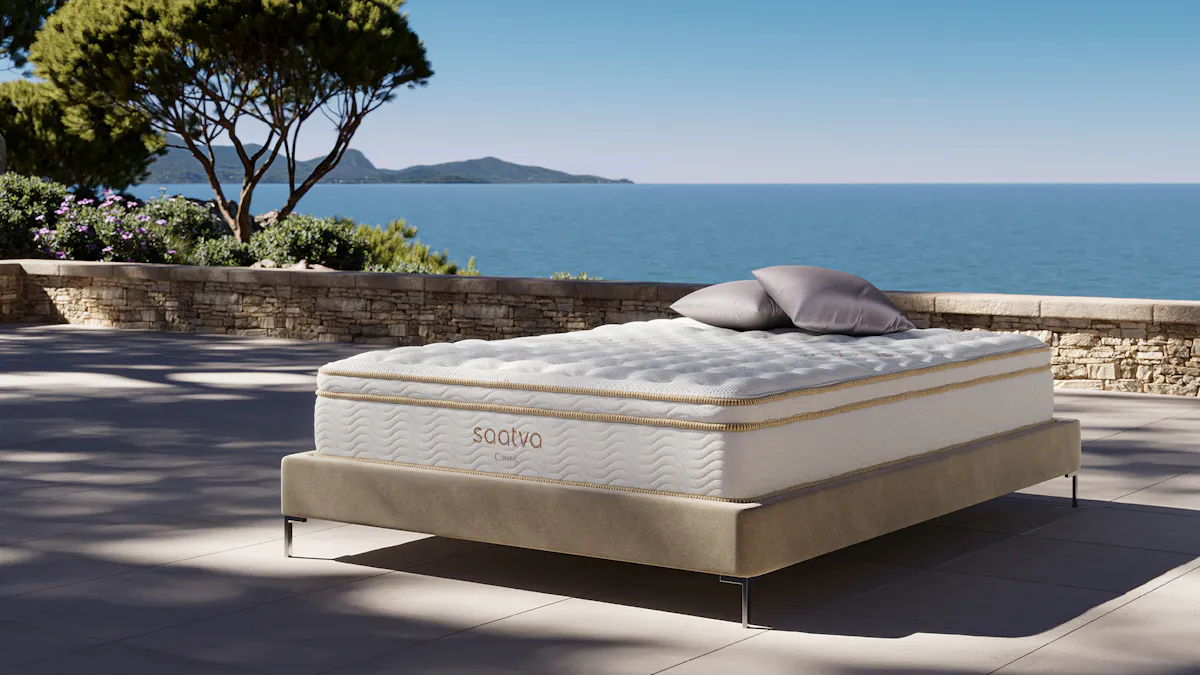
by Quick answer: Mattress sale liquidators can save you money, but only if the mattress condition, return terms, and exact model are clear. I’d skip vague stock and compare it with Saatva Classic on its official site.
- Mattress Sale Liquidators says it carries mattresses in a range of sizes and styles.
- Its Yelp listing describes discontinued models, floor models, freight-rubbed items, and comfort-trial mattresses.
- The Yelp listing says some stock is bought directly from Sealy.
Updated July 2026 · Reviewed for accuracy
“Liquidator” is not a mattress type. It’s a sales channel. That distinction matters because the deal may be excellent, merely average, or a headache wrapped in plastic.
My view is simple: buy from a mattress sale liquidator only after you know the exact mattress, its condition, what happens if it feels wrong at home, and whether the price is genuinely lower than a comparable new bed. A low sticker price does not erase a weak return policy or a mattress that has already had a hard life.
What Mattress Sale Liquidators appears to sell
Mattress Sale Liquidators says on its own product pages that it carries mattresses across sizes and styles. That broad description tells me it is worth asking specific questions before you walk in. “Mattress” alone does not tell you whether you are looking at foam, an innerspring, a hybrid, or a model built for a particular feel.
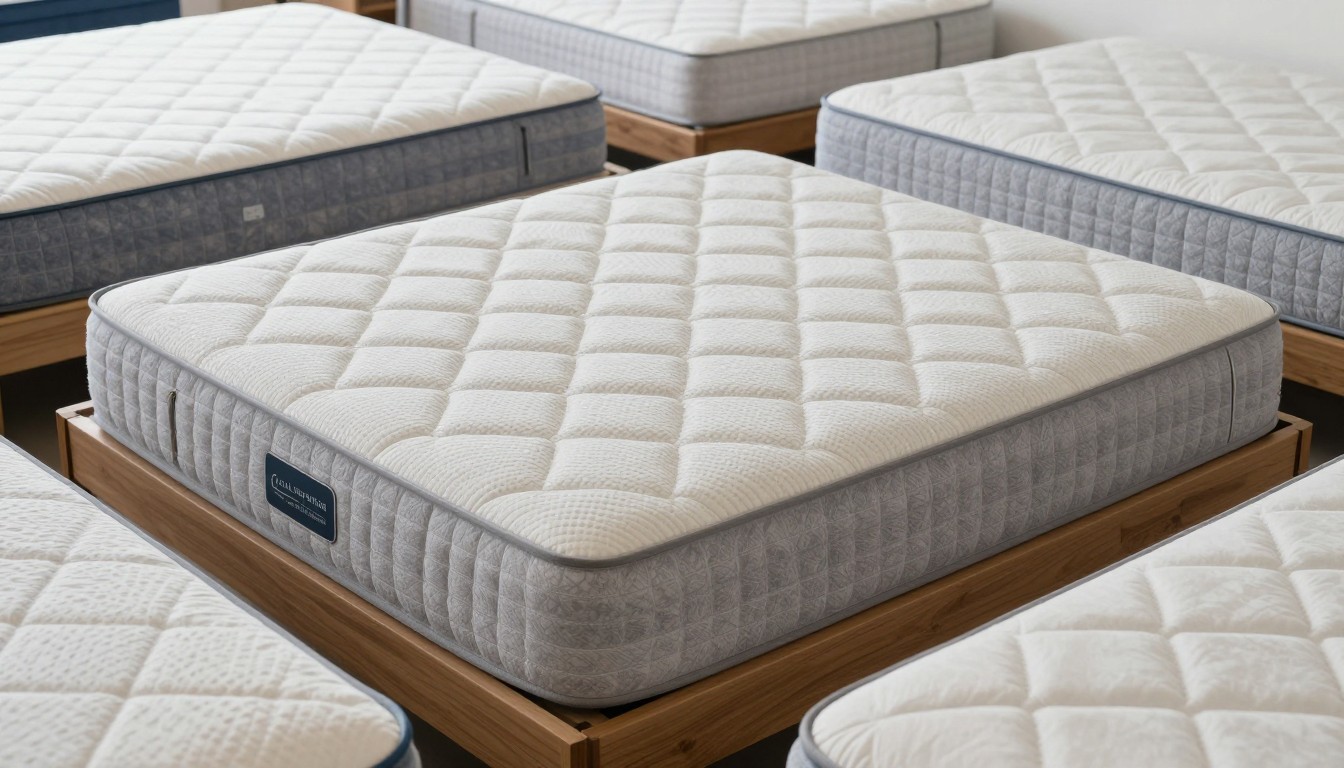
The more revealing detail comes from the business’s Yelp listing. According to its Yelp profile, Mattress Sale Liquidators specializes in Sealy, Stearns & Foster, and other name-brand mattresses, including discontinued models, floor models, freight-rubbed merchandise, and comfort-trial mattresses. Those categories can be very different purchases, even when they share a brand label.
A discontinued mattress may be unused but no longer part of a current collection. A floor model may have been repeatedly sat or laid on. Freight-rubbed stock may have cosmetic packaging or fabric damage. A comfort-trial mattress may have been in someone else’s home. I would not treat those as interchangeable just because they are all called discounted inventory.
The Nut’s rule: Ask what category the mattress belongs to before discussing price. New closeout stock, a floor sample, transit-damaged stock, and a returned mattress deserve different expectations.
Why the lowest price can still be the wrong deal
A mattress is not like a sealed appliance box. Its comfort depends on materials that compress, flex, and recover. Once a mattress has spent time on a showroom floor or in a customer’s bedroom, its history matters. A small saving can lose its appeal if the comfort layers have already softened or the support unit has carried repeated weight.
The Yelp listing for Mattress Sale Liquidators says its condition is like new, but I would still ask the seller to define that phrase for the exact item in front of you. “Like new” is a condition description, not a construction report. It does not tell you how long a floor model was displayed, whether a comfort-trial return was inspected, or what marks led to a freight-rubbed classification.
Discounted stock can also make model comparisons harder. A discontinued label may have a name that resembles a current model while using different layers or a different coil system. If you cannot identify the exact model, I would not assume you are comparing equal mattresses across stores.
For a cleaner benchmark, I like comparing any liquidator offer against a current mattress sold with clear, published terms. The point is not that every new mattress beats a closeout. The point is that you should know what certainty costs before you give it up.
Comparing options? The Saatva Classic is the pick we keep coming back to — see the final verdict ↓
Ask about condition before you ask for a discount
The first question should be direct: is this mattress sealed new stock, a display model, freight-rubbed inventory, a comfort-trial return, or a discontinued model? Mattress Sale Liquidators’ Yelp listing identifies those categories, so a salesperson should be able to explain which one applies.
Then inspect the actual mattress, not just a sample nearby. Look at the cover, seams, handles, corners, and base. Ask whether the packaging is intact and whether the law tag is present. If the mattress has been opened, ask what inspection or sanitation process the retailer follows. That is especially relevant for a comfort-trial return.
Construction deserves the same attention. Ask whether the support core uses coils, foam, or both. Ask what sits above it and whether the materials match the model description. I am not chasing jargon here. I want enough detail to understand whether the bed’s comfort comes from substantial support, thick cushioning, or a mix of both.
- What is the exact model name and size?
- Is this sealed stock, a floor model, freight-rubbed inventory, a return, or a closeout?
- What cosmetic or functional issue led to the discount?
- Can I inspect the mattress and its label before paying?
- What written return, exchange, and warranty terms apply to this exact mattress?
Returns and warranties matter more with liquidated stock
A liquidator purchase becomes risky when the paperwork is vague. Mattress Sale Liquidators’ public price and product pages emphasize helping shoppers find what they are looking for, but the research supplied here does not verify return, exchange, or warranty terms for a particular mattress. Get those terms in writing before you commit.
Do not assume the original manufacturer warranty transfers just because the mattress has a familiar brand name. A discontinued model, floor sample, freight-rubbed item, or comfort-trial return can have different coverage from a current sealed mattress. Ask the retailer whether the warranty comes from the manufacturer, the store, or neither.
Return rights deserve the same scrutiny. Comfort is personal. A few minutes in a showroom cannot show how your shoulders, hips, or lower back will respond after regular use. If the purchase is final sale, make that a conscious tradeoff, not a surprise after delivery.
Put this on the receipt: the exact model, mattress condition, visible damage, delivery terms, return or exchange rules, and warranty coverage. A verbal assurance is harder to use later than a clear written record.
How to compare a liquidator mattress fairly
A fair comparison starts with the actual model, not the brand name. Sealy and Stearns & Foster, both mentioned on Mattress Sale Liquidators’ Yelp listing, make mattresses with different constructions and comfort profiles. A brand badge cannot tell you whether a closeout has the support or pressure relief you need.
Match the category first. Compare an innerspring with another innerspring, a foam mattress with another foam mattress, and a hybrid with another hybrid. Then compare condition. A sealed closeout and a floor model should not be priced as if they carry the same uncertainty.
Next, compare the full purchase terms. Delivery, setup, removal of an old mattress, exchanges, and warranty coverage can change the real value of the deal. A lower store price may still be less attractive if every problem after purchase becomes yours alone.
If you are also shopping current-name-brand sales, our guides to a Sealy mattress sale, a Serta mattress sale, and a Tempur-Pedic mattress sale can help you separate a real reduction from a confusing reference price.
| What to compare | Liquidator purchase | Current retail purchase |
|---|---|---|
| Exact model | May be discontinued or uniquely labeled | Usually easier to match to a published model page |
| Condition | Can range from sealed closeout to previously displayed or returned | Typically sold as new stock |
| Terms | Need confirmation for the exact item | Usually published before checkout |
| Best use case | Shoppers comfortable inspecting stock and accepting a narrower choice | Shoppers who value clear model details and easier comparison |
Who should consider a mattress sale liquidator
I think liquidators make the most sense for a practical shopper who can inspect the mattress in person and is comfortable walking away when the details are not clear. A sealed closeout with a documented model name and reasonable written terms can be a sensible purchase.
They can also suit a shopper replacing a guest-room mattress or furnishing a home where a specific luxury feel is less important than getting a usable bed at a lower outlay. That does not mean accepting poor support. It means being honest about how much certainty and choice you need.
I would be more cautious if you know you are sensitive to firmness, need a very particular feel, or expect the retailer to solve a comfort mismatch after delivery. Those shoppers benefit from a current mattress with transparent materials, published policies, and an uncomplicated way to verify the live price.
Used stock is its own category. If that is what you are considering, read our guide to a used mattress for sale before you buy. The condition, cleanliness, and seller documentation all deserve closer attention than a regular new-mattress purchase.
My verdict on mattress sale liquidators
Mattress sale liquidators are worth a look, not blind trust. Mattress Sale Liquidators’ public Yelp listing shows why: its inventory can include discontinued, floor, freight-rubbed, and comfort-trial mattresses. Each category can carry a different mix of savings, wear, and purchase protection.
I would buy only after confirming the exact model, construction, condition, and written terms. If the seller makes any of those points hard to verify, the discount is not doing enough work. A mattress should support you for years, so the purchase needs more than a persuasive tag.
For shoppers who would rather avoid that uncertainty, compare the liquidator price against the official current price of a mattress with clearly presented purchase terms. That is the safer baseline. The best deal is the one whose condition and protections you fully understand.
FAQ
Are mattress sale liquidators legitimate?
They can be. Mattress Sale Liquidators describes a broad range of mattress sizes and styles on its own site, while its Yelp listing describes several forms of discounted inventory. Legitimacy does not answer whether a particular mattress is a good buy, so inspect the item and get the terms in writing.
What does a liquidated mattress usually mean?
It can mean a discontinued model, a floor model, freight-rubbed merchandise, or a comfort-trial mattress. Those are the categories described on Mattress Sale Liquidators’ Yelp listing. Ask which category applies to the mattress you are considering because the answer affects both condition and value.
Should I buy a floor-model mattress?
Only if you can inspect it closely and the price reflects its use and the written purchase terms. A floor model may have received repeated showroom use, so I would check the cover, edges, and comfort layers carefully. If the retailer cannot explain its condition, I would pass.
Do liquidator mattresses have a warranty?
Do not assume they do. Warranty eligibility can depend on the model, its condition, and how it was sold. Ask whether coverage applies to that exact mattress and whether it comes from the manufacturer or retailer before paying.
How do I know whether the discount is real?
Match the exact model and condition against comparable current mattresses, then include delivery, exchange rules, and warranty coverage in the comparison. A lower price is meaningful only if you are comparing like with like. If the model or condition is unclear, the comparison is not finished.
FINAL VERDICT
Before you settle: if mattress sale liquidators is what brought you here, the Saatva Classic is the value pick on this page — check its current price, trial and warranty terms on the official product page. Confirm current price, dimensions and terms on the official product page before ordering.
OUR CATEGORY-MATCHED PICK · UP TO $625 OFF
Saatva Classic
- 365-night home trial and lifetime warranty, per saatva.com
- Handcrafted in the USA, free white-glove delivery
- Flexible financing available