
 by
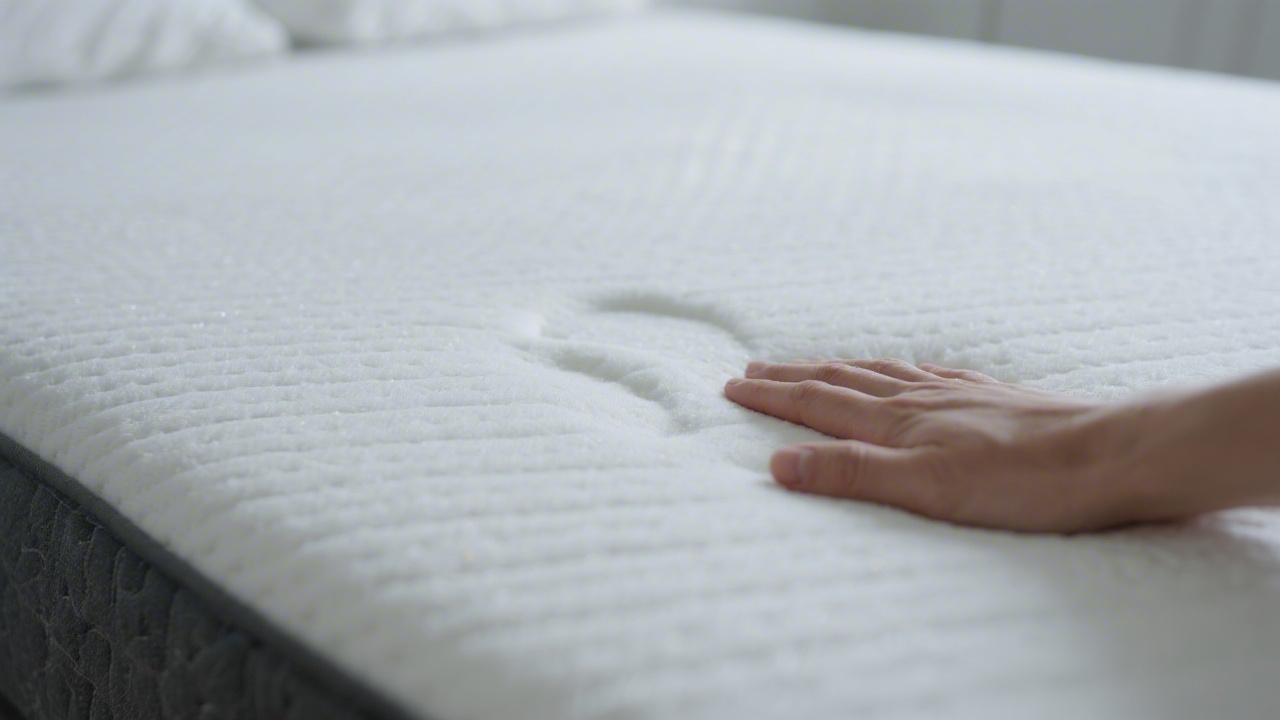
by A memory foam mattress uses viscoelastic polyurethane foam that responds to body heat and pressure — conforming precisely to your shape, then slowly returning to its original form. Originally developed by NASA in the 1960s for aircraft seat cushioning, it became a consumer product in the 1990s and now accounts for roughly 20% of US mattress sales.
Top premium pick: Saatva Loom & Leaf — Best Luxury Memory Foam Mattress
How Memory Foam Works
Memory foam is temperature-sensitive. Body heat softens the foam, allowing it to mold to pressure points. When you move, the foam gradually returns to its neutral shape. This slow response is the defining characteristic — it creates a "hugging" or "sinking" sensation that eliminates pressure points.
Foam density (measured in lbs/ft³) determines quality and durability:
- Low density (2–3 lb/ft³): Budget mattresses. Softer feel but breaks down faster (4–6 years).
- Medium density (3–5 lb/ft³): The sweet spot for most sleepers. 7–10 year lifespan.
- High density (5+ lb/ft³): Denser, more durable, firmer. Premium mattresses. 10–15 year lifespan.
Types of Memory Foam
Traditional Memory Foam
The original formulation. Excellent pressure relief, outstanding motion isolation. The main drawback: it traps body heat because the closed-cell structure restricts airflow. Not ideal for hot sleepers.
Gel Memory Foam
Gel beads or gel swirls are infused into the foam. The gel absorbs and dissipates heat more effectively than traditional foam. Noticeably cooler in the first few hours but can re-radiate heat by morning.
Copper and Graphite-Infused Memory Foam
Conductive materials infused into foam that actively draw heat away from the body. More effective than gel at sustained cooling. Saatva Loom & Leaf uses a gel-infused layer over high-density memory foam.
Open-Cell Memory Foam
Reformulated with an open-cell structure that allows air to circulate through the foam. Significantly cooler than traditional memory foam. Used in many premium all-foam mattresses.
Memory Foam: Pros and Cons
Pros
- Best-in-class pressure relief — Distributes weight across the entire contact surface, eliminating hot spots at hips and shoulders.
- Superior motion isolation — Virtually zero motion transfer. Ideal for couples with different sleep schedules.
- No noise — No coil springs means complete silence when repositioning.
- Body contouring — The "sinking" sensation provides a secure, cradled feel some sleepers find deeply comfortable.
Cons
- Heat retention — Traditional memory foam traps body heat. This is the most common complaint. Gel and open-cell formulations help, but all-foam still sleeps warmer than hybrid coil systems.
- Slow response — Repositioning can feel effortful. If you move frequently, foam's slow recovery can feel like "fighting" the mattress.
- Off-gassing — New memory foam mattresses release volatile organic compounds (VOCs) for 24–72 hours. Certifications like CertiPUR-US indicate lower chemical emissions.
- Edge compression — Foam compresses significantly at the perimeter, reducing usable sleep surface and making it harder to get in and out of bed.
Memory Foam vs. Hybrid vs. Latex
| Feature | Memory Foam | Hybrid | Latex |
|---|---|---|---|
| Pressure Relief | Excellent | Good | Good |
| Motion Isolation | Excellent | Good | Fair |
| Cooling | Fair (gel: Good) | Excellent | Good |
| Bounce/Responsiveness | Low | High | High |
| Durability | 7–10 years | 8–12 years | 12–20 years |
| Price | $600–$2,500 | $900–$3,500 | $1,200–$4,000 |
See our detailed latex vs. memory foam comparison and our hybrid vs. memory foam guide for deeper analysis.
Who Should Buy a Memory Foam Mattress?
- Side sleepers — The deep contouring cushions hips and shoulders better than any other material.
- Light-to-average weight sleepers (under 200 lbs) — Heavier sleepers may sink too far into the foam, misaligning the spine.
- Couples sensitive to partner movement — Motion isolation is unmatched.
- Pain relief seekers — See our best mattress for pain relief guide for targeted recommendations.
Best Memory Foam Option: Saatva Loom & Leaf
The Saatva Loom & Leaf uses high-density memory foam (5 lb/ft³), a cooling gel panel, and organic cotton cover. It is CertiPUR-US and GREENGUARD Gold certified — minimal off-gassing. Available in Relaxed Firm and Firm. 365-night trial, white-glove delivery.
Check Current Price — Saatva Loom & Leaf
Frequently Asked Questions
What is memory foam made of?
Memory foam is viscoelastic polyurethane — a polymer that responds to heat and pressure by conforming to body shape, then slowly returning to its original form when pressure is removed.
Does memory foam sleep hot?
Traditional memory foam traps heat because its closed-cell structure restricts airflow. Gel-infused and open-cell memory foam sleep significantly cooler, but all-foam still sleeps warmer than hybrid or coil mattresses on average.
How long does a memory foam mattress last?
Quality memory foam (3–5 lb/ft³ density) lasts 7–10 years. High-density foam (5+ lb/ft³) can last 10–15 years. Low-density budget foam degrades in 4–6 years.
Is memory foam good for side sleepers?
Yes. The deep contouring cushions hips and shoulders — the highest-pressure points in the side position. A medium-soft option (3–5/10) works best for most side sleepers.
What is the difference between gel memory foam and regular memory foam?
Gel memory foam has gel beads or swirls infused to absorb and dissipate body heat. It sleeps noticeably cooler than traditional memory foam, especially in the first few hours.