
 by
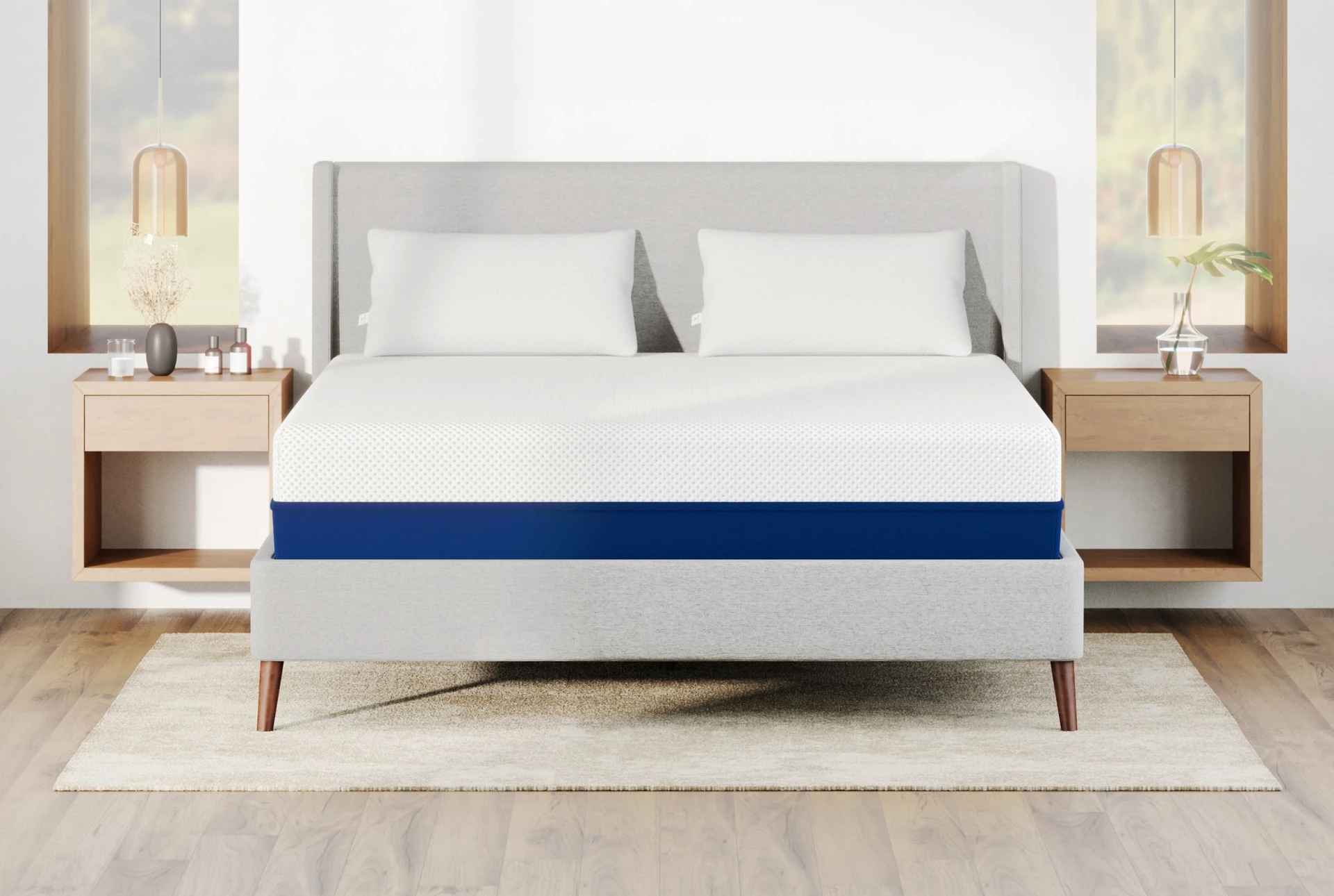
by Our first recommendation in this memory-foam-versus-spring comparison is the Amerisleep AS3 in its all-foam configuration. Its medium feel combines Bio-Pur memory foam with HIVE support. Foam provides a different feel from a responsive spring mattress, so check pressure comfort and ease of turning. Neither construction is universally best for back pain.
Amerisleep AS3
9.2/10
- HIVE 5-zone technology firms directly under the lumbar (zone 3 of 5)
- Plant-based Bio-Pur foam relieves pressure and runs cooler than standard memory foam
- CertiPUR-US certified, made in the USA
- Best all-foam option for side sleepers with lower-back pain
- Softer edges than a coil hybrid
- Sleepers over 230 lb may prefer a firmer model
If you prefer the feel of all-foam and sleep mostly on your side, the AS3's HIVE zoning delivers targeted lumbar support that most memory foam beds can't match. A solid alternative to hybrid for lighter-weight side and back sleepers.
How mattress type affects back pain
Back pain during or after sleep traces back to two root issues: inadequate spinal alignment and insufficient pressure relief at key contact points. These two needs can pull in opposite directions. Maximum pressure relief sometimes compromises alignment, and vice versa.
Spinal alignment means your spine maintains its natural neutral curve while you sleep. A mattress that is too soft lets the hips sink below the shoulders, creating a C-shaped bend through the lumbar region. One that is too firm forces the spine into an unnaturally flat position. Either extreme strains the lower-back muscles and discs.
Pressure relief is how well the surface distributes body weight across a wider area rather than concentrating it at bony prominences such as the hips, shoulders, and sacrum. Concentrated pressure restricts blood flow, causes discomfort, and triggers tossing that fragments restorative sleep.
The mattress that handles both at once is the one most likely to reduce back pain. That framing matters for everything below.
Memory foam and back pain
Memory foam became dominant in the 2000s largely because of its pressure-relieving properties. Viscoelastic foam conforms closely to body contours, spreading weight across a larger surface and eliminating the hard contact points that older innerspring models were known for.
For back pain, memory foam offers real advantages. The contouring cradles the lumbar region and reduces pressure at the hips and shoulders. Side sleepers with lower-back pain often find memory foam helpful because it cushions the hip and prevents the spine from collapsing sideways.
The limitation surfaces in softer models. When foam has a low ILD (Indentation Load Deflection) rating, heavier sleepers or anyone on their back or stomach can sink so far that the hips drop below the shoulders. That misalignment stresses the lumbar muscles and can worsen pain rather than relieve it. Foam also retains heat, which matters for restless sleepers.
Medium to medium-firm memory foam (ILD 20 to 28) works reasonably well for many back-pain profiles, but all-foam beds still lack the responsive, centered pushback that coils provide.
Innerspring mattresses and back pain
Traditional innerspring mattresses were built around firm, responsive coil support. That support is real. A quality innerspring keeps the hips from sinking excessively, which tends to maintain spinal alignment better than a too-soft foam bed. The bounce and airflow of a coil system also make repositioning easier during the night, reducing the tossing that pressure buildup creates.
The problem is the comfort layer, or the absence of one. Most innerspring designs use only a thin layer of fiber or foam over the coils. Firmness transfers almost directly to the body, creating pressure at bony contact points, particularly at the hips in side sleepers and the sacrum in back sleepers.
The result is a mattress that may maintain spinal alignment but leaves pressure points unaddressed. For back-pain sufferers, that often means localized soreness even when general alignment is acceptable. Bonnell coil systems (older, interconnected designs) also move as a unit, so a partner's movement travels across the bed, adding sleep disruption on top of the alignment issues.
Hybrid mattresses: the practical winner
Hybrid mattresses combine a pocketed coil support core with substantial foam or latex comfort layers, typically three to four inches of foam over a full coil system. The design directly addresses the weaknesses of both types.
The pocketed coil base provides zoned, responsive support that keeps the spine in neutral alignment. Because each coil moves independently, they push back proportionally to the weight applied. Heavier hip zones receive more resistance; lighter shoulder zones allow more compression. That zoned response is difficult to replicate in an all-foam bed.
The foam comfort layers above the coils deliver the pressure relief that a thin-topped innerspring misses. Hip and shoulder pressure points are cushioned, the lumbar region is supported from below and cradled from above, and the combined system achieves what neither material can fully accomplish on its own.
For most back-pain profiles, particularly back sleepers and combination sleepers, a medium-firm hybrid is the construction type most consistently recommended by sleep specialists and physical therapists.
Comparison: memory foam vs innerspring vs hybrid for back pain
| Feature | Memory Foam | Innerspring | Hybrid |
|---|---|---|---|
| Spinal alignment | Good if medium-firm; poor if too soft | Good for firm support; varies by coil gauge | Excellent. Zoned coils plus contouring foam. |
| Pressure relief | Excellent. Deep contouring at hips and shoulders. | Poor to fair. Thin comfort layers. | Very good. Foam layers over coil base. |
| Lumbar support | Moderate. Depends heavily on firmness. | Good. Firm coil pushback. | Excellent. Responsive coils support lumbar zone. |
| Durability | 6 to 8 years (sagging is common) | 7 to 10 years (coils resilient; thin top wears) | 8 to 12 years (coil core extends lifespan) |
| Best back-pain profile | Side sleepers, lighter weight, hip and shoulder pain | Stomach sleepers, heavier weight, firm preference | Back sleepers, combo sleepers, most body types |
| Motion isolation | Excellent | Poor (especially Bonnell coils) | Good. Pocketed coils reduce transfer. |
| Temperature | Tends to sleep warm | Excellent airflow | Good. Coils allow air circulation. |
Firmness by sleep position and body weight
Mattress type is only half the equation. Firmness interacts directly with sleep position and body weight to determine whether your spine stays aligned through the night.
Back sleepers generally need a medium-firm surface (6 to 7 on a 10-point scale). The hips need enough give to let the lumbar curve settle naturally, but not so much that they sink below the shoulders. A medium-firm hybrid fits this position best.
Side sleepers need slightly more give at the hip and shoulder, typically a medium surface (5 to 6). The goal is keeping the spine horizontal while the shoulder and hip compress into the mattress. Side sleepers with lower-back pain sometimes do well on a softer all-foam bed, but a medium hybrid still offers better long-term alignment support.
Stomach sleepers need the firmest option. The hips must not sag, which would create lumbar hyperextension. A firm to medium-firm surface, whether innerspring or hybrid, is generally better than soft foam for this position.
Body weight shifts these recommendations. Sleepers under 130 lbs compress a mattress less and often find a medium surface feels firm to them. Sleepers over 230 lbs compress deeper into the comfort layers and typically need a firmer surface to prevent the hips from over-sinking. For heavier back sleepers, a firm hybrid with strong lumbar zoning is usually the best choice. See our guide to firm vs medium-firm mattresses for a deeper breakdown.
What the research says
The medical literature on mattresses and back pain is more limited than marketing claims suggest, but the existing research points in a consistent direction. A 2015 systematic review published in Sleep Health (Radwan et al.) found that medium-firm mattresses reduced chronic back pain and improved sleep quality compared with participants' existing mattresses. Studies examining spinal alignment during sleep consistently show that medium-firm surfaces, regardless of construction type, outperform both very firm and very soft options for maintaining lumbar curvature.
Physical therapists and orthopedic specialists generally agree on three principles: support the lumbar spine, relieve pressure at the hips and shoulders, and avoid extremes of firmness. The hybrid construction checks all three boxes more reliably than either pure foam or traditional innerspring.
For more on how mattress construction affects support, see our full review of the best mattresses for back pain and our breakdown of innerspring vs hybrid options.
Our picks
Saatva Classic
8.9/10
- Dual-coil construction (micro coils over tempered steel) with a reinforced lumbar zone pad
- Euro pillow top delivers pressure relief without the sinkage of a soft all-foam bed
- Individually wrapped coils respond zone by zone, keeping the spine aligned
- Free white-glove delivery and old-mattress removal included
- 365-night trial, lifetime warranty, $99 return fee
- Ships flat, not compressed in a box
- Heavier to move than an all-foam bed
The Saatva Classic settles the memory foam vs spring debate by delivering what neither type manages alone: coil-based lumbar support from below and genuine pressure relief from the pillow top above. Luxury Firm (6/10) fits the widest range of back-pain profiles.
Our verdict: what to choose for back pain
For most back-pain sufferers, a medium-firm hybrid is the strongest choice. The coil-based support core provides the lumbar alignment that memory foam alone can fail to deliver, while the foam comfort layers provide the pressure relief that a bare-bones innerspring misses. That combination is not a compromise. It is the best of what both materials offer, working in the same bed.
All-foam memory foam remains a reasonable choice for side sleepers under 180 lbs who prioritize pressure relief and motion isolation. Traditional innersprings with quality pocketed coils and a thicker euro pillow top can work for stomach sleepers who need maximum firmness. But for the broadest range of back-pain profiles, particularly back sleepers and combination sleepers, the hybrid is the recommendation we return to most consistently.
Ready to compare specific models? See our picks for the best hybrid mattresses, our full roundup of the best memory foam mattresses, and our mattress deals page for current pricing.
Frequently asked questions
Is memory foam or spring better for lower back pain?
For most people with lower back pain, a hybrid mattress outperforms both. Memory foam offers strong pressure relief but can allow hips to sink too far on softer models, compromising lumbar alignment. Innerspring provides firm support but limited cushioning. A hybrid combines coil support with foam comfort layers, addressing both root causes of sleep-related back pain.
Can a mattress make back pain worse?
Yes. A mattress that is too soft allows the spine to fall out of neutral alignment, straining lumbar muscles and discs. One that is too firm creates concentrated pressure at the hips and shoulders, which can aggravate pain and disrupt sleep. Both extremes can contribute to waking up sore.
What firmness level is best for back pain?
Medium-firm (around 6 to 7 on a 10-point scale) is the most broadly recommended level for back pain. It provides enough resistance to keep the hips from sinking too far while offering enough give to relieve pressure at bony contact points. Your weight and sleep position will shift the ideal firmness slightly in either direction.
Are hybrid mattresses good for back pain?
Hybrid mattresses are among the most consistently recommended options for back pain. The pocketed coil core delivers zoned lumbar support and keeps the spine aligned, while foam comfort layers cushion the hips and shoulders. Many orthopedic specialists and physical therapists point to medium-firm hybrids as a strong starting point for back-pain sufferers.
How long does it take for a new mattress to relieve back pain?
Most people notice a difference within two to four weeks as the body adjusts to the new surface. Some immediate improvement is common if you were sleeping on a severely worn mattress. Most manufacturers offer trial periods of at least 90 nights, which is long enough to assess whether a new mattress is genuinely improving your sleep and reducing pain.
Does sleep position matter as much as mattress type?
Both matter, and they interact. Sleep position determines where pressure concentrates and what alignment the spine needs. Mattress type determines how well the surface addresses those needs. A medium-firm hybrid is flexible enough to support multiple positions well, which makes it particularly useful for combination sleepers who shift between back and side sleeping during the night.