
 by
by PlushBeds Organic Cotton Sheet Set
9.0/10
A clean partner recommendation for sheet comparisons, especially when the alternative is microfiber, polyester, or cheap synthetic bedding.
PlushBeds Bamboo Sheet Set
8.8/10
Choose this if the reader wants a silkier, cooler-feeling sheet instead of classic cotton.
Good bed linens are vital for a good night's sleep. Bed sheets impact your comfort and prevent staining, wear, and dampness. If you have invested in a decent mattress, quality linens protect it and improve the sleep experience.
Cotton and microfiber are two of the most common bed sheet fabrics. Cotton is a natural material from the cotton plant; microfiber is made from synthetic fabrics like polyester or nylon. Here is how they compare and which is the better choice for most sleepers.
Microfiber Sheets vs. Cotton: Which One Is Better?

The Yalda Sheet Set adds quality to any bedroom while holding up over years of use.
The Pure Parima Yalda Sheets tick several boxes for high-quality Egyptian cotton bedding. They are soft straight out of the bag, without chemical softeners. The sheets carry Egyptian Cotton Association accreditation and help regulate body temperature by absorbing excess moisture. This natural material also suits people with sensitive skin.
The sheets have a 400-thread count and are soft, smooth, and silky. They are double-hem stitched, so they hold up even if you toss and turn during the night. With proper care, these sheets can last for many years.
The Yalda set is available in single to Cal King sizes and fits mattresses up to 18 inches thick. All components are machine washable. Wash with a light detergent in warm or cold water, then line dry or tumble dry on low. Pure Parima recommends washing separately without softeners or bleach.
U.S. delivery is free, and Pure Parima provides a 100-night risk-free trial period.
Cotton vs. Microfiber Sheets: What Is the Difference?
Here are the key distinctions between the two fabrics:
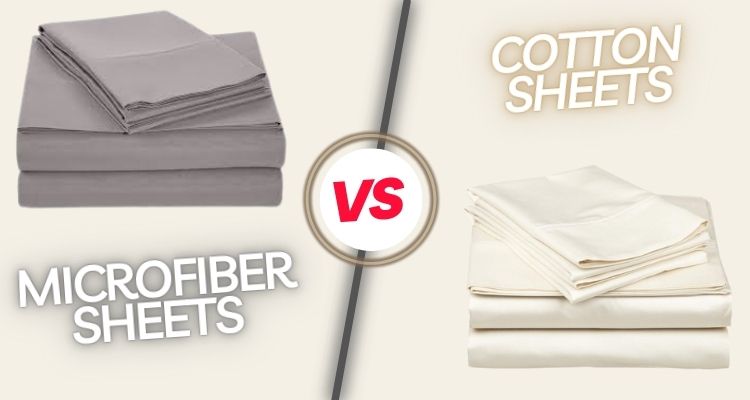
- Material: Cotton is a natural fiber from the cotton plant; microfiber is a polyester-polyamide blend.
- Softness: Egyptian cotton sheets are smoother and airier than microfiber. Some people prefer the silky feel of microfiber, but it lacks breathability.
- Durability: Cotton is well-known for longevity and resistance to repeated washing. Microfiber may pill or degrade over time.
- Moisture absorption: Cotton absorbs moisture, which is ideal for night sweaters. Microfiber is less absorbent and can leave you feeling damp or clammy.
- Care: Both are machine washable. Microfiber may need a lower dryer heat setting to avoid damage.
What are Cotton Sheets?
Cotton sheets are made from natural fiber that is soft, breathable, and comfortable. The fabric is anti-allergic and suited to sensitive skin, partly because production typically avoids toxic chemicals. High-quality cotton sheets help night sweaters through moisture-wicking and heat-dissipation qualities. (See also: best mattress for hot flashes)
Types of Cotton Bed Sheets
Egyptian Cotton: Extra-long staple fiber, sumptuous and silky, the most expensive option. Worth the investment if you want sheets that soften with every wash.
American Upland: The most common 100% cotton. Shorter staple than Egyptian, durable but less plush.
Long Staple / Supima: American Pima cotton rivals Egyptian cotton in softness at a generally lower price point.
Pros and Cons of Cotton Sheets
Pros
- Natural fabric, widely accessible
- Breathable with moisture-wicking properties
- Anti-allergic, suitable for sensitive skin
- Long-lasting with proper care
- Biodegradable, lower environmental impact
Cons
- Prone to wrinkling
- May shrink on first wash
- Costs more than polyester bedding
- Low-quality cotton can deteriorate quickly
What are Microfiber Sheets?
Microfiber sheets are made from polyester, nylon, and wood pulp fibers. Dense weaving makes them tougher and softer than standard polyester. They resist wrinkling and shrinking after washing and are stain-resistant, making them practical for households with kids or pets.
Pros and Cons of Microfiber Sheets
Pros
- Wrinkle-resistant and gentle on the skin
- Budget-friendly, starting around $15 for a queen set
- Durable against wear and repeated washing
Cons
- Traps heat, poor choice for hot sleepers
- Pilling common after 6 to 12 months
- Sheds microplastics with each wash (150,000+ particles per cycle)
- The thread count figure is often misleading for synthetic fibers
How to Choose Between Cotton and Microfiber
Feel and Comfort
Cotton offers a range of textures depending on thread count and weave. High-thread-count options feel more luxurious and comfortable. Microfiber sheets tend toward a uniform silky feel, similar to silk sheets, but without the breathability.
Durability
Microfiber generally outlasts cotton in terms of wash resistance. Cotton can shrink or deform after washing. High-quality Egyptian or Supima cotton is the exception, and can last many years with proper care.
Maintenance
Both are easy to care for in a standard washer and dryer. Microfiber may take longer to release stains than cotton. Use low heat with microfiber to prevent pilling and damage.
Environmental Impact
Cotton biodegrades and is produced with fewer synthetic chemicals than microfiber. Microfiber sheds microplastics with every wash. For environmental considerations, cotton is the more responsible choice.
Microfiber vs. Cotton Sheets: Measurable Trade-offs
These figures come from independent lab testing and material science data:
- Moisture absorption: cotton absorbs 24 to 27% of its weight; microfiber absorbs roughly 0.4%. Night sweaters will feel noticeably more comfortable on cotton.
- Breathability: cotton allows 5 to 7 times more airflow than microfiber (ASTM D737 testing).
- Thread count: microfiber sheets marketed with 1800+ thread counts are misleading. Synthetic fibers are thinner, so hitting high thread counts is easy without any quality gain.
- Price: microfiber queen sets run $15 to $30; quality cotton queen sets $30 to $100 and up.
- Static electricity: microfiber builds 3 to 5 times more static charge than cotton.
- Environmental: microfiber sheds over 150,000 microplastic particles per wash cycle. Cotton biodegrades.
Direct Comparison
| Feature | Microfiber | Cotton |
|---|---|---|
| Price (Queen set) | $10 to $40 | $30 to $200+ |
| Feel | Soft, slightly synthetic | Natural, improves with washing |
| Breathability | Poor, traps heat | Good, allows air circulation |
| Moisture | Absorbs and holds moisture | Wicks moisture away from skin |
| Wrinkles | Minimal | Moderate to high |
| Pilling | Common after 6 to 12 months | Rare with quality cotton |
| Environment | Sheds microplastics | Biodegradable |
| Best for | Guest rooms, budget, cold climates | Primary bedroom, hot sleepers, quality |
Our Recommendation
If you sleep warm or value natural materials, cotton is worth the extra cost. High-quality Egyptian or Supima cotton sheets soften with every wash and last years longer than standard microfiber. If you need sheets for a guest room or are working with a tight budget, microfiber performs adequately.
Never use microfiber if you sleep hot. The heat retention is significant and will disrupt sleep quality. For hot sleepers, organic cotton sheets are the practical choice. You may also want to pair good sheets with a cooling mattress if heat is a persistent issue.
Frequently Asked Questions
Are microfiber sheets bad for hot sleepers?
Yes. Microfiber traps heat and has very low breathability compared to cotton. If you tend to overheat at night, cotton is the better choice by a significant margin.
What thread count is best for cotton sheets?
A thread count between 200 and 400 covers most needs. Above 400, quality depends more on the cotton grade than the count. Very high thread counts in cotton can actually reduce breathability.
How long do microfiber sheets last?
Typically 2 to 3 years with regular washing before pilling becomes noticeable. Quality cotton sheets, cared for properly, can last 5 to 10 years.
Are microfiber sheets safe?
They are safe to sleep on, but shed microplastics with every wash. If environmental impact matters to you, natural cotton is the cleaner option.
Related: polyester vs cotton sheets | bamboo vs Egyptian cotton | best cooling sheets for hot sleepers | best organic sheets