
 by
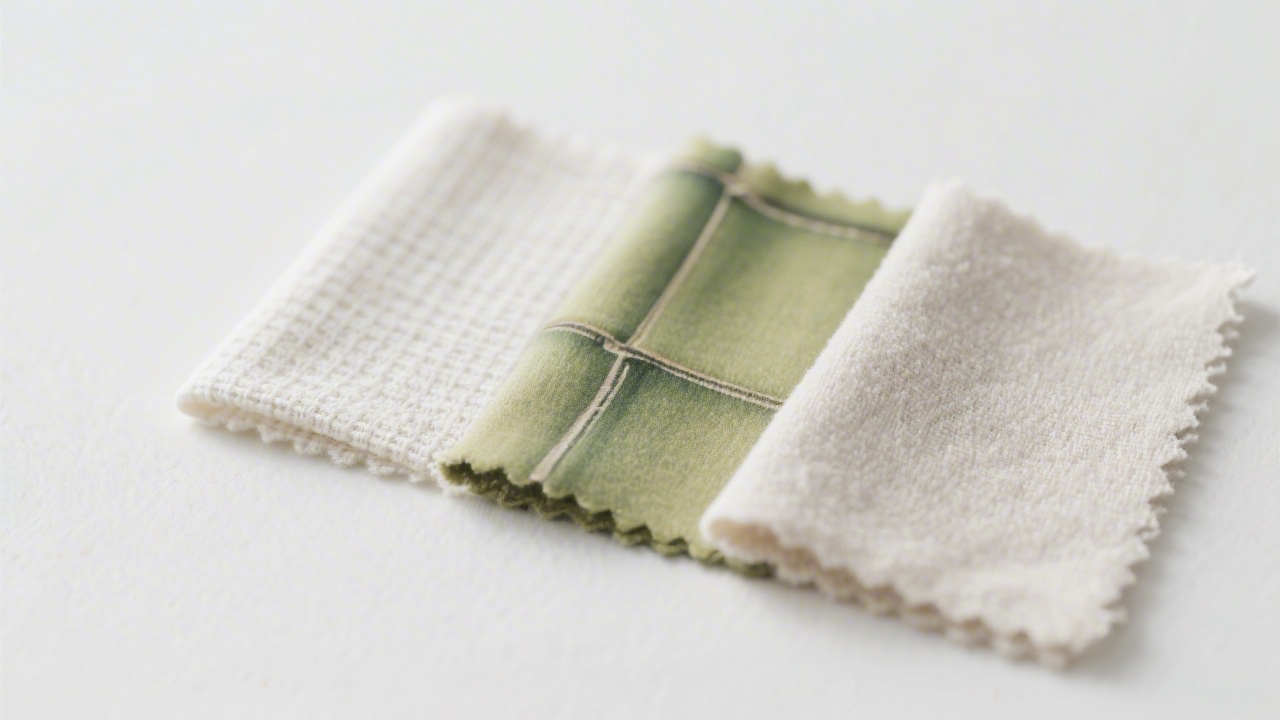
by When you're shopping for new sheets, three materials dominate the market at different price points: microfiber, cotton, and bamboo. Each has genuine advantages and real limitations. This guide cuts through the marketing to give you a clear, honest comparison on the factors that actually affect your sleep.
Our Top Pick for Premium Bedding
We've tested dozens of sheet sets. Saatva's percale is the best value in long-staple cotton — strong construction, breathable weave, and a 45-night trial period.
The Quick Version
If you want the bottom line upfront: cotton is the best choice for most sleepers, particularly in percale weave for temperature regulation. Bamboo (viscose) is a credible alternative for hot sleepers but quality varies significantly. Microfiber is cheap and durable but traps heat and feels synthetic — it's a budget option with real trade-offs.
Microfiber Sheets: The Full Picture
Microfiber is polyester — specifically, very fine polyester fibers (less than 1 denier, thinner than a strand of silk). It's woven densely to create a soft, smooth surface.
What microfiber does well:
- Cost: A queen microfiber set can cost $25–50. Lowest price point of the three materials.
- Wrinkle resistance: Polyester doesn't wrinkle easily. Microfiber sheets come out of the dryer relatively smooth.
- Durability: Polyester is mechanically strong and resists tearing. Microfiber sheets often last several years without pilling.
- Machine washable: Easy care — warm wash, tumble dry. Very forgiving.
What microfiber does poorly:
- Temperature: Microfiber does not breathe. Polyester fibers trap heat and body moisture, creating a hot, clammy sleep environment. For any sleeper with even moderate heat sensitivity, this is a significant problem.
- Moisture management: Polyester is hydrophobic — it doesn't absorb moisture, it deflects it. This means sweat stays on your skin instead of being wicked away.
- Longevity of feel: Microfiber can develop static and start to feel rough after 1–2 years, even if it doesn't tear.
- Environmental: Polyester sheds microplastics with every wash. Significant ecological concern.
Cotton Sheets: The Benchmark
Cotton is the default benchmark for a reason: it's natural, breathable, versatile, and available at every quality level from budget to ultra-premium.
Key variables in cotton sheet quality:
- Fiber length: Standard upland cotton (shorter fibers) vs extra-long staple (Pima, Supima, Egyptian) — ELS cotton is measurably softer and more durable
- Weave: Percale (crisp, cool, breathable) vs sateen (silky, slightly warmer, better drape)
- Thread count: 200–400 TC with single-ply yarns is the quality zone; inflated counts above 600 using multi-ply yarns are a marketing tactic
Cotton advantages over microfiber and bamboo:
- Best overall breathability in percale weave
- Longest lifespan (5–8 years for ELS cotton with proper care)
- Easy care — forgiving washing conditions
- Widest quality range — from $30 to $300 per set, all genuine cotton
- Well-understood and trusted material
Bamboo Sheets: The Reality Check
Bamboo sheets are almost never made from bamboo fiber in a meaningful textile sense. The bamboo plant's natural fibers are too coarse to make soft bedding. Instead, bamboo sheets are typically bamboo viscose — bamboo pulp dissolved in chemicals and reconstituted into rayon-type fiber. The process is similar to how modal is made from beech pulp.
This matters because:
- "100% bamboo sheets" is technically accurate but describes a semi-synthetic fabric
- The bamboo origin doesn't automatically mean sustainable — viscose processing can be chemically intensive
- Quality varies significantly; cheap bamboo viscose is not the same as OEKO-TEX certified bamboo lyocell
When bamboo viscose works well:
- Moisture wicking — bamboo viscose absorbs and releases moisture reasonably well
- Softness — generally softer than standard cotton out of the box
- Temperature — better than microfiber, comparable to quality cotton percale
Bamboo limitations:
- Durability — shorter lifespan than quality cotton (3–4 years typically)
- Care — more sensitive to heat and agitation than cotton
- Quality variance — wide range from cheap to excellent with limited label transparency
See our dedicated bamboo sheets review for specific product analysis and our best bamboo sheets picks.
Head-to-Head Comparison Table
| Factor | Microfiber | Cotton (ELS) | Bamboo Viscose |
|--------|------------|--------------|----------------|
| Temperature | Poor | Excellent | Good |
| Softness | Good (initially) | Excellent | Excellent |
| Durability | Good | Excellent | Fair |
| Care | Very easy | Easy | Moderate |
| Price | $ | $$–$$$ | $$–$$$ |
| Eco profile | Poor | Moderate | Moderate |
| Hot sleepers | Avoid | Recommended | Good alternative |
Our Recommendation
For most sleepers: quality cotton percale (long-staple, 300–400 TC, single-ply). It outperforms microfiber on every metric except price, and outperforms bamboo on durability and care simplicity while matching it on temperature for most sleeping conditions.
For very hot sleepers who prioritize moisture management: bamboo lyocell (TENCEL lyocell or OEKO-TEX certified bamboo lyocell) is a genuine alternative worth considering.
Microfiber: acceptable for guest rooms, travel, or extremely budget-constrained situations. Not recommended for primary bedding if temperature is any concern at all.
See our best sheets of 2026 for specific product picks across all three categories.
Ready to Upgrade?
If you're looking for premium bedding with verified materials and a real trial period, Saatva is a consistent top performer in our testing.
Frequently Asked Questions
Is microfiber bad for your skin?
Microfiber isn't harmful to skin directly, but it doesn't breathe, so it can aggravate heat rash or eczema by trapping sweat and heat. For people with sensitive skin or conditions aggravated by moisture, natural fibers (cotton, bamboo) are better choices.
Are bamboo sheets actually cooler than cotton?
For hot sleepers, bamboo viscose can feel slightly cooler due to better moisture wicking. However, quality cotton percale — especially long-staple cotton — matches or exceeds bamboo for temperature regulation for most sleepers. The difference is most pronounced for people who sweat heavily.
Why does cotton last longer than bamboo?
Cotton fibers — especially ELS cotton — are mechanically strong and maintain strength when wet. Bamboo viscose fibers lose strength when wet and are more vulnerable to mechanical stress during washing. This translates to a 1–3 year lifespan difference under equivalent washing conditions.
What thread count is best for cotton sheets?
200–400 TC with single-ply yarns is the quality zone for cotton sheets. Higher thread counts using multi-ply construction (often labeled "600 TC" or higher) are a marketing tactic — they're not softer and are often stiffer.
Is microfiber better than cotton for allergy sufferers?
Microfiber's dense weave can reduce dust mite penetration compared to loosely woven cotton, which is a minor allergy benefit. However, OEKO-TEX certified cotton or allergen-barrier cotton covers are more effective solutions for allergy management than microfiber sheets.
Voted best luxury innerspring mattress with exceptional lumbar support and white-glove delivery.
Check Price & Availability FAQPage", "mainEntity": [ { "@type": "Question", "name": "Is microfiber bad for your skin?", "acceptedAnswer": { "@type": "Answer", "text": "Microfiber isn't harmful directly, but it doesn't breathe, so it can aggravate heat rash or eczema by trapping sweat. For sensitive skin, natural fibers are better choices." } }, { "@type": "Question", "name": "Are bamboo sheets actually cooler than cotton?", "acceptedAnswer": { "@type": "Answer", "text": "For hot sleepers, bamboo viscose can feel slightly cooler due to better moisture wicking. However, quality cotton percale matches or exceeds bamboo for temperature regulation for most sleepers." } }, { "@type": "Question", "name": "Why does cotton last longer than bamboo?", "acceptedAnswer": { "@type": "Answer", "text": "Cotton fibers are mechanically strong and maintain strength when wet. Bamboo viscose fibers lose strength when wet, translating to a 1–3 year lifespan difference under equivalent washing conditions." } }, { "@type": "Question", "name": "What thread count is best for cotton sheets?", "acceptedAnswer": { "@type": "Answer", "text": "200–400 TC with single-ply yarns is the quality zone. Higher thread counts using multi-ply construction are a marketing tactic — not softer, and often stiffer." } }, { "@type": "Question", "name": "Is microfiber better than cotton for allergy sufferers?", "acceptedAnswer": { "@type": "Answer", "text": "Microfiber's dense weave can reduce dust mite penetration, a minor benefit. However, OEKO-TEX certified cotton or allergen-barrier covers are more effective allergy management solutions." } } ] }