
 by
by 
|
QUICK ANSWER MLILY pillows make the most sense as a low-cost memory-foam option for a guest bed, occasional use, or a back sleeper who wants a basic foam feel. I’d skip the solid-foam model if you routinely sleep hot, need dependable loft over time, or need more room to fine-tune neck support. The adjustable shredded version is the more practical MLILY design because you can change the fill level. The material trade-off is straightforward: lower-density foam can feel pleasant at first, but it usually has less reserve against compression than denser memory foam. That matters more than a soft cover or a marketing label. For a denser, longer-lived upgrade, see the Saatva Memory Foam Pillow. |
MLILY Pillow Review: My Verdict
MLILY’s pillow range is built around accessible memory foam, not elaborate cooling hardware or unusually robust foam construction. The standard pillow uses a molded foam core, while the adjustable version uses shredded foam that can be removed or redistributed. For a shopper choosing between those two formats, I’d lean toward the adjustable model because loft is the main variable in getting a pillow to work for your sleep position.
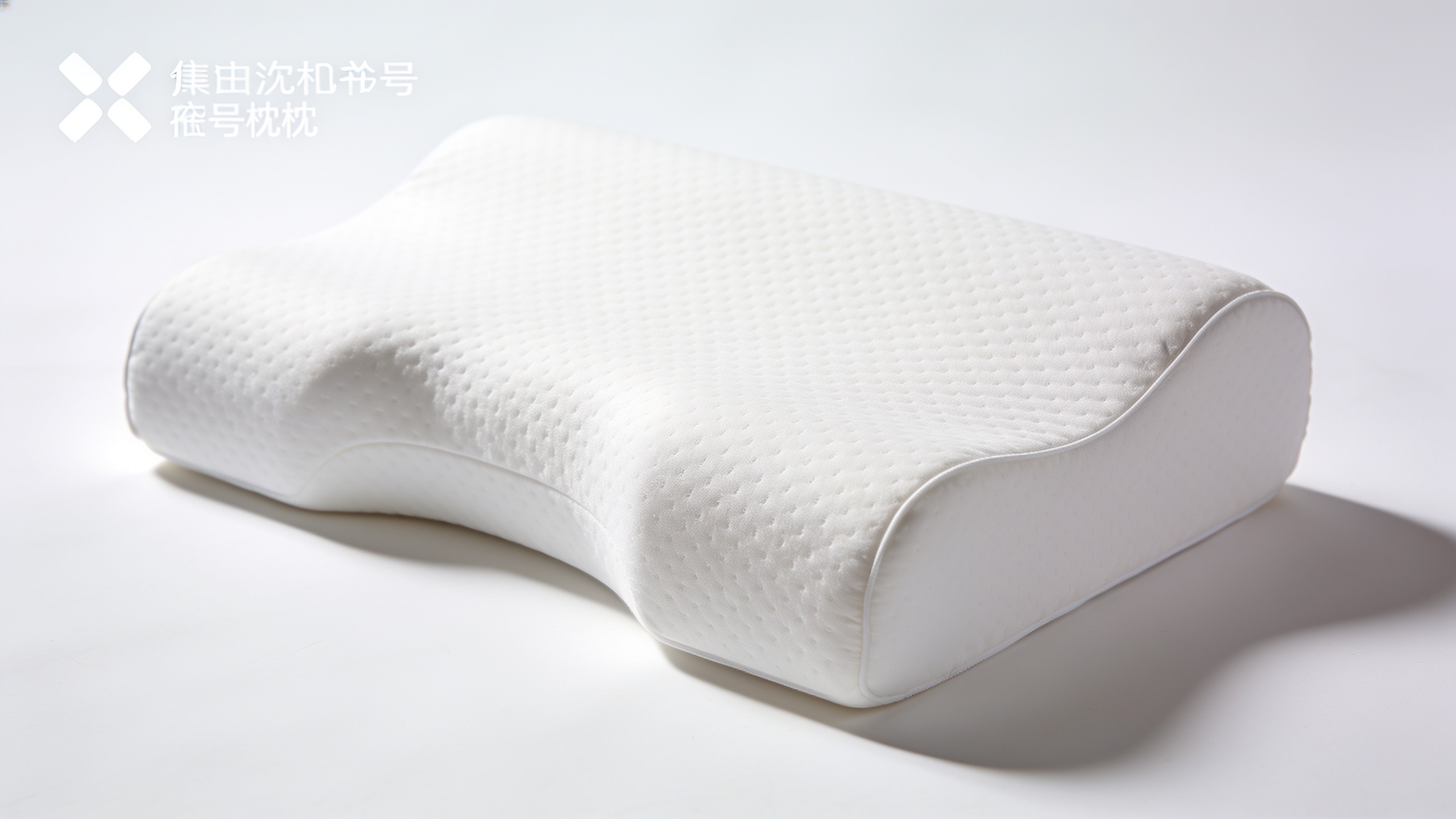
The standard MLILY Memory Foam Pillow is best treated as a simple, budget-minded pillow. Its single block of foam gives it a consistent surface, but that same one-piece design limits your ability to change the height. If the loft is wrong for your shoulder width or mattress firmness, there is little you can do beyond changing pillows.
MLILY is also known as Dreamily in some markets. According to the brand’s published background, the company was founded in 2008 and sells foam bedding through large online retail channels. That broad marketplace presence can make buying convenient, but return handling and exact model details may vary by seller.
|
My construction-first take:
|
About MLILY and Its Pillow Range
MLILY focuses heavily on memory foam products, including mattresses and pillows. The pillow lineup commonly includes the MLILY Memory Foam Pillow and the MLILY Adjustable Shredded Foam Pillow. They solve different problems: molded foam offers a uniform feel, while shredded foam gives the sleeper some control over loft and shape.
MLILY pillows have typically listed at $25–$60. That range should be treated as historical marketplace context rather than a promise of today’s checkout price, because sellers can set different prices and bundle products differently. The core point still holds, MLILY sits in the budget segment rather than the luxury-pillow segment.
Budget positioning is not automatically a flaw. It simply changes what I expect from the build. With memory foam, the details that tend to matter most are foam density, whether the core is solid or shredded, cover care, airflow paths, and whether the loft can be adjusted after you bring the pillow home.
MLILY Memory Foam Pillow Construction
The standard MLILY Memory Foam Pillow uses a single molded polyurethane memory-foam core inside a bamboo-derived rayon cover. Per the product description at our last check, the foam density is approximately 3.0–3.5 lbs/ft³. In plain English, that places the material below the density range commonly associated with more substantial premium memory-foam cores.
Density is not the whole story, but it is a useful durability clue. A lower-density foam can initially feel easy to sink into, especially for a lighter back sleeper. Over time, though, it may be more prone to taking a set, feeling less buoyant, or losing the support that kept the head at a comfortable height.
The cover is described in the product listing as bamboo-derived rayon, removable, and machine washable. That is useful for basic pillow maintenance. Still, the cover is not the component doing the structural work. The foam core determines the support profile, and a soft cover cannot correct a core that has compressed beyond a sleeper’s needs.
| Build detail | What it means in use |
|---|---|
| Molded foam core | A uniform feel, but no practical way to remove material and lower the loft. |
| 3.0–3.5 lbs/ft³ foam density | As listed at our last check, this is a lower-density construction, so long-term compression is the concern I would watch most closely. |
| Bamboo-derived rayon cover | A soft, washable outer layer, but it does not replace ventilation in the foam core. |
| No stated ventilation channels | Less obvious airflow through the pillow compared with a deliberately perforated or highly open-fill design. |
Support, Feel, and Sleep Position
A solid foam pillow can work well when its height matches the sleeper and the mattress. The pressure from your head and neck is spread across a continuous surface rather than concentrated around loose fill. The catch is that the pillow’s height is largely fixed, and that makes fit more important.
For back sleeping, the standard MLILY design may suit someone who prefers a medium, gently cradling memory-foam feel. The product guidance we reviewed identified back sleepers under 180 lbs as the group most likely to find adequate support. That is a directional guideline, not a medical or universal rule, because shoulder shape, head size, and mattress softness all affect alignment.
Side sleepers need enough material to fill the space between the shoulder and head. If a molded pillow compresses too deeply, the head can angle downward. That is why I’m cautious about a lower-density solid foam pillow for people with broad shoulders, a very firm mattress, or a preference for a taller profile.
Combination sleepers have a different issue. A shape that feels reasonable on your back can feel too low on your side. The adjustable shredded foam version gives more room to make a correction, which is its strongest practical advantage over the standard molded model.
|
Fit matters more than branding here. If your pillow has no adjustment range, choose based on the loft you actually need. If you move from back to side during the night, a zipper-accessible shredded-fill design gives you a more realistic chance of dialing in the height. |
Does the MLILY Pillow Sleep Hot?
Solid memory foam tends to retain more heat than materials with a more open structure. The listing notes no gel infusion or ventilation channels in the standard MLILY design, so I would not buy it specifically for cooling. The bamboo-derived rayon cover may feel pleasant against the skin, but it cannot create the internal airflow that a closed foam block lacks.
The shredded foam model should allow somewhat more air to move between pieces of fill than a one-piece core. That does not turn it into a dedicated cooling pillow. It simply removes one of the most obvious limits of the molded design, which is a continuous slab of heat-holding foam.
Hot sleepers should think about the entire sleep setup, including mattress heat retention, bedding, room temperature, and pillow fill. For pillow construction alone, latex, ventilated foam, and airy fiberfill usually make more sense than a basic, solid memory-foam core if warmth is already disrupting your sleep.
MLILY Adjustable Shredded Foam Pillow
The MLILY Adjustable Shredded Foam Pillow uses loose foam pieces rather than one molded block. That changes the feel and the maintenance profile. You can shift fill into different areas, reduce the amount of fill to lower the pillow, or keep more material inside for a fuller profile.
That adjustment is especially useful because pillow comfort is not static. A new mattress, a different sleep position, or even a change in preferred bedding can reveal that a once-comfortable pillow is too high or too low. With a molded pillow, the answer is often replacement. With shredded fill, you can at least try a loft adjustment first.
The trade-off is that shredded memory foam may need occasional fluffing and redistribution. It can also feel less uniform than a molded core. Some sleepers like that pliable, nestable feel; others prefer the smooth, consistent cradle of a single foam piece.
Earlier comparisons rated the shredded foam quality below premium adjustable pillows. I would frame that more carefully: the MLILY design offers useful adjustability, but shoppers who expect especially durable fill, notably cool sleep, or a refined finish should compare the exact construction and policy details before deciding.
MLILY vs. Premium Memory Foam Pillows
It is worth weighing MLILY against Saatva Memory Foam and Tempur-Pedic options. The useful comparison is not simply price. It is the construction behind the price: denser foam can hold its shape longer, graphite or gel features can be part of a heat-management strategy, and a longer direct trial can reduce the downside of buying a pillow online.
| Feature | MLILY | Saatva Memory Foam | Tempur-Pedic |
|---|---|---|---|
| Price context | $25–$60, as listed at our last check | $85–$115, as listed at our last check | $89–$149, as listed at our last check |
| Foam density | 3.0–3.5 lbs/ft³, per listings at our last check | 4.5+ lbs/ft³, per listings at our last check | 5.3+ lbs/ft³, per listings at our last check |
| Cooling approach | Basic, per listings at our last check | Graphite infusion, per listings at our last check | Cooling gel, per listings at our last check |
| Durability context | 1.5–2 years, per listings at our last check | 3–4 years, per listings at our last check | 3–5 years, per listings at our last check |
| Trial period | 30 days through a marketplace, per listings at our last check | 45 days, per listings at our last check | 90 days, per listings at our last check |
The gap in that table is a construction gap. Per that comparison, the denser premium foam options may have more material resilience than the MLILY core. That does not mean every sleeper needs a premium pillow, but it explains why a cheaper foam pillow can be a false economy if it loses the loft that made it comfortable.
For someone who wants a higher-end memory-foam option, the Saatva Memory Foam Pillow is the alternative I would consider first. Saatva lists a 45-day trial, and the manufacturer’s policy should be checked directly before purchase because terms can change. You can compare the current offering here: Shop Saatva Memory Foam Pillows →
Warranty, Returns, and Marketplace Details
MLILY lists a limited 3-year warranty for manufacturing defects, per the listing at our last check. Warranty language matters because foam softening, normal wear, and damage from improper use are often treated differently from a true manufacturing defect. Read the policy attached to the exact retailer and model you are considering.
Amazon marketplace orders typically follow 30-day returns, while direct MLILY purchases may follow different terms; confirm the current policy at checkout. That is the key marketplace complication: a return policy belongs to the seller and the order, not just the pillow name. Confirm who is responsible for returns before removing tags or opening packaging.
Customer-service reports can vary widely across marketplaces, so I would avoid drawing a sweeping conclusion from any single review. Instead, save the listing, note the seller name, and keep the order confirmation. Those basics matter if the pillow arrives with a defect or does not match the product description.
|
Before you buy an MLILY pillow:
|
Sustainability and Manufacturing Context
MLILY manufactures in China and highlights CertiPUR-US certification for its foam, per its published materials. CertiPUR-US addresses specific foam-content and emissions standards, but it is not a full assessment of an entire company’s labor practices, shipping footprint, or every component in a finished pillow.
That distinction is worth keeping clear. Foam certification can be a useful material-level signal. It does not, by itself, answer every question about a product’s supply chain or environmental footprint. Buyers who prioritize those issues should seek the current documentation for the exact pillow and seller.
The lower price point is consistent with a product designed for broad distribution and basic materials. I would not turn that into a moral judgment. I would simply recognize the trade-off: a budget pillow can be sensible for limited use, while a more expensive design may be worth considering when durable loft, cooling features, and more detailed policy support are priorities.
Who Should Buy an MLILY Pillow?
I’d consider MLILY for a budget shopper who wants straightforward memory foam without treating the pillow as a long-term premium purchase. It can also make sense for a guest room or as a way to find out whether you enjoy the slow-response feel of memory foam in the first place.
The adjustable shredded option is the better match for combination sleepers because its fill can be changed. The standard molded model is more appropriate for someone who already knows they like a fixed, medium-height foam pillow and does not need much airflow from the core.
I would look elsewhere if you regularly overheat, have struggled to keep your neck aligned on fixed-loft pillows, or want a pillow built around denser foam and more deliberate cooling features. In those cases, the Saatva Memory Foam Pillow is the more compelling upgrade path from this page’s comparison, and you can see it here: Compare with Saatva Memory Foam →
FAQ
Is MLILY a good pillow brand?
MLILY is a reasonable budget option if your expectations match the construction. The brand’s basic molded foam pillow offers a familiar memory-foam feel, while the shredded version offers more flexibility. I would not expect the same material depth, cooling approach, or long-term resilience described for more premium foam designs.
How long do MLILY pillows last?
Earlier comparisons estimate 1.5–2 years of acceptable performance for MLILY and attributes 3–5 years to higher-density premium memory foam. Actual lifespan depends on the sleeper, foam condition, cover care, and how much loft you need to maintain comfortable alignment.
Do MLILY pillows sleep hot?
The standard molded MLILY pillow is not a strong choice for hot sleepers because the listing identifies no gel infusion or ventilation channels in its solid foam core. The shredded model may allow more airflow between foam pieces, but it is still memory foam rather than a notably open-fill material.
Can you wash MLILY pillows?
The listing describes the cover as removable and machine washable. The foam core should be spot-cleaned rather than submerged, because soaking memory foam can damage the material and make drying difficult. Always check the care label on the exact model before washing.
Where are MLILY pillows made?
MLILY products are manufactured in China, per the brand’s published information. Manufacturing location alone does not define a pillow’s comfort, but it is one piece of the broader picture alongside foam certification, retailer policies, construction details, and price.
Related Pillow Reviews and Guides
If you are comparing pillow materials, it helps to separate a soft surface feel from the core’s real support and airflow. These related reviews cover other constructions and use cases.
- Tempur-Cloud Pillow: Honest Review & Alternatives (2026)
- Dr. Mary Pillow: Honest Review & Alternatives (2026)
- Cloud Align Pillow: Honest Review & Alternatives (2026)
- Snuggledown Side Pillow: Honest Review & Alternatives (2026)
- Saybrook Pillow: Honest Review & Alternatives (2026)
- Core Products Pillow: Honest Review & Alternatives (2026)
- Marlow Pillow Review 2026: Brooklinen's Adjustable Pick
- Sleepgram Pillow Review 2026: Is the 3-in-1 Worth It?
My bottom line: MLILY is worth considering for basic, lower-cost memory foam, especially in its adjustable shredded form. For a pillow expected to hold its support and manage heat more capably over time, I would put more weight on the density and construction details than on the initial price.