

 by
*Modern travertine bathroom style worked for me because it brought warmth without filling the room with decoration. I had one small bathroom, one stubborn budget, and no interest in living through a full renovation.
The old room felt cold at 7 a.m. and yellow at night. I wanted something earthy, calm, and a little luxurious, but still practical enough for wet towels and rushed mornings.
The Bathroom That Finally Forced My Hand
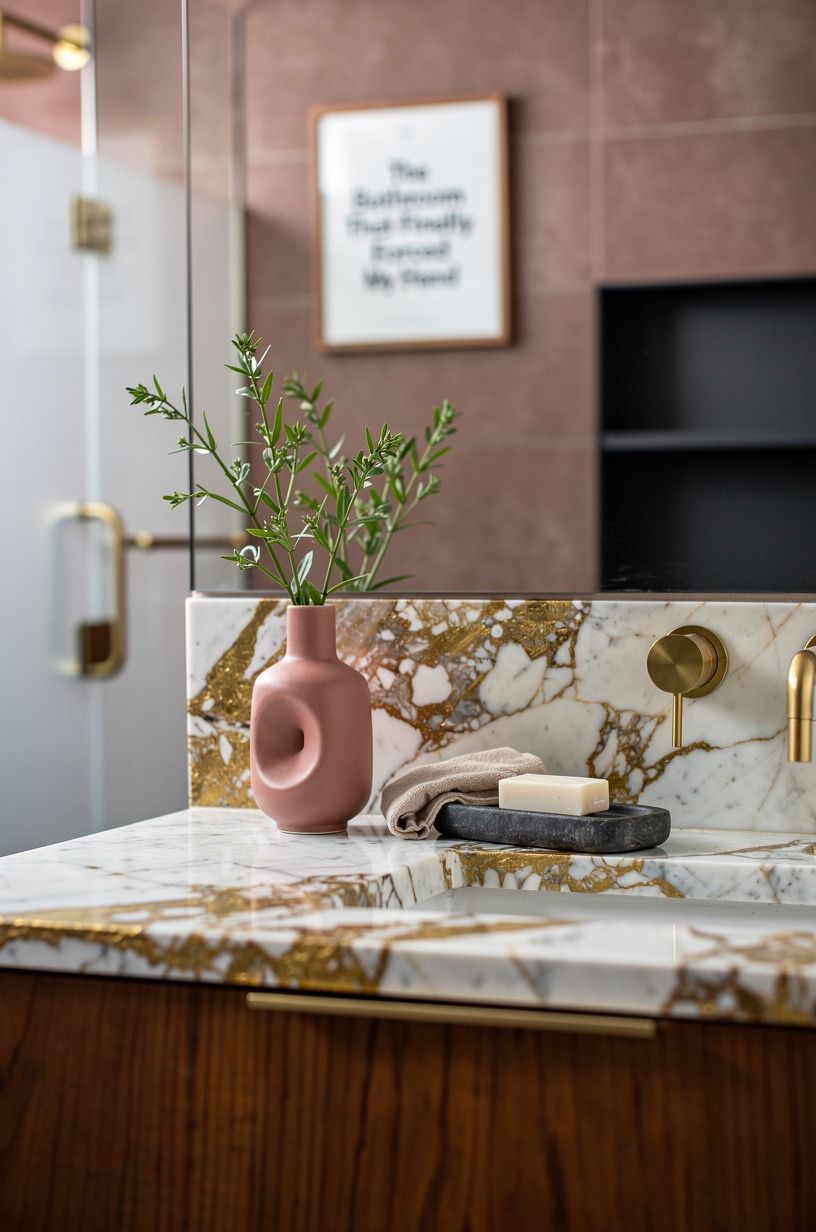
The problem wasn't one ugly feature. It was the combination of glossy beige tile, a builder-grade mirror, bright overhead lighting, and a vanity that made the room feel narrower than it was.


I kept buying little accessories to soften it. A woven basket helped for about three days.
Then the room looked cluttered again. I wasn't sure travertine would solve anything.
I worried it might feel dated, heavy, or too close to the tan tile I was already tired of.
But I kept returning to the same idea: fewer finishes, warmer surfaces, and no decoration that had to fight for attention. I wanted the room to feel modern because of its proportions and texture, not because I had filled it with trendy objects.
And I had one practical rule. Every choice needed to earn its place during an ordinary morning.
Here's What It Looked Like Before:
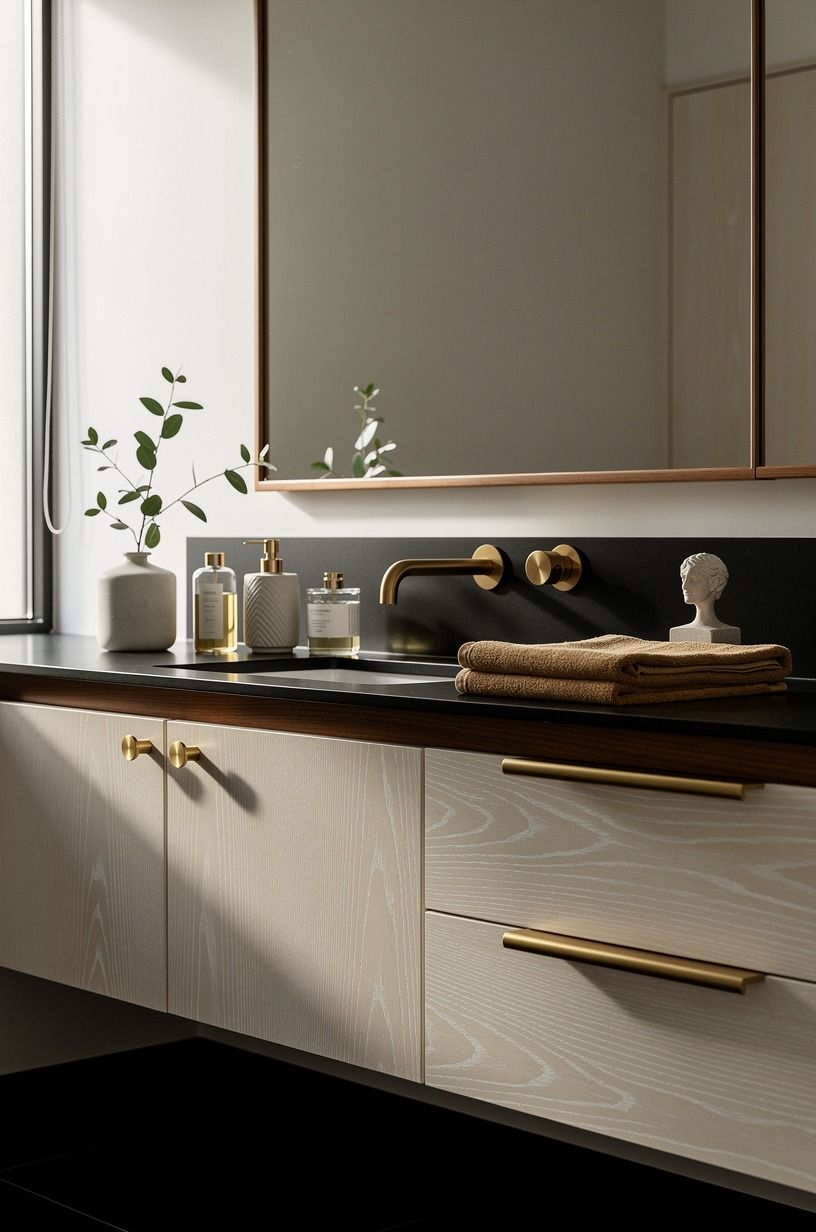
The before photo says it better than I can. The room had the full starter-home package: pale square tile, a narrow vanity, a mirror with a thin silver frame, and a ceiling fixture that made every surface look flat.
Too much beige.
The shower curtain stopped short of the ceiling, which made the room feel lower. The vanity height was workable, but the storage was badly arranged, so bottles gathered around the sink. There was no clear focal point, and the floor disappeared into the walls.
I didn't demolish the room. That decision saved my sanity. Instead, I treated the existing layout as fixed and made the surfaces, lighting, and storage carry the change.
Warm the Walls With Travertine Texture
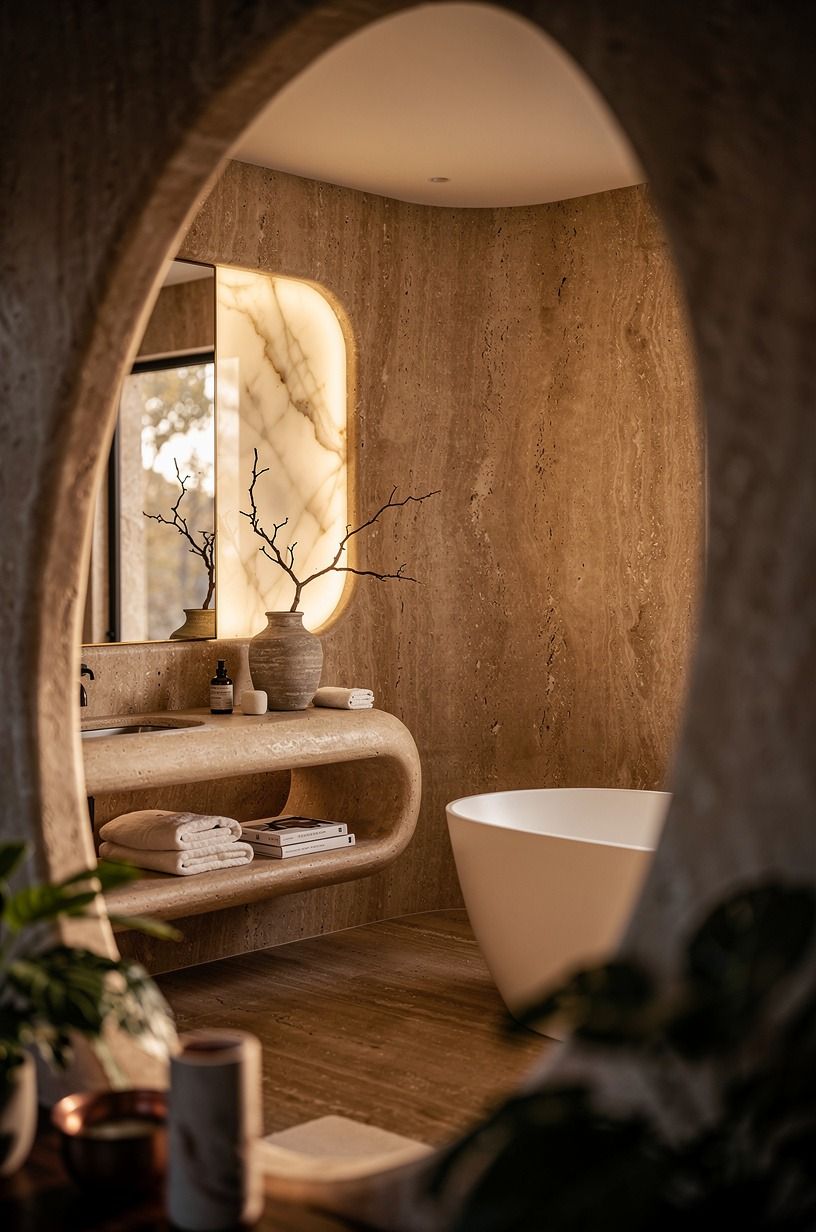
I started with the surface that would change the room from every angle: the wall behind the vanity. I chose a honed travertine-look finish with soft cream, sand, and faint rust variation instead of a highly polished slab.
That distinction mattered. Polished stone bounced the ceiling light everywhere, while the honed finish gave the walls a quieter, chalky depth. When the afternoon light comes through the small window, the texture catches it in uneven patches.
That is the moment the room finally feels organic.
I kept the grout close to the tile color. Contrasting grout would have broken the wall into a grid, and I wanted the eye to move across the surface. If you like this softer direction, my guide to why microcement works in an organic modern bathroom helped me compare finishes before I committed.
And I skipped faux stone with sharp printed veining. It looked busy beside the existing floor. The subtle pattern won.
Give the Vanity One Solid Point of View
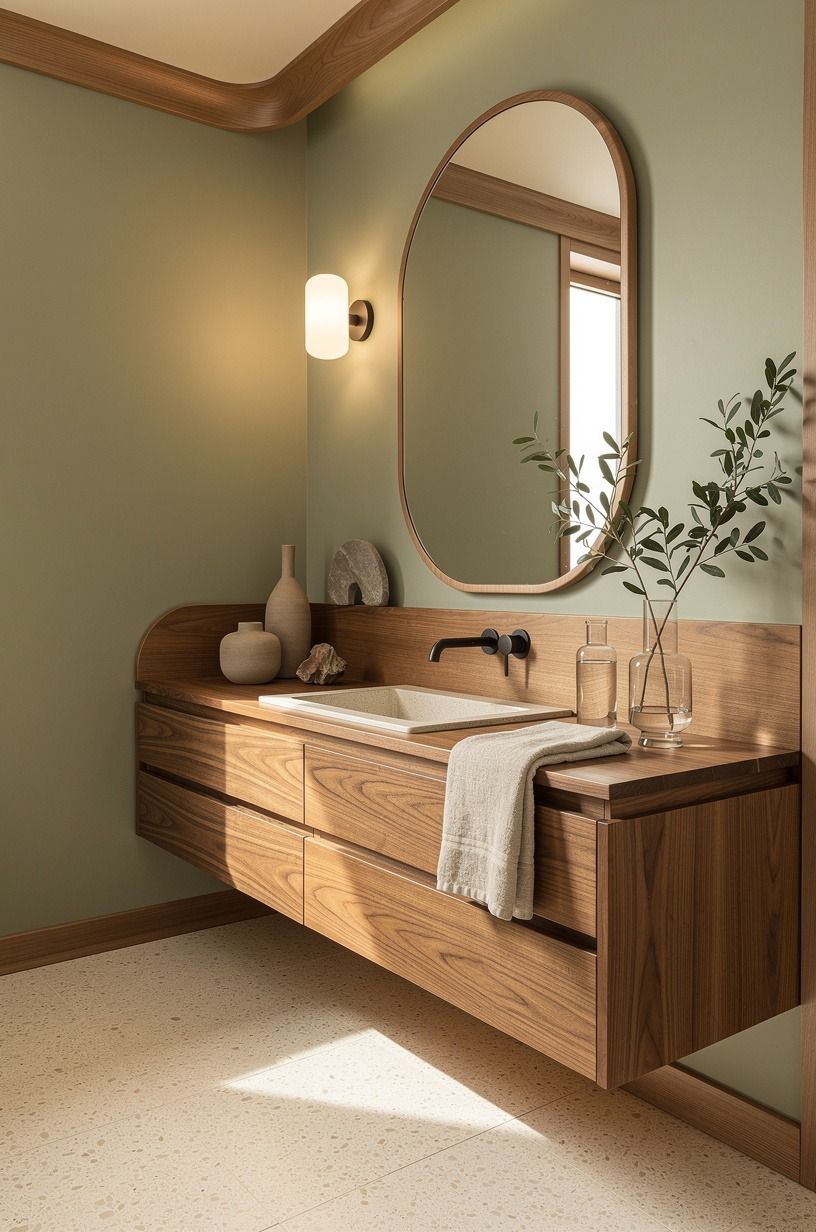
The vanity was the next decision, and I nearly chose a white cabinet because it felt safe. I changed my mind after holding a warm oak sample against the wall.
The final cabinet had a simple flat front, a pale oak tone, and brushed metal pulls. I wanted the grain visible but not orange. The room needed one grounded material, and oak gave me that without making the bathroom feel rustic.
I kept the vanity within the standard 32 to 36 inch height range so the sink would feel comfortable for everyday use. The countertop stayed light, but I avoided a bright white surface. A creamy top looked less stark beside the travertine and didn't turn blue under the new bulbs.
My favorite part is the basin area. I left enough clear counter space for hand soap and one small glass jar.
That's it. You don't need a styled collection beside the sink when the wall already has texture.
A quieter room.
For storage, I used the lower drawers for daily items and moved backups elsewhere. I learned that lesson the hard way after opening the old cabinet and finding three half-used bottles blocking the towels.


The Piece My Whole Bedroom Is Built Around
Natural materials, a 365-night home trial, free white glove delivery. Decide in your own room, not a showroom.
Let the Lighting Pull the Room Together
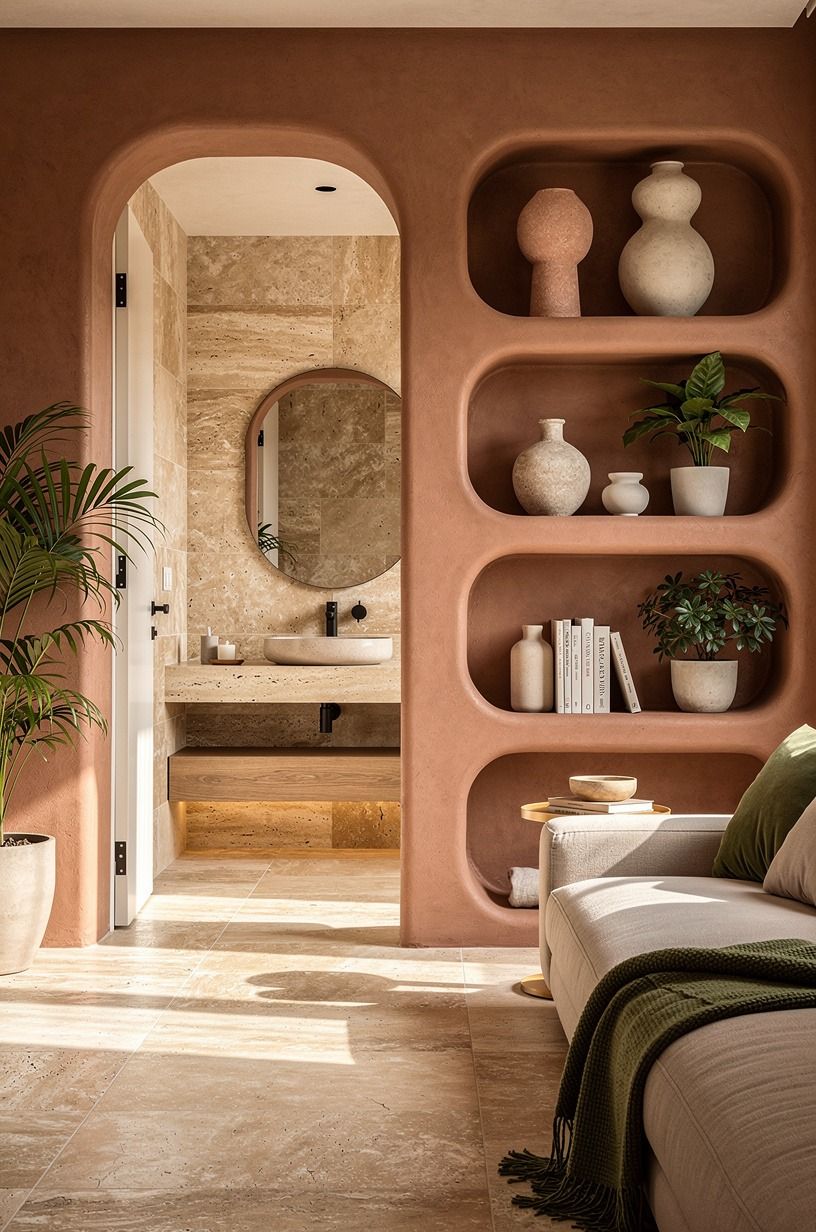
Lighting changed the bathroom more than I expected. The old fixture was bright but flat, and it made the beige tile look tired. I replaced it with two simple wall lights beside the mirror and used warm bulbs.
I chose Benjamin Moore Chestertown Buff HC-9 for the small painted section above the tile. It has enough golden warmth to connect with the travertine, but it doesn't turn the room orange. I tested a sample beside the mirror for several mornings before deciding.
And I didn't use the same light level for every moment. The wall lights handle washing up, while a small ceiling fixture gives general light without putting the whole room on display. At night, the glow lands on the textured wall and leaves the corners softer.
If your bathroom has a rental-style layout, the ideas in these shower curtain changes for a taller-looking bathroom are useful even if you aren't copying the materials. I raised my curtain as high as the room allowed, and the ceiling immediately felt less compressed.
The difference was gentle. Not dramatic. Better.
Keep the Finishing Pieces Warm and Sparse
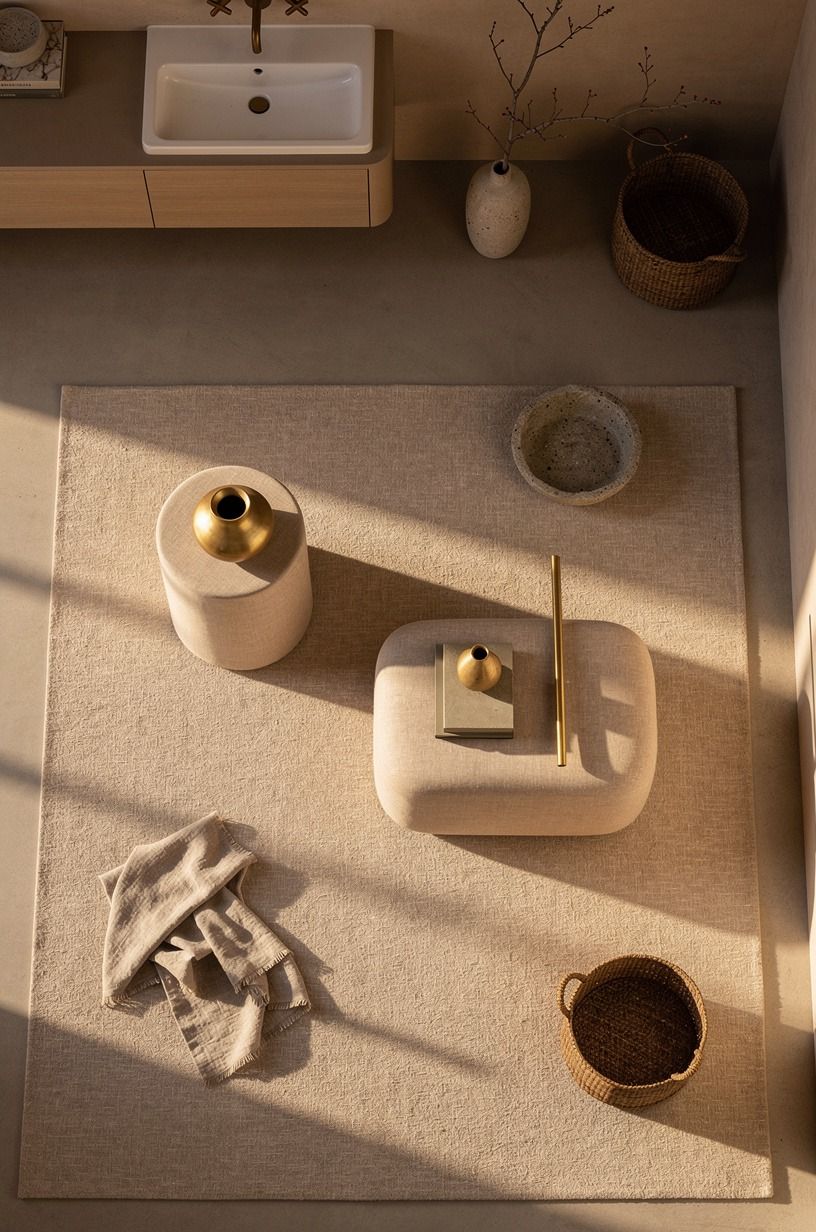
Once the large surfaces were done, I had to stop myself from adding too much. I brought in a stone tray, a thick cotton hand towel, one dark wood stool, and a small ceramic vessel.
No matching accessory set. No pile of decorative bottles.
I tested Farrow & Ball Hague Blue No.30 on a small cabinet sample for contrast, but it looked too deep beside the warm wall in my narrow room. I preferred a muted wood tone instead. The blue would have been handsome in a larger bathroom with stronger daylight, but here it made the corners feel heavy.
And I carried the same quiet approach into the bedroom next door. The bathroom project made me rethink the way the two rooms met at night, so I replaced my old mattress with Zenhaven, then used Organic Cotton Sheets for a cooler, less fussy bed.
I wasn't sure the Latex Mattress Topper was worth keeping at first. For two weeks I regretted the extra layer because the bed felt different from what I knew. Then my shoulders stopped feeling stiff when I woke up, which was my experience, not a promise that it will work for everyone.
The last change was an Organic Quilted Pillow. It gave the bed a low, soft shape that echoed the bathroom's simple textiles without turning the bedroom into a showroom.
Small connection. Big relief.
What I Would Change Next Time
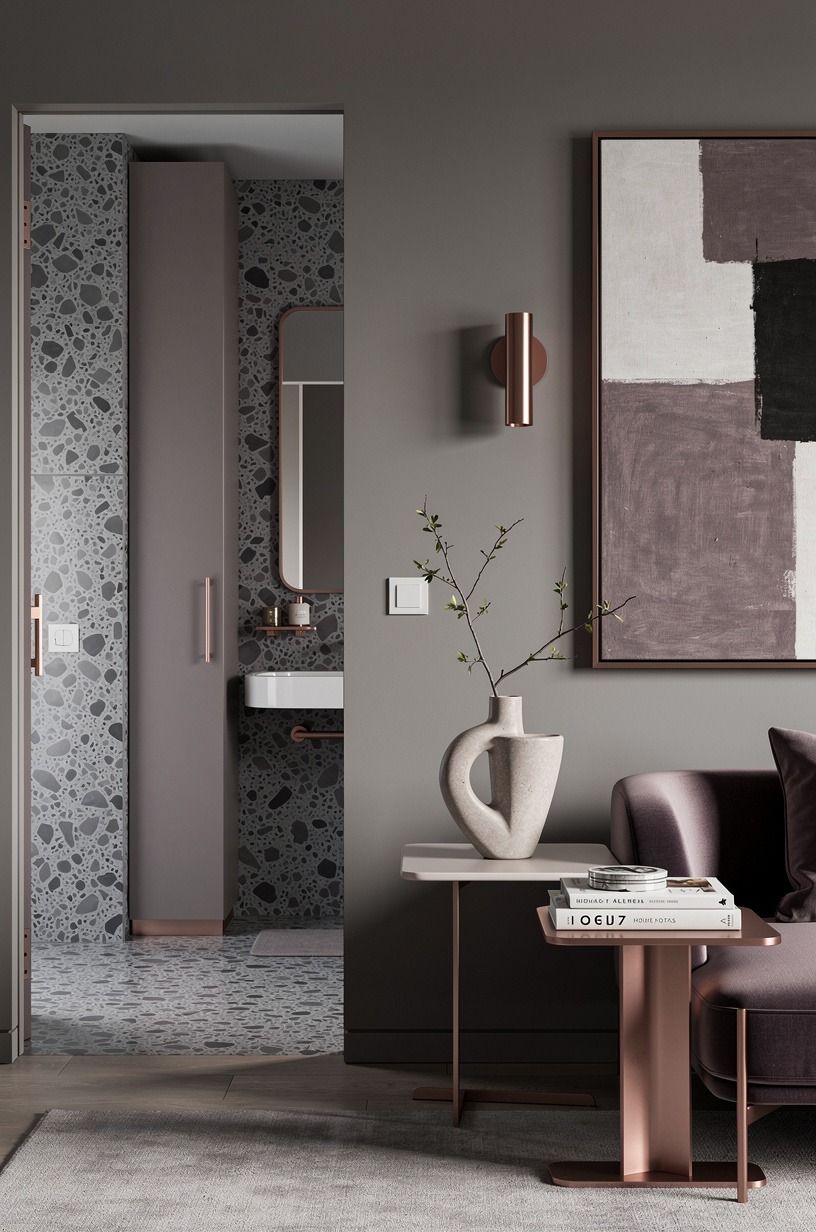
I would spend more time choosing the mirror. Mine is good, but I rushed that decision because I was tired of looking at the old one. A slightly wider frame would have balanced the vanity better, and I think an aged bronze finish would have added more depth than the metal I chose.
I also underestimated how much dust a surface renovation creates. Even without moving plumbing, I washed towels twice and found fine grit in the hallway for days. Plan for that.
But I wouldn't replace the travertine-look wall finish. It was the one choice I kept questioning, and it became the reason the room feels finished. If you prefer a smoother, painted look, Venetian plaster bathroom ideas for a serene organic modern room show a similar softness with a different maintenance conversation.
The honest verdict is that this wasn't a cheap accessory refresh, but it also wasn't a full gut renovation. I put the money into the surfaces people see first and kept the layout, plumbing, and most of the existing room intact. That was the right compromise for me.
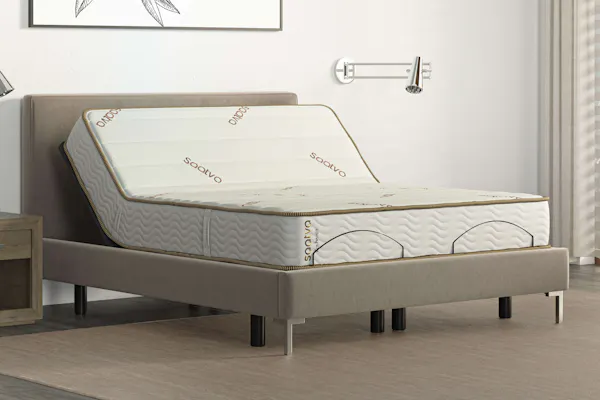 My pick for a healthier bedroomZenhavenTalalay latex, organic cotton, 365-night trial, lifetime warranty, free white glove delivery.See the Zenhaven
Build Your Own Healthier Bedroom
Sale pricing runs on orders over $1,000, and the 365-night trial gives you a full year of nights to be sure.
The Bathroom Now Feels Like Mine
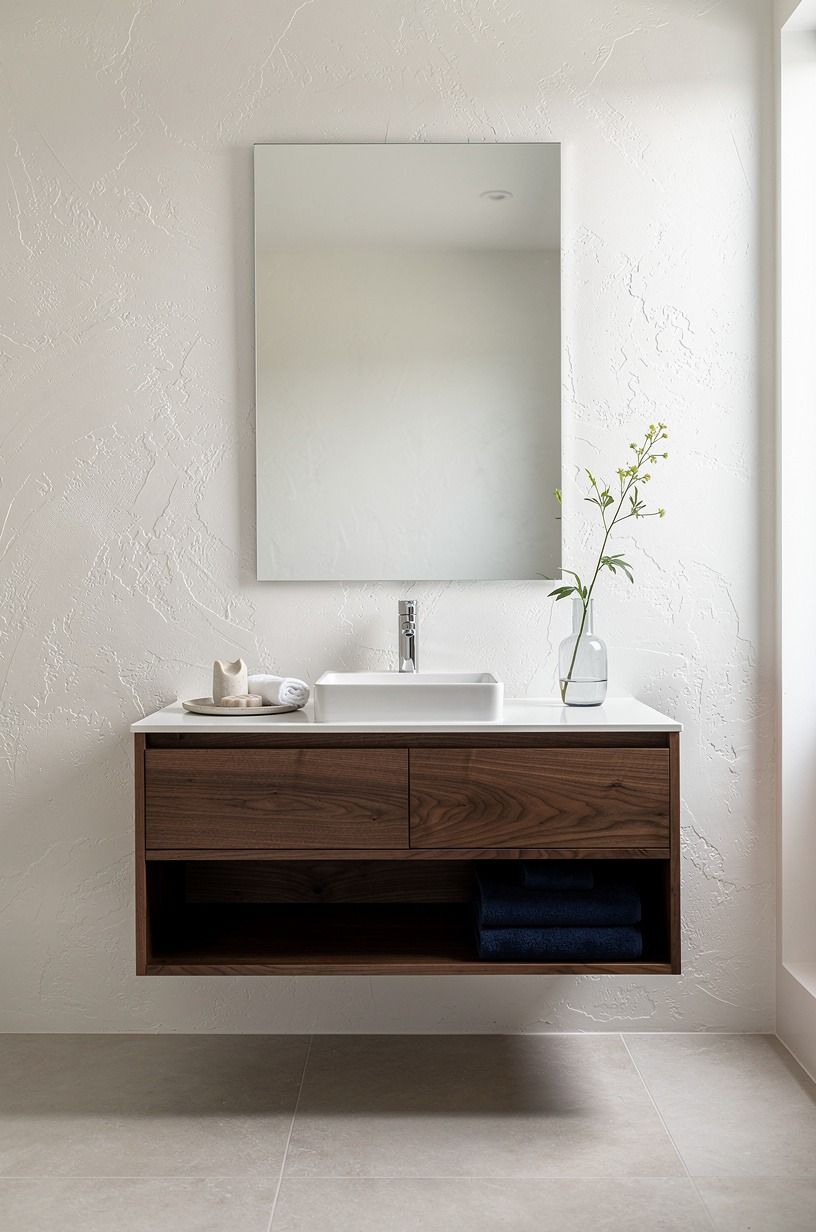
If I had to choose one starting point, I'd choose the wall finish. It gave the whole bathroom its warmth before the vanity, mirror, or lighting had a chance to compete.
Now the room is quiet in the morning, the stone-toned wall catches the window light, and one folded towel sits on the oak stool. The bedroom door stays open, and the bed is waiting just beyond it.